
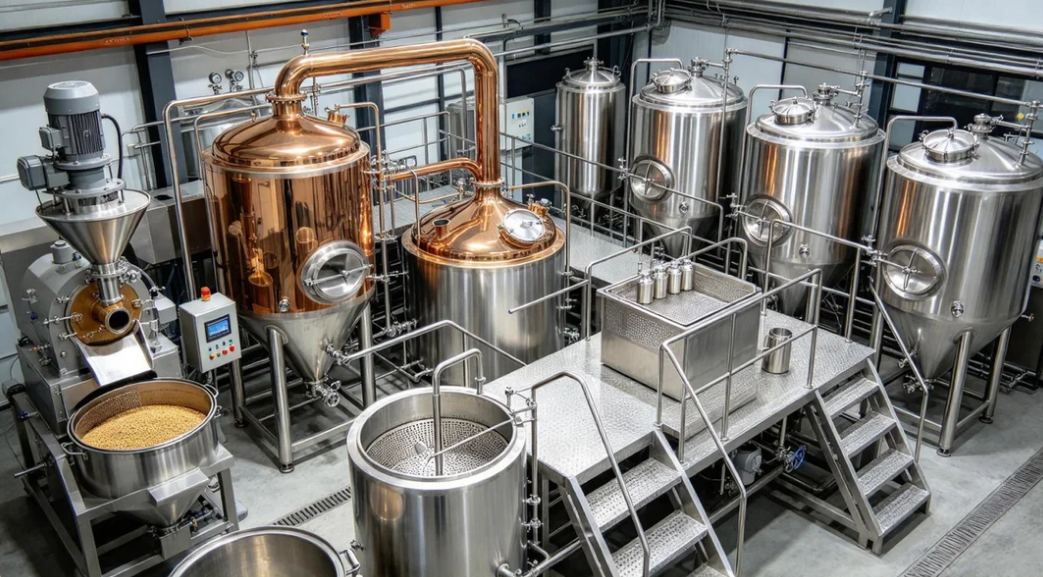
Choosing the right beer brewing equipment is the first step toward producing consistent, flavorful beer at home. Beginners do not need an expensive professional brewery to get started, but they do need reliable equipment for brewing, fermentation, cleaning, and packaging. The best setup depends on batch size, brewing method, available space, and budget. By investing in essential tools first and upgrading gradually, buyers can improve brewing consistency while avoiding unnecessary costs.
What Essential Beer Brewing Equipment Do Beginners Need?
A basic homebrewing setup should cover every stage of the brewing process, from preparing wort to storing finished beer. Buying equipment according to the brewing workflow helps beginners avoid missing important accessories.
Which Brewing Equipment Is Needed for Wort Preparation?
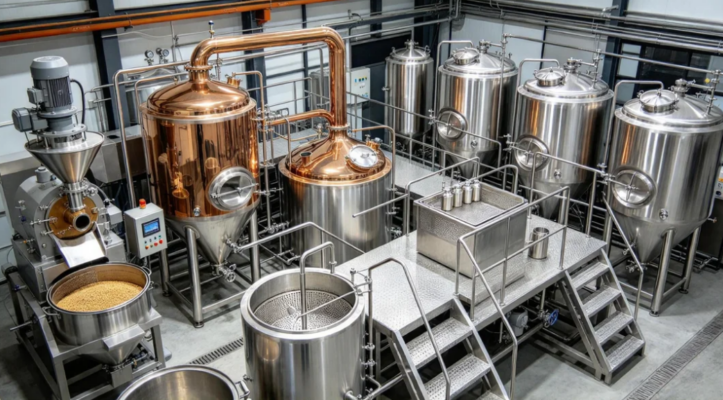
A brew kettle is essential for heating water and boiling wort. Beginners using malt extract can start with a kettle and basic measuring tools, while all-grain brewers also need equipment for mashing and separating grain.
Essential items include:
- Brew kettle: Heats water and boils wort.
- Mash tun: Converts grain starches into fermentable sugars during all-grain brewing.
- Thermometer: Helps maintain suitable temperatures.
- Wort chiller: Cools boiled wort before yeast is added.
- Brewing spoon and measuring tools: Support mixing and ingredient control.
For beginners, a simple extract-brewing setup is often easier to manage. All-grain brewing requires more equipment but provides greater control over recipes and flavor.
Why Should Buyers Invest in Quality Fermentation Equipment?
Fermentation equipment has a direct impact on beer quality because yeast converts fermentable sugars into alcohol and carbon dioxide. A suitable fermenter should provide enough headspace, resist contamination, and allow effective cleaning.
A fermenter with an airlock helps release carbon dioxide while limiting exposure to outside contaminants. Brewers should also consider temperature control, especially when producing styles that require specific fermentation conditions.
How Should Buyers Compare Different Beer Brewing Equipment Options?
The right equipment capacity should match the intended batch size, brewing method, and available workspace. The following table provides practical reference ranges for common homebrewing setups. These are general planning estimates, not fixed manufacturer specifications.
| Equipment | Small Batch | Standard Homebrew | Larger Homebrew |
|---|---|---|---|
| Target batch size | 4–8 L | 19–23 L | 38–45 L |
| Brew kettle capacity | 8–12 L | 30–40 L | 55–75 L |
| Fermenter capacity | 5–10 L | 25–30 L | 45–60 L |
| Brewing method | Extract or simple all-grain | Extract or all-grain | Mainly all-grain |
| Cooling method | Ice bath or small chiller | Immersion chiller | Larger-capacity chiller |
| Packaging | Bottles | Bottles or small keg | Bottles or keg system |
| Best suited for | First-time brewers | Regular homebrewing | Experienced hobbyists |
Buyers should leave sufficient headspace in both kettles and fermenters to reduce boilovers and accommodate fermentation foam. Before purchasing, confirm actual working capacity rather than relying only on the vessel’s advertised total volume.
What Materials and Features Should Buyers Check Before Purchasing?
Food-contact materials, temperature control, and ease of cleaning are more important than unnecessary accessories. Equipment that is durable and simple to maintain can reduce replacement costs and help protect beer quality.
Is Stainless Steel a Good Choice for Beer Brewing Equipment?
Stainless steel is a popular choice because it offers corrosion resistance, durability, and a smooth surface that is easier to clean. For kettles and fermenters, buyers can compare stainless steel grades, weld quality, fittings, and surface finish.
Food-grade plastic fermenters can also be suitable for beginners because they are lightweight and relatively affordable. However, scratched plastic may become harder to clean effectively, so damaged vessels should be replaced when necessary.
How Important Are Cleaning and Temperature Control?
Cleaning removes visible residue, while sanitizing reduces the risk of unwanted microorganisms contaminating the beer. Buyers should budget for appropriate cleaning products, sanitizer, brushes, and cleaning accessories from the beginning.
Temperature control is equally important. A thermometer is a basic requirement, while a temperature-controlled fermentation chamber or compatible cooling system may be worthwhile for brewers seeking greater consistency.
How Can Buyers Choose Equipment That Fits Their Budget?
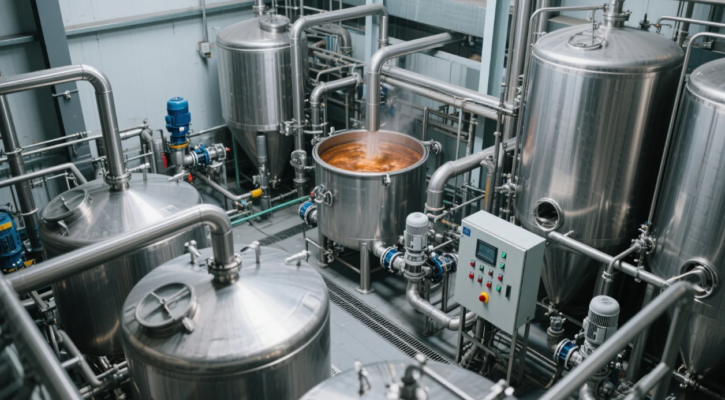
Buyers should prioritize essential equipment before investing in advanced automation. A practical starter setup includes a kettle, fermenter, airlock, thermometer, sanitizer, hydrometer, and basic bottling tools.
Once the brewing process becomes familiar, additional purchases can include a dedicated mash tun, improved wort chiller, stainless steel fermenter, or kegging system. Buying equipment in stages makes it easier to identify which upgrades provide real value.
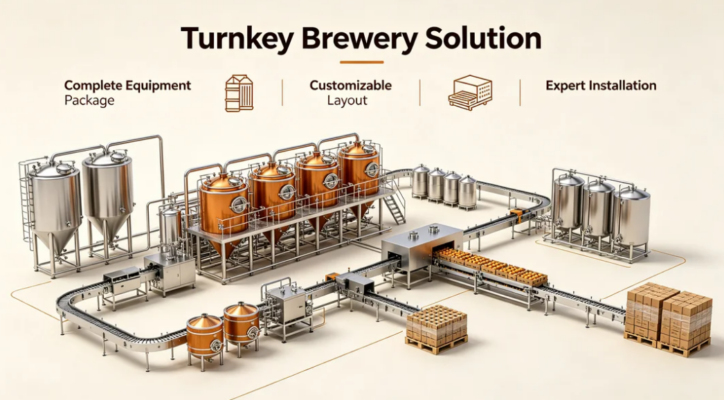
For buyers planning to move from homebrewing into commercial production, the selection process changes significantly. Commercial systems may require larger brewhouses, multiple fermentation tanks, cooling equipment, cleaning-in-place systems, and packaging machinery. Production capacity, utilities, floor space, and future expansion should all be considered before choosing a supplier.
Frequently Asked Questions About Beer Brewing Equipment
1. What Is the Most Important Beer Brewing Equipment for Beginners?
A brew kettle and a suitable fermenter are two of the most important items. Beginners also need sanitation supplies, a thermometer, and appropriate packaging equipment to complete the brewing process safely and consistently.
2. How Large Should a Homebrew Fermenter Be?
The fermenter should be larger than the intended batch volume to provide headspace for foam and carbon dioxide production. For a typical 20-liter batch, a fermenter holding approximately 25–30 liters is a practical starting point.
3. Can Beginners Brew Beer Without Expensive Equipment?
Yes. A basic setup can produce good beer without advanced automation or expensive stainless steel tanks. Buyers should focus on sanitation, appropriate fermentation temperatures, and reliable equipment before purchasing optional upgrades.
4. When Should Homebrewers Upgrade Their Beer Brewing Equipment?
An upgrade makes sense when the current setup limits batch size, temperature control, cleaning efficiency, or recipe flexibility. Brewers planning to sell beer commercially should also investigate local licensing, food safety, and production requirements before investing in professional equipment.
