
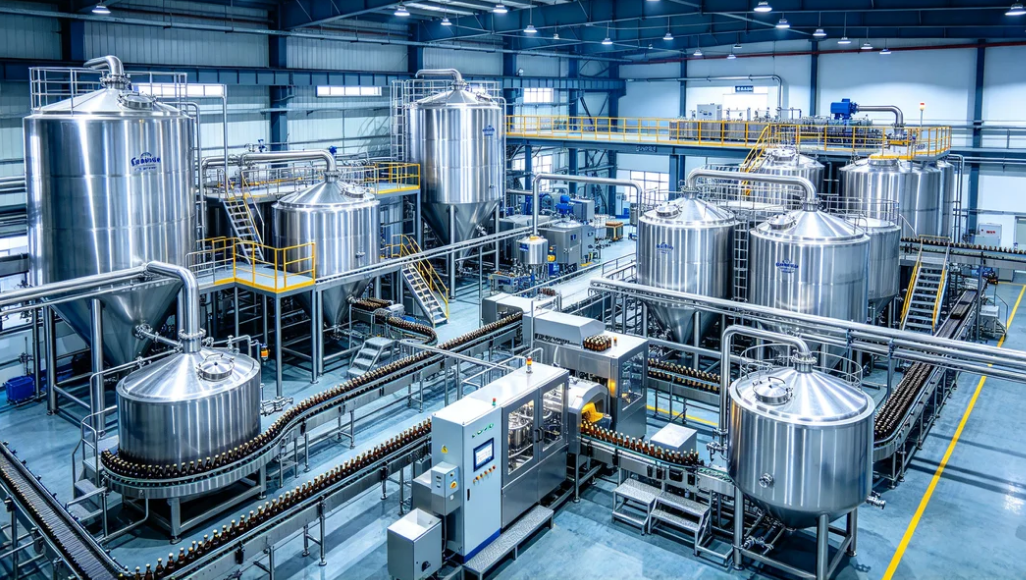
Choosing the right commercial brewery equipment is essential for maintaining beer quality, controlling production costs, and meeting customer demand. Buyers should evaluate the complete brewing process, from raw material preparation and wort production to fermentation, cleaning, and packaging. The best equipment configuration depends on production targets, beer styles, available space, automation requirements, and future expansion […]
Category Archives: Hgmc Blog
16
Oct
Oct
Designing a 20000L beer factory production line requires more than selecting large brewing tanks. Buyers need to coordinate brewhouse capacity, fermentation space, cooling, cleaning, packaging, and factory layout to achieve reliable output and consistent beer quality. The most effective solution matches equipment specifications to the production schedule, target beer styles, available utilities, and long-term business […]
15
Oct
Oct
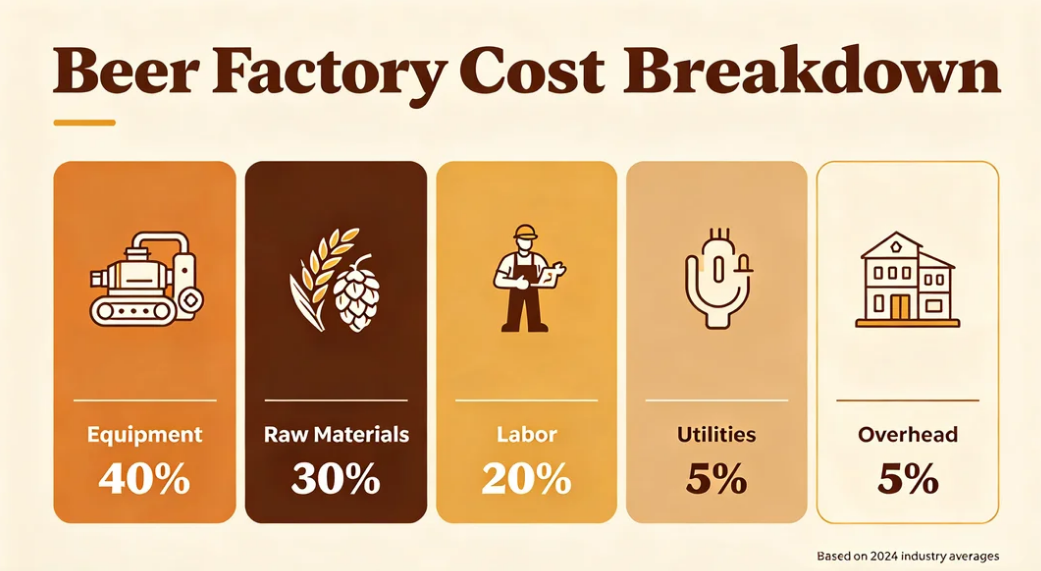
Investing in a commercial brewery requires more than purchasing brewing machines. Beer factory cost depends on production capacity, equipment configuration, automation, installation, utilities, and packaging requirements. Buyers can control their initial investment by defining production targets, comparing complete equipment specifications, and planning for future expansion. A well-designed brewery system should balance equipment quality, operating efficiency, […]
14
Oct
Oct
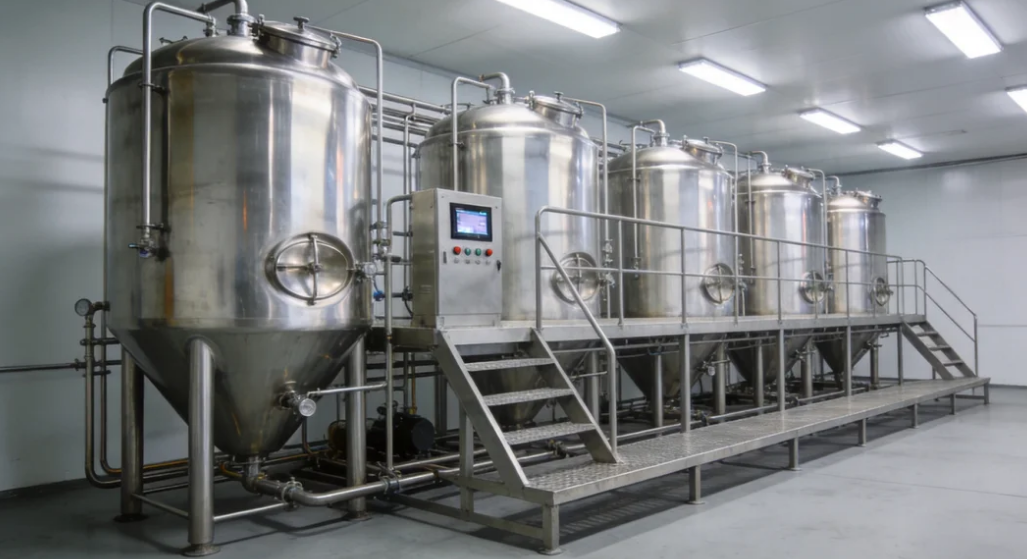
The cost of a 500L brewing system depends on its equipment configuration, fermentation capacity, automation level, material quality, and supporting components. Buyers should evaluate the complete brewing setup rather than compare prices based on brewhouse capacity alone. The right system should match expected production volume, available installation space, beer styles, and future expansion plans. Understanding […]
13
Oct
Oct
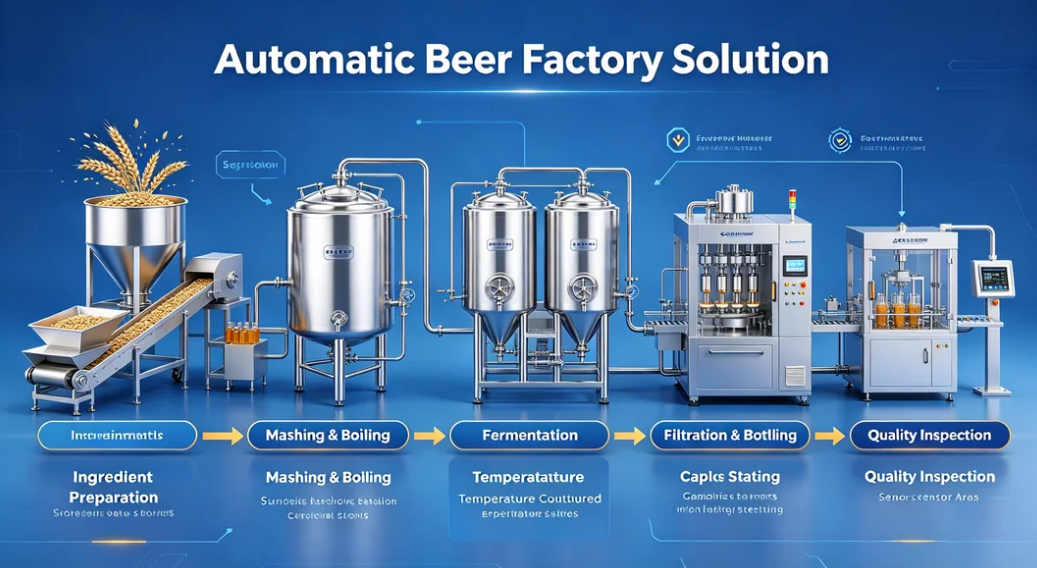
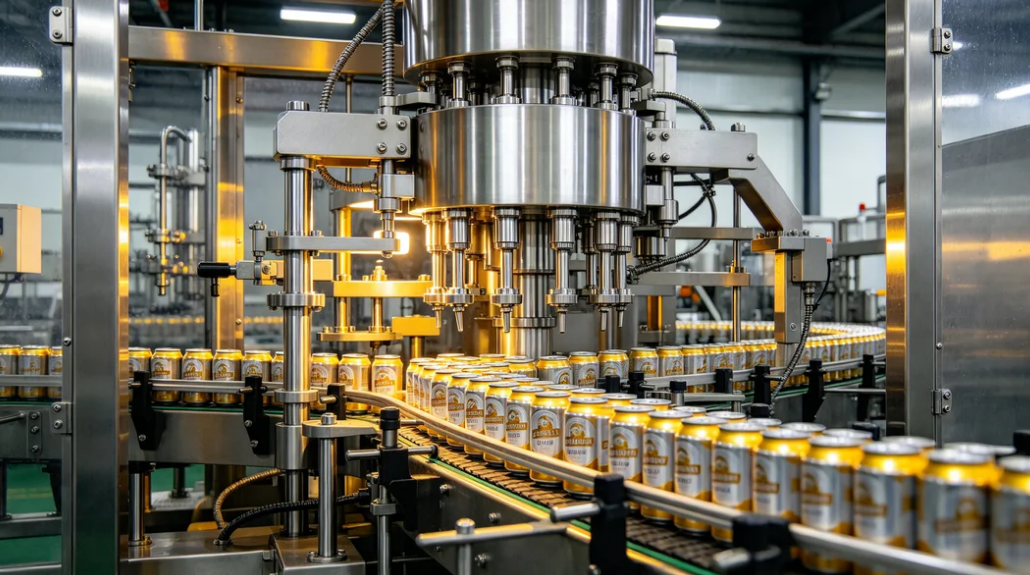
Choosing between a manual brewery and an automatic beer factory solution depends on production volume, labor availability, budget, and long-term business goals. Manual brewing systems offer greater hands-on control and may suit smaller breweries, while automated systems help commercial producers improve process consistency, reduce repetitive work, and coordinate multiple production stages. Before investing, buyers should […]
12
Oct
Oct
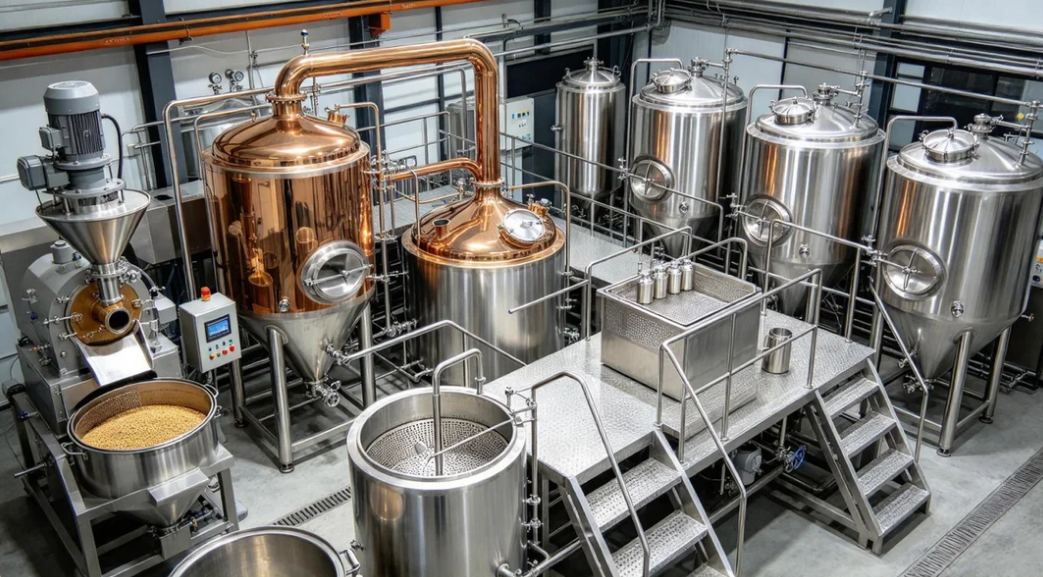
A suitable beer canning machine helps breweries maintain beer quality, reduce packaging labor, and increase production efficiency. Before purchasing, buyers should compare filling capacity, oxygen control, sealing quality, can-size compatibility, and automation level rather than focusing only on the advertised speed. The best choice depends on current production volume, available floor space, packaging requirements, and […]
10
Oct
Oct
Choosing the right beer brewing equipment is the first step toward producing consistent, flavorful beer at home. Beginners do not need an expensive professional brewery to get started, but they do need reliable equipment for brewing, fermentation, cleaning, and packaging. The best setup depends on batch size, brewing method, available space, and budget. By investing […]
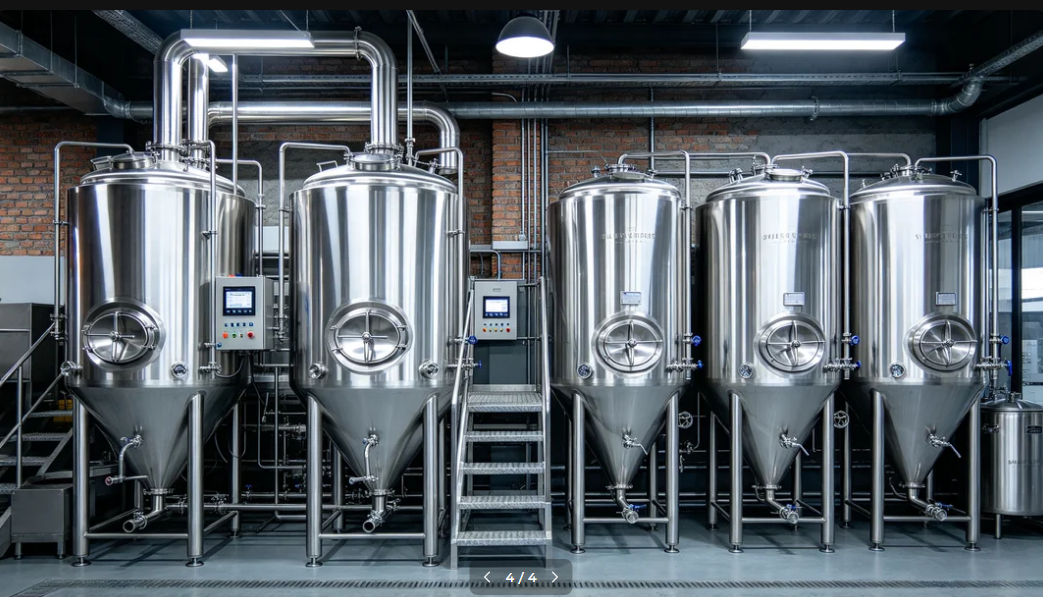
Booth E1-B21, Shanghai New International Expo Centre | October 12–15 The 2026 China International Brew and Beverage Industry Exhibition (CBB) is about to kick off. HGMC will showcase its all-new fermentation equipment solutions. We look forward to meeting industry partners, old and new, in person and discussing the new future of brewing together!
30
Sep
Sep
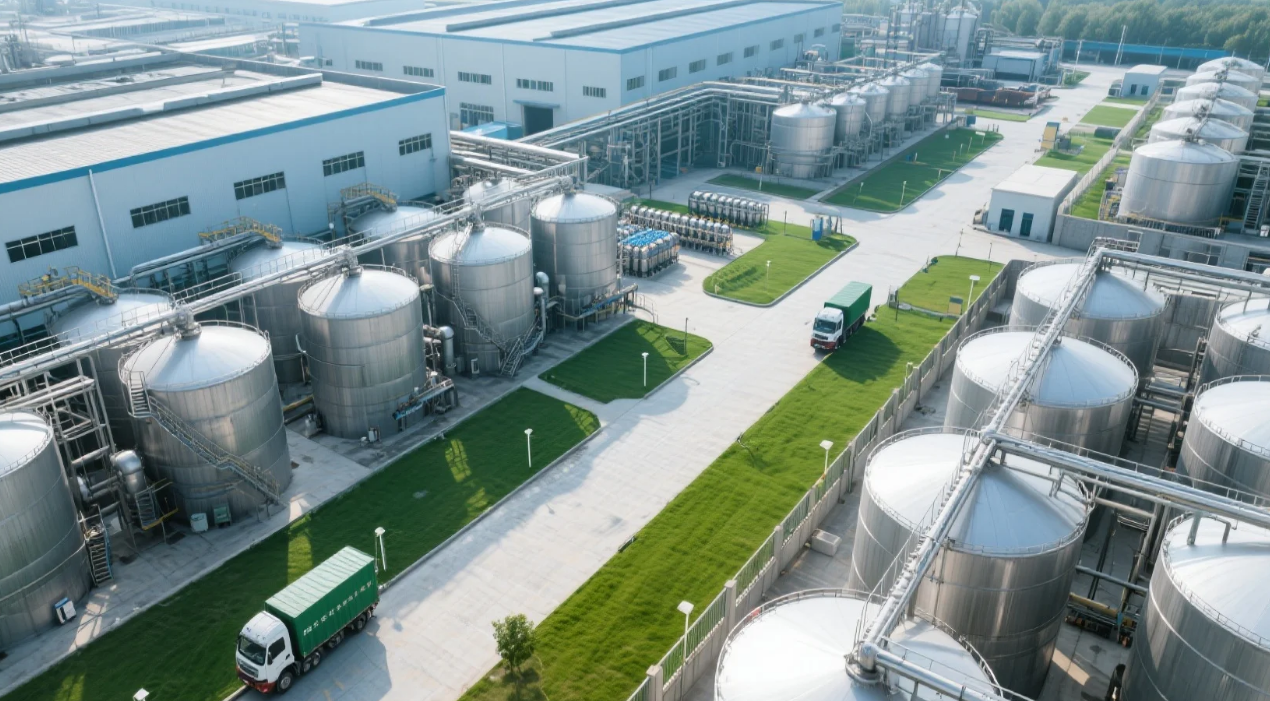
A suitable Brewhouse system is the foundation of efficient brewery expansion because it directly affects production capacity, beer quality, energy consumption, and future scalability. Buyers should evaluate brewhouse design, vessel configuration, automation level, and production targets before investing. A well-planned brewhouse not only improves daily brewing efficiency but also helps breweries reduce operating costs and […]
29
Sep
Sep
Choosing the right beer brewing equipment is essential for building an efficient, stable, and scalable brewery. Professional brewery projects require more than individual machines; they need an integrated system covering brewing, fermentation, cooling, cleaning, automation, and packaging. A well-designed equipment solution helps brewers improve production efficiency, maintain consistent beer quality, reduce operating costs, and prepare […]