

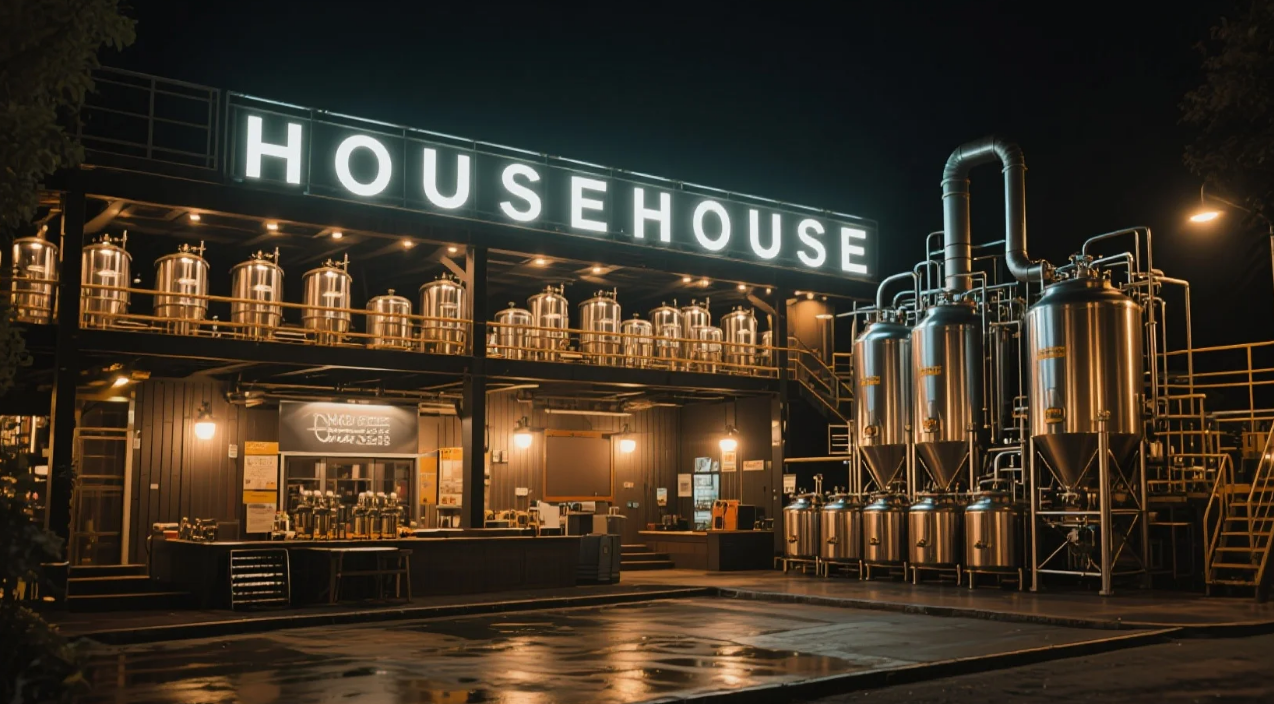
The most common failure pattern in brewery projects is consistent: an owner selects an impressive brewhouse first, then tries to make the rest of the plant fit around it. Only later does the reality surface—fermentation space runs short, packaging cannot keep pace, or utilities buckle under the load. The plant looks capable on paper but […]
Category Archives: Hgmc Blog

07
Sep
Sep
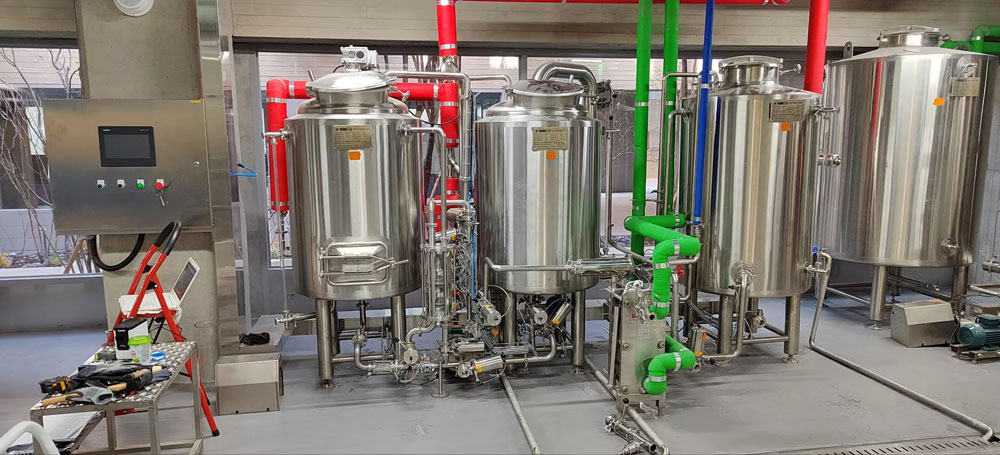
Two brewhouse quotations sit side by side on the desk. Both state “304 stainless steel” in the material specification section. The prices diverge by tens of thousands of dollars. A buyer who has spent weeks comparing suppliers might reasonably ask what the grade actually guarantees — and whether the cheaper option is the smarter procurement […]
03
Sep
Sep
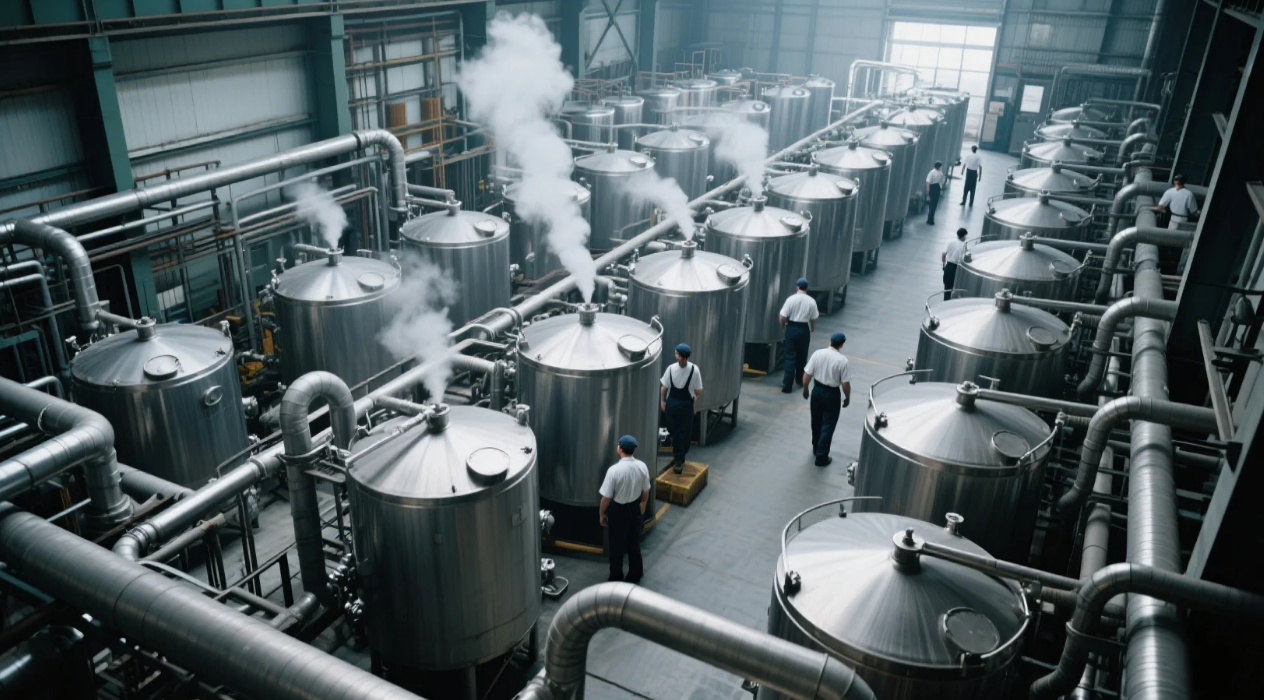
A brewery buyer comparing quotes for a commercial brewhouse often hits the same wall. Two suppliers bid a 1,000 L system, and the numbers look nothing alike. The lower quote rarely stays the lowest once installation begins, because brewhouse pricing tracks process capability and technical specification, not nominal tank volume. Buyers who anchor on headline […]
01
Sep
Sep
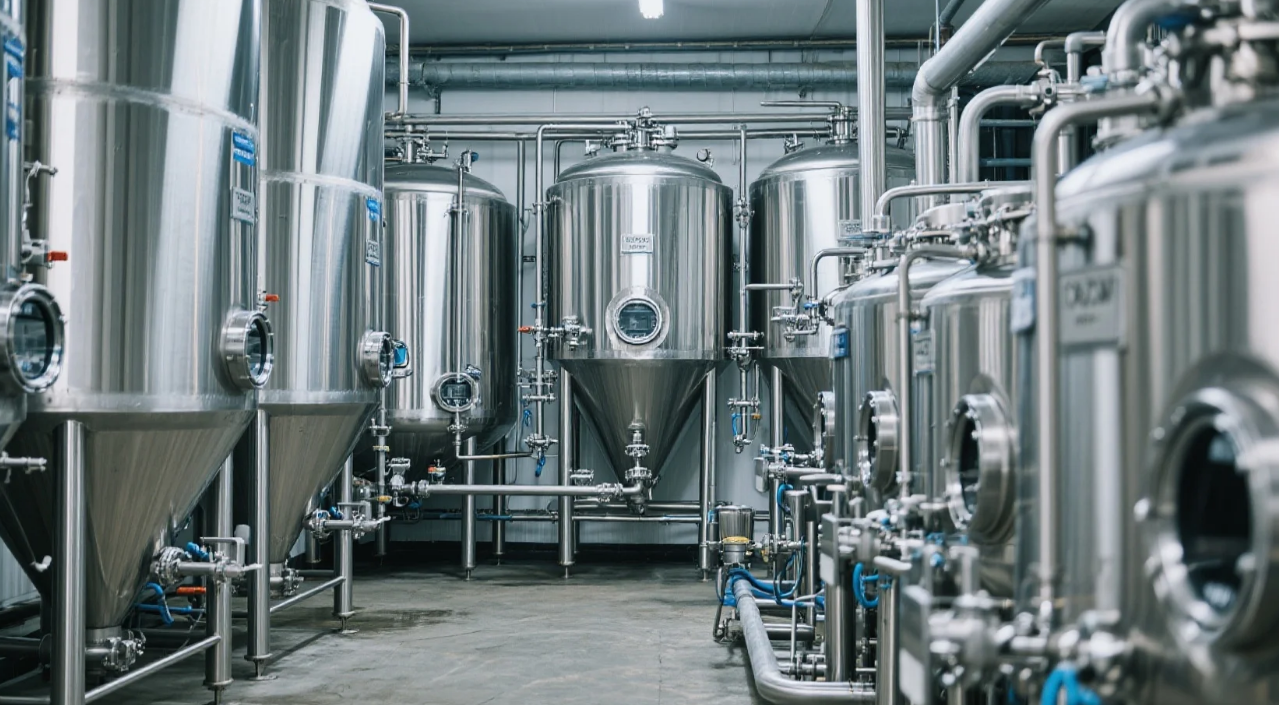
The gap between what a brewhouse is rated for and what actually reaches the tap is wider than most restaurant operators expect. A 1000L system sounds like a lot of beer until the first summer weekend hits and the kitchen is pouring through kegs faster than the fermenters can cycle. The real question isn’t whether […]
31
Aug
Aug
A brewery project often starts with a brewhouse quotation. The problem appears later, usually after the equipment has been ordered: the fermentation cellar is too small, the glycol system cannot pull down wort quickly enough, a tank cannot pass through the building entrance, or the packaging line cannot keep up with finished beer production. The […]
29
Aug
Aug
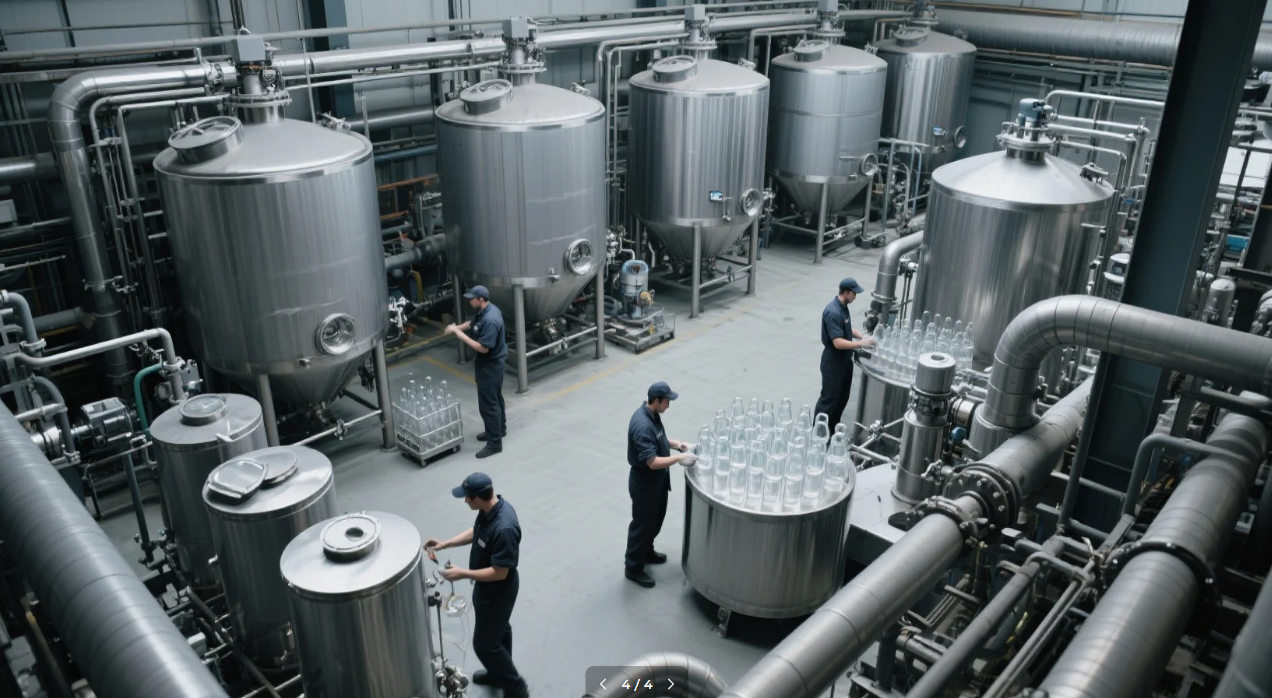
A flagship beer can drift even when the recipe sheet has not changed. One shift may mash in two degrees too hot, another may open the lautering valve faster, and a third may cool wort to a slightly different temperature before sending it to the fermentation tanks. None of those errors looks dramatic on its […]
28
Aug
Aug
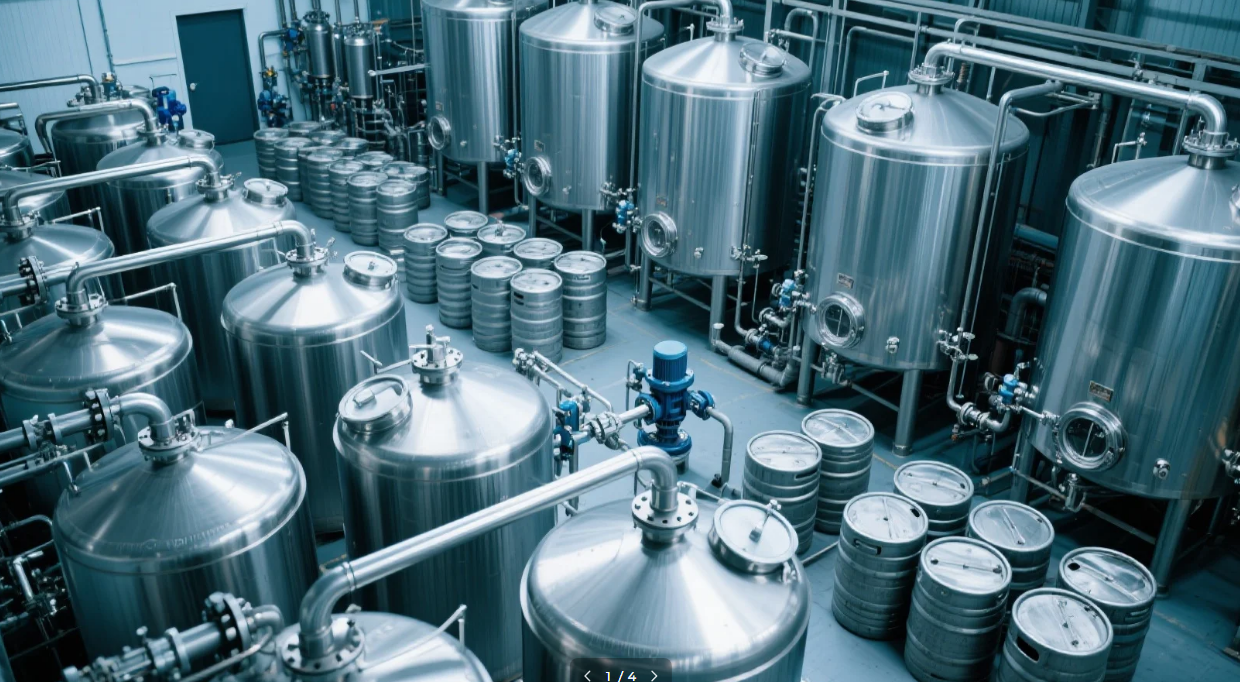
A growing brewery can lose hours without any single task looking large. Staff check tank temperatures, adjust valves, coordinate wort transfers, start and stop pumps, verify cleaning cycles, and move between the brewhouse and packaging area to resolve small interruptions. As tank count and packaging volume increase, those checks begin competing with recipe work, quality […]
26
Aug
Aug
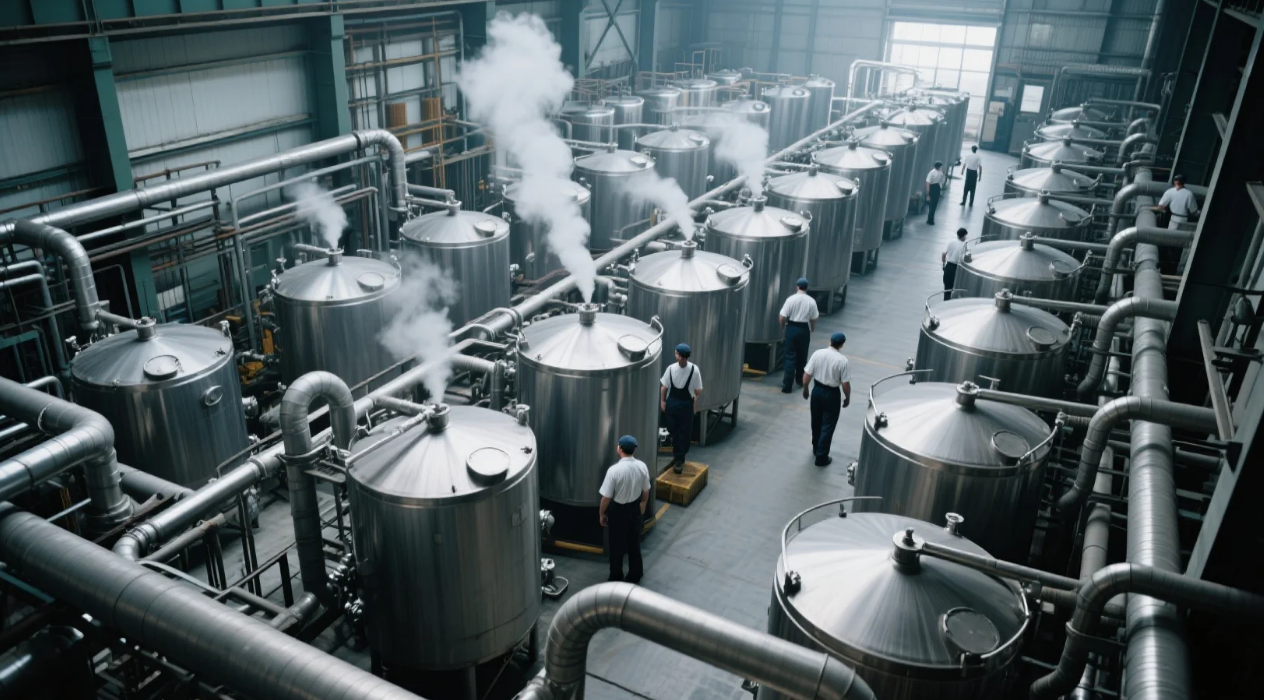
Many brewery projects start with the most visible equipment: a brewhouse and a group of fermentation tanks. The problems usually appear later. The glycol system is too small, the CIP system cannot reach every line, the packaging machine cannot keep up, or the building cannot accommodate the planned pipe runs and drainage. The equipment has […]
25
Aug
Aug
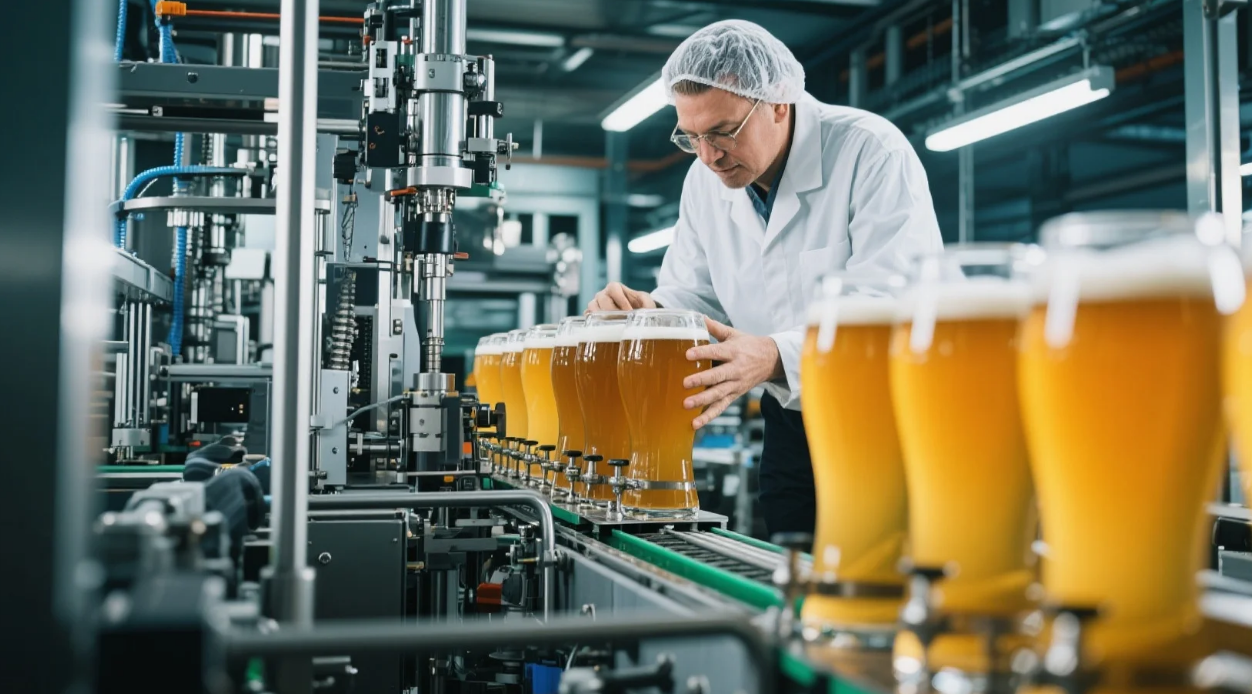
A commercial brewery may receive two brewhouse quotations that look almost identical at first glance. One lists the vessels at a surprisingly low price. The other costs more, but includes cooling, CIP, controls, process piping, installation, and commissioning. The difference often appears only when the equipment reaches the building and the production team asks what […]
24
Aug
Aug
A small commercial brewery usually feels the need for automation before it has the budget or floor space for a fully automated plant. Batch frequency increases, but staff still check mash temperatures by hand, move valves during transfers, watch tank pressure, record readings, and run cleaning cycles from memory. The equipment may be capable of […]