
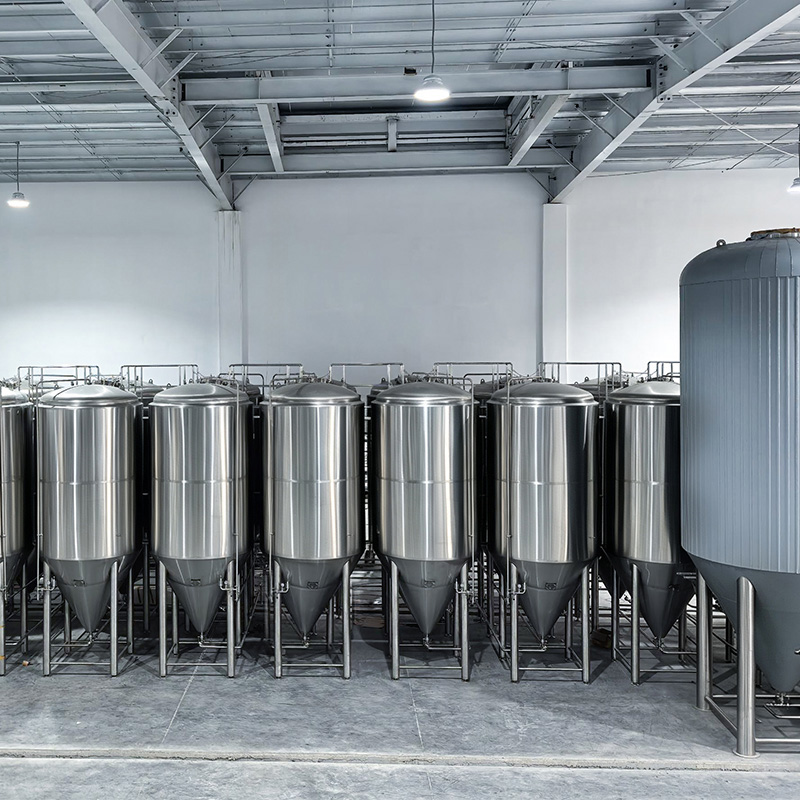
When a brewery grows from brewing a few barrels per week to several hundred, the manual habits that worked at small scale start to break down. Temperature drifts, timing errors, and inconsistent valve sequencing become regular headaches, and every batch feels like a gamble. The real value of automatic control isn’t a shiny touchscreen—it’s giving […]
Category Archives: Hgmc Blog
24
Jul
Jul
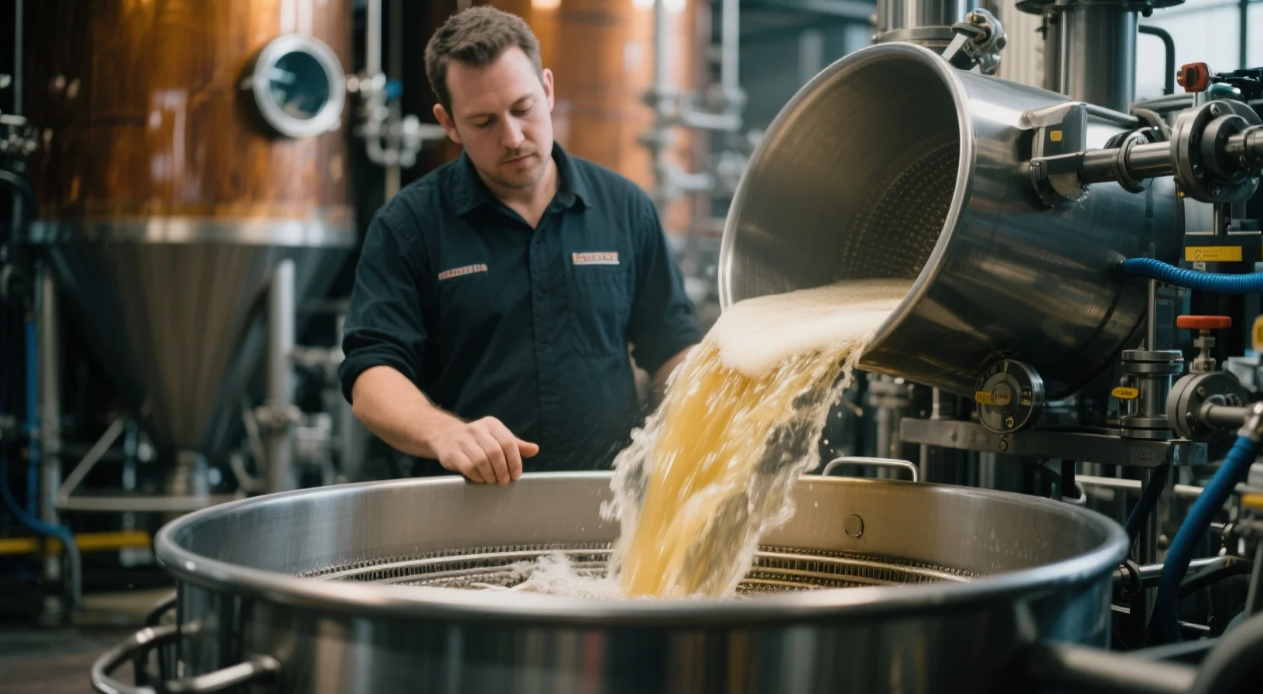
The brew day started at six in the morning. By noon the mash tun had clogged twice, the CIP cycle on the fermenter took forty minutes longer than the schedule allowed, and the transfer to the bright beer tank ran so slowly that the packaging team had to stay an extra hour. This is not […]
23
Jul
Jul
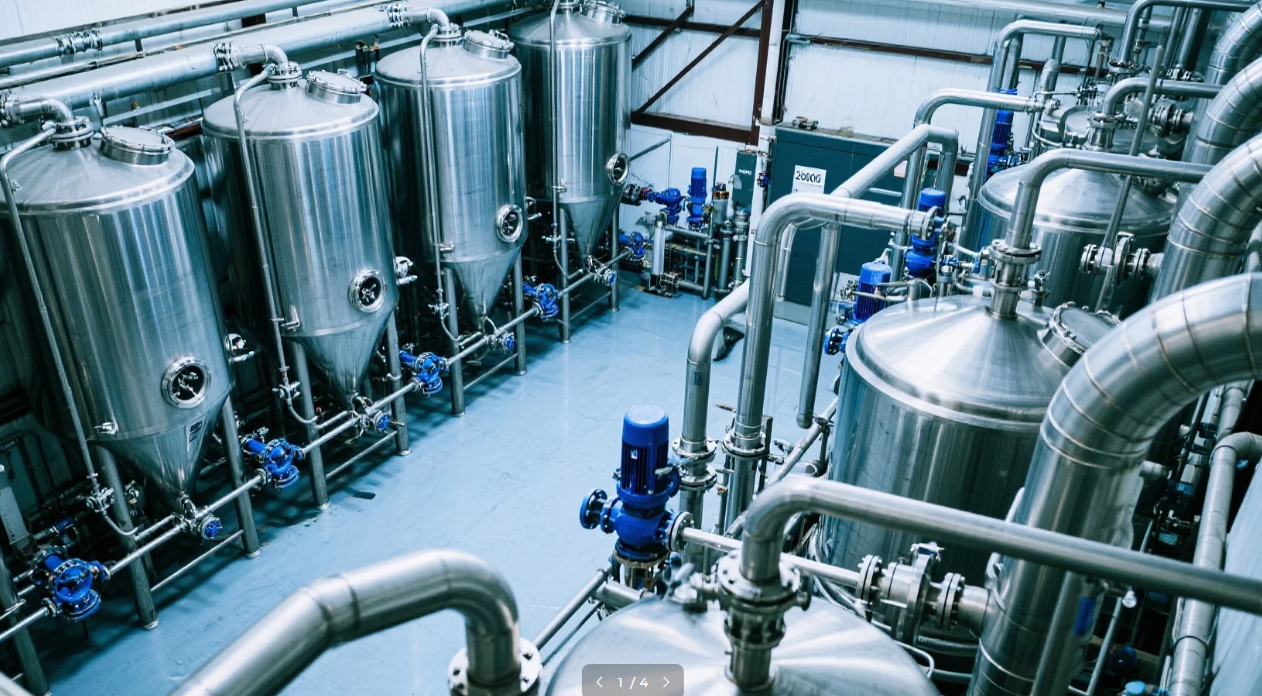
When a brewery scales up to 2000 liters, the initial instinct is to celebrate the extra capacity. But raw volume does nothing on its own. I have watched brewers install a 2000L brewery system only to discover that their output barely improved because every step between mash and bright tank had a hidden friction point. […]
22
Jul
Jul
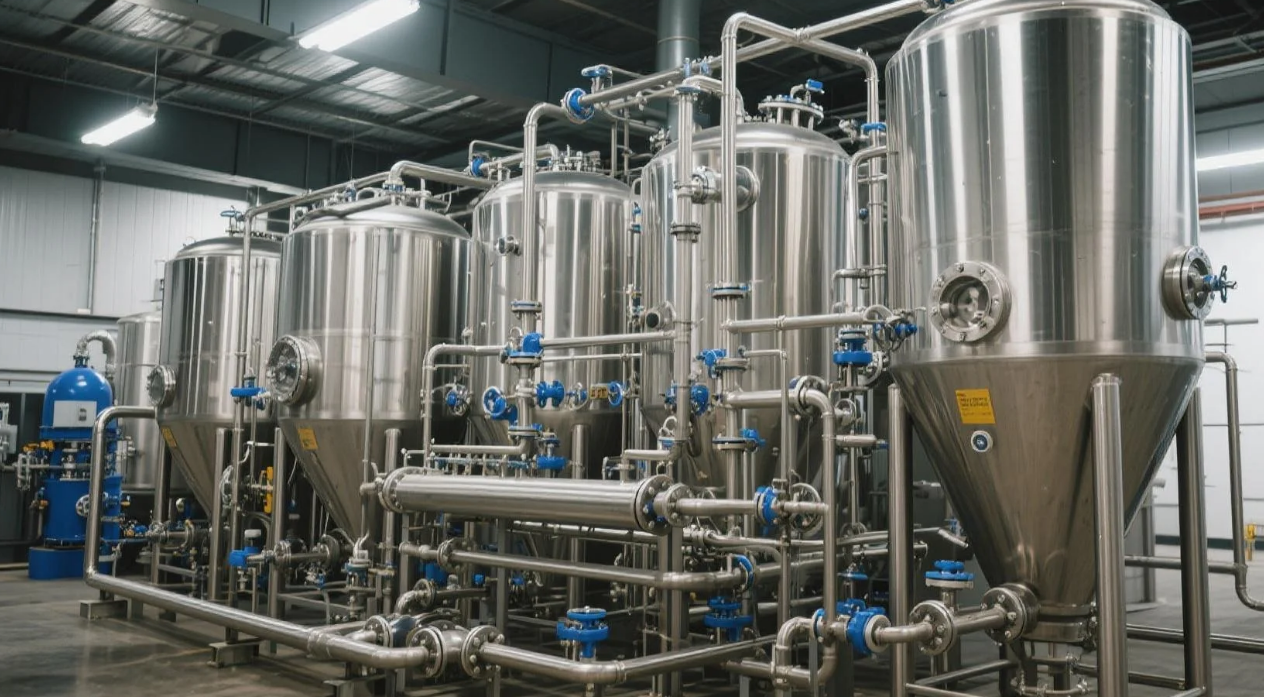
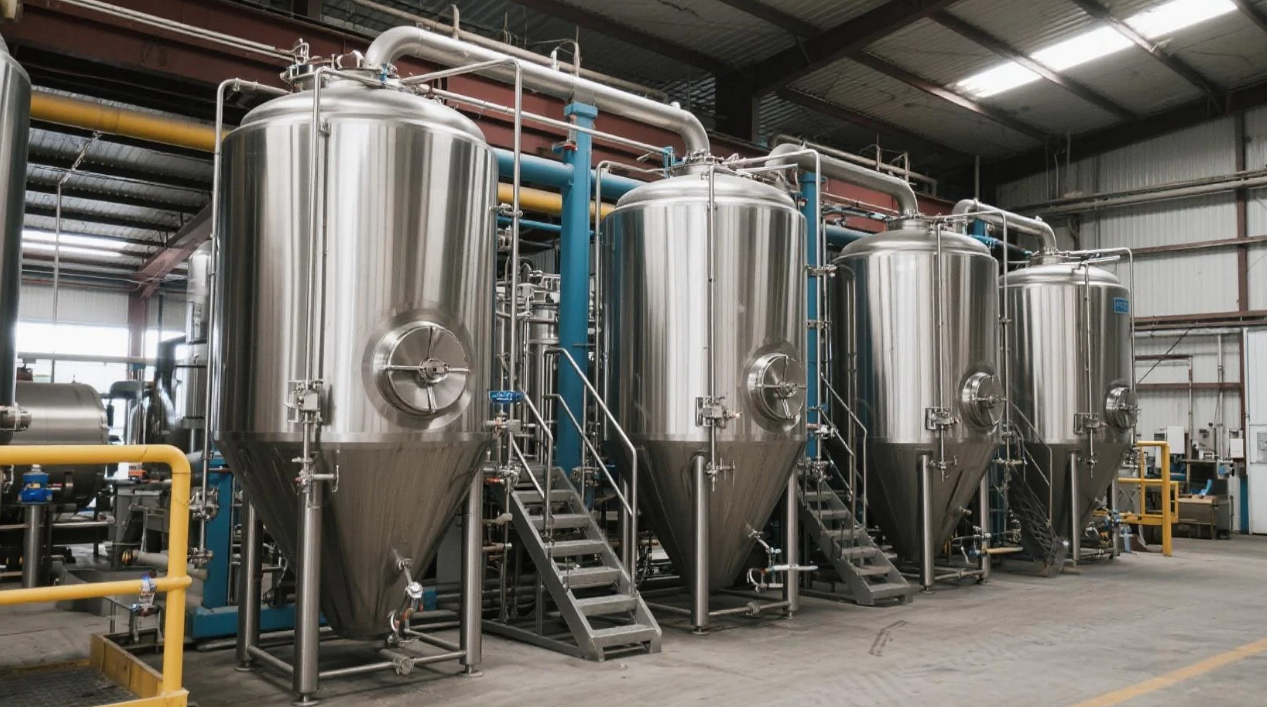
There is a peculiar kind of frustration that only a brewer knows: the moment you pull a sample from a new batch and the hydrometer reads 1.048 instead of 1.050, even though you weighed the same malt bill, used the same hop lot, and pitched yeast from the same slurry. The bitterness might be slightly […]
21
Jul
Jul
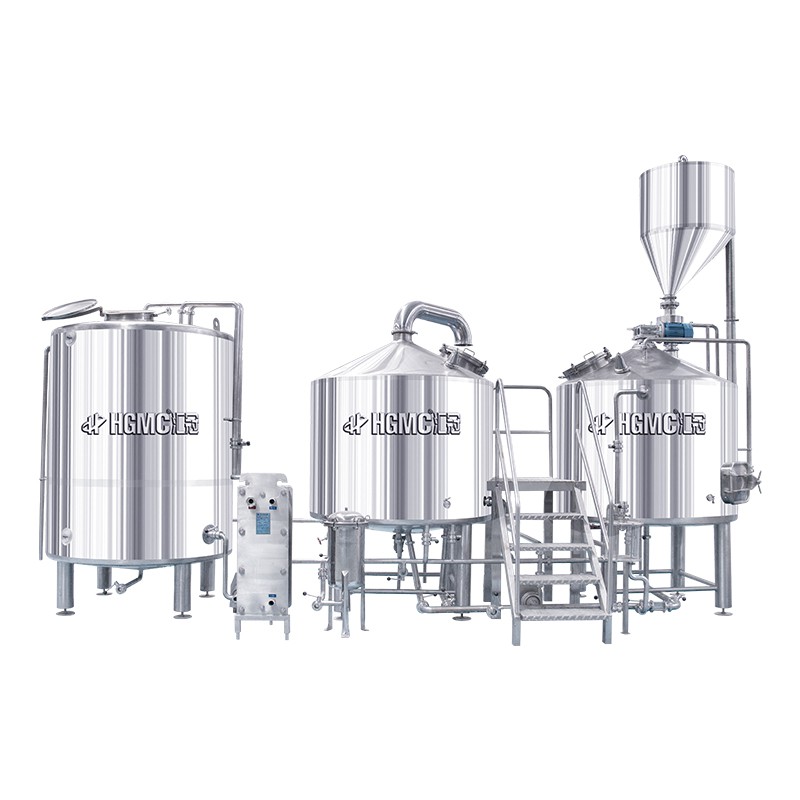
A brewery in Australia ordered what the supplier called a “complete” brewing line. The containers arrived with a brewhouse and tanks, but no CIP station. The glycol chiller was undersized for the local climate. The voltage conversion was never discussed. That “turnkey” system took three months of retrofitting before producing beer, and five batches were […]
20
Jul
Jul
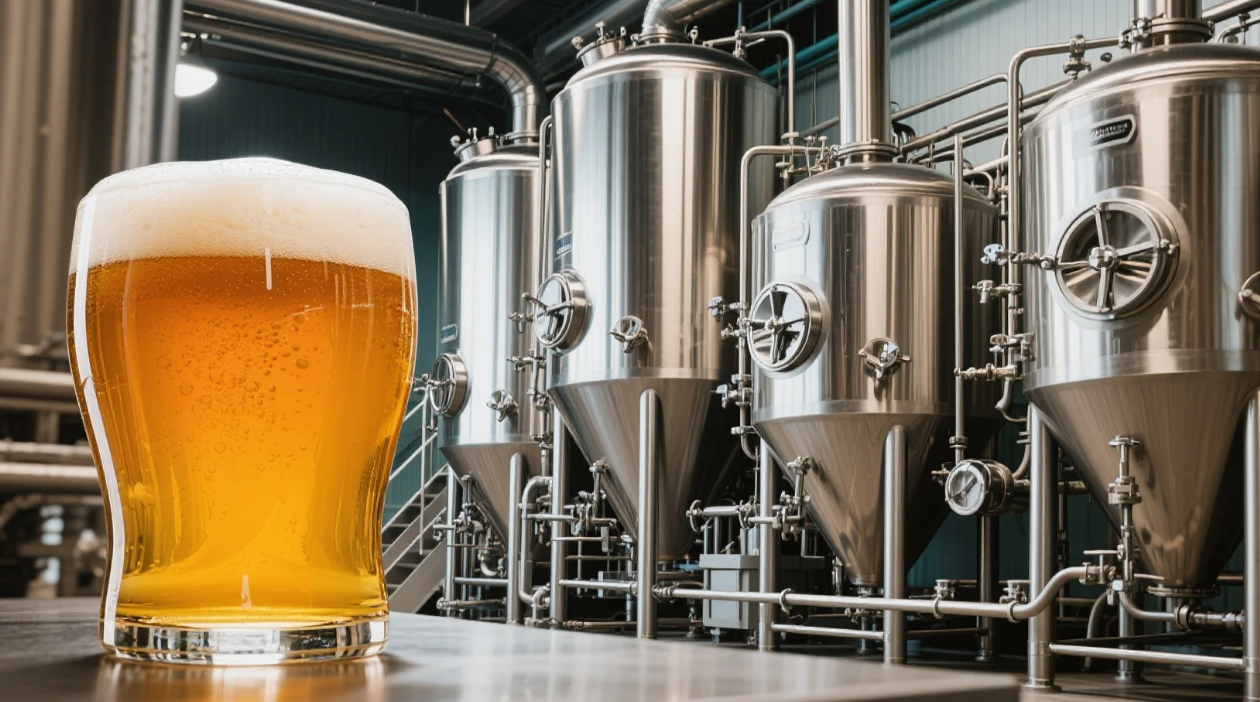
A 10-barrel batch that once felt generous now forces back-to-back brew days. The mash tun runs from 6 a.m., the kettle fires up again by noon, and by late afternoon the whirlpool is still spinning while you are already planning tomorrow’s schedule. The obvious fix is increasing production capacity with larger equipment, but every brewer […]
17
Jul
Jul
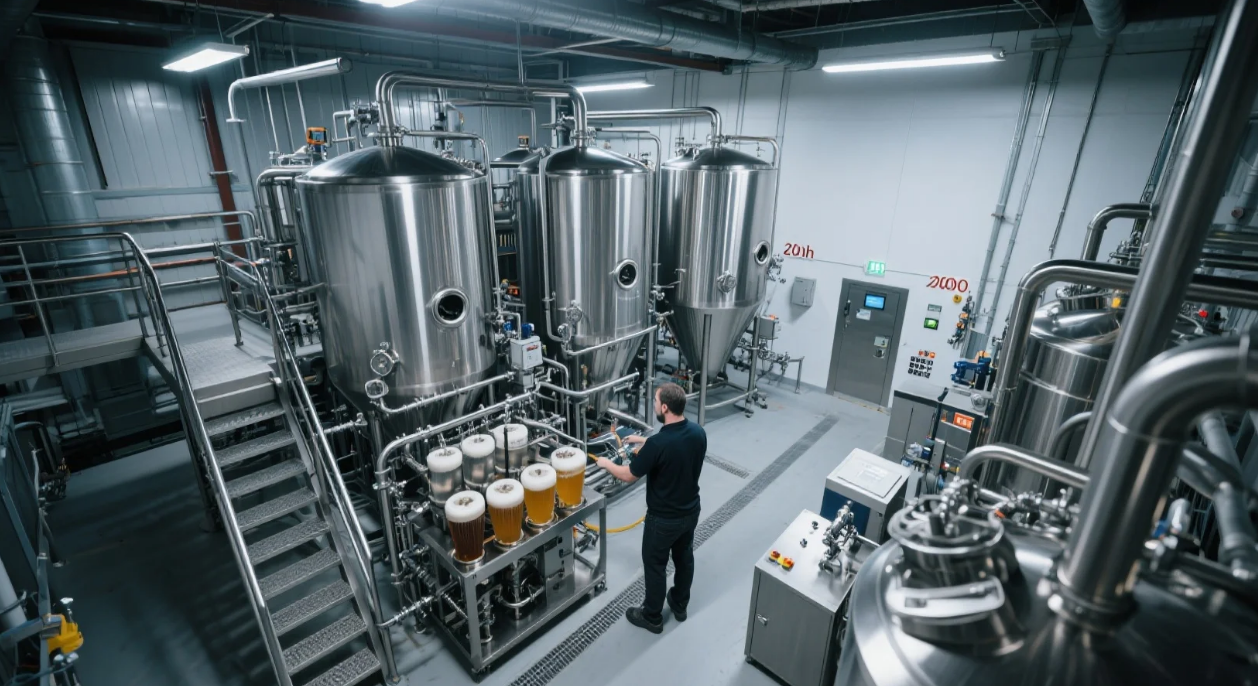
When a brewery starts planning its equipment purchase, the phrase “complete beer making equipment” rarely means the same thing to every brewer. Some envision a single brewhouse; others imagine a dozen tanks and a maze of piping. The operational friction lies in knowing which components are truly essential and how they must work together to […]
16
Jul
Jul
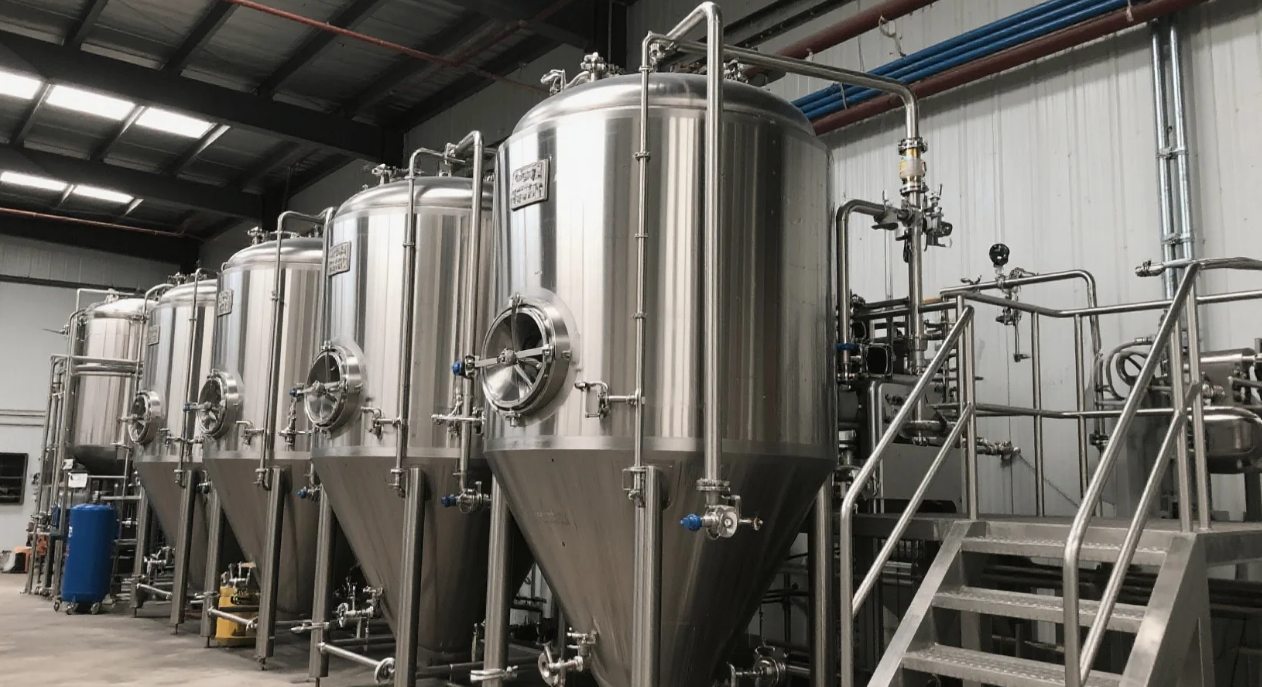
The 500L nano system worked fine for the first two years. Taproom crowds were consistent, local beer festivals brought in some recognition, and the small batch approach gave you room to experiment with recipes. Then the numbers shifted. You started selling out of your core IPA by Thursday evening. Local accounts wanted kegs delivered weekly. […]
15
Jul
Jul
Searching for “1000L brewing equipment cheap price” rarely means hunting for the lowest quote available. Most brewers know that a tank that costs half as much today can cost twice as much in lost batches within the first year. The real problem is telling the difference between genuine cost-effective equipment and a quote that looks […]
14
Jul
Jul
A brewery owner walks through the facility on a Thursday evening and sees the weekend schedule: three different beer styles, a hard seltzer run, and a request to test a non-alcoholic stout recipe. The old brewhouse can not switch between batches without hours of cleaning and reconfiguration, and the aging system temperature control is starting […]