
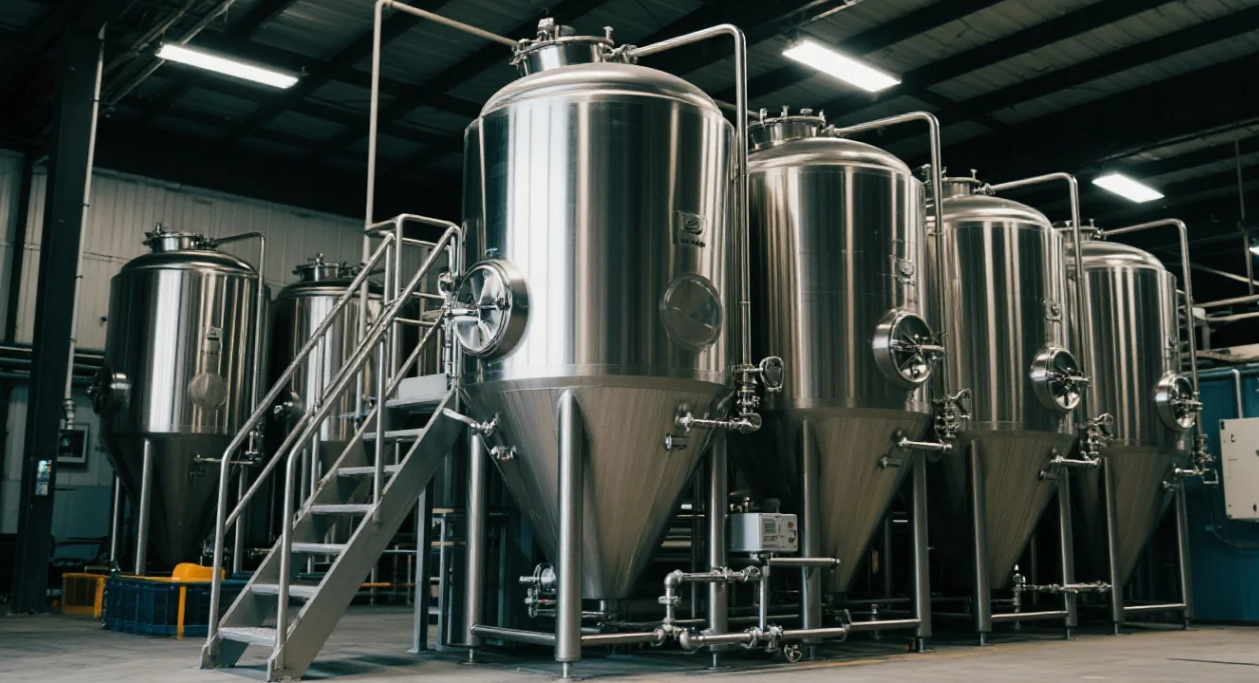
When a brewer starts planning a 500L brewery, the first search is usually for a single price tag. But that number, even if you find one, tells you almost nothing about what your actual project will cost. The gap between buying one tank and assembling a complete, commercially viable production line is where most budget […]
Category Archives: Hgmc Blog
07
Aug
Aug
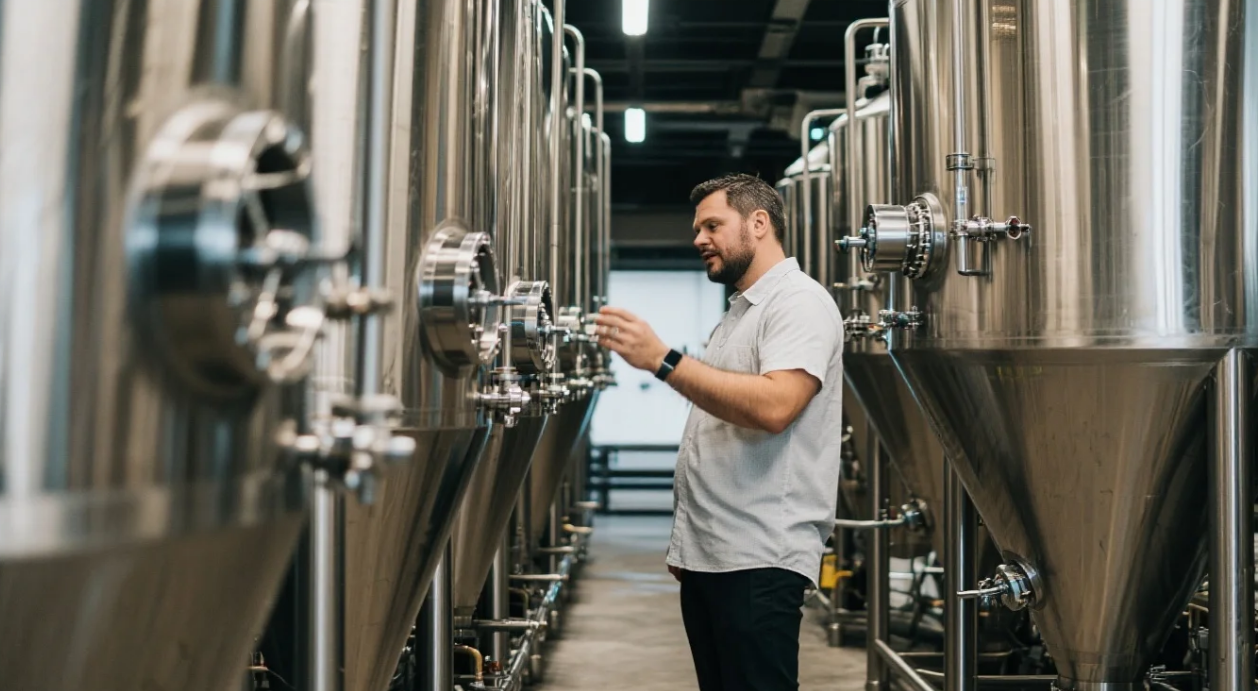
Scaling from 20hl to 200hl is not a linear upgrade. It is a structural shift that redefines how a brewery manages thermal load, workflow sequencing, and utility infrastructure. A 20hl system can function with a 3-vessel brewhouse and semi-automated controls. At 200hl, the same configuration creates production bottlenecks that compound across every shift. The operational […]
06
Aug
Aug
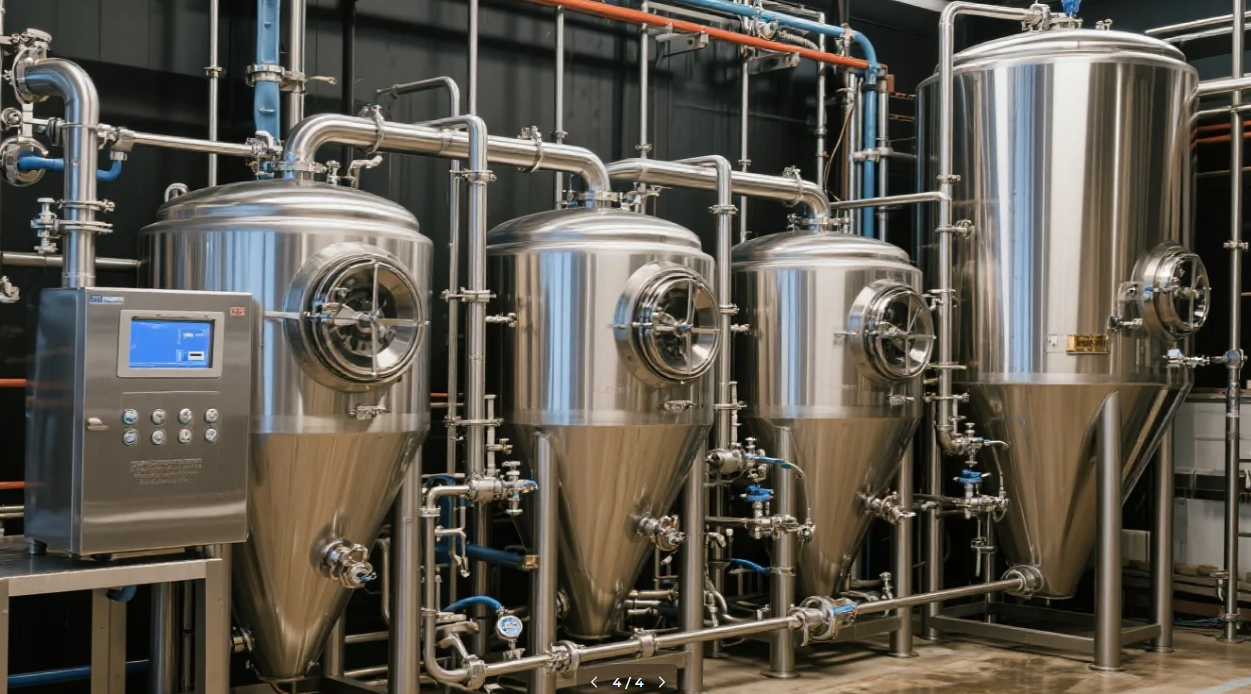
Opening a brewery traditionally means sourcing vessels, chillers, and controls from separate vendors—a process that introduces a 35–45% higher probability of integration failure and unforeseen overhead. The alternative is a turnkey brewery system that consolidates engineering, fabrication, and commissioning under a single framework, reducing lead times by 20–30% and eliminating interface friction between electrical, mechanical, […]
05
Aug
Aug
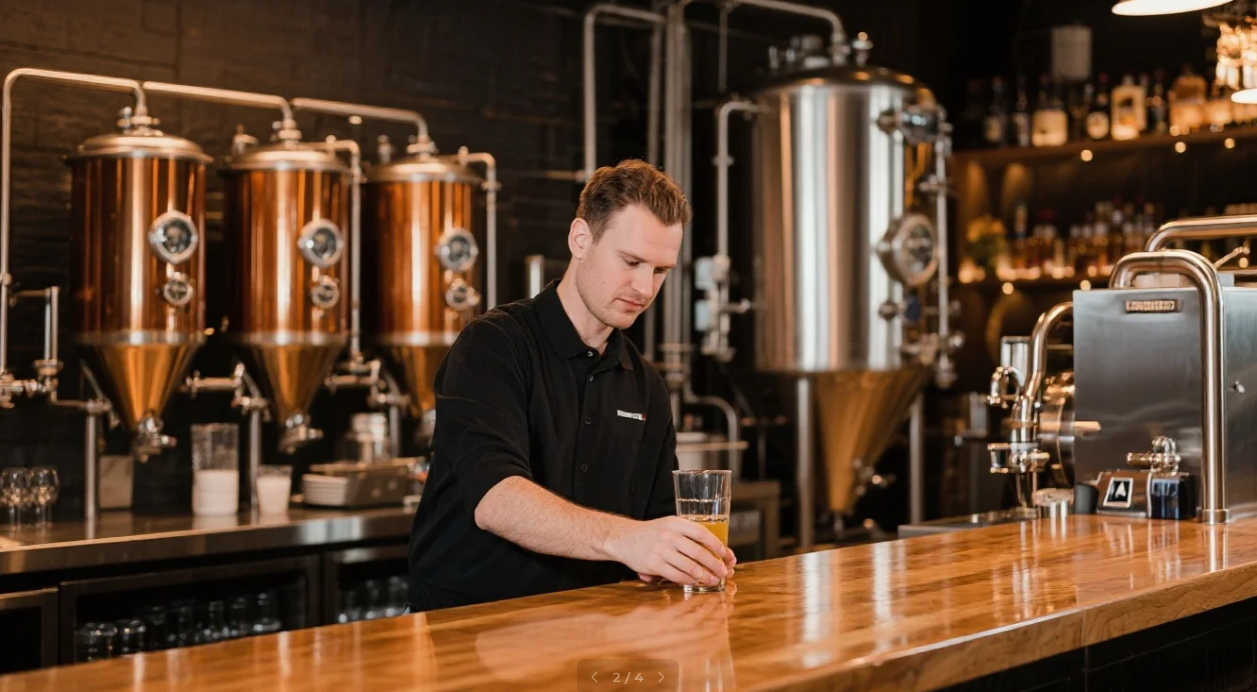
The hospitality sector is quietly undergoing a structural shift. Restaurants and hotels that once bought kegs from regional distributors are now installing compact brewing equipment behind their own walls. The global brewpub market is projected to grow at a CAGR of 8.2% through 2030, and the reasoning is straightforward: producing beer on-site can lift beverage […]
The morning shift at a small craft brewery starts the same way: checking which tanks are free, which beers are ready to transfer, and whether the next batch of wort has anywhere to go. When fermentation tanks are mismatched to batch size or layout, that morning check turns into a puzzle. Wort backs up, cleaning […]

01
Aug
Aug
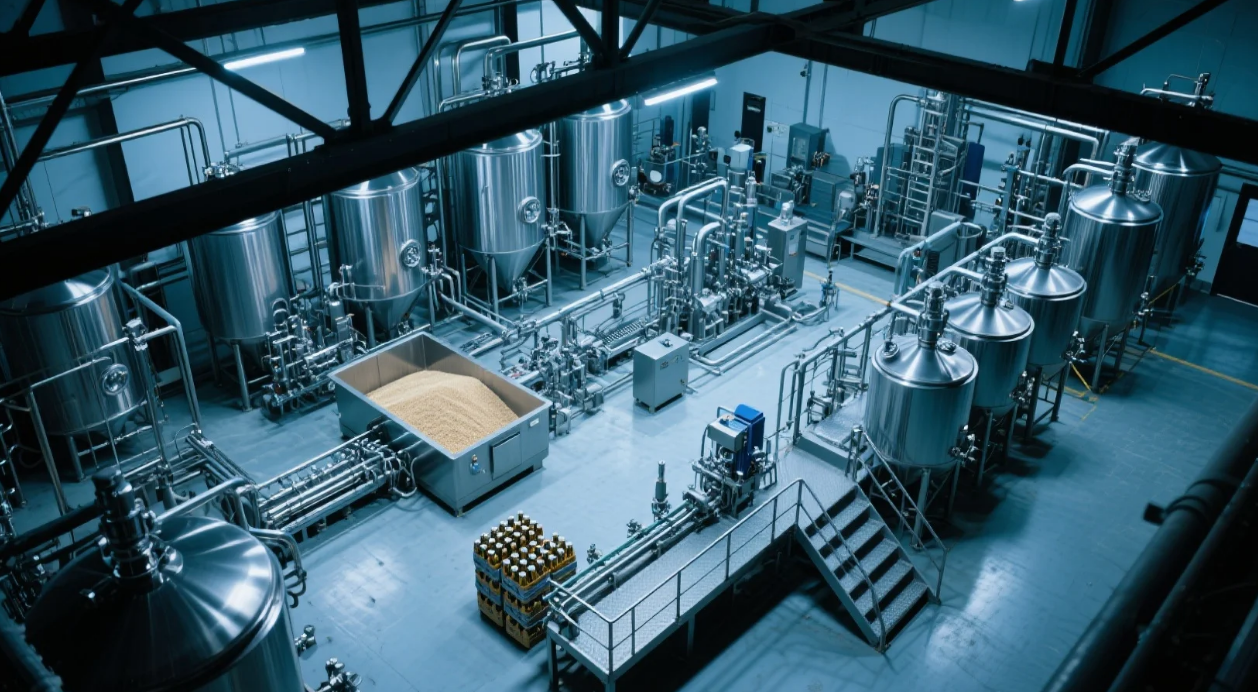
When a brewery moves from a 10-barrel pilot system to a 50-barrel production line, the equipment decision carries weight across every future batch. The wrong manufacturer means inconsistent output, regulatory headaches, and supply chain friction that compounds with each expansion. HGMC has built a reputation as a global supplier of brewing equipment, holding more than […]
31
Jul
Jul
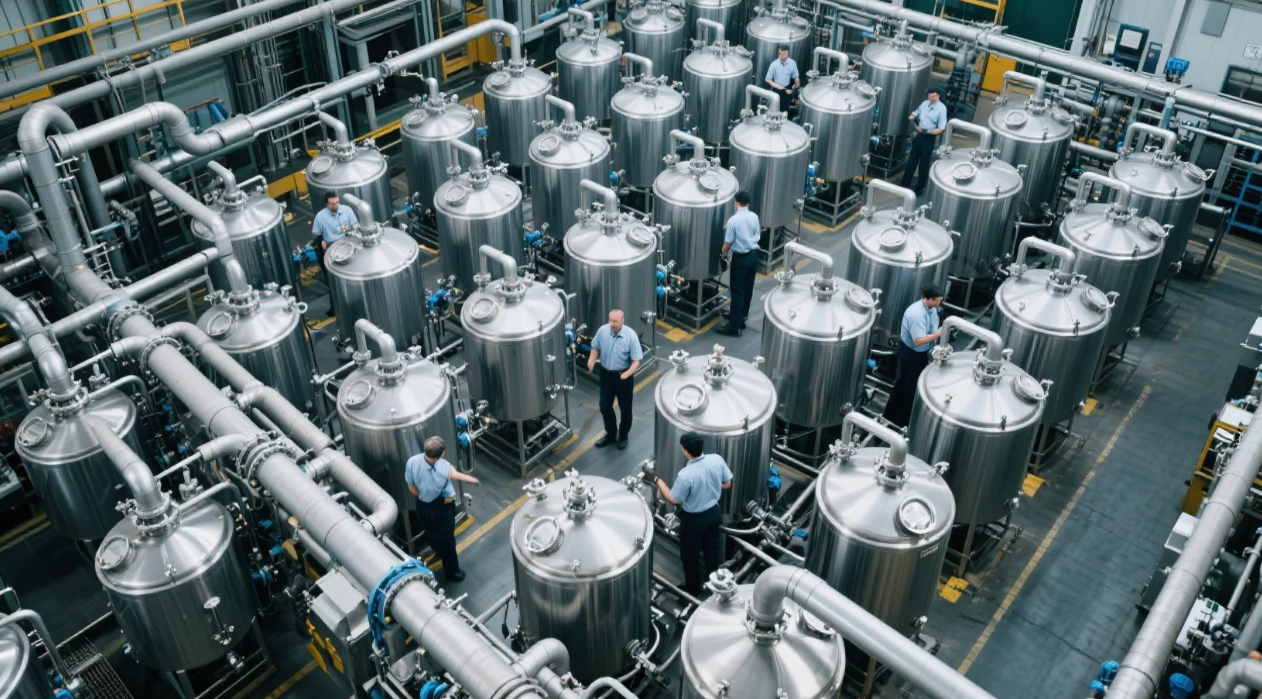
Most brewery projects begin the same way: an owner finds a tank at a good price, adds a mash tun from another supplier, and picks up a heat exchanger from a liquidation sale. Six months later, the brewhouse can barely keep up with the fermenters, the cleaning route forces staff to carry hoses across the […]
30
Jul
Jul
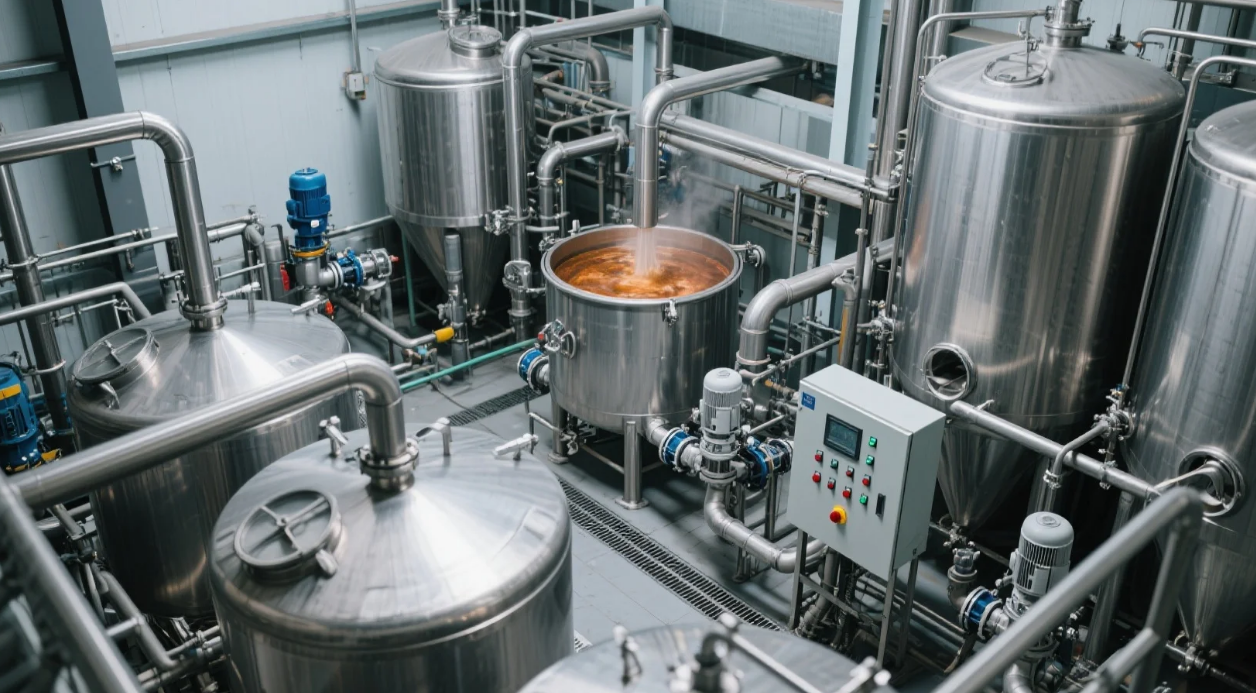
A brewery planning its first industrial-scale plant or a capacity expansion faces a decision that goes far beyond comparing prices. The Brewing Equipment Manufacturer shapes the brewhouse layout, cellar flow, cleaning routines, utility integration, and long-term reliability — yet many buyers initially focus only on vessel costs and delivery timelines. This article lays out the […]
29
Jul
Jul
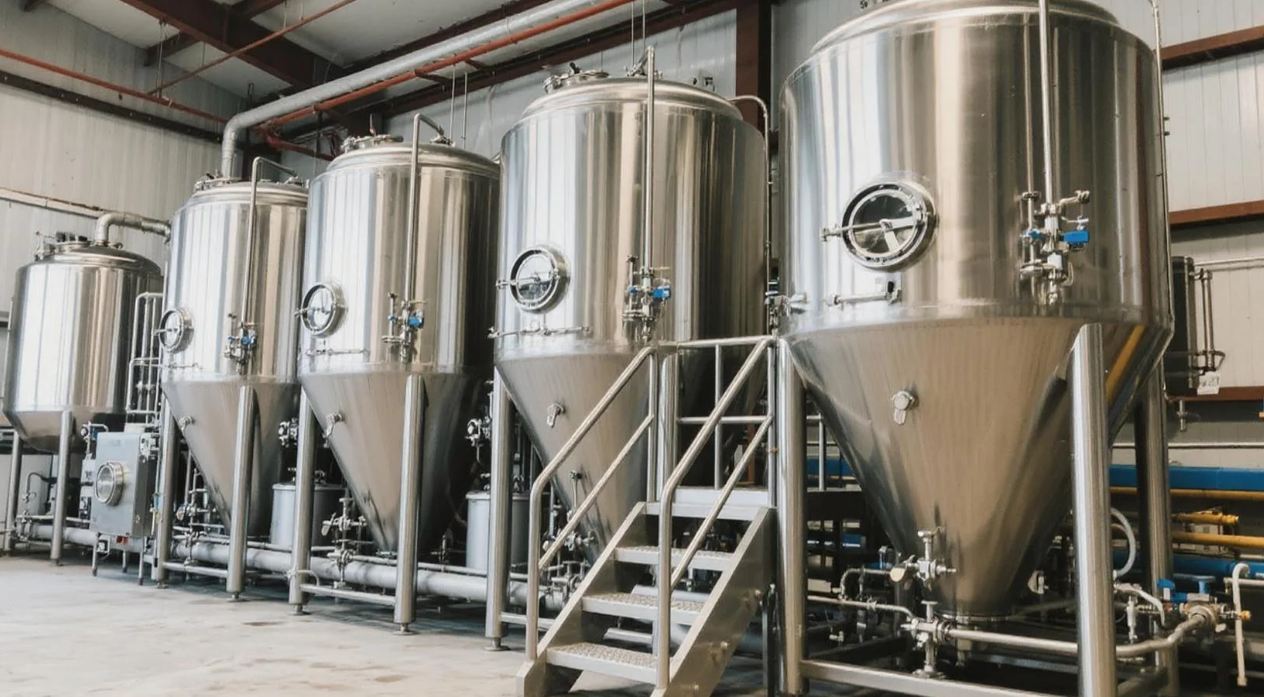
A brewery that has outgrown its 1,000-liter brewery system and is considering a jump to 10,000 liters often assumes the upgrade is just bigger tanks. The thinking goes: buy a larger brewhouse, add a few more fermenters, and volume goes up. In reality, a full 10,000-liter brewery system is a complete production system where brewhouse, […]
28
Jul
Jul
A brewery ordered a 10-barrel brewhouse from one supplier and bought six fermenters from another, chosen mainly by price and lead time. When the glycol chiller arrived, the tank count had already been set, and the cooling capacity was calculated against the wrong heat load. The result was a cellar that could not hold fermentation […]