
Introduction
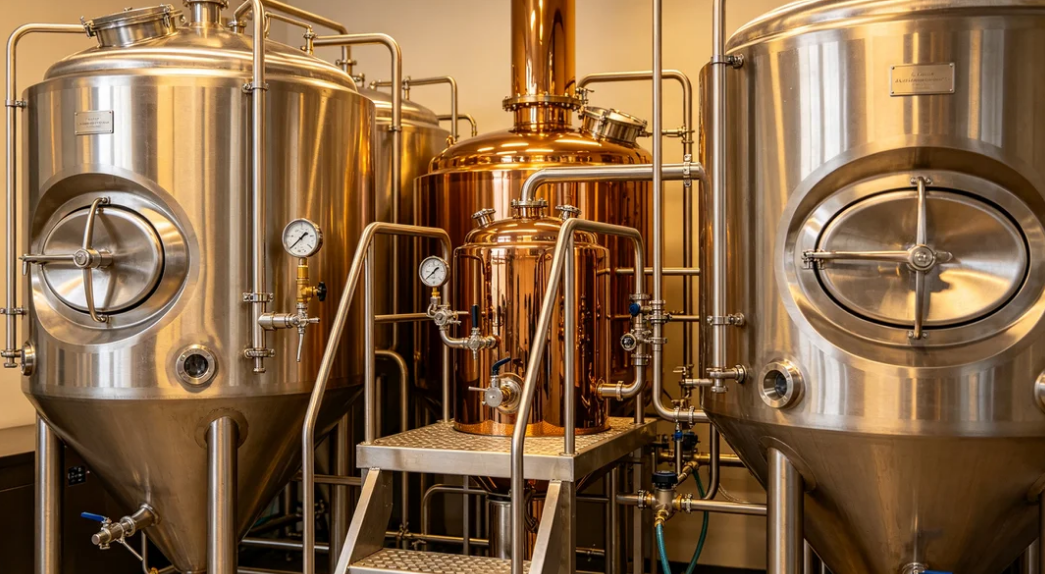
Choosing the right Micro Brewery Equipment is the foundation for building a successful craft beer business because equipment directly affects production capacity, beer quality, energy consumption, and future expansion. A complete micro brewery system should include a brewhouse, fermentation tanks, cooling system, CIP cleaning system, control system, and packaging equipment. Buyers should not only focus on equipment price but also consider production goals, brewery space, automation level, and long-term operating costs. Selecting a professional brewing equipment supplier can help breweries achieve stable production and improve market competitiveness.
What Is Micro Brewery Equipment and Why Is It Important for Brewers?
Micro Brewery Equipment is a complete brewing system designed for small and medium-scale beer production, allowing breweries to produce commercial-quality craft beer efficiently.
Unlike home brewing systems, micro brewery equipment is built for continuous production, higher efficiency, and better quality control. It is commonly used by:
- Craft breweries
- Brewpubs
- Restaurants and bars
- Beer startups
- Small beverage manufacturers
A complete micro brewery system usually combines multiple production sections, including raw material handling, wort production, fermentation, maturation, cooling, cleaning, and packaging. Each part works together to ensure consistent beer flavor and stable output.
For investors planning a brewery project, choosing unsuitable equipment may lead to:
- Low production efficiency
- Difficult operation
- Higher maintenance costs
- Limited future expansion
Therefore, professional equipment selection is one of the most important steps before starting brewery construction.
What Equipment Is Included in a Complete Micro Brewery System?
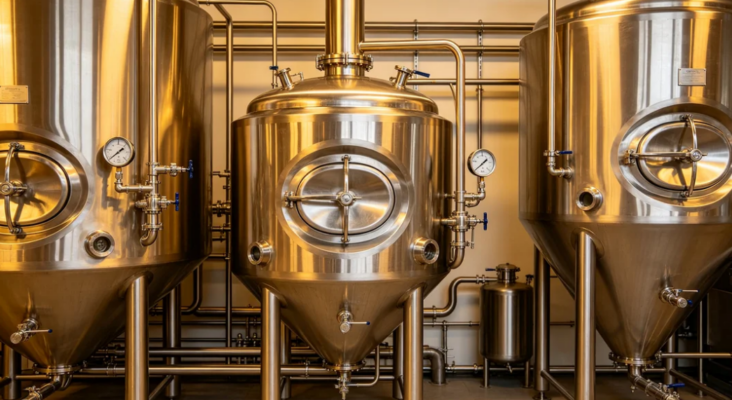
A complete micro brewery system should include brewing equipment, fermentation equipment, supporting utility systems, and packaging solutions.
Although different breweries require different configurations, most commercial micro brewery projects include the following core equipment:
| Equipment Category | Main Equipment | Function |
|---|---|---|
| Malt Handling System | Malt Mill, Grain Hopper, Conveyor | Crushing and transporting malt |
| Brewhouse System | Mash Tun, Lauter Tun, Brew Kettle, Whirlpool Tank | Producing wort |
| Fermentation System | Fermentation Tanks | Converting wort into beer |
| Maturation System | Bright Beer Tanks | Carbonation and beer storage |
| Cooling System | Glycol Chiller, Cooling Pipes | Maintaining fermentation temperature |
| Cleaning System | CIP Station | Cleaning tanks and pipelines |
| Control System | PLC Control Panel | Automated operation management |
| Packaging System | Keg Filler, Bottle Filler, Can Filler | Beer packaging |
A well-designed system should match the brewery’s planned output instead of simply purchasing the largest equipment available.
How Does the Brewhouse System Affect Micro Brewery Production Efficiency?
The brewhouse is the core production section of Micro Brewery Equipment because it determines wort quality, brewing efficiency, and daily production capacity.
The brewhouse is responsible for converting malt, water, and hops into wort before fermentation. A standard brewhouse normally includes:
Mash Tun
The mash tun mixes crushed malt with hot water to activate enzymes and convert starch into fermentable sugar.
A high-quality mash system provides:
- Accurate temperature control
- Improved sugar extraction
- Stable wort composition
- Better beer consistency
Lauter Tun
The lauter tun separates liquid wort from grain residue.
Professional systems usually include:
- Stainless steel false bottom
- Spray washing system
- Wort collection structure
This improves extraction efficiency and reduces raw material waste.
Brew Kettle
The brew kettle performs wort boiling and hop addition.
Its main functions include:
- Sterilizing wort
- Extracting hop bitterness
- Removing unwanted compounds
Whirlpool Tank
The whirlpool system separates hop particles and protein sediments after boiling, creating cleaner wort for fermentation.

What Types of Fermentation Tanks Are Needed for Micro Brewery Equipment?
Fermentation tanks are essential components because they determine beer quality, fermentation stability, and production capacity.
After wort cooling, yeast is added into fermentation tanks where sugar is converted into alcohol and carbon dioxide.
Common fermentation equipment includes:
Stainless Steel Fermentation Tanks
Stainless steel tanks are widely used because they provide:
- Corrosion resistance
- Easy cleaning
- Long service life
- Hygienic production conditions
Cylindrical Conical Fermenters (CCF)
Conical fermenters are the most popular choice for modern craft breweries.
Advantages include:
- Yeast collection from the cone bottom
- Better temperature control
- Reduced beer transfer operations
- Easier cleaning
Bright Beer Tanks
Bright tanks are used for:
- Beer maturation
- Carbonation
- Temporary storage before packaging
They help breweries improve beer clarity and maintain consistent quality.
How Should Buyers Compare Different Micro Brewery Equipment Sizes?
The correct equipment capacity depends on production targets, available space, investment budget, and future growth plans.
Below is a common comparison of micro brewery equipment configurations:
| Brewery Scale | Brewhouse Capacity | Fermentation Tank Size | Suitable Application |
|---|---|---|---|
| Small Micro Brewery | 300L-500L | 500L-1000L | Restaurants, brewpubs |
| Medium Micro Brewery | 1000L-2000L | 2000L-4000L | Commercial craft breweries |
| Growing Brewery | 3000L-5000L | 5000L-10000L | Regional beer brands |
| Expansion Brewery | 5000L+ | 10000L+ | Large distribution markets |
Small systems provide lower investment costs and flexible operation, while larger systems offer better production efficiency and lower cost per liter.
The ideal configuration should consider:
- Expected annual production
- Number of beer styles
- Fermentation cycle
- Market demand
- Available factory space
Which Material Should Buyers Choose for Micro Brewery Equipment?
High-quality stainless steel is the preferred material because it improves hygiene, durability, and equipment lifespan.
Most professional brewery equipment uses:
SUS304 Stainless Steel
Advantages:
- Excellent corrosion resistance
- Food-grade safety
- Easy cleaning
- Suitable for long-term operation
SUS316 Stainless Steel
Advantages:
- Higher corrosion resistance
- Suitable for special applications
- Used in demanding production environments
For most craft breweries, SUS304 stainless steel provides the best balance between performance and cost.
Why Are Cooling and CIP Systems Important in Micro Brewery Equipment?
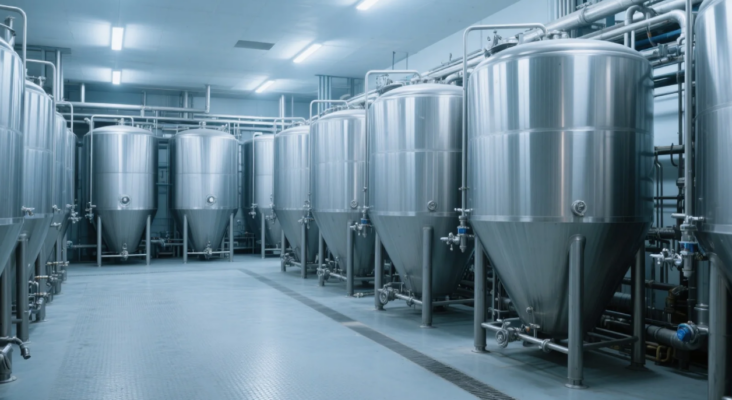
Cooling and cleaning systems directly influence beer consistency and production safety.
Glycol Cooling System
Temperature control is critical during fermentation because yeast performance depends heavily on fermentation temperature.
A glycol system includes:
- Glycol chiller
- Pumps
- Cooling jackets
- Temperature sensors
It helps maintain stable fermentation conditions.
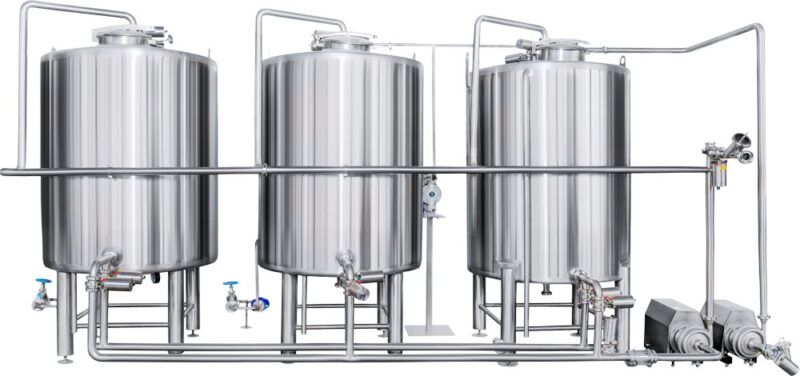
CIP Cleaning System
The CIP system allows breweries to clean tanks and pipelines without disassembly.
Benefits include:
- Reduced labor costs
- Improved sanitation
- Faster production turnover
- Lower contamination risk
A professional brewery cannot maintain stable production without reliable cleaning and temperature control systems.
How Should Buyers Choose a Reliable Micro Brewery Equipment Manufacturer?
Choosing an experienced brewery equipment manufacturer reduces project risks and improves long-term operating performance.
Before purchasing equipment, buyers should evaluate:
Manufacturing Experience
Experienced suppliers usually provide:
- Better engineering solutions
- Professional installation support
- Customized designs
Equipment Quality
Buyers should check:
- Stainless steel thickness
- Welding quality
- Tank pressure design
- Component brands
After-Sales Service
Reliable suppliers should provide:
- Installation guidance
- Technical support
- Spare parts supply
- Equipment maintenance assistance
A brewery system is a long-term investment, so supplier capability is as important as equipment price.
Conclusion: What Micro Brewery Equipment Should Buyers Choose?
The best Micro Brewery Equipment is not the cheapest system but the one that matches production requirements, beer styles, and future business development plans.
A complete micro brewery solution should include:
- Efficient brewhouse system
- Reliable fermentation tanks
- Stable cooling system
- Professional CIP cleaning
- Suitable automation level
- Flexible expansion capability
By selecting the right equipment configuration and working with an experienced manufacturer, breweries can improve production efficiency, maintain beer quality, and build a sustainable brewing business.
Frequently Asked Questions About Micro Brewery Equipment
1. What equipment is needed to start a micro brewery?
A complete micro brewery usually requires a brewhouse system, fermentation tanks, bright beer tanks, glycol cooling system, CIP cleaning system, pumps, control panel, and packaging equipment. The exact configuration depends on production capacity and business goals.
2. How much does Micro Brewery Equipment cost?
The cost depends on brewery size, automation level, tank quantity, materials, and additional equipment. Small systems may require lower investment, while commercial systems with automation and packaging lines require a larger budget.
3. What size Micro Brewery Equipment should a startup brewery choose?
Most startup breweries choose systems between 300L and 2000L because these capacities provide a balance between investment cost and commercial production ability. Buyers should consider market demand and expansion plans before selecting capacity.
4. How long can Micro Brewery Equipment last?
High-quality stainless steel brewery equipment can typically operate for many years with proper maintenance. Regular cleaning, inspection, and replacement of wearing parts can significantly extend equipment service life.
