
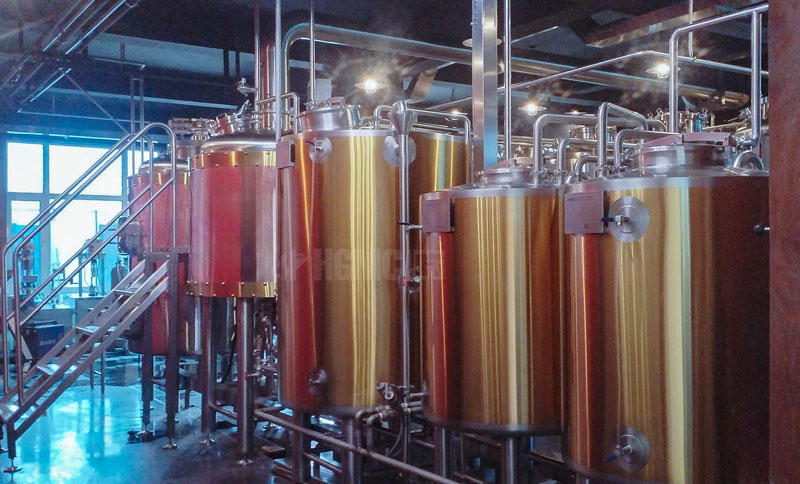
Beer brewing equipment is at the heart of every successful brewery project. Whether you are planning a 10 bbl microbrewery or a large regional plant, decisions made before day one will determine your operational efficiency, safety, and long‑term profitability. This guide walks through brewery building design basics, from utilities and layout to taproom flow and automation, with a focus on beer brewing equipment selection and planning that aligns with Google SEO best practices and real-world industry data.
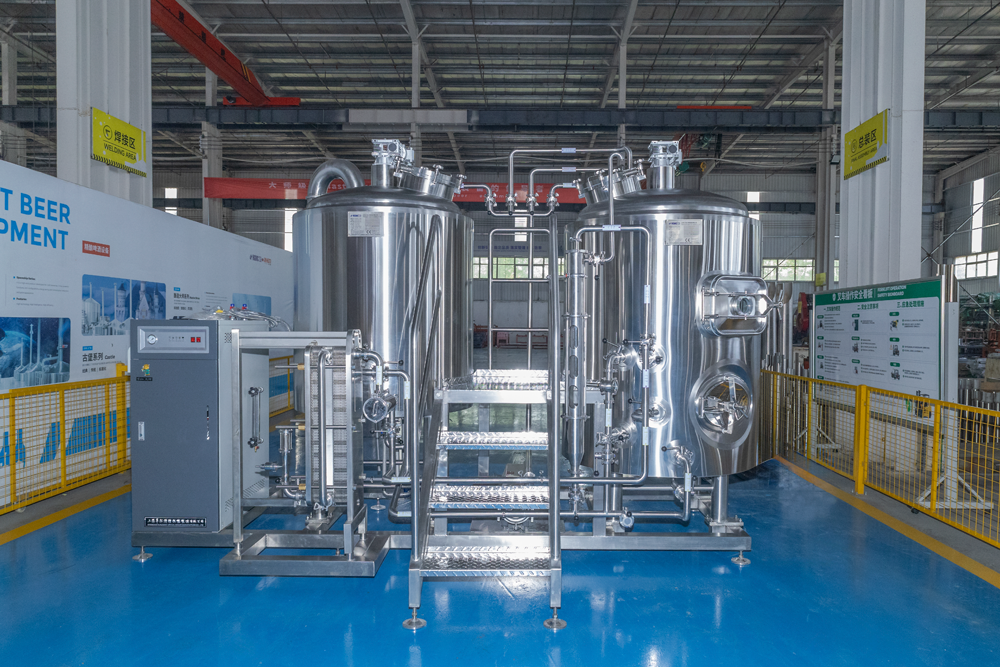
What should a brewery building include from day one?
From the first day you sign a lease or break ground, your brewery building should be designed around process flow, utilities, and future expansion. Retrofitting later is far more expensive than planning correctly up front.
Core must‑haves
- Clear process flow from malt delivery to packaged beer
- Proper floor loads and drainage where brewhouse and tanks will sit
- Adequate ceiling height for fermenters and grain handling
- Utility infrastructure (power, water, compressed air, steam or direct fire) sized for your beer brewing equipment
- Safety and access for staff, customers, and vehicles
- Code‑compliant structure (fire separation, occupancy, ADA access, egress routes)
According to industry surveys from trade groups such as the Brewers Association, the breweries that survive and grow tend to be those that plan for scalability from the beginning, rather than only for the first year of production. Well‑planned facilities report lower downtime, fewer safety incidents, and smoother expansions.
Brewery design basics: how do you utilize the space without regrets?
Many new brewers regret that they did not plan for future tanks, more cold storage, or safer material handling routes. Space utilization is about more than “fitting the equipment in.” It is about optimizing flow.
Key principles of brewery space design
- Linearity of processDesign the layout so beer moves in one direction:
- Malt intake → Milling → Mashing → Lautering → Boiling → Whirlpool
- → Wort chilling → Fermentation → Conditioning → Packaging → Cold storage → Shipping
- Dedicated zones
- Hot side: brewhouse, hot liquor tank, boiler or heaters
- Cold side: fermenters, bright tanks, cold room
- Packaging: canning/bottling/kegging lines, labelers
- Support: CIP station, chemical storage, maintenance area
- Room to growLeave space for at least:
- 25–50% more fermentation capacity than planned in year one
- Extra glycol drops and power outlets for future tanks
- Expansion of cold storage and packaging lines
- Minimize cross‑trafficForklifts, customers, and staff should not cross each other’s primary paths. Clear separation reduces accidents and improves efficiency.
Utility requirements for brewing: water line, power, drains, and steam
Brewing is utility‑intensive. Under‑sized or poorly planned utilities are among the most expensive mistakes to fix later.
Water requirements
Breweries typically use 3–7 liters of water for every liter of beer produced, depending on efficiency and cleaning practices. Modern, efficient breweries aim for the lower end of that range.
Example: A 20 hl (approximately 17 bbl) brewhouse running one turn per day, five days per week can easily require 30,000–60,000 liters of water per week, considering brewing, cleaning, and utilities.
Key water considerations:
- Flow rate: Sufficient flow for hot liquor tank filling, CIP, and simultaneous processes
- Water quality: Filtration, softening, and treatment to hit target profiles for different beer styles
- Backflow prevention and local code compliance
Power requirements
Beer brewing equipment can include pumps, motors, grain handling systems, refrigeration compressors, and packaging lines. Plan for:
- Three‑phase power whenever possible (commonly 208 V, 380–415 V, or 480 V, depending on country)
- Dedicated circuits for:
- Brewhouse control panel
- Glycol chiller
- Packaging equipment
- Boilers or electric heating elements
- A 20–30% capacity buffer for future expansion
Drains and wastewater
Floor drains are non‑negotiable in wet zones.
- Use trench drains or point drains with proper slope (commonly 1–2%)
- Separate high‑strength wastewater (CIP, trub, yeast) where required by local regulations
- Install screens and solids capture to protect municipal sewer and avoid clogs
- Ensure all drains are chemical‑resistant and serviceable
Steam, gas, or electric?
Your choice of heat source for the brewhouse impacts building and utility design:
- Steam systems
- Require a boiler room, flues, and strict code compliance
- Excellent temperature control and scale well for larger breweries
- Direct‑fire gas
- Simpler installation but require combustion air and flue routing
- Often used for small to mid‑size brewhouses
- Electric
- Clean and simple, but demand strong electrical infrastructure
- Useful where gas and steam are difficult or heavily regulated
Inside the brewery: mapping the brewing process from malt to glass
Designing around the brewing process helps you determine where each piece of beer brewing equipment should go.
Step‑by‑step process mapping
- Raw material intake and storage
- Bulk malt silo or bagged malt pallets
- Separate storage for specialty malts, hops (cold), and adjuncts
- Milling and grist handling
- Locate the mill near malt storage
- Dust control and explosion‑proofing as required by local regulations
- Grist case positioned above or near the mash tun
- Mash, lauter, and kettle operations
- Compact brewhouse skid or individual vessels
- Access for grain out, kettle cleaning, and whirlpool trub removal
- Wort cooling and transfer
- Plate heat exchanger sized for your batch size and groundwater temperature
- Properly pitched hard piping to fermenters
- Oxygenation or aeration system at the outlet of the chiller
- Fermentation and conditioning
- Fermentation tanks sized and numbered based on your production plan
- Bright beer tanks for clarification and packaging feed
- Packaging and storage
- Keg washer/filler, canning or bottling line
- Finished goods cold storage near the loading dock for efficient logistics
Brewhouse and cellar layout: fermenters, fermentation tanks, and conditioning tanks
Your brewhouse and cellar layout should balance efficiency, safety, and flexibility.
Brewhouse zone
- Consolidate mash tun, lauter tun, kettle, and whirlpool to minimize piping lengths
- Provide operator platforms and safe access to manways
- Leave room for:
- A larger brewhouse in the future, or
- Additional vessels (e.g., separate whirlpool, decoction mash vessel)
Fermentation and conditioning
The ratio of fermenters to brewhouse size determines how many turns per week you can run. Many growing breweries operate with 2–4 times as much fermentation volume as brewhouse volume.
Example layout metrics (illustrative)
| Equipment type | Typical height | Space buffer around tank | Notes |
|---|---|---|---|
| ————————- | —————: | ————————– | ————————————– |
| 10 bbl fermenter | 3.2–4.0 m | 0.6–0.9 m | Access for valves and CIP |
| 20 bbl fermenter | 4.0–5.0 m | 0.6–1.0 m | Check ceiling height and rigging |
| Bright beer tank | Similar to FVs | 0.6–0.9 m | Position near packaging line |
Glycol piping should be routed overhead or along walls with drops to each tank. Plan a glycol system with capacity for current and planned future tanks, not only the initial set.
Taproom and customer flow: where does the front‑of‑house fit?
For many craft breweries, taproom sales are a major revenue source. Public data from industry groups in North America and Europe shows that breweries with taprooms often achieve higher margins on beer sold on‑site compared to distribution.
Taproom layout principles
- Entrance flow: Easy access from parking or street to taproom, with clear signage
- Bar placement: Bar close to cold room and draft system to minimize line lengths
- View into the brewery: Many customers love seeing the brewhouse and tanks, but:
- Maintain physical barriers for safety
- Prevent customers from entering wet or forklift zones
Separating guests from production
Use demarcation lines, railings, or glass walls so visitors can see the beer brewing equipment without interfering with operations. This supports:
- Better safety record
- Cleaner production areas
- A more professional brand image
Material handling and safety: forklift lanes, loading dock, and moving materials
A brewery is a logistics operation as much as a production facility. Malt, hops, packaging materials, chemicals, and finished products are constantly moving.
Forklift and pallet jack planning
- Design clear, straight forklift lanes from loading dock to:
- Malt and ingredient storage
- Packaging area
- Cold storage
- Keep forklift routes separate from taproom entrances and customer areas
- Provide turning radiuses appropriate for your equipment
Loading dock and receiving
- If possible, include a dock‑height bay for trucks
- If not, plan a ramp or grade‑level solution with safe loading practices
- Provide covered unloading where climate or product sensitivity requires it
Safety fundamentals
- Non‑slip floors in wet areas
- Guardrails on platforms and stairs
- Clearly marked chemical storage and eye‑wash stations
- Lock‑out/tag‑out procedures for critical equipment
- Adequate lighting in all work areas
Industry safety data from manufacturing and logistics sectors consistently shows that clear traffic separation, well‑marked walkways, and proper training significantly reduce incidents and insurance costs.
Building style choices: metal building vs traditional commercial buildings
Your building style affects cost, timeline, and flexibility.
Metal building (pre‑engineered steel)
Pros:
- Often lower cost per square meter
- Faster installation and easier to expand
- Open spans suitable for tall tanks and overhead piping
Cons:
- May require more design work to create a premium taproom aesthetic
- Insulation and condensation control are critical
Traditional commercial buildings (concrete, brick, or existing retail/warehouse)
Pros:
- Can provide a “historic” or upscale look
- May include existing utilities and drainage (depending on previous use)
- Often good for urban or mixed‑use taproom locations
Cons:
- Structural limits on ceiling height and floor loading
- Retrofitting drains and utilities can be costly
- Limited options for expanding the footprint
The right choice depends on your brand, budget, desired location, and local real estate market. Many production‑focused breweries choose metal buildings on the edge of town, while taproom‑centric brands may prefer renovated commercial or industrial spaces.
Project management for new breweries: timeline, permits, and local code
Building a brewery is not just about installing beer brewing equipment. It is also a complex construction and regulatory project.
Typical high‑level timeline (illustrative)
| Phase | Approx. duration |
|---|---|
| Concept, feasibility, business plan | 1–3 months |
| Site selection and lease/purchase | 1–6 months |
| Design and engineering | 2–4 months |
| Permits and approvals | 2–6+ months (varies) |
| Construction and utilities | 4–8+ months |
| Equipment manufacturing and delivery | 3–6+ months |
| Installation, commissioning, training | 1–3 months |
Timelines vary widely by country and region, especially for alcohol licensing and environmental permits. Publicly reported case studies from brewery projects highlight that permitting and utilities are among the most common causes of delay.
Working with local code and regulators
- Collaborate early with:
- Building authorities
- Fire marshal or fire safety officials
- Environmental/wastewater authorities
- Alcohol licensing agencies
- Share equipment data sheets and process descriptions so they can evaluate:
- Fire load and ventilation needs
- Boiler and pressure vessel requirements
- Wastewater strength and volume
- Occupancy and egress for the taproom
Automation and service planning: making your system easier to run
Modern breweries increasingly adopt automation and data monitoring to improve consistency and reduce labor.
Levels of automation for beer brewing equipment
- Manual systems
- Basic controls, manual valve operation
- Lower initial cost, higher reliance on operator skill
- Semi‑automatic systems
- Programmable temperature controls, pump sequencing, and alarms
- Logging of batch parameters and trends
- Fully automated brewhouses and cellars
- Recipe‑driven mashes and boils
- Automatic valve control and CIP routines
- Integration with ERP or production planning software
Studies from manufacturing sectors show that effective automation typically improves consistency, yields, and labor productivity, especially beyond a certain production volume. For small breweries, targeted automation (glycol control, brewhouse temperature steps, CIP) often delivers the best return without over‑complicating operations.
Designing for service and maintenance
When planning your layout:
- Leave service aisles behind and between tanks and brewhouse skids
- Ensure easy access to:
- Pumps and seals
- Glycol valves and manifolds
- Control panels and sensors
- Document all utilities and piping runs for future troubleshooting
Good access for service reduces downtime and increases the life of your equipment investment.
Example data visualization ideas for your brewery project
To communicate with investors, partners, or internal stakeholders, you can use simple charts and icons to show analysis data. Here are some examples you can implement on your website:
- Water use efficiency chart
- Bar chart comparing:
- Typical brewery: 6–7 L water / L beer
- Efficient brewery: 3–4 L water / L beer
- Your design target: 3.5–4.5 L water / L beer
- Bar chart comparing:
- Space allocation pie chart
- Production area vs. packaging vs. cold storage vs. taproom vs. support
- Timeline infographic
- Linear timeline with icons for design, permits, construction, installation, and first brew day
These visualizations help make your article more authoritative and easier to understand for readers who are not engineers but care about sustainability, budget, and scheduling.

FAQ: Common questions about brewery buildings and beer brewing equipment
Q1: How much space do I need for a small brewery?
For a small production‑plus‑taproom brewery (for example, a 10–20 bbl brewhouse), many consultants suggest planning at least 280–460 square meters (3,000–5,000 square feet), depending on packaging, taproom size, and future expansion goals. Highly automated or packaging‑heavy operations may require more space.
Q2: How high should the ceiling be for fermenters?
Ceiling height commonly needs to be 4–6 meters (13–20 feet) to accommodate vertical fermenters, piping, and rigging space. For larger systems or stacked utilities (catwalks, overhead glycol, cable trays), even greater heights are helpful.
Q3: What utilities should I plan before ordering beer brewing equipment?
You should plan:
- Sufficient electrical capacity (three‑phase where possible)
- Water supply with good flow and consistent quality
- Drainage and wastewater treatment or pretreatment
- Steam, gas, or electric service for heating
- Compressed air for valves and packaging lines
- Glycol refrigeration for tanks and cold rooms
Providing your equipment supplier with a clear utility spec sheet helps match your building design with the right system.
Q4: How do I make the brewery safe for both workers and customers?
Focus on:
- Separate production and public zones
- Non‑slip, well‑drained floors
- Clear forklift and pedestrian routes
- Proper guarding, railings, and signage
- Staff training and documented procedures
Safety is not only a regulatory requirement. It also protects your people and your brand reputation.
Q5: Is automation necessary for a small brewery?
Automation is not mandatory, but targeted automation can be very valuable:
- Automated temperature control for fermenters
- Programmable mash and boil steps
- CIP skids for consistent cleaning
Start with the level of automation that fits your budget and team. Make sure the control system and wiring allow for upgrades later.
Conclusion: Build your brewery around the process and the equipment
Designing a brewery building is more than choosing a nice taproom or placing tanks wherever they fit. A truly efficient, safe, and scalable brewery is built around the brewing process and the beer brewing equipment from day one.
By:
- Planning utilities properly
- Mapping a clear process flow
- Separating production, logistics, and customer spaces
- Choosing the right building type
- Managing permits and project phases professionally
- And designing for automation and service
you create a facility that supports high‑quality beer, reliable operations, and long‑term growth.
Use this guide as a framework when discussing your project with architects, engineers, and equipment suppliers. With solid planning and data‑driven decisions, your new brewery can run smoothly today and expand confidently in the future.
