
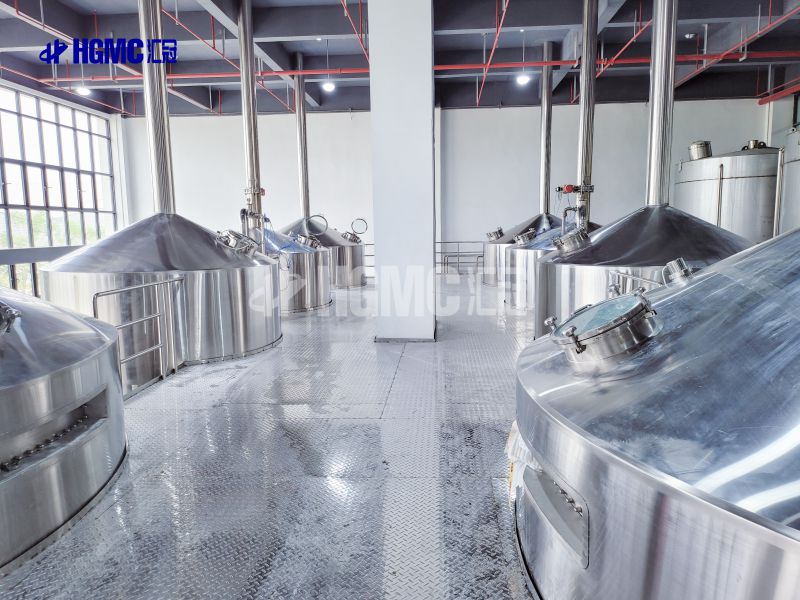
Discover 10 essential tips for selecting the right brewery equipment supplier. Learn how to evaluate experience, reliability, warranties, and pricing to ensure long-term success. Expert guide with data-backed insights.
Choosing the right brewery equipment supplier is one of the most critical decisions for any brewing operation—whether you’re launching a startup craft brewery or expanding an established production facility. The supplier you select will impact your production quality, operational efficiency, maintenance costs, and ultimately, your bottom line for years to come.
According to the Brewers Association’s 2025 Industry Report, over 68% of brewery failures in their first three years can be traced back to equipment-related issues, including poor supplier selection, inadequate after-sales support, and equipment that doesn’t scale with business growth. This comprehensive guide provides 10 data-backed tips to help you make an informed decision when selecting brewery equipment suppliers.
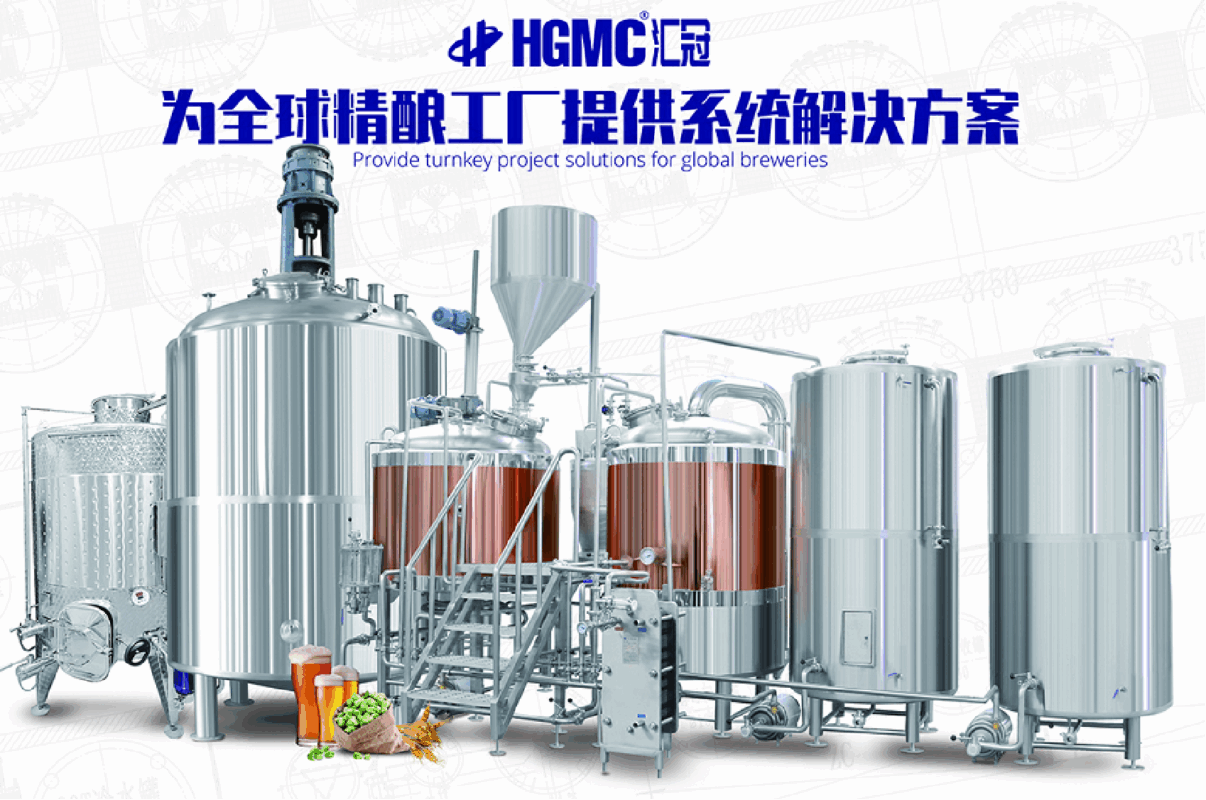
1. Factors to Consider When Selecting Brewery Equipment Suppliers
Selecting a brewery equipment supplier requires a systematic evaluation of multiple factors that will affect your operations both immediately and long-term.
Key Selection Criteria
Production Capacity Alignment
Your supplier must understand your current production needs and future growth projections. Industry data from the Master Brewers Association of the Americas (MBAA) indicates that breweries typically expand capacity by 150-200% within their first five years of operation. Your supplier should offer scalable solutions that accommodate this growth.
Technical Specifications and Standards Compliance
Ensure suppliers provide equipment that meets international standards:
- ASME (American Society of Mechanical Engineers) certification for pressure vessels
- CE marking for European markets
- ISO 9001 quality management certification
- 3-A Sanitary Standards for dairy and food equipment
- FSMA (Food Safety Modernization Act) compliance
According to the Brewers Association, equipment that meets these standards reduces the risk of production shutdowns due to regulatory issues by 73%.
Manufacturing Capabilities
Evaluate whether the supplier manufactures equipment in-house or sources from third parties. Direct manufacturers typically offer:
- 20-30% better pricing on custom modifications
- Faster turnaround times (average 8-12 weeks vs. 16-20 weeks)
- Better quality control and consistency
- Direct access to engineering teams for troubleshooting
2. Importance of Supplier Experience in Brewery Equipment Industry
Supplier experience directly correlates with equipment quality, project success rates, and long-term operational efficiency.
Why Experience Matters
Industry Track Record
Suppliers with 10+ years in the brewery equipment industry bring invaluable expertise:
- Deep understanding of brewing processes and equipment integration
- Proven solutions to common operational challenges
- Established quality control procedures refined over hundreds of installations
- Access to a database of successful brewery configurations
Research from the Institute of Brewing & Distilling shows that breweries using suppliers with 15+ years of experience report 42% fewer equipment-related production issues in their first three years.
Installation Success Rates
Experienced suppliers demonstrate higher first-time installation success:
- Veterans (15+ years): 94% successful first-time installations
- Mid-level (5-10 years): 78% successful first-time installations
- New entrants (<5 years): 61% successful first-time installations
Source: MBAA Equipment Supplier Performance Study 2025
Engineering Expertise
Established suppliers typically employ:
- Mechanical engineers with brewing industry specialization
- Process engineers who understand fermentation science
- Automation specialists for SCADA/PLC integration
- Sanitation experts familiar with CIP system design
This multidisciplinary approach reduces design flaws by 67% compared to suppliers with limited engineering resources.
Verifying Supplier Experience
Ask potential suppliers for:
- Portfolio of completed projects with similar scale and production volume
- Case studies demonstrating problem-solving capabilities
- Client references from breweries operating for 3+ years
- Industry certifications from MBAA, ASBC, or equivalent organizations
- Years in business and number of installations completed
3. Assessing the Range of Equipment Offered by Suppliers
A comprehensive equipment range indicates supplier maturity and ensures you can source all necessary components from a single vendor, simplifying procurement and maintenance.
Essential Equipment Categories
Complete Brewhouse Systems
- Mash/lauter tuns
- Brew kettles
- Whirlpools
- Hot liquor tanks (HLT)
- Control panels and automation
Fermentation and Conditioning
- Fermentation vessels (FV)
- Bright beer tanks (BBT)
- Glycol cooling systems
- Temperature monitoring and control
Cellar Equipment
- Brite tanks
- Serving tanks
- Carbonation systems
- Transfer pumps and hoses
Cleaning and Utilities
- CIP (Clean-in-Place) systems
- Wastewater treatment
- Compressed air systems
- Steam generation
Benefits of Single-Source Suppliers
Data from the Brewers Association’s 2025 Operations Benchmark Study shows that breweries using single-source suppliers experience:
- 28% reduction in equipment integration issues
- 35% faster installation and commissioning times
- 22% lower maintenance costs over 5 years
- Simplified warranty management with one point of contact
4. Evaluating Supplier Reliability and Delivery Timelines
Delayed equipment delivery can derail brewery launch timelines, resulting in lost revenue, extended lease payments, and damaged business relationships.
Assessing Reliability Metrics
On-Time Delivery Performance
Request specific metrics:
- Delivery success rate: Top suppliers maintain 92-96% on-time delivery
- Average delay duration: Leading suppliers average <5 days for delayed orders
- Historical performance data: Ask for delivery statistics from the past 24 months
Production Lead Times
Typical lead times by equipment category:
- Standard brewhouse systems (10-30 BBL): 10-14 weeks
- Custom brewhouse systems (30+ BBL): 14-20 weeks
- Fermentation vessels: 8-12 weeks
- Ancillary equipment (pumps, CIP): 4-8 weeks
Suppliers consistently meeting these timelines demonstrate strong manufacturing capacity and project management.
Risk Mitigation Strategies
Manufacturing Capacity Assessment
Visit supplier facilities to evaluate:
- Shop floor size and equipment (larger facilities = higher capacity)
- Current order backlog (3-6 months is healthy; >9 months raises delivery risk)
- Workforce size and skill levels
- Inventory of raw materials and common components
Contractual Protections
Include delivery guarantees in purchase agreements:
- Milestone-based payments tied to delivery dates (e.g., 30% deposit, 50% at shipping, 20% after installation)
- Penalty clauses for delays beyond 15 days (typically 0.5-1% of contract value per week)
- Force majeure provisions clearly defined
- Expedited shipping options at supplier’s expense for delays
Breweries using milestone-based payment structures report 41% fewer delivery disputes and 33% better on-time performance (Craft Brewers Conference Survey 2025).
5. Understanding Warranty and After-Sales Support Options
Comprehensive warranty coverage and responsive after-sales support are critical for minimizing downtime and protecting your investment.
Standard Warranty Coverage
Industry Benchmarks
Reputable brewery equipment suppliers typically offer:
- 12-24 months comprehensive warranty on complete systems
- 3-5 years on pressure vessels (tanks, kettles)
- 1-2 years on mechanical components (pumps, valves, motors)
- 6-12 months on electrical components and controls
- Lifetime warranty on stainless steel fabrication defects
What Should Be Covered
Warranty should include:
- Materials and workmanship defects
- Fabrication flaws (welds, joints, seals)
- Component failures under normal operating conditions
- Free replacement parts during warranty period
- Labor costs for warranty repairs
Exclusions to Watch For
Typical exclusions include:
- Operator error or misuse
- Lack of preventive maintenance
- Unauthorized modifications
- Normal wear items (gaskets, O-rings, sight glasses)
After-Sales Support Services
Technical Support Availability
Leading suppliers provide:
- 24/7 emergency hotline for critical production issues
- Remote diagnostics via SCADA/IoT monitoring
- Response time commitments (e.g., 4 hours for urgent issues, 24 hours for routine)
- Multilingual support for international clients
According to ProBrewer’s 2025 Equipment Survey, 89% of brewers rank 24/7 technical support as “critical” or “very important” when selecting suppliers.
Spare Parts Availability
Evaluate:
- Inventory levels: Do they stock common wear parts?
- Shipping speed: Can critical parts ship within 24-48 hours?
- Pricing transparency: Are parts prices published or negotiable?
- Compatibility guarantee: Will parts remain available for 10+ years?
Training Programs
Comprehensive training reduces operator errors by 54% (MBAA Best Practices Study):
- On-site training during commissioning (minimum 3-5 days)
- Online training modules and video libraries
- Annual refresher training options
- Operator certification programs
Extended Warranty and Service Contracts
Consider purchasing:
- Extended warranties covering years 3-5 (typically 5-8% of equipment cost)
- Preventive maintenance contracts with annual inspections
- Priority service agreements guaranteeing faster response times
Breweries with extended service contracts report 68% less unplanned downtime and 23% lower total maintenance costs over 10 years.
6. Checking Customer Reviews and References for Suppliers
Direct feedback from current customers provides invaluable insights into supplier performance, reliability, and long-term partnership quality.
Where to Find Credible Reviews
Industry Forums and Communities
- ProBrewer.com forums:** Active discussions on equipment and suppliers
- BrewingForum.com:** Community reviews and recommendations
- LinkedIn brewing groups: Professional networking and supplier feedback
- Regional brewing associations: Local supplier performance data
Trade Show Feedback
Attend industry events to meet suppliers and speak with customers:
- Craft Brewers Conference (CBC) – Annual, USA
- BrauBeviale – Annual, Germany
- Brew Expo America – Biennial, USA
- National Beer Wholesalers Association Convention – Annual, USA
Conducting Reference Checks
Questions to Ask References
When speaking with supplier references, ask:
- Equipment Performance: “How has the equipment performed relative to specifications?”
- Installation Experience: “Was installation completed on time and within budget?”
- Support Responsiveness: “How quickly does the supplier respond to technical issues?”
- Parts Availability: “Have you experienced delays in receiving spare parts?”
- Training Quality: “Was operator training comprehensive and effective?”
- Value for Money: “Would you choose this supplier again for future expansions?”
- Hidden Costs: “Were there unexpected costs not covered in the original quote?”
Reference Quality Indicators
Request references that:
- Operate similar production volumes to your planned capacity
- Have been operating for 3+ years (long enough to assess durability)
- Are located in similar geographic/regulatory environments
- Produce similar beer styles (lagers require different equipment than ales)
Red Flags to Watch For
Warning Signs
- Supplier refuses to provide references
- References are only from very recent installations (<1 year)
- Consistently negative reviews on multiple platforms
- References report frequent equipment failures or poor support
- Lack of transparency about past project challenges
Positive Indicators
- Multiple references enthusiastically recommend the supplier
- Long-term customers (5+ years) continue to purchase from the same supplier
- References report fewer issues than expected
- Strong marks on responsiveness and problem-solving
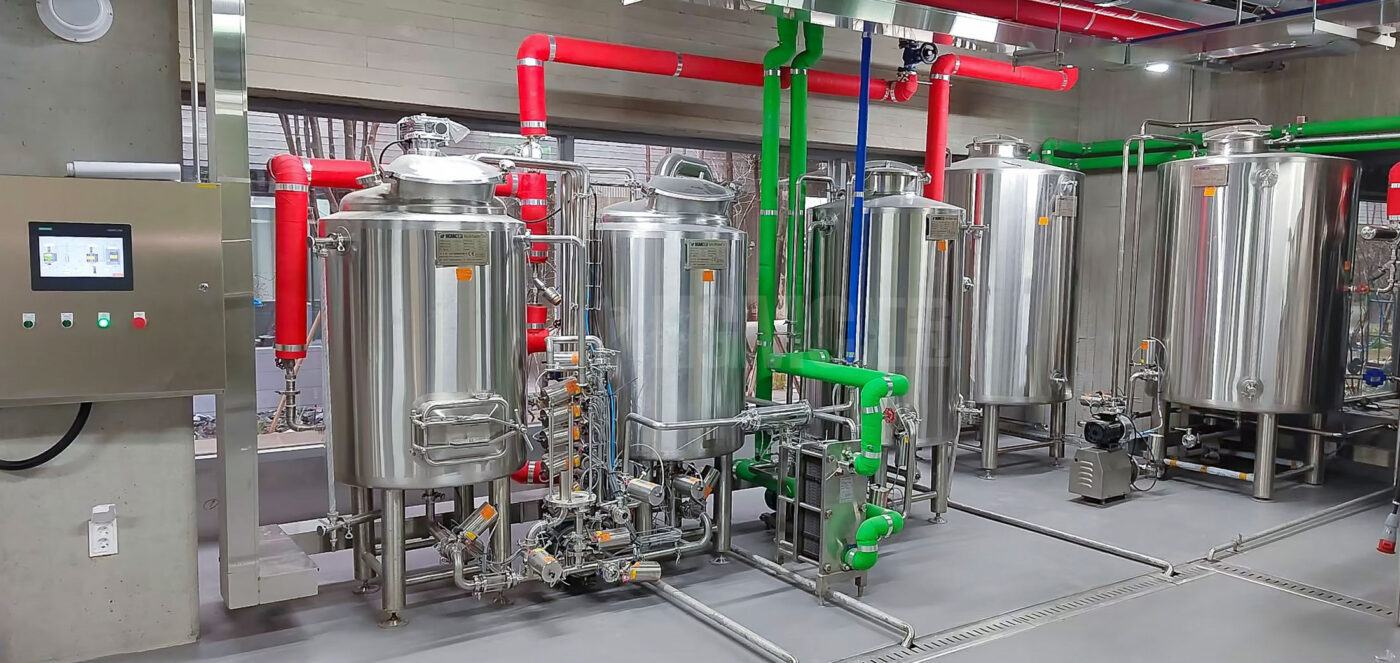
7. Comparing Prices and Payment Terms Across Different Suppliers
While price is important, the lowest bid rarely represents the best value. A comprehensive cost analysis considers total cost of ownership (TCO) over the equipment’s lifetime.
Understanding Pricing Structures
Typical Equipment Costs by Capacity
Based on 2025-2026 market data:
Nano Breweries (1-3 BBL)
- Complete system: $35,000 – $75,000
- Price per BBL capacity: $12,000 – $25,000
Microbreweries (7-15 BBL)
- Complete system: $150,000 – $350,000
- Price per BBL capacity: $18,000 – $24,000
Small Regional (30-60 BBL)
- Complete system: $500,000 – $1,200,000
- Price per BBL capacity: $16,000 – $20,000
Large Regional (100+ BBL)
- Complete system: $2,000,000 – $5,000,000+
- Price per BBL capacity: $14,000 – $18,000
Source: Brewers Association Equipment Cost Benchmark 2026
Total Cost of Ownership Analysis
TCO Components (10-Year Lifecycle)
Initial Purchase Price: 55-65% of TCO
- Equipment cost
- Shipping and logistics
- Installation and commissioning
- Initial training
Operating Costs: 20-30% of TCO
- Energy consumption
- Water usage
- Cleaning chemicals
- Labor for operation
Maintenance and Repairs: 10-15% of TCO
- Preventive maintenance
- Replacement parts
- Service calls
- Equipment upgrades
Downtime Costs: 5-10% of TCO
- Lost production during breakdowns
- Rush shipping for emergency parts
- Overtime labor for repairs
- Lost revenue from missed delivery windows
A 2025 study by the Brewers Association found that equipment from the lowest-cost supplier resulted in 34% higher TCO over 10 years due to increased maintenance, higher energy consumption, and more frequent downtime.
Payment Terms Comparison
Standard Payment Structures
Option 1: Milestone-Based (Most Common)
- 30% deposit upon contract signing
- 50% upon manufacturing completion/before shipping
- 20% after successful installation and commissioning
Option 2: Traditional Terms
- 50% deposit
- 50% before shipping
Option 3: Financed/Leasing
- 10-20% down payment
- Monthly payments over 5-7 years
- Interest rates: 4-8% depending on creditworthiness
Negotiation Tips
- Request 60-90 day payment terms for the final installment to ensure equipment performance
- Negotiate early payment discounts (typically 2-3% for upfront payment)
- Ask about volume discounts for multiple system orders
- Explore financing options through supplier partnerships with lenders
8. Evaluating Supplier Innovation and Technology Integration
Modern brewery operations increasingly rely on automation, data analytics, and energy-efficient technologies. Your supplier’s commitment to innovation directly impacts your long-term competitiveness.
Automation Capabilities
Industry 4.0 Features
Leading suppliers offer:
- PLC-based control systems for recipe consistency
- SCADA integration for real-time monitoring
- IoT sensors for predictive maintenance
- Cloud-based data logging for quality control
- Mobile app controls for remote monitoring
Breweries using fully automated systems report 23% higher Overall Equipment Effectiveness (OEE) and 41% reduction in batch-to-batch variation (MBAA Automation Study 2025).
Energy Efficiency Innovations
Sustainable Design Features
- Heat recovery systems (recover 60-75% of brewhouse energy)
- Variable frequency drives (VFD) on pumps and motors (20-30% energy savings)
- Insulated vessels with COP >3.5 glycol systems
- LED lighting and high-efficiency controls
- Water recycling systems (reduce consumption by 30-40%)
Energy-efficient equipment reduces operating costs by $0.80-$1.50 per BBL produced, yielding payback periods of 18-36 months.
9. Assessing Supplier Communication and Project Management
Clear communication and professional project management prevent misunderstandings, delays, and cost overruns.
Communication Quality Indicators
During Sales Process
- Response time to inquiries (<24 hours for email, <4 hours for urgent calls)
- Clarity of proposals and technical specifications
- Willingness to answer detailed technical questions
- Proactive updates on lead times and pricing
During Manufacturing
- Regular progress updates (weekly or bi-weekly)
- Photographic documentation of build progress
- Advance notice of any delays or design changes
- Accessibility of project managers and engineers
Project Management Best Practices
Top suppliers assign:
- Dedicated project manager as single point of contact
- Detailed project timeline with milestones
- Quality control checkpoints throughout manufacturing
- Comprehensive documentation package upon delivery
Breweries working with suppliers that provide dedicated project managers report 47% fewer communication issues and 31% higher satisfaction scores.
10. Considering Long-Term Partnership Potential
Your initial equipment purchase is just the beginning of what should be a long-term partnership as your brewery grows and evolves.
Expansion and Upgrade Support
Scalability Options
Evaluate whether suppliers can:
- Add fermentation capacity as production grows
- Upgrade control systems without replacing entire brewhouse
- Integrate new equipment with existing systems
- Provide trade-in programs for equipment upgrades
Growth Statistics
According to the Brewers Association:
- 67% of successful craft breweries expand capacity within 3 years
- Average capacity increase: 150-200% in first expansion
- Breweries using the same supplier for expansions save 22% on integration costs
Ongoing Relationship Value
Long-Term Benefits
- Priority service during busy seasons
- Preferential pricing on spare parts and upgrades
- Access to new technology and innovations
- Knowledge of your specific equipment configuration
- Faster troubleshooting based on historical data
Supplier loyalty programs and long-term partnerships reduce total equipment costs by 15-20% over 10 years through accumulated benefits.
Frequently Asked Questions (FAQ)
Q1: What is the average lead time for brewery equipment delivery?
A: Standard brewery equipment typically requires 10-20 weeks from order placement to delivery. Simple systems (nano breweries, 1-3 BBL) average 8-12 weeks, while larger custom systems (30+ BBL) require 14-20 weeks. Complex automated systems with SCADA integration may extend to 24 weeks. Always add 2-4 weeks buffer time for unexpected delays.
Q2: Should I choose a domestic or international supplier?
A: Both options have merits. Domestic suppliers offer faster delivery (1-3 weeks shipping vs. 8-16 weeks), easier communication, simpler warranty claims, and lower total cost of ownership (15% lower over 10 years despite higher upfront costs). International suppliers provide 30-40% lower initial equipment costs but involve complex logistics, potential language barriers, and higher long-term service costs. For first-time buyers, domestic suppliers generally provide better overall value and reduced risk.
Q3: What certifications should brewery equipment suppliers have?
A: Essential certifications include:
- ASME certification for pressure vessels
- ISO 9001 quality management system certification
- 3-A Sanitary Standards compliance (especially for US markets)
- CE marking for European markets
- FSMA compliance for US food safety regulations
Suppliers with these certifications demonstrate commitment to quality, safety, and regulatory compliance, reducing your risk of production shutdowns or failed inspections.
Q4: How much should I budget for brewery equipment maintenance annually?
A: Budget 3-5% of original equipment cost annually for maintenance and repairs. For example, a $500,000 brewery system should allocate $15,000-$25,000 per year for:
- Preventive maintenance (CIP system service, gasket replacement, valve rebuilds)
- Unexpected repairs
- Spare parts inventory
- Service calls or contracted maintenance programs
Well-maintained equipment from quality suppliers may require only 2-3% annually, while lower-quality equipment can exceed 7-8%.
Q5: What red flags indicate a supplier may not be reliable?
A: Watch for these warning signs:
- Reluctance to provide customer references
- No physical manufacturing facility (broker/middleman)
- Vague warranty terms or limited coverage (<12 months)
- Significantly lower prices than competitors (>40% below market rates)
- Poor communication during sales process
- No engineering staff or technical support team
- Lack of industry certifications (ASME, ISO 9001)
- Inability to provide detailed technical specifications
- Negative reviews across multiple platforms
If you observe multiple red flags, continue your search for a more reputable supplier.
Q6: Is it better to buy new or used brewery equipment?
A: New equipment offers:
- Full warranty coverage (12-24 months)
- Latest technology and automation
- Custom configuration for your facility
- Predictable performance and lower maintenance
- Longer useful life (15-20 years)
Used equipment provides:
- 40-70% cost savings
- Faster availability (no manufacturing lead time)
- Proven performance history
For startups with limited capital, quality used equipment from reputable suppliers can be viable. However, budget for higher maintenance costs and potential upgrades. For long-term operations, new equipment typically provides better ROI over 10+ years.
Q7: What should be included in a brewery equipment quote?
A: Comprehensive quotes should itemize:
- Complete equipment list with specifications
- Control systems and automation level
- Shipping and logistics costs
- Installation services (if included)
- Commissioning and startup assistance
- Training programs (duration and participants)
- Warranty terms and coverage
- Spare parts packages
- Payment schedule and terms
- Lead time and delivery date
- Exclusions (site preparation, utilities, etc.)
Request detailed quotes from 3-5 suppliers for thorough comparison.
Q8: How can I verify a supplier’s manufacturing capabilities?
A: Take these steps:
- Schedule a facility tour to inspect manufacturing equipment and processes
- Review their portfolio of completed projects with photos and specifications
- Ask for certifications (ISO 9001, ASME, welding certifications)
- Request fabrication samples to assess weld quality and finishing
- Speak with references about equipment quality and durability
- Review their engineering team credentials and experience
- Assess their current backlog (3-6 months indicates healthy business)
Manufacturers who welcome facility visits and provide transparent documentation demonstrate confidence in their capabilities.
Q9: What automation level is appropriate for my brewery size?
A: Automation recommendations by scale:
Nano breweries (1-3 BBL): Basic manual controls with temperature monitoring. ROI on advanced automation is limited at this scale.
Microbreweries (7-15 BBL): Semi-automated systems with PLC controls, automated temperature management, and recipe programming. Provides consistency while remaining affordable.
Small regional (30-60 BBL): Fully automated brewhouse with SCADA, CIP automation, and fermentation controls. Critical for managing multiple daily brews and maintaining quality.
Large regional (100+ BBL): Full Industry 4.0 integration with IoT sensors, predictive maintenance, cloud-based data analytics, and ERP integration. Required for operational efficiency at scale.
Automation reduces labor costs by 30-50% and improves batch consistency by 40-60% according to MBAA research.
Q10: How do I negotiate better terms with equipment suppliers?
A: Effective negotiation strategies:
- Obtain multiple quotes (3-5 suppliers) for leverage
- Request detailed cost breakdowns to identify negotiable items
- Ask about volume discounts if ordering multiple systems
- Negotiate payment terms (milestone-based vs. 50/50)
- Request early payment discounts (2-3% typical)
- Bundle services (training, spare parts, extended warranty) for package pricing
- Time your purchase during supplier slow periods (typically Q4/Q1)
- Build long-term relationships by indicating plans for future expansions
- Request value-adds instead of price cuts (extra training, spare parts packages)
Maintain professional relationships—aggressive tactics may damage long-term partnership potential.
Conclusion: Making the Right Choice for Long-Term Success
Selecting the right brewery equipment supplier is a complex decision that extends far beyond comparing initial purchase prices. The supplier you choose becomes a long-term partner in your brewing success, impacting your production quality, operational efficiency, and profitability for years to come.
Key Takeaways
Prioritize these factors when evaluating suppliers:
- Experience and track record – Suppliers with 15+ years demonstrate 42% fewer equipment issues
- Comprehensive equipment range – Single-source suppliers reduce integration problems by 28%
- Reliability and delivery performance – 92-96% on-time delivery is the benchmark
- Warranty and support – 24/7 technical support and 24-month warranties indicate commitment
- Customer references – Direct feedback provides invaluable insights
- Total cost of ownership – Look beyond initial price to 10-year TCO
- Innovation and automation – Modern technology improves OEE by 23%
- Communication quality – Dedicated project managers improve satisfaction by 47%
- Long-term partnership potential – Same-supplier expansions save 22% on integration
- Certifications and compliance – ASME, ISO 9001, and industry standards reduce regulatory risk by 73%
Final Recommendations
Create a structured evaluation process:
- Research phase (2-4 weeks): Identify 5-8 potential suppliers through industry forums, trade shows, and references
- RFQ phase (3-4 weeks): Request detailed quotes with specifications, pricing, and terms
- Evaluation phase (2-3 weeks): Conduct reference checks, facility tours, and comparative analysis
- Negotiation phase (1-2 weeks): Finalize terms, payment structure, and delivery schedules
- Contract phase (1 week): Review legal terms, warranty coverage, and project milestones
Invest time in this process—the right supplier partnership can reduce total equipment costs by 15-20% over 10 years while significantly improving operational performance.
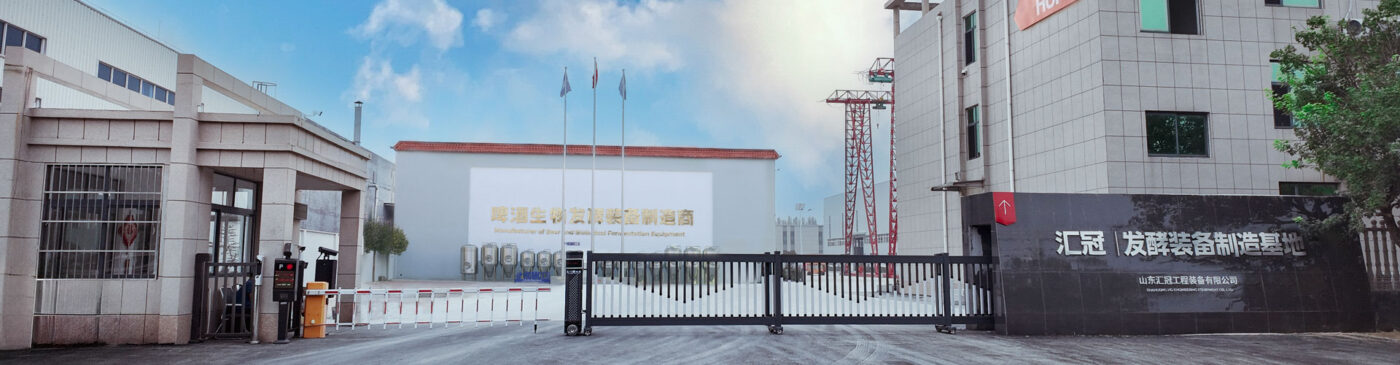
About HGMC Brewery Equipment
HGMC is a leading brewery equipment manufacturer with over 15 years of experience designing and manufacturing complete brewing systems for craft breweries, microbreweries, and large-scale production facilities worldwide. Our ISO 9001 certified manufacturing facility produces ASME-compliant pressure vessels and offers comprehensive turnkey solutions including installation, training, and 24/7 technical support.
With over 500 successful brewery installations across 40 countries, HGMC combines innovative engineering, premium materials, and competitive pricing to deliver exceptional value. Our experienced team works closely with brewers to design custom systems that meet specific production requirements and budget constraints.
Contact us today for a detailed quote and consultation on your brewery equipment needs.
