
The allure of crafting unique, flavorful beer is stronger than ever. For aspiring brewers, the dream of owning a brewery is now more accessible than ever, thanks to the rise of the nano brewery. Unlike large-scale industrial operations, a nano brewery focuses on small-batch, high-quality production, typically ranging from a few barrels to several hundred barrels per year. This guide will explore the practicalities of starting your own nano brewery, examining viable business models and delving into the sophisticated, customizable equipment that makes small-batch brewing a thriving reality.

Why Choose the Nano Brewery Path?
The craft beer movement continues to captivate consumers seeking authenticity and variety. A nano brewery offers a compelling entry point into this vibrant industry. With significantly lower startup costs and a smaller physical footprint—often requiring only 100-800 square feet—it allows entrepreneurs to transform passion into a viable business with manageable risk . This model is perfect for brewers who prioritize quality over quantity, experimentation over mass production, and direct community connection.Launch your craft beer dream with our comprehensive guide to nano brewery equipment. Explore business models, learn to select custom systems, and minimize startup costs to start your brewpub or production brewery with confidence.
Exploring Your Nano Brewery Business Model
Your equipment needs and business strategy will be shaped by the model you choose. Here are three primary pathways:
1. The Brewpub
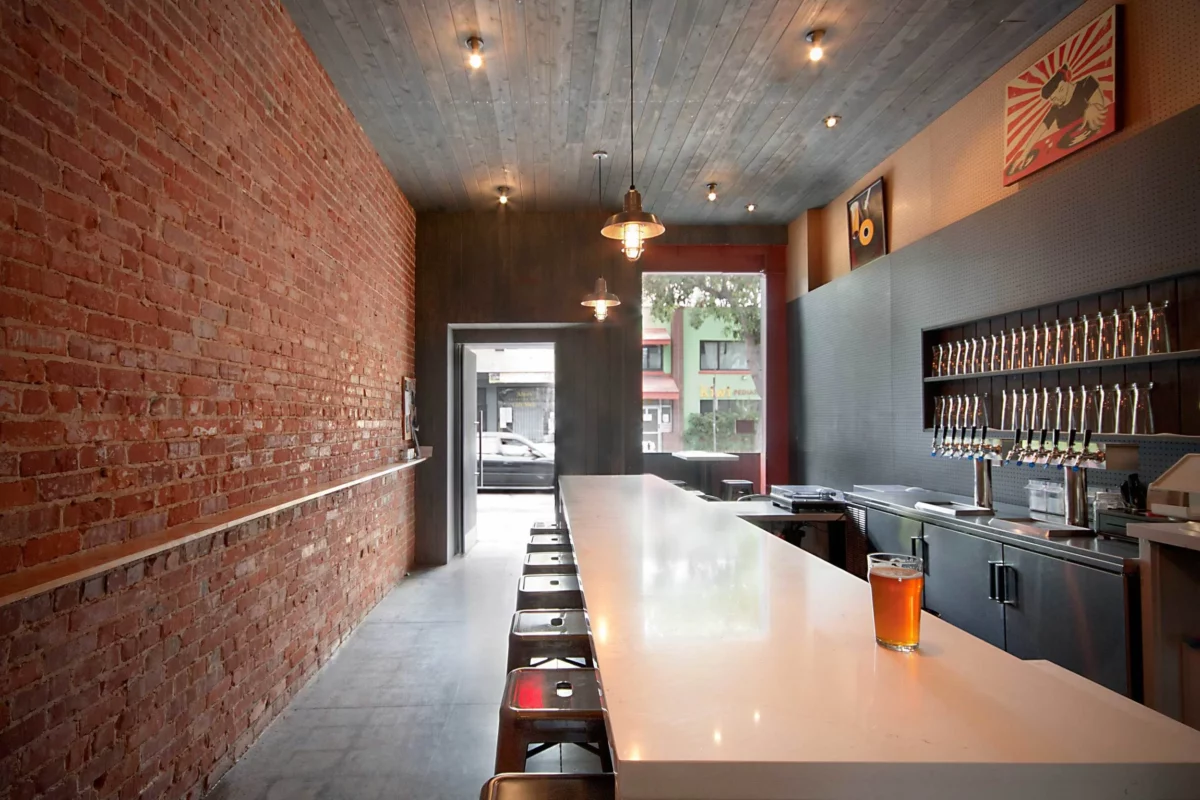
This model integrates a fully functional brewery with a restaurant or bar. You brew on-site and sell the beer directly to customers enjoying a meal or drink in your establishment. It creates an immersive experience where patrons can see, smell, and taste the brewing process firsthand. The focus is on fresh, tap-only beer, fostering strong local loyalty.
2. Nano Brewery with a Taproom
Similar to a brewpub but often with a more limited food offering (perhaps food trucks or snacks), the taproom model centers on the beer itself. It becomes a community hub where you sell your core and experimental batches directly to consumers. This model provides immediate feedback, higher profit margins per pint, and a powerful platform for building your brand’s identity.
3. Production Brewery with Packaging Lines
This model is geared towards distribution. You brew, ferment, and then package your beer in bottles, cans, or kegs for sale to bars, restaurants, and retailers . While requiring more equipment for packaging and potentially larger fermentation capacity, it allows your brand to reach a wider market beyond your immediate location. As seen with brands like Forged Irish Stout, effective packaging and branding design are critical for standing out on shelves and can win prestigious awards .
The Heart of Your Operation: Customizable Nano Brewery Systems
Modern nano brewery equipment is a far cry from simple DIY setups. Today’s systems are engineered for professional results, efficiency, and remarkable customization to fit your specific brewing processes and space.
Core System Design and Flexibility
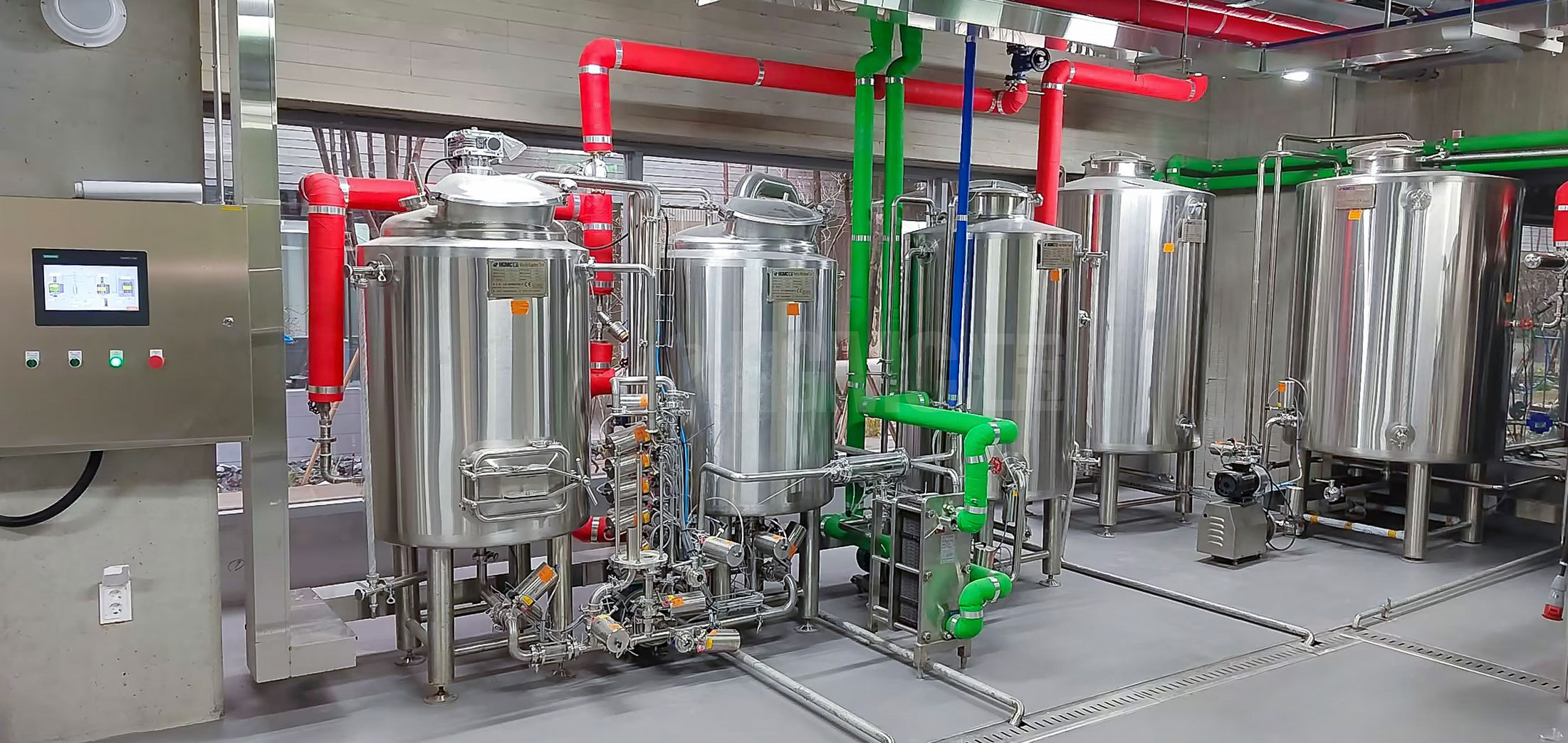
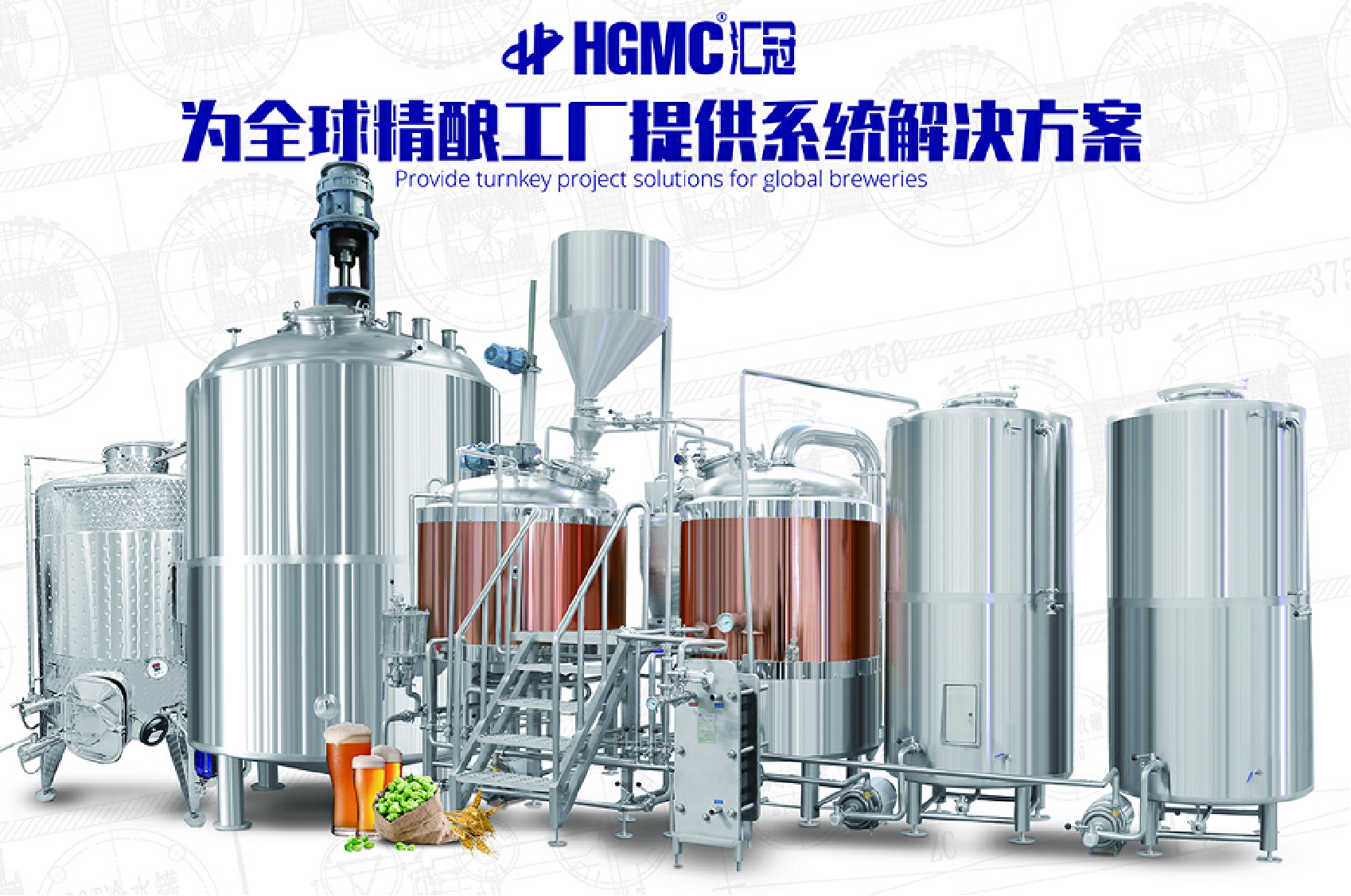
A typical advanced nano system, such as a 100L or 120L microbrewery setup, is designed with extensive client input . It offers a variety of vessels to suit different workflow preferences. You can opt for multifunctional tanks (e.g., a combined mash mixer-lauter tun) to save space or choose individual process tanks for each stage (mash mixer, lauter tun, boil kettle, whirlpool) for maximum flexibility and overlap between batches. The entire system comes fully piped and wired with necessary valves and sensors, ensuring it arrives as a nearly plug-and-play unit, drastically simplifying installation .
Automation and Precision Control
Consistency is key in brewing. Modern systems feature an integrated master brew interface with a touch screen control panel, allowing for precise control over temperatures, timings, and process steps . Automated features like lautering and water mixing reduce manual labor and enhance batch-to-batch consistency. Furthermore, a separate Clean-In-Place (CIP) system for individual tanks is crucial for maintaining strict hygiene and preventing cross-contamination between different beer styles, ensuring the purity of every brew.
Quality Construction for Performance and Durability
The build quality of your equipment directly impacts beer quality and operational longevity. High-end systems use SUS304 or SUS316 stainless steel and employ argon gas protection welding for strong, sanitary seams . Interior polishing can reach a precision of Ra 0.4, creating a smooth, easy-to-clean surface that resists bacteria adhesion . High-quality insulation, like 80mm thick rock wool or polyurethane, is essential for maintaining precise temperatures during mashing and boiling, improving energy efficiency and process stability .
Complete Brewing and Support Units
A full nano brewery package extends beyond the brew house:
-
Fermentation Unit: This includes stainless steel conical fermentation tanks. The number of tanks is calculated based on your desired output and the fermentation cycles of your beers .
-
Bright Tank Unit: Used for beer maturation, conditioning, carbonation, and serving. These tanks are where your beer reaches its final character before packaging or pouring.
-
Cooling Unit: A critical component comprising an insulated glycol water tank, chillers, and sanitary pumps. This system circulates chilled glycol to precisely control the temperature of fermentation and bright tanks, a non-negotiable requirement for producing high-quality beer .

Beyond the Hardware: Technology and Branding
Successful nano breweries leverage more than just physical equipment. Digital tools are becoming indispensable. For instance, Exhibit A Brewery utilized edge computing solutions and 5G technology to automate monitoring of their canning line and fermentation tanks. This technology provides real-time alerts for temperature or pressure anomalies, ensuring product consistency and freeing the brewer from constant manual checks . This demonstrates how even small breweries can use smart technology to safeguard quality and improve efficiency.
Your brand’s identity is equally vital. As demonstrated by Forged Irish Stout, investing in professional branding, packaging design, and marketing can propel a small brand to international recognition. Creative freedom in designing compelling labels, glassware, and tap handles creates a memorable brand experience that resonates with consumers .
Getting Started: Practical Considerations
-
Supplier and Support: Many equipment manufacturers, primarily from regions like Shandong, China, offer comprehensive nano brewery systems with capacities ranging from 30L for pilot systems to 1000L for larger nano/small micro setups . Key factors when selecting a supplier include warranty (often up to 5 years), availability of overseas engineering support, and compliance with certifications like CE and ISO .
-
Space and Planning: Engage with professionals early. Architectural firms specializing in the food and beverage industry, such as Organic Architects, can help with site appraisals, regulatory navigation, and designing efficient, beautiful spaces that meet operational needs .
-
Start Small and Scale: Many successful brewers begin with homebrew-scale all-in-one electric systems (e.g., 30L capacity) to perfect recipes before investing in commercial nano equipment . This allows for low-risk experimentation and skill development.
Conclusion
Starting a nano brewery is an exciting journey that blends art, science, and entrepreneurship. By selecting the right business model for your goals and investing in a highly customizable, well-constructed, and precisely controllable brewing system, you lay a solid foundation for success. The modern nano brewery equipment available today—from the PLC-controlled brew house to the glycol-cooled fermentation tanks—provides the professional tools necessary to produce exceptional beer consistently . When combined with a strong brand identity and smart operational practices, your nano brewery can grow from a passionate dream into a cherished local institution or a distinguished brand known for its quality and character. The market for unique, craft experiences is ripe; your nano brewery could be the next great success story.
