
Comprehensive Guide to Beer Brewing Equipment Selection, Configuration, and Best Practices
The global craft beer market has experienced remarkable growth, reaching a valuation of $117.4 billion in 2023 and projected to expand at a CAGR of 13.8% through 2030, according to Grand View Research. This surge has driven unprecedented demand for professional beer brewing equipment across microbreweries, craft breweries, and commercial production facilities worldwide.
Whether you’re launching a startup brewery or upgrading existing production lines, understanding the intricacies of beer brewing equipment is essential for operational success, product quality, and long-term profitability. This comprehensive guide explores every aspect of equipment selection, from core components to configuration strategies.
Main Components of Beer Brewing Equipment
1. Mash Tun System
The mash tun is where the brewing process begins, converting grain starches into fermentable sugars through enzymatic activity. Modern mash tuns feature:
- Advanced temperature control systems maintaining precision within ±0.5°C
- Multi-zone heating elements for uniform temperature distribution
- Automated rake mechanisms preventing grain bed compaction
- Capacity range: Typically 500L to 10,000L for commercial operations
According to the Brewers Association, optimal mash tun design can improve extract efficiency by 8-12%, directly impacting raw material costs and production economics.
2. Lauter Tun
The lauter tun separates liquid wort from spent grain through a sophisticated filtration process:
- False bottom design with precise slot configurations (0.7-1.0mm spacing)
- Automated rake systems with variable speed control
- Sparging mechanisms ensuring maximum sugar extraction
- Recirculation pumps for clarity optimization
Industry data indicates that properly configured lauter tuns achieve wort clarity of 50-150 EBC units and extraction efficiency exceeding 95%.
3. Brew Kettle (Wort Kettle)
The brew kettle serves multiple critical functions:
- Wort boiling at precisely controlled temperatures (100-102°C)
- Hop addition integration with timing systems
- Protein coagulation (hot break formation)
- Evaporation control (typically 4-8% per hour)
- Energy-efficient heating (direct fire, steam, or electric)
Modern brew kettles incorporate vapor condensers that can reduce energy consumption by up to 30% while minimizing environmental impact.
4. Whirlpool Tank
Whirlpool tanks utilize centrifugal force to separate trub and hop particles:
- Tangential inlet design creating optimal flow patterns
- Cone-shaped bottom for efficient trub collection
- Rest time: 20-30 minutes for proper settling
- Clear wort recovery rates exceeding 95%
5. Fermentation Tanks
Fermentation vessels are the heart of beer production, where wort transforms into beer:
Key specifications:
- Capacity: 1,000L to 20,000L+ for commercial operations
- Material: 304 or 316 stainless steel (316 preferred for corrosion resistance)
- Pressure rating: 0.3-0.4 MPa for safe operation
- Cooling system: Glycol jacket or dimple plate design
- Temperature control: ±0.5°C precision
- CIP (Clean-in-Place) integration
Research published in the Journal of the Institute of Brewing indicates that temperature control precision within ±0.5°C can reduce off-flavor compounds by 40-60%.
6. Bright Beer Tanks (BBT)
Bright beer tanks provide final conditioning and carbonation:
- Carbonation systems (inline or tank carbonation)
- Pressure control: 0.2-0.3 MPa typical operating range
- Cooling jackets maintaining serving temperature
- Sample ports and measurement instruments
- Transfer systems for packaging preparation
7. Cooling Systems
Efficient cooling is critical throughout brewing:
- Glycol chillers: -5°C to -10°C operating temperature
- Heat exchangers: Plate or tube designs
- Cooling capacity: Calculated at 1.2-1.5x maximum heat load
- Energy efficiency ratings: Modern systems achieve COP values of 3.5-4.5
According to the U.S. Department of Energy, optimized cooling systems can reduce brewery energy costs by 20-35%.
8. CIP (Clean-in-Place) System
Automated cleaning systems ensure hygiene and efficiency:
- Multi-tank capability with programmable sequences
- Chemical dosing systems with concentration monitoring
- Temperature control (65-85°C for optimal cleaning)
- Flow rate management ensuring complete coverage
- Water recovery systems reducing consumption by 30-40%
Key Factors to Consider When Choosing Beer Brewing Equipment
Production Capacity Planning
Accurate capacity assessment is foundational:
Market analysis data:
- Microbreweries (annual production): 500-15,000 hectoliters
- Regional craft breweries: 15,000-60,000 hectoliters
- Large-scale production: 60,000+ hectoliters
The Brewers Association recommends planning for 20-30% excess capacity to accommodate growth and seasonal demand fluctuations.
Material Quality and Durability
Stainless steel grades comparison:
| Grade | Corrosion Resistance | Cost | Recommended Application |
|---|---|---|---|
| 304 | Good | Lower | Mash tuns, brew kettles |
| 316 | Excellent | Higher | Fermentation tanks, bright tanks |
| 316L | Superior | Highest | Critical contact surfaces |
Source: American Iron and Steel Institute (AISI)
Industry data shows that 316 stainless steel equipment has a service life 25-40% longer than 304 in brewery environments.
Automation and Control Systems
Modern breweries increasingly adopt automated solutions:
- Basic manual control: Suitable for operations <1,000 hl/year
- Semi-automated systems: Optimal for 1,000-5,000 hl/year
- Fully automated (PLC-based): Essential for >5,000 hl/year
Research by the Master Brewers Association indicates that automation can:
- Reduce labor costs by 30-50%
- Improve batch consistency by 85-95%
- Decrease production errors by 60-75%
Energy Efficiency
Energy represents 15-25% of total brewing operational costs:
Energy consumption benchmarks (per hectoliter):
- Thermal energy: 150-250 MJ
- Electrical energy: 15-25 kWh
- Total energy cost: $8-15 per hectoliter
Data source: Beverage Industry Environmental Roundtable
High-efficiency equipment can reduce energy consumption by 25-40%, yielding ROI within 2-4 years.
Space Configuration
Optimal layout design affects operational efficiency:
Space requirements per 1,000L batch:
- Brewhouse: 50-80 m²
- Fermentation area: 80-120 m²
- Packaging/storage: 100-150 m²
- Total facility: 300-500 m²
The Institute of Brewing & Distilling recommends a ceiling height minimum of 5-6 meters for proper equipment installation and maintenance access.
Budget and ROI Analysis
Equipment cost breakdown (1,000L system):
- Brewhouse equipment: $80,000-120,000
- Fermentation tanks (4x): $60,000-90,000
- Cooling systems: $25,000-40,000
- CIP and utilities: $20,000-35,000
- Total investment: $185,000-285,000
Industry financial analysis shows average brewery equipment payback periods of 3-5 years with proper capacity utilization (>70%).
Supplier Reputation and Support
Critical evaluation criteria:
✓ Patents and certifications: Indicating innovation and quality standards
✓ Installation records: 50+ successful projects minimum recommended
✓ After-sales service: Response time <24 hours for critical issues
✓ Spare parts availability: Minimum 10-year commitment
✓ Training programs: Comprehensive operational and maintenance training
Equipment Configuration Recommendations for Different Scenarios
Startup Microbrewery (500-1,000L per batch)
Recommended configuration:
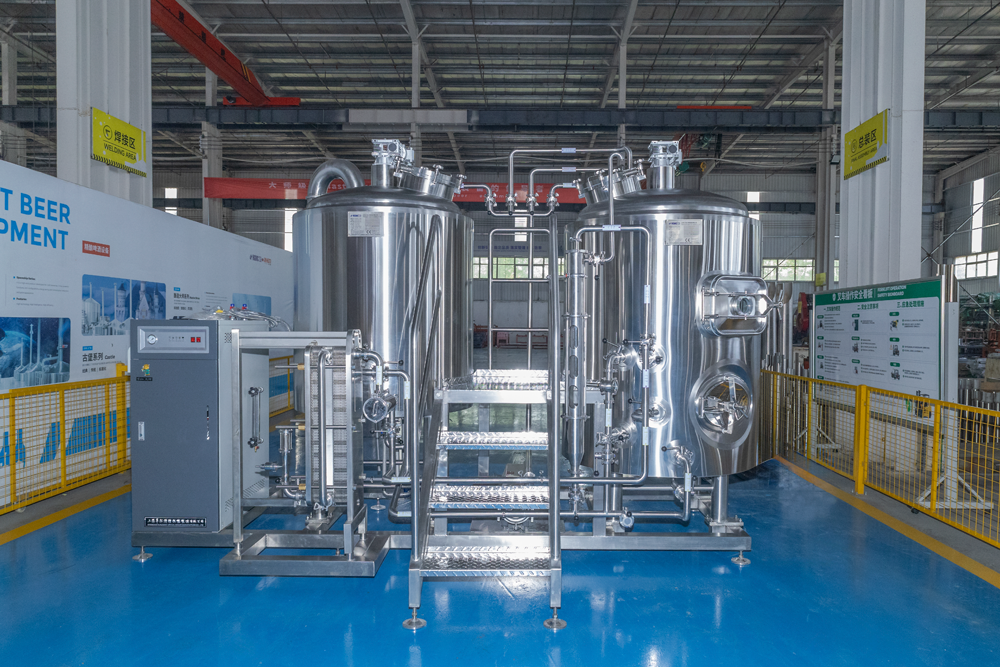
- 2-vessel brewhouse (mash/lauter tun + kettle/whirlpool combination)
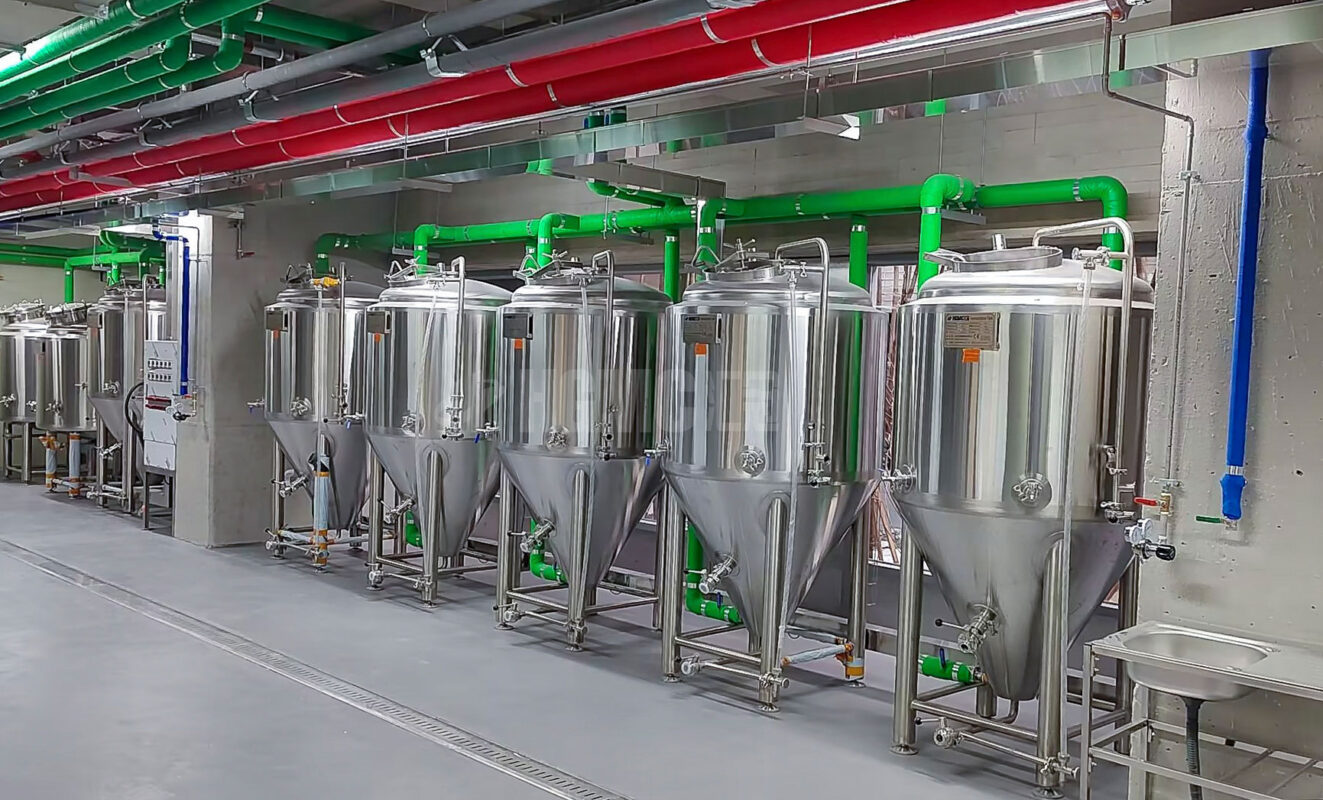
- 4-6 fermentation tanks (1,000L capacity each)
- 2 bright beer tanks (1,000L capacity)
- Glycol chiller (15 kW cooling capacity)
- Basic CIP system (2-tank configuration)
Investment range: $150,000-200,000
Production capacity: 1,500-2,500 hl/year
Ideal for: Brewpubs, taprooms, small-scale craft producers
According to Craft Brewing Business, this configuration serves 78% of startup craft breweries in North America.
Growing Craft Brewery (2,000-3,000L per batch)
Recommended configuration:
- 3-vessel or 4-vessel brewhouse (separate mash, lauter, kettle, whirlpool)
- 8-12 fermentation tanks (3,000L capacity)
- 3-4 bright beer tanks (3,000L capacity)
- Dual glycol chillers (30 kW total capacity)
- Automated CIP system (3-tank configuration)
- Heat recovery system
- Semi-automated control system
Investment range: $400,000-600,000
Production capacity: 5,000-8,000 hl/year
Ideal for: Regional craft breweries, distribution-focused operations
Mid-Scale Production Facility (5,000-10,000L per batch)
Recommended configuration:
- 4-vessel brewhouse with advanced automation
- 16-24 fermentation tanks (10,000L capacity)
- 6-8 bright beer tanks (10,000L capacity)
- Industrial glycol system (100+ kW capacity)
- Fully automated CIP (4-tank configuration)
- Comprehensive heat recovery
- Full PLC automation with SCADA monitoring
- Integrated packaging line
Investment range: $1.2-2.5 million
Production capacity: 20,000-40,000 hl/year
Ideal for: Regional breweries with multi-state distribution
Data from IBISWorld indicates this scale represents the fastest-growing brewery segment, with 18.5% annual growth from 2021-2025.
Large-Scale Commercial Operation (20,000L+ per batch)
Recommended configuration:
- Dual 4-vessel brewhouses for continuous production
- 40+ fermentation tanks (20,000-50,000L capacity)
- 15+ bright beer tanks
- Industrial cooling plant (500+ kW capacity)
- Centralized automated CIP
- Energy management system
- Full automation and MES integration
- Multiple packaging lines
Investment range: $5-15+ million
Production capacity: 100,000+ hl/year
Practical Tips for Selecting and Using Beer Brewing Equipment
Selection Best Practices
1. Conduct Thorough Needs Assessment
Develop detailed specifications including:
- 5-year production volume projections
- Beer style portfolio requirements
- Quality standards and targets
- Budget constraints and financing options
- Timeline for implementation
2. Request Detailed Technical Documentation
Essential documents include:
- Complete P&ID (Piping and Instrumentation Diagrams)
- Material certificates and test reports
- Energy consumption calculations
- Maintenance schedules and requirements
- Compliance certifications (ASME, CE, local codes)
3. Verify Reference Installations
Conduct site visits to at least 3-5 reference breweries operating similar equipment for 2+ years.
4. Negotiate Comprehensive Service Agreements
Ensure contracts include:
- Installation and commissioning
- Operator training (minimum 2 weeks)
- First-year maintenance support
- Spare parts package
- Performance guarantees
Operational Best Practices
1. Implement Rigorous Maintenance Programs
Research by the American Society of Brewing Chemists shows that preventive maintenance reduces equipment downtime by 60-75% and extends equipment life by 30-50%.
Weekly maintenance:
- CIP system verification
- Seal and gasket inspection
- Temperature and pressure calibration checks
Monthly maintenance:
- Pump performance testing
- Valve operation verification
- Cooling system efficiency checks
Annual maintenance:
- Complete tank inspection
- Heat exchanger cleaning and testing
- Automation system updates
2. Optimize Cleaning Protocols
Proper CIP procedures are critical:
- Pre-rinse: Remove 95%+ of soil
- Caustic wash: 1.5-2.5% NaOH, 75-85°C, 20-30 minutes
- Intermediate rinse: Until pH <9
- Acid wash: 1-2% HNO₃, 65-75°C, 15-20 minutes
- Final rinse: Potable water until neutral pH
- Sanitization: 200-400 ppm PAA or thermal (85°C, 15 minutes)
3. Monitor Key Performance Indicators
Track critical metrics:
| KPI | Industry Benchmark | Monitoring Frequency |
|---|---|---|
| Extract efficiency | 92-96% | Every batch |
| Water-to-beer ratio | 4-6:1 | Weekly |
| Energy per HL | 150-250 MJ | Monthly |
| CIP cycle time | 60-90 minutes | Every cycle |
| Equipment utilization | >75% | Monthly |
4. Ensure Proper Staff Training
The Brewers Association recommends:
- Initial training: 80-120 hours per operator
- Ongoing education: 40+ hours annually
- Safety certification: Annual refreshers
- Maintenance training: Specialized programs for technical staff
5. Maintain Detailed Production Records
Comprehensive documentation enables:
- Batch-to-batch consistency tracking
- Quality issue root cause analysis
- Regulatory compliance demonstration
- Equipment performance trending
- Process optimization opportunities

Industry Data and Market Insights
Global Brewery Equipment Market
According to Market Research Future (2024):
- Market size (2023): $19.8 billion
- Projected growth (2024-2030): CAGR 7.8%
- Market size (2030): $32.6 billion
Regional distribution:
- Asia-Pacific: 38% market share (fastest growing)
- North America: 28% market share
- Europe: 24% market share
- Rest of World: 10% market share
Technology Trends
Automation adoption rates (2023-2025):
- Fully automated systems: 42% of new installations
- Semi-automated: 35%
- Manual with digital monitoring: 18%
- Traditional manual: 5%
Source: International Brewing Technology Conference
Emerging technologies:
- IoT-enabled predictive maintenance: Reducing unplanned downtime by 45%
- AI-powered recipe optimization: Improving consistency by 15-25%
- Energy recovery systems: Achieving 30-40% energy savings
- Modular equipment designs: Reducing installation time by 40%
Frequently Asked Questions (FAQ)
Q: What is the typical lifespan of commercial brewing equipment?
A: High-quality stainless steel brewing equipment has a service life of 20-30 years with proper maintenance. Critical components like pumps, valves, and seals typically require replacement every 5-10 years depending on usage intensity. According to the Master Brewers Association, breweries that implement comprehensive preventive maintenance programs achieve equipment lifespans 40-60% longer than industry averages.
Q: How much space do I need for a 1,000L brewing system?
A: A complete 1,000L brewing system typically requires 300-500 m² of total facility space, broken down as follows: brewhouse (50-80 m²), fermentation area (80-120 m²), bright beer/storage (60-100 m²), packaging (50-80 m²), and utilities/circulation (60-120 m²). Ceiling height should be minimum 5-6 meters to accommodate tank heights and lifting equipment. The Brewers Association recommends adding 20-30% extra space for future expansion.
Q: What is the difference between 2-vessel, 3-vessel, and 4-vessel brewhouse configurations?
A:
- 2-vessel: Combines mash/lauter in one vessel and kettle/whirlpool in another. Most economical, suitable for 1-2 batches daily. Investment: $60,000-100,000.
- 3-vessel: Typically mash/lauter combined, separate kettle and whirlpool. Allows 2-3 batches daily. Investment: $100,000-180,000.
- 4-vessel: Separate mash tun, lauter tun, kettle, and whirlpool. Maximum efficiency for 4+ batches daily. Investment: $180,000-300,000.
According to research from the Journal of the American Society of Brewing Chemists, 4-vessel systems achieve 8-12% higher production efficiency and 5-8% better extract efficiency compared to 2-vessel configurations.
Q: How much does it cost to operate brewing equipment?
A: Operational costs per hectoliter typically include:
- Energy (thermal + electrical): $8-15
- Water and wastewater: $3-6
- Cleaning chemicals: $2-4
- Maintenance and parts: $4-8
- Labor (allocated): $15-30
- Total operating cost: $32-63 per hectoliter
These figures vary significantly based on location, energy costs, automation level, and production scale. Data from the Beverage Industry Environmental Roundtable indicates that facilities producing >5,000 hl annually achieve 25-35% lower per-unit costs through economies of scale.
Q: What certifications should brewing equipment have?
A: Essential certifications include:
- ASME (American Society of Mechanical Engineers): Pressure vessel certification
- CE marking (Europe): EU compliance for safety and health
- 3-A Sanitary Standards: Hygiene compliance for food contact surfaces
- NSF/ANSI 169: Drinking water system components
- UL/CSA (electrical components): Electrical safety standards
- ISO 9001: Quality management system certification
Additionally, verify the manufacturer holds relevant patents demonstrating innovation and intellectual property protection. Reputable manufacturers typically hold 10+ patents and maintain ISO certifications.
Q: How important is the cooling system capacity?
A: Cooling capacity is critical for quality and efficiency. Undersized systems cause:
- Extended fermentation cooling time (24+ hours vs. optimal 6-8 hours)
- Temperature fluctuations exceeding ±1°C (increasing off-flavors by 40-60%)
- Production delays and reduced capacity utilization
The Institute of Brewing & Distilling recommends sizing glycol chillers at 1.2-1.5 times maximum calculated heat load to ensure adequate capacity during peak demands and ambient temperature extremes. A properly sized system pays for itself through improved efficiency and product quality within 18-24 months.
Q: Should I buy new or used brewing equipment?
A: New equipment advantages:
- Latest technology and efficiency
- Full warranty (typically 1-2 years)
- Customization to specific needs
- No hidden wear or maintenance issues
- Expected 20-30 year service life
Used equipment considerations:
- Cost savings: 40-60% lower
- Shorter lead times
- Proven operational history
- Risks: Hidden wear, obsolete technology, limited warranty, potential compatibility issues
Industry data shows that 85% of successful craft breweries start with new equipment for core brewing systems (brewhouse and fermentation), while purchasing used equipment for auxiliary systems (kegging, packaging) where quality impact is lower. The Brewers Association advises thorough professional inspection before purchasing any used pressure vessels or critical process equipment.
Q: What ongoing maintenance costs should I budget for?
A: Annual maintenance costs typically range from 3-5% of original equipment investment. For a $500,000 system, budget $15,000-25,000 annually including:
- Replacement parts and consumables: 40-50%
- Preventive maintenance labor: 30-40%
- Calibration and testing: 10-15%
- Emergency repairs reserve: 10-15%
Data from the Master Brewers Association indicates that breweries spending below 3% annually on maintenance experience 3-5x higher unplanned downtime costs, making adequate maintenance investment highly cost-effective.
About HGMC: Your Trusted Brewing Equipment Partner
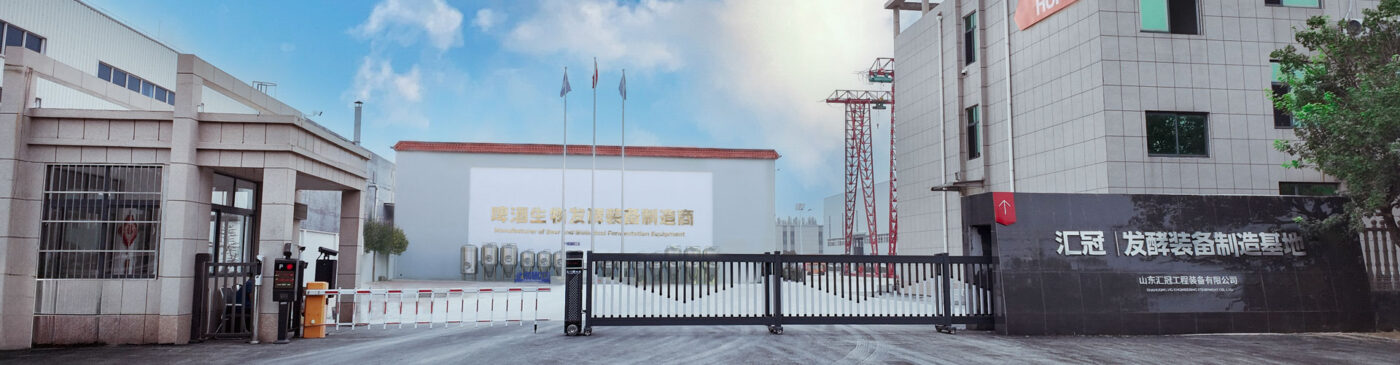
HGMC is recognized as the world’s leading manufacturer of beer brewing equipment, setting industry standards for innovation, quality, and customer success. Our comprehensive portfolio includes brewery equipment, beverage equipment, and complete canning/bottling lines designed to meet the diverse needs of breweries worldwide.
Innovation and Expertise
- 30+ national authorized patents demonstrating continuous innovation in brewing technology
- 20+ high-tech achievements recognized by international brewing industry organizations
- Advanced R&D facilities with dedicated engineering teams
- Partnerships with leading brewing research institutions
Comprehensive Service Offering
HGMC provides full-spectrum solutions:
✓ Individual equipment: Customized components for upgrades or replacements
✓ Turnkey projects: Complete brewery design, manufacturing, installation, and commissioning
✓ Process optimization: Technical consulting and efficiency improvement services
✓ Training programs: Comprehensive operator and maintenance training
✓ After-sales support: 24/7 technical assistance and rapid spare parts delivery
Global Reach and Recognition
- Exported to 120+ countries across six continents
- Thousands of successful installations from microbreweries to large-scale industrial facilities
- Industry-leading customer satisfaction: 96% customer retention rate
- Award-winning designs recognized at international brewing exhibitions
Quality Commitment
- ISO 9001 certified manufacturing facilities
- Advanced quality control systems ensuring every component meets specifications
- Comprehensive testing protocols including pressure testing, leak testing, and performance verification
- Long-term warranty programs and spare parts guarantees
Why Choose HGMC?
Proven track record: Decades of experience serving breweries from startup operations to major production facilities
Technical excellence: Engineering teams with deep brewing process knowledge and mechanical expertise
Customer-centric approach: Customized solutions tailored to specific operational requirements and budgets
Global support network: Local service representatives and technical support in major brewing markets
Sustainable solutions: Energy-efficient designs reducing operational costs and environmental impact
Conclusion
Selecting the right beer brewing equipment is a critical decision that impacts product quality, operational efficiency, and long-term profitability. Success requires careful consideration of production capacity, technology requirements, budget constraints, and growth projections.
Key takeaways:
- Invest in quality: High-grade stainless steel and proven designs ensure 20-30 year service life
- Plan for growth: Specify 20-30% excess capacity to accommodate expansion
- Prioritize efficiency: Energy-efficient equipment delivers ROI within 2-4 years
- Emphasize automation: Modern control systems improve consistency by 85-95%
- Choose reliable partners: Established manufacturers with comprehensive support reduce risk
The brewing equipment market continues evolving with innovations in automation, energy efficiency, and process optimization. Staying informed about technological advances and industry best practices positions breweries for sustained competitive advantage.
Whether launching a new brewery or expanding existing operations, partnering with experienced equipment manufacturers like HGMC ensures access to cutting-edge technology, proven designs, and comprehensive support services that drive brewing success.
For more information about HGMC’s brewing equipment solutions, technical specifications, or to discuss your specific project requirements, contact our technical sales team. We’re committed to helping breweries worldwide achieve their production goals with reliable, efficient, and innovative brewing equipment.
