Building (or upgrading) a brewery is a systems-engineering project: the layout affects throughput, the equipment train affects consistency, utilities affect operating cost, and quality/compliance affect whether you can ship product confidently. This guide walks through a practical, “from floor plan to finished package” approach—written for founders, brewers, and project managers who want professional results.
Quick Data Snapshot (Why Design Decisions Matter)
Below are widely cited benchmarks that show where money and performance typically go:
- Energy intensity (typical brewery range)
Many sources cite average electrical use around 12–22 kWh per beer barrel (bbl), with thermal energy also a major driver. In one academic craft-brewery case study, reported specific electrical energy was about 183.7 MJ/bbl and thermal energy about 489.4 MJ/bbl (values vary significantly by size, climate, and packaging mix).
Sources:
- U.S. DOE / LBNL brewery efficiency resources (brewing is energy intensive; wort boiling is often among the most fuel-intensive steps). https://eta-publications.lbl.gov/sites/default/files/lbnl-50979.pdf
- Case study (material/energy flow analysis of a craft microbrewery). https://www.frontiersin.org/articles/10.3389/fsufs.2022.1028520/full
- Water intensity (big cost + sustainability + permitting)
The Brewers Association notes that breweries without conservation plans can use upwards of 10 gallons of water to produce 1 gallon of beer (water-to-beer ratio can be improved with strong CIP and reuse discipline).
Source: https://www.brewersassociation.org/resource-hub/water-usage/
- U.S. federal permitting (no federal fee to apply)
If you’re operating in or selling into the U.S., the TTB states there is no fee at the federal level to apply for or maintain approval for TTB-regulated alcohol operations (state/local requirements still apply).
Source: https://www.ttb.gov/online-services/applications
- Federal excise tax rates (U.S. example)
TTB provides current reduced tax rates (e.g., $3.50 per barrel on the first 60,000 barrels for qualifying small domestic brewers, with different brackets thereafter).
Source: https://www.ttb.gov/taxes/tax-audit/tax-and-fee-rates
1) Essential Considerations for Designing a Professional Brewery Layout
1.1 Start with capacity + packaging mix (it changes everything)
A “10 bbl brewhouse” means little without:
- Annual production target (bbl/year or hL/year)
- Packaging mix (kegs vs cans/bottles)
- SKU count and changeover frequency
- Cold storage strategy (on-site vs 3PL cold warehouse)
Packaging is often the hidden layout driver. A brewery that is “keg-heavy” can run a simpler packaging zone than a brewery that cans multiple SKUs per week.
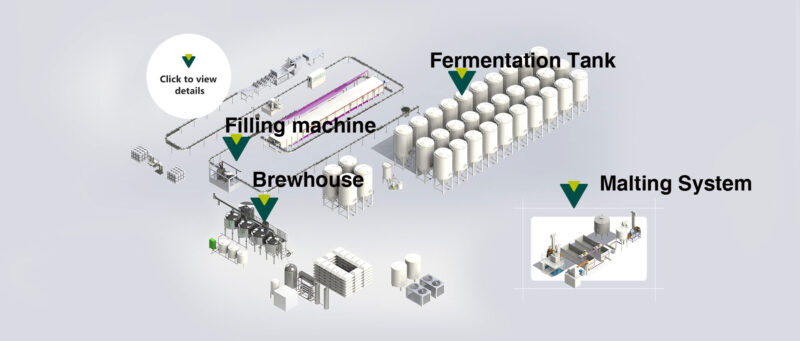
1.2 Use zoning: dirty, wet, clean, and food-safe
A professional layout typically includes:
- Dust zone: milling and grist case (explosion/dust control, housekeeping)
- Wet/process zone: brewhouse, CIP, floor drainage, steam/condensate
- Cellar/clean zone: fermentation, brite tanks, lab sampling points
- Packaging zone: depalletizing, filler, seam inspection, pasteurization (if used), pack-out
- Cold zone: finished goods cooler and/or staging
Key layout KPI: minimize cross-traffic between forklifts (logistics) and foot traffic (operators/lab).
1.3 Utilities “spine” planning (future-proof your plant)
Plan a utilities corridor or overhead rack early:
- Steam/hot water
- Glycol supply/return
- Compressed air (dry, oil-free where needed)
- CO2 supply and recovery (optional)
- Electrical distribution and MCCs
- Water (city, RO, hot liquor, chilled water)
- Drainage and trench drains
This reduces install cost and downtime later when you expand tanks or add packaging.
1.4 Waste streams are part of the layout
Spent grain, trub, yeast, and wastewater must have a safe, fast exit path. If your spent grain tote route crosses packaging or the lab, you’ll fight contamination risk and inefficiency forever.

2) Key Equipment Needed for Efficient Beer Production
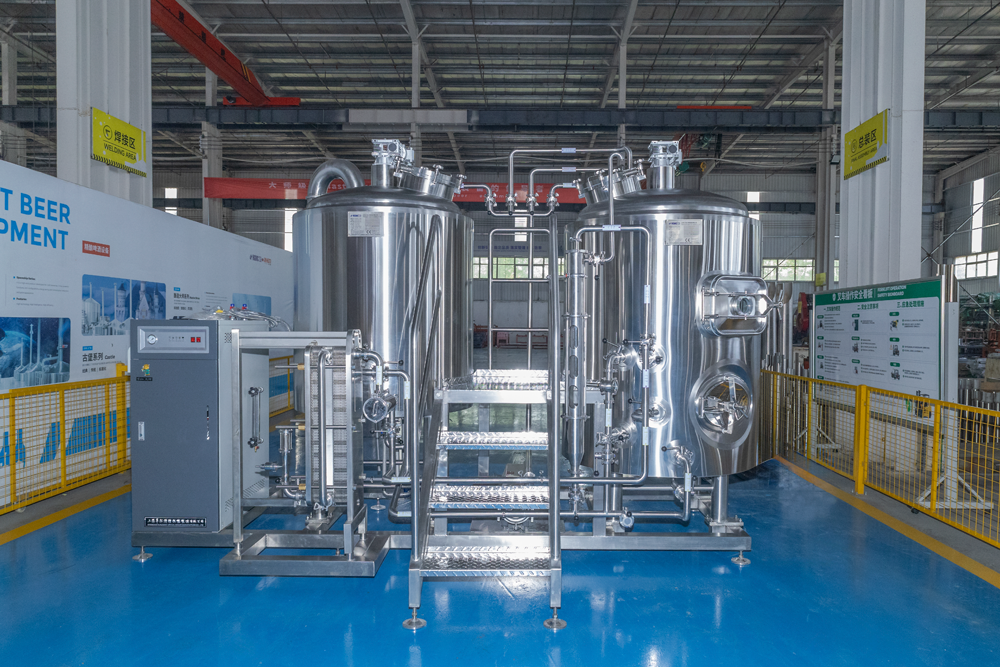
2.1 Brewhouse: consistency + heat management
Core brewhouse equipment:
- Mash mixer / mash tun
- Lauter tun or mash filter (higher extract efficiency potential, higher complexity)
- Kettle (often the most fuel-intensive step; wort boiling energy efficiency matters)
- Whirlpool
- Plate heat exchanger (PHE)
- Hot liquor tank (HLT) and cold liquor tank (CLT) if used
Efficiency tip: heat recovery (e.g., kettle vapor condenser, hot water recovery) can materially reduce fuel use over time—worth highlighting for readers focused on OPEX.
2.2 Cellar: fermentation control is quality control
- Fermenters sized for your brew cycle and peak seasonality
- Brite tanks for carbonation and packaging buffer
- Glycol chiller sized for peak load (not average)
- CIP system (central skid or mobile) with validated cycles
- Yeast management: brink, propagation (if applicable), oxygenation, aeration filtration
2.3 Packaging: choose the line that matches your reality
- Keg washer/filler (semi-auto vs fully automatic)
- Canning line (throughput, DO pickup performance, changeover time)
- Bottle line (if needed)
- Labeling, date coding, and pack-out conveyors
- QA instruments: seam gauge/microscope (cans), DO meter, CO2 meter, pressure testers
Efficiency tip: many small breweries lose more time to changeovers than to filling speed. If you have many SKUs, prioritize “fast change” design.
2.4 Lab + QA/QC tools (small investments, big payoff)
Baseline lab kit:
- Hydrometer/densitometer, pH meter
- Microscopy + cell counting for yeast health
- ATP swabs or microbiological plating strategy (in-house or external lab partner)
- Dissolved oxygen (DO) testing for packaged beer shelf life
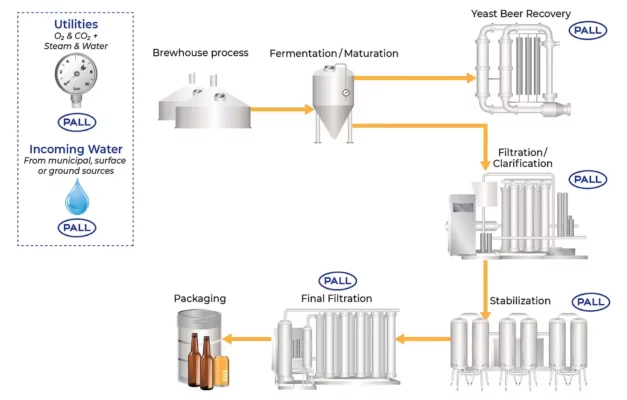
3) Understanding the Brewing Process: From Grain to Glass
A clear process explanation helps SEO (it matches how people search) and improves buyer confidence.
- Milling
Goal: open the husk, expose endosperm. Too fine increases lautering problems; too coarse reduces extract.
- Mashing
Enzymes convert starch to fermentable sugars. Temperature and time determine fermentability and body.
- Lautering / Filtration
Separate sweet wort from spent grain. The goal is clarity and extract yield without tannin extraction.
- Boil + Hops
Sterilizes wort, drives off volatiles, isomerizes hop acids, and concentrates wort. It’s also often a major thermal energy consumer, so kettle and heat recovery choices matter.
- Whirlpool
Removes trub and hop matter; improves downstream fermentation stability.
- Wort Cooling + Aeration
Cool to fermentation temperature, oxygenate to yeast specs, minimize contamination risk.
- Fermentation
Yeast converts sugars to alcohol and CO2. Temperature control and yeast health are non-negotiable.
- Conditioning / Maturation
Clarification, carbonation, flavor cleanup, stability steps.
- Packaging
Minimize oxygen pickup, validate seams/caps, ensure sanitation, and maintain cold chain where required.
4) Selecting the Right Ingredients for Quality Beer
Malt
- Choose consistent suppliers with lot-to-lot COAs
- Store dry, manage pests, rotate inventory (FIFO)
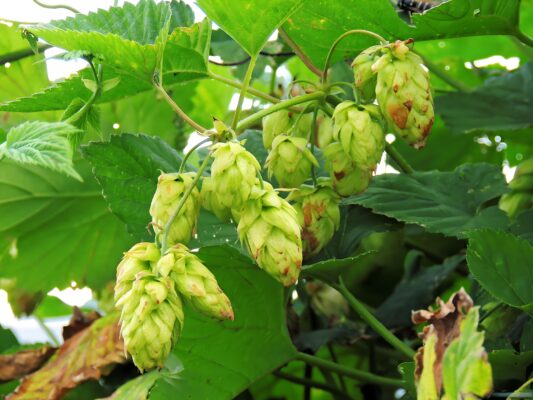
Hops
- Cold storage and oxygen barrier packaging protect aroma compounds
- Track alpha acids, oil fractions, and harvest year
Yeast
- Decide: repitch program vs single-use pitches
- Track generations, viability, and contamination checks
Water
Water is a “hidden ingredient.” Many breweries use:
- Carbon filtration (chlorine/chloramine removal)
- Reverse osmosis (RO) + mineral additions for style control
If you want a credibility signal in the article: emphasize that repeatable water chemistry is a major lever for repeatable beer.
5) Effective Strategies for Quality Control in Brewing
5.1 Build QC into the process (not at the end)
Practical checkpoints:
- Incoming COAs (malt/hops)
- Mash pH and gravity
- Knockout gravity and wort clarity
- Fermentation curve tracking (gravity, pH, temperature)
- Micro checks (yeast brink, FV, brite, packaged)
- Packaging oxygen (DO) and seam/crown integrity
5.2 HACCP mindset: systematic risk control
HACCP is a widely recognized, structured approach to identifying and controlling food safety hazards (hazard analysis, CCPs, limits, monitoring, corrective actions, verification, and records).
Authoritative overview: U.S. FDA HACCP principles. https://www.fda.gov/food/hazard-analysis-critical-control-point-haccp/haccp-principles-application-guidelines
Even if your local rules don’t mandate HACCP, adopting the discipline improves consistency and audit readiness.
6) Regulatory Requirements for Operating a Brewery (High-Level)
Regulatory scope depends on country/state. A globally safe way to write this section (for SEO and accuracy) is to outline categories:
- Business licensing and zoning approvals
- Alcohol production permits (federal/national)
- Food safety requirements (sanitation, records, traceability)
- Labeling and claims rules
- Excise tax reporting
- Wastewater discharge rules
- Worker safety (chemicals, confined space, CO2 hazards)
U.S. example (for credibility):
- TTB: applying for permits/registrations; no federal fee to apply. https://www.ttb.gov/online-services/applications
- TTB: brewery operations requirements hub. https://www.ttb.gov/business-central/requirements-for-new-brewery-operations
- TTB: tax rates. https://www.ttb.gov/taxes/tax-audit/tax-and-fee-rates
Important: in your article, add a disclaimer that readers must consult local regulators and qualified professionals.
7) Tips for Marketing and Distributing Your Brewed Products (and Your Brewery Equipment)
Since you are an equipment manufacturer promoting on Google, your article should subtly align with commercial intent without being overly salesy.
7.1 Match content to search intent
Common high-intent queries:
- “brewery layout design”
- “brewery equipment list”
- “10 bbl brewery cost”
- “brewery utilities requirements”
- “brewery CIP system”
Include internal links (on your site) to:
- brewhouse product pages
- cellar tanks
- glycol systems
- turnkey layout planning services (if you offer)
- case studies and commissioning checklists
FAQ (Add This as a Dedicated Q&A Block for SEO)
Q1: What is the best brewery layout for a small craft brewery?
A: The best layout is a one-way flow from raw receiving → brewhouse → cellar → packaging → cold storage, with clear separation between dusty/dirty zones (milling, wastewater, spent grain) and clean zones (cellar, packaging). This reduces contamination risk and improves labor efficiency.
Q2: How do I choose the right brewhouse size?
A: Start with annual production goals, number of brew days per week, tank residency time (fermentation + conditioning), and packaging mix. Many breweries under-size cellar capacity relative to brewhouse size; it’s usually better to balance tank turns than to chase a larger kettle.
Q3: What equipment is essential for consistent beer quality?
A: Beyond tanks, the essentials are temperature control (glycol), sanitation (CIP), and measurement (pH, gravity, DO, seam/crown checks). Consistency comes from controlling variables and recording data, not from “bigger stainless.”
Q4: How much water does a brewery use?
A: Water use varies widely. The Brewers Association notes that breweries without water conservation plans can use upwards of 10 gallons of water to produce 1 gallon of beer, while well-managed operations can significantly improve that ratio. https://www.brewersassociation.org/resource-hub/water-usage/
Q5: Is it expensive to apply for a U.S. federal brewery permit?
A: The TTB states there is no fee at the federal level to apply for or maintain approval to operate TTB-regulated alcohol businesses (state/local costs may still apply). https://www.ttb.gov/online-services/applications
Q6: What are the most common brewery quality-control failures in packaging?
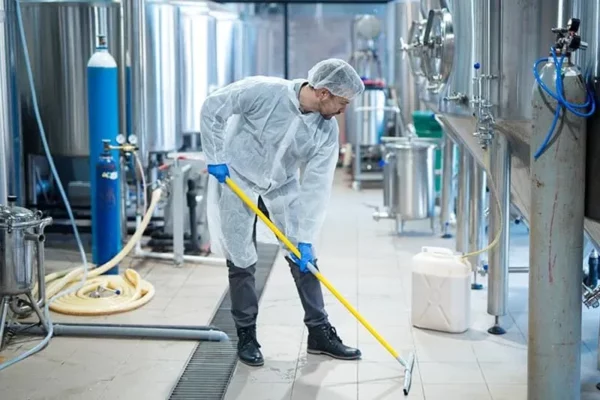
A: Oxygen pickup, poor seam/crown integrity, inadequate sanitation, and temperature abuse in storage/distribution. A DO program plus seam/crown inspection and validated cleaning routines typically prevents most issues.
Q7: How can a brewery reduce energy costs?
A: Focus on heat recovery (hot water reuse), efficient wort boiling strategies, insulation, optimized CIP temperatures, and right-sized refrigeration. Wort boiling is commonly referenced as a fuel-intensive step, making kettle design and recovery options especially important. https://eta-publications.lbl.gov/sites/default/files/lbnl-50979.pdf
Conclusion: A “Successful Brewery Setup” Is a Repeatable System
A high-performing brewery is designed like a production system: layout supports flow, equipment supports control, utilities support stability, and QC supports repeatability. If your marketing goal is to attract serious brewery investors and operators, the most persuasive content is practical detail, credible benchmarks, and clear visuals that help them plan—and trust you.
