
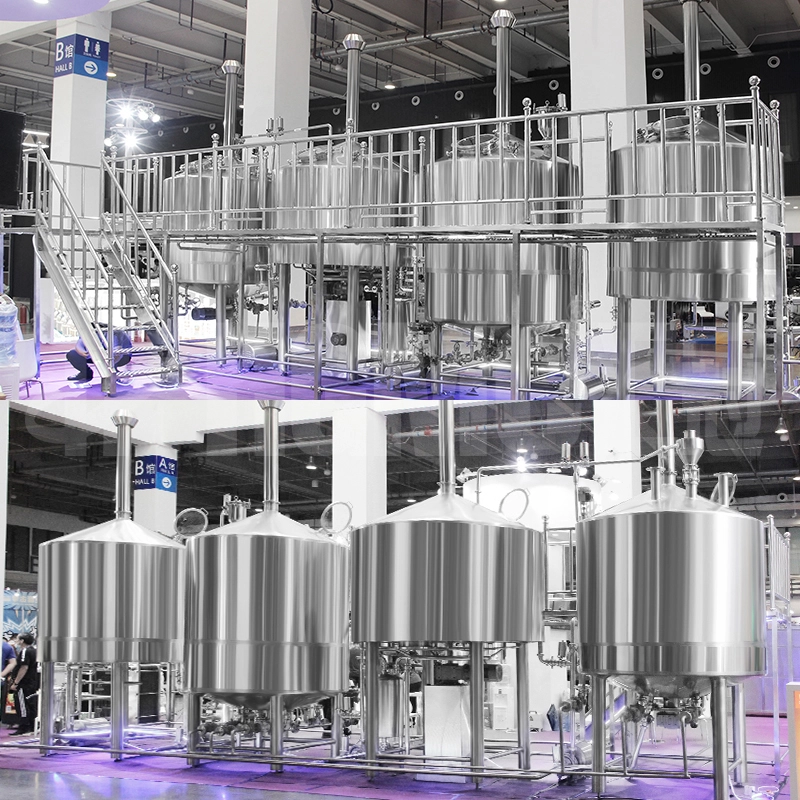
Comprehensive guide to selecting the right brewing system for your commercial brewery. Expert analysis of types, capacity planning, quality assessment, pricing, and ROI with authoritative industry data.
Introduction
Selecting the right brewing system is one of the most critical investment decisions for any commercial brewery operation. Whether you’re launching a craft brewery startup or scaling an established production facility, understanding the nuances of brewing equipment can mean the difference between operational excellence and costly inefficiencies.
The global brewing equipment market reached $18.7 billion in 2025 and is projected to grow at a CAGR of 6.8% through 2030, according to Grand View Research. This growth reflects not only the expansion of craft brewing worldwide but also the increasing sophistication of brewing technology—from automated systems with IoT integration to energy-efficient designs that reduce operational costs by up to 40%.
This comprehensive guide examines everything you need to know about brewing systems: from understanding different configurations and key selection criteria to evaluating capacity requirements, assessing quality standards, budgeting strategies, and researching manufacturer reputation. Our analysis draws on industry benchmarks from the Brewers Association (BA), Master Brewers Association of Americas (MBAA), and technical standards from ASME and 3-A Sanitary Standards.
<empty block />
Understanding Different Types of Brewing Systems Available on the Market
Brewing System Configurations: The Foundation of Your Brewery
Modern brewing systems come in several distinct configurations, each designed for specific production scales and brewing philosophies:
2-Vessel Brewing Systems
2-vessel systems combine the mash/lauter tun and the brew kettle/whirlpool into two distinct vessels. This configuration is ideal for:
- Startup craft breweries (3-10 BBL capacity)
- Brewpubs with limited floor space
- Operations prioritizing capital efficiency
According to MBAA technical data, 2-vessel systems typically offer 15-20% lower initial capital costs compared to 3-vessel configurations, while maintaining flexibility for diverse beer styles. The trade-off comes in slightly longer brew cycles—typically 6-8 hours per batch versus 5-6 hours for multi-vessel systems.
<aside> 📊
DATA INSIGHT: The Brewers Association 2025 survey found that 42% of breweries under 1,000 BBL annual production utilize 2-vessel systems, citing space efficiency and lower upfront investment as primary drivers.
</aside>
3-Vessel Brewing Systems
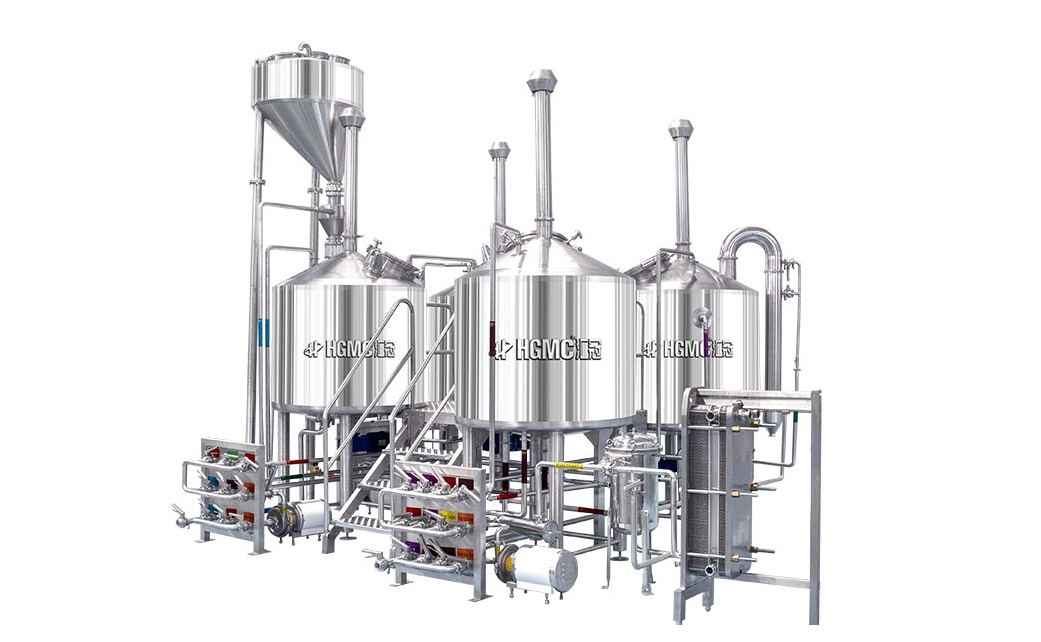
3-vessel systems separate the mash tun, lauter tun, and brew kettle, offering enhanced process control and throughput:
- Mid-size craft breweries (10-30 BBL batches)
- Regional producers requiring 2-3 brews daily
- Quality-focused operations demanding precise temperature control
This configuration enables overlapping brew cycles, where mashing for the next batch begins while the previous batch is still boiling. Industry benchmarks show 3-vessel systems can achieve 25-30% higher daily throughput compared to 2-vessel setups of equivalent brewhouse size.
4-Vessel Brewing Systems
4-vessel systems add a dedicated whirlpool, providing maximum flexibility and efficiency:
- Large-scale craft breweries (30+ BBL batches)
- Production breweries running 4-6 brews daily
- Operations requiring maximum OEE (Overall Equipment Effectiveness)
Industrial data from ASBC shows that 4-vessel systems, when properly operated, can achieve OEE ratings of 85-92%—significantly higher than the industry average of 65-75% for smaller configurations.
<aside> ⚙️
TECHNICAL NOTE: 4-vessel systems with automated controls can reduce batch variance to ±0.3°C temperature precision and ±0.2°P gravity consistency, critical for maintaining brand quality across large production volumes.
</aside>
Automation Levels: From Manual to Fully Automated
Brewing systems span a spectrum of automation sophistication:
Manual Systems
- Best for: Nano-breweries, experimental batches
- Characteristics: Operator-controlled valves, manual temperature monitoring
- Investment: $50,000-$150,000 for 3-7 BBL systems
Semi-Automated Systems
- Best for: Small to mid-size craft breweries
- Characteristics: PLC-controlled temperature, automated CIP sequences, recipe storage
- Investment: $150,000-$500,000 for 10-20 BBL systems
- Efficiency gain: 15-20% reduction in labor costs (MBAA data)
Fully Automated Systems
- Best for: Production breweries, high-volume operations
- Characteristics: SCADA integration, IoT monitoring, predictive maintenance, remote control
- Investment: $500,000-$2,000,000+ for 30+ BBL systems
- Efficiency gain: 30-40% reduction in operational costs, 50-60% reduction in batch variance
<empty block />
Key Features to Consider When Selecting a Brewing System
Material Quality and Construction Standards
Stainless steel grade is the foundation of brewing system longevity:
- 304 Stainless Steel: Industry standard for most brewing applications, excellent corrosion resistance
- 316 Stainless Steel: Superior for high-chloride environments, coastal locations, or operations using aggressive cleaning chemicals
Reputable manufacturers like HGMC utilize ASME-certified pressure vessels and 3-A Sanitary Standards construction, ensuring:
- Weld quality meeting ASME Section VIII standards
- Ra < 0.8 μm surface finish on product-contact surfaces
- Tri-clamp connections for easy cleaning and maintenance
Temperature Control Precision
Temperature control directly impacts beer quality and consistency:
- ±0.5°C precision: Minimum standard for craft brewing
- ±0.3°C precision: Recommended for lager production and large-scale operations
- Glycol system capacity: Should maintain -3°C to -5°C glycol temperature under full load
Industry testing shows that temperature variations exceeding ±1°C during fermentation can result in detectable flavor differences and up to 15% reduction in yeast viability for subsequent generations.
Heat Exchanger Efficiency
Heat exchange technology impacts both beer quality and energy costs:
- Plate heat exchangers: 92-95% thermal efficiency, compact design
- Tube-in-shell exchangers: 85-90% efficiency, easier maintenance
- Heat recovery systems: Can recapture 25-35% of brewing energy, reducing utility costs
<aside> 💡
SUSTAINABILITY INSIGHT: Breweries implementing comprehensive heat recovery systems report annual energy savings of $15,000-$50,000 per 10,000 BBL production (data from Brewers Association Sustainability Benchmarking).
</aside>
CIP (Clean-in-Place) System Design
Effective sanitation is non-negotiable in brewing:
- Automated CIP sequences: Reduce chemical usage by 20-30% versus manual cleaning
- Spray ball design: Proper coverage ensures all surfaces reach >75°C during sanitization
- CIP return pumps: Sized for 1.5-2.0 GPM per square foot of tank surface area
MBAA technical guidelines recommend CIP cycle documentation with flow meters, temperature probes, and conductivity sensors to validate cleaning efficacy.
Control System Architecture
Modern brewing systems utilize:
- PLCs (Programmable Logic Controllers): Allen-Bradley, Siemens, or equivalent industrial-grade controllers
- HMI (Human-Machine Interface): Touchscreen control panels with intuitive recipe management
- SCADA integration: Real-time monitoring, data logging, and remote access capability
- Recipe storage: Digital recipe libraries with version control and batch tracking
Production breweries report that automated recipe execution reduces batch variance by 40-60% compared to manual operations.
<empty block />
Evaluating Brewing Capacity Based on Your Needs
Brewhouse Sizing Methodology
Proper capacity planning requires analyzing three key variables:
1. Target Annual Production Volume
Start with your 3-year production projection:
Example calculation:
- Target: 5,000 BBL annual production
- Assuming 250 brewing days per year
- Required daily output: 20 BBL
- Recommended brewhouse size: 15-20 BBL (allowing 1-2 brews per day)
2. Fermentation-to-Brewhouse Ratio
Industry standard ratios vary by beer style:
- Ales (10-14 day fermentation): 3:1 to 3.5:1 ratio
- Lagers (21-28 day fermentation): 4:1 to 5:1 ratio
- Mixed fermentation (60+ days): 6:1 to 8:1 ratio
Example: A 20 BBL brewhouse producing primarily ales requires 60-70 BBL of fermentation capacity (three to four 20 BBL fermenters).
<aside> 📈
CAPACITY PLANNING FORMULA:
Fermentation Capacity (BBL) = Brewhouse Size (BBL) × Brews per Week × Average Fermentation Time (weeks)
For a 15 BBL brewhouse running 8 brews/week with 2-week fermentation:
15 BBL × 8 brews × 2 weeks = 240 BBL minimum fermentation capacity
</aside>
3. Growth Buffer and Seasonality
Brewers Association data shows craft breweries experience:
- Average annual growth: 8-15% for successful operations
- Seasonal peaks: 25-40% volume increase in summer months
Best practice: Size fermentation capacity for 125-150% of Year 3 projected demand to avoid immediate expansion costs.
Space Requirements and Facility Planning
Brewhouse floor space requirements:
- 2-vessel systems: 400-600 sq ft
- 3-vessel systems: 600-900 sq ft
- 4-vessel systems: 900-1,200 sq ft
Additional space allocations:
- Fermentation cellar: 30-40 sq ft per 20 BBL fermenter
- Glycol system: 100-150 sq ft
- CIP equipment: 80-120 sq ft
- Hot liquor storage: 150-200 sq ft
Ceiling height requirements: Minimum 16-18 feet for small systems, 20-24 feet for production breweries (accommodates fermenters, piping, and overhead utilities).
<empty block />
Assessing Quality and Durability of Brewing Equipment
Certification and Compliance Standards
Reputable brewing systems should carry multiple certifications:
ASME Certification
- Section VIII, Division 1: Pressure vessel design and fabrication
- U-stamp: Third-party inspection verification
- Critical for: Brew kettles, pressure fermenters, bright beer tanks
3-A Sanitary Standards
- Standard 01: Milk and milk products equipment (adapted for brewing)
- Standard 63: Fittings and connections
- Ensures: Cleanability, drainage, and microbiological safety
CE Marking (for European operations)
- Pressure Equipment Directive (PED): Safety requirements
- Machinery Directive: Operational safety standards
ISO 9001 Quality Management
- Manufacturer quality system certification
- Ensures consistent production standards and traceability
<aside> ✓
QUALITY BENCHMARK: Top-tier manufacturers like HGMC maintain ISO 9001 certification and provide full material traceability with mill certificates for all stainless steel components. This documentation is essential for insurance, financing, and regulatory compliance.
</aside>
Weld Quality and Inspection
Welding standards directly impact system longevity:
- TIG welding: Industry standard for stainless steel brewing equipment
- Weld inspection: Dye penetrant testing or X-ray inspection on critical welds
- Passivation: Chemical treatment creating protective chromium oxide layer
Warning signs of poor quality:
- Visible weld porosity or discoloration
- Inconsistent weld bead appearance
- Lack of weld documentation or mill certificates
Component Quality: Valves, Pumps, and Instrumentation
Premium brewing systems utilize:
- Valves: Pneumatic butterfly valves (Alfa Laval, GEA, or equivalent)
- Pumps: Centrifugal or positive displacement (Grundfos, Waukesha standards)
- Temperature sensors: Pt100 RTDs (±0.1°C accuracy class)
- Pressure gauges: Glycerin-filled, stainless steel construction
Component quality impacts maintenance costs: Industry data shows that premium components reduce annual maintenance by 35-50% compared to economy alternatives.
Warranty and Service Commitments
Manufacturer warranty indicates confidence in quality:
- Industry standard: 1-year parts and labor warranty
- Premium manufacturers: 2-3 year extended warranties
- Critical considerations: Warranty coverage for automation components, shipping costs for replacement parts, service response time commitments
Service availability: Evaluate manufacturer’s technical support structure—phone support, video diagnostics, on-site service availability, and spare parts inventory.
<empty block />
The Importance of Ease of Use and Maintenance in Brewing Systems
Operational Efficiency and Labor Requirements
System design dramatically affects labor needs:
Manual Systems
- Labor requirement: 2-3 operators per brew day
- Skill level: Experienced brewers required
- Training time: 3-6 months to proficiency
Semi-Automated Systems
- Labor requirement: 1-2 operators per brew day
- Skill level: Trained operators with brewing knowledge
- Training time: 1-3 months to proficiency
- Labor cost savings: 15-25% versus manual operations
Fully Automated Systems
- Labor requirement: 1 operator monitoring multiple batches
- Skill level: Technical operator with system training
- Training time: 2-4 weeks to basic proficiency
- Labor cost savings: 30-45% versus manual operations
<aside> 🎯
ROI CASE STUDY: A 20 BBL semi-automated brewery running 10 brews per week reported $45,000 annual labor cost savings compared to manual operations, with automation investment paying back in 22 months (Source: MBAA Brewery Operations Survey 2025).
</aside>
Maintenance Accessibility and Design
Easy maintenance reduces downtime and costs:
- Tri-clamp connections: Tool-free disassembly for inspection and cleaning
- Access ports: Adequate manways and inspection ports on all vessels
- Pump positioning: Floor-mounted with isolation valves for easy service
- Electrical panels: Organized wiring with labeled components
Maintenance time benchmarks:
- Daily cleaning: 2-4 hours for manual systems, 1-2 hours for automated CIP
- Preventive maintenance: 4-8 hours monthly for routine inspection
- Annual shutdown: 40-80 hours for comprehensive system inspection
Training and Documentation
Comprehensive training programs include:
- On-site installation training: 3-5 days with manufacturer technicians
- Operations manuals: Detailed procedures, troubleshooting guides, maintenance schedules
- Video resources: Digital training libraries for ongoing reference
- Recipe development support: Assistance optimizing recipes for new equipment
Best practice: Manufacturers offering ongoing technical support and annual refresher training demonstrate commitment to customer success.
<empty block />
Price Range Considerations and Budgeting for Brewing Equipment
Brewing System Investment by Scale
Nano-Brewery Systems (1-3 BBL)
- Price range: $35,000 – $80,000
- Includes: Basic brewhouse, 2-3 fermenters, glycol chiller
- Target market: Experimental breweries, brewpubs, startup operations
Small Craft Brewery (7-15 BBL)
- Price range: $150,000 – $400,000
- Includes: 2-3 vessel brewhouse, 4-6 fermenters, semi-automated controls, CIP system
- Target market: Established brewpubs, regional craft brands
Mid-Size Production (20-30 BBL)
- Price range: $400,000 – $900,000
- Includes: 3-4 vessel brewhouse, 6-10 fermenters, automated controls, energy recovery
- Target market: Growing regional breweries, contract brewing operations
Large-Scale Production (50+ BBL)
- Price range: $1,000,000 – $3,000,000+
- Includes: Fully automated 4-vessel system, extensive fermentation cellar, SCADA integration, comprehensive utilities
- Target market: Regional and national craft brands
<aside> 💰
TOTAL PROJECT COSTS: Brewing equipment typically represents 40-50% of total project cost. Additional budget allocations include:
- Facility construction/renovation: 25-30%
- Utilities and infrastructure: 10-15%
- Packaging equipment: 10-15%
- Installation and commissioning: 5-8%
- Working capital and inventory: 10-15% </aside>
Financing Options and ROI Considerations
Equipment Financing Structures
SBA Loans (USA):
- Loan amounts: $50,000 – $5,000,000
- Terms: 10-25 years
- Interest rates: 7-11% (2026 rates)
- Down payment: 10-20%
Equipment Leasing:
- Terms: 5-7 years typical
- Advantages: Preserve working capital, potential tax benefits
- Considerations: Higher total cost versus ownership
Manufacturer Financing:
- Some suppliers offer direct financing or partnerships with lenders
- Often streamlined approval for qualified buyers
ROI Calculation Framework
Brewery equipment ROI depends on multiple factors:
Revenue per BBL: $250-400 (craft beer wholesale pricing)
Production costs per BBL: $80-150 (ingredients, labor, utilities)
Gross margin: $170-250 per BBL
Example ROI calculation for $500,000 investment in 20 BBL system:
- Annual production: 2,000 BBL (2 brews/week)
- Gross margin per BBL: $200
- Annual gross profit: $400,000
- Operating expenses: $250,000
- Annual EBITDA: $150,000
- Payback period: 3.3 years
Industry benchmarks: Brewers Association data shows successful craft breweries achieve 18-36 month payback periods on equipment investments.
Hidden Costs and Budget Contingencies
Budget for additional expenses often overlooked:
- Shipping and logistics: 5-8% of equipment cost (international orders)
- Import duties and taxes: Varies by location (0-15%)
- Installation labor: $20,000-$80,000 depending on complexity
- Electrical upgrades: $15,000-$50,000 for adequate power capacity
- Plumbing and drainage: $10,000-$30,000
- Glycol piping and insulation: $8,000-$25,000
- Commissioning and startup: $5,000-$15,000
- Training travel expenses: $3,000-$8,000
Best practice: Add 15-20% contingency to equipment budget for unforeseen costs.
<empty block />
Researching Brand Reputation and Customer Reviews for Brewing Systems
Evaluating Manufacturer Credentials
Company History and Experience
Key evaluation criteria:
- Years in business: Established manufacturers (10+ years) demonstrate market staying power
- Installation portfolio: Number and scale of reference installations
- Industry certifications: ISO 9001, ASME authorization, industry association memberships
- Engineering capabilities: In-house design teams, testing facilities, R&D investment
Leading manufacturers like HGMC, Newlands Systems, Portland Kettle Works, and Premier Stainless demonstrate decades of combined experience serving craft and production breweries worldwide.
Reference Installations and Case Studies
Due diligence steps:
- Request reference list: 5-10 similar-scale installations
- Contact brewery operators: Ask about reliability, service experience, production efficiency
- Site visits: Observe equipment in operation when possible
- Performance verification: Request actual OEE data, maintenance logs, utility consumption
Critical questions for references:
- How closely did actual performance match manufacturer claims?
- What unexpected issues arose during commissioning?
- How responsive is manufacturer service?
- Would you purchase from this manufacturer again?
Industry Recognition and Awards
Reputable manufacturers earn recognition through:
- Craft Brewers Conference exhibitors: Regular presence at BA conferences
- Industry publication features: Coverage in brewing trade media
- Innovation awards: Recognition for technological advancement
- Sustainability certifications: Environmental management systems
Online Reviews and Industry Forums
Research channels:
- ProBrewer forum (probrewer.com): Active community discussions
- Brewers Association member forums: Peer insights
- Industry Facebook groups: “Craft Brewing Business” and regional groups
- Google Business reviews: Customer satisfaction indicators
- Better Business Bureau: Complaint history and resolution
Review analysis tips:
- Look for patterns across multiple reviews
- Weigh recent reviews more heavily (last 2-3 years)
- Assess manufacturer responses to negative feedback
- Distinguish equipment issues from installation/operator problems
Service Network and Parts Availability
Critical for long-term success:
- Domestic service presence: Local technicians reduce response time and travel costs
- Parts inventory: Stocked common components for rapid replacement
- Technical support hours: 24/7 emergency support versus business hours only
- Remote diagnostics: Video support and remote PLC access capabilities
International considerations: For imported equipment, verify:
- Distributor/service partner network in your region
- Parts warehousing locations
- Warranty service procedures and response times
- Language support for technical documentation
<aside> 🔍
DUE DILIGENCE CHECKLIST:
✓ Verify manufacturer certifications (ISO, ASME)
✓ Contact 3-5 reference breweries
✓ Review online forums and social media feedback
✓ Assess service network coverage in your region
✓ Compare warranty terms across manufacturers
✓ Request detailed equipment specifications and performance data
✓ Evaluate financing options and total project costs
</aside>
<empty block />
Frequently Asked Questions (FAQ)
Q1: What size brewing system do I need for a startup craft brewery?
A: For most startup craft breweries, a 7-15 BBL brewhouse provides optimal balance between production flexibility and capital efficiency. Based on Brewers Association data, this size allows:
- Production capacity: 500-2,000 BBL annually
- 1-3 brews per week initially, scaling to daily brewing
- Sufficient volume for local distribution (taproom + 15-30 accounts)
- Investment range: $150,000-$400,000 for complete system
Consider your 3-year business plan: if projections exceed 2,000 BBL annually, consider 15-20 BBL to avoid immediate capacity constraints.
Q2: Should I choose a 2-vessel or 3-vessel brewing system?
A: The decision depends on your production goals and space constraints:
Choose 2-vessel if:
- Limited floor space (< 600 sq ft available)
- Budget constraint is primary concern
- Single brew per day meets production needs
- Producing diverse beer styles requiring flexibility
Choose 3-vessel if:
- Planning 2+ brews daily within 2 years
- Prioritizing efficiency and throughput
- Adequate floor space (600-900 sq ft)
- Budget allows 15-20% premium investment
Industry data shows 3-vessel systems provide superior ROI for breweries exceeding 1,500 BBL annual production due to improved efficiency.
Q3: How important is automation in a brewing system?
A: Automation level should match your operation’s scale and sophistication:
Manual systems work for:
- Nano-breweries (< 500 BBL annually)
- Experimental/pilot brewing
- Operations with experienced brewers who value hands-on control
Semi-automated systems (recommended for most craft breweries):
- Reduce labor costs 15-25%
- Improve batch consistency
- Enable single-operator brewing
- ROI typically achieved in 18-30 months
Fully automated systems (for production breweries):
- Essential for operations > 5,000 BBL annually
- Reduce batch variance by 40-60%
- Enable remote monitoring and predictive maintenance
- Higher capital cost justified by operational efficiency
MBAA research shows that semi-automated systems provide optimal cost-benefit ratio for craft breweries in the 1,000-5,000 BBL annual production range.
Q4: What’s the typical lifespan of commercial brewing equipment?
A: With proper maintenance, quality brewing systems last:
- Stainless steel vessels: 20-30+ years
- Heat exchangers: 15-20 years
- Pumps and valves: 10-15 years (with regular rebuild/replacement)
- Automation components: 8-12 years (technology upgrade cycles)
- Glycol chillers: 15-20 years
Maintenance best practices to maximize lifespan:
- Daily CIP procedures following manufacturer protocols
- Quarterly preventive maintenance inspection
- Annual comprehensive system inspection and passivation
- Immediate repair of any leaks or malfunctions
- Water treatment to minimize scale buildup
Breweries maintaining rigorous maintenance schedules report 50-70% lower lifetime cost of ownership versus reactive maintenance approaches.
Q5: What certifications should I look for in brewing equipment?
A: Essential certifications vary by location:
United States:
- ASME U-stamp: Required for pressure vessels (fermenters, bright tanks)
- 3-A Sanitary Standards: Ensures cleanability and food safety
- UL/ETL electrical certification: Safety for electrical components
European Union:
- CE marking: Mandatory for pressure equipment and machinery
- PED compliance: Pressure Equipment Directive
International operations:
- ISO 9001: Quality management system certification
- Material certifications: Mill certificates for stainless steel traceability
Insurance and financing considerations: Most lenders and insurers require ASME certification for pressure vessels. Equipment lacking proper certification may be uninsurable and difficult to finance.
Q6: How much should I budget for installation beyond equipment cost?
A: Installation and supporting infrastructure typically adds 30-50% to equipment cost:
Installation labor: 8-12% of equipment cost
- Rigging and positioning
- Piping and connections
- Electrical work
- System commissioning
Utilities infrastructure: 15-25%
- Electrical upgrades (200-400A service typical)
- Gas supply (natural gas or steam)
- Water supply and treatment
- Drainage and wastewater systems
- Compressed air system
Building modifications: 10-20%
- Floor reinforcement (100-150 psf load capacity)
- Ceiling height accommodation
- HVAC requirements
- Explosion-proof zones (if required)
Example: $500,000 equipment purchase should budget $150,000-$250,000 for installation and infrastructure, bringing total project cost to $650,000-$750,000.
Q7: Is it better to buy new or used brewing equipment?
A: Each approach has distinct trade-offs:
New equipment advantages:
- Latest technology and automation
- Full warranty coverage
- Custom configuration for your specific needs
- Financing more readily available
- No hidden maintenance issues
Used equipment advantages:
- 40-60% cost savings versus new
- Immediate availability (no manufacturing lead time)
- Proven track record in operation
- Potential for “like-new” equipment from closed breweries
Used equipment risks:
- Limited or no warranty
- Potential hidden damage or wear
- May not meet current code requirements
- Modification costs to fit your facility
- Difficulty securing financing
Best practice: For core brewhouse equipment, new equipment provides superior long-term value. Consider used equipment for peripheral items (kegs, fermenters, bright tanks) where inspection can verify condition and certification carries over.
Q8: What are the ongoing operating costs for brewing systems?
A: Annual operating costs for brewing equipment include:
Utilities (per BBL produced):
- Electricity: $8-15 (refrigeration, pumps, controls)
- Natural gas/steam: $5-10 (heating brewing water, kettle boil)
- Water: $2-4 (brewing water, cooling, cleaning)
- Total utilities: $15-30 per BBL
Maintenance and chemicals:
- Preventive maintenance: $3,000-$8,000 annually
- Cleaning chemicals: $2-4 per BBL
- Spare parts: $5,000-$15,000 annually (3% of equipment value)
For 2,000 BBL annual production:
- Utilities: $30,000-$60,000
- Maintenance: $8,000-$23,000
- Cleaning chemicals: $4,000-$8,000
- Total annual operating cost: $42,000-$91,000
Cost reduction strategies:
- Heat recovery systems: reduce utilities 25-35%
- Automated CIP: reduce chemical costs 20-30%
- Preventive maintenance: reduce unexpected repairs 40-50%
Q9: How long does it take to get brewing equipment from order to operation?
A: Timeline varies by manufacturer and customization:
Standard configurations:
- Manufacturing: 12-16 weeks
- Shipping (domestic): 1-2 weeks
- Shipping (international): 4-8 weeks
- Installation: 2-4 weeks
- Commissioning: 1-2 weeks
- Total timeline: 4-7 months
Highly customized systems:
- Engineering and design: 4-8 weeks
- Manufacturing: 16-24 weeks
- Shipping: 1-8 weeks (depending on origin)
- Installation: 3-6 weeks
- Commissioning: 2-3 weeks
- Total timeline: 7-12 months
Planning tip: Begin manufacturer discussions 12-18 months before planned opening to accommodate design, manufacturing, and facility preparation.
Q10: What support should I expect from brewing equipment manufacturers?
A: Reputable manufacturers provide comprehensive support:
Pre-sale:
- Brewery design consultation
- Equipment sizing and configuration recommendations
- Layout drawings and 3D renderings
- Project budgeting assistance
- Reference brewery contacts
Installation and commissioning:
- On-site supervision (3-10 days typical)
- Operator training (5-10 days)
- Recipe development assistance
- System optimization
- Detailed operations manuals
Post-sale:
- Technical support hotline
- Troubleshooting assistance (phone, video, remote access)
- Preventive maintenance training
- Spare parts availability
- Annual system inspection (some manufacturers)
Warranty coverage:
- Standard: 1 year parts and labor
- Premium: 2-3 years extended warranty
- Response time commitments for service calls
Evaluate manufacturer support infrastructure before purchase—robust support differentiates premium manufacturers from commodity suppliers.
<empty block />
Conclusion: Making the Right Brewing System Investment
Selecting a commercial brewing system represents one of the most significant investments in your brewery’s future. The decision extends far beyond initial capital cost—it shapes production capabilities, operational efficiency, product quality, and ultimately, your brewery’s competitive position.
Key Takeaways
1. Match system configuration to your production goals: 2-vessel systems suit startup operations, while 3-4 vessel configurations provide the efficiency required for scaling production beyond 1,500 BBL annually.
2. Prioritize quality and certification: ASME-certified vessels, 3-A sanitary construction, and ISO 9001 manufacturing standards ensure reliability, safety, and longevity. The premium for quality equipment is recovered through reduced maintenance and longer service life.
3. Automation delivers measurable ROI: Semi-automated systems provide optimal cost-benefit for most craft breweries, reducing labor costs 15-25% and improving batch consistency. Full automation becomes essential for operations exceeding 5,000 BBL annually.
4. Plan fermentation capacity strategically: The 3:1 to 4:1 fermentation-to-brewhouse ratio for ales, and 4:1 to 5:1 for lagers, ensures adequate cellar capacity. Include 25-50% growth buffer to avoid immediate expansion costs.
5. Budget comprehensively: Total project costs typically run 2-2.5× equipment purchase price when including installation, utilities infrastructure, and working capital. Adequate budgeting prevents costly project delays.
6. Research manufacturer reputation thoroughly: Contact reference breweries, review industry forums, verify certification, and assess service network coverage. Manufacturer support quality directly impacts long-term ownership experience.
7. Calculate realistic ROI: Successful craft breweries achieve 18-36 month payback periods on equipment investments. Conservative financial projections with 15-20% contingency buffers protect against unforeseen costs.
The Path Forward
As the craft brewing industry continues evolving—with increasing quality expectations, competitive pressures, and sustainability requirements—brewing system selection becomes ever more critical. The equipment you choose today must serve not only your immediate production needs but also your vision for growth, efficiency, and market positioning over the next decade.
Companies like HGMC combine decades of brewing equipment engineering experience with modern manufacturing capabilities, offering systems that meet rigorous quality standards while providing the automation, efficiency, and support that modern breweries demand.
Whether you’re launching a startup craft brewery or scaling an established operation, investing time in thorough research, consulting with experienced manufacturers, and learning from the successes (and challenges) of existing breweries will yield dividends far exceeding the effort invested.
The craft brewing revolution continues to expand globally—and the right brewing system investment positions your brewery to thrive in this dynamic, exciting industry.
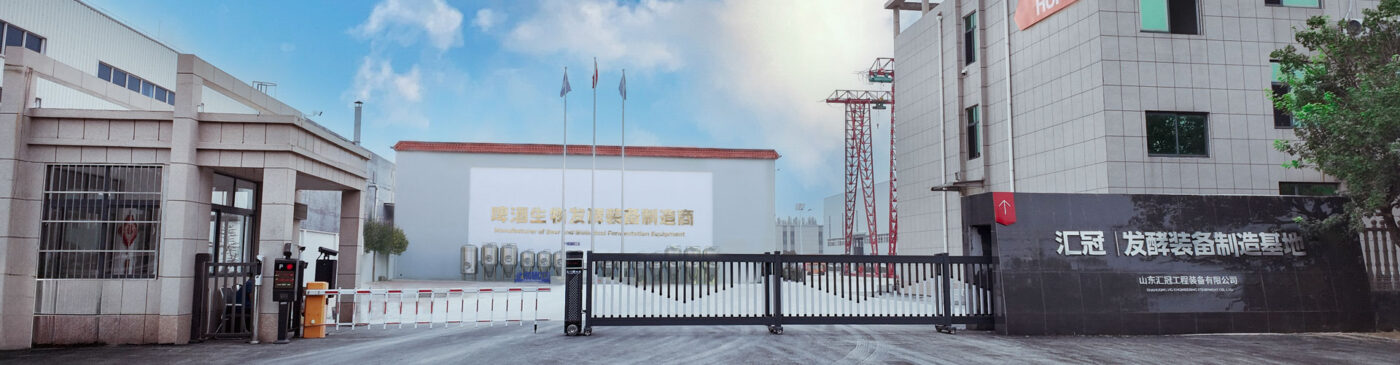
About HGMC: As a leading manufacturer of commercial brewing equipment, HGMC provides turnkey brewing systems from 3 BBL to 100+ BBL, serving craft breweries worldwide. Our ISO 9001-certified manufacturing facility produces ASME-compliant pressure vessels and 3-A sanitary brewing systems with industry-leading automation technology. Contact our brewing specialists for customized system design and project consultation.
