
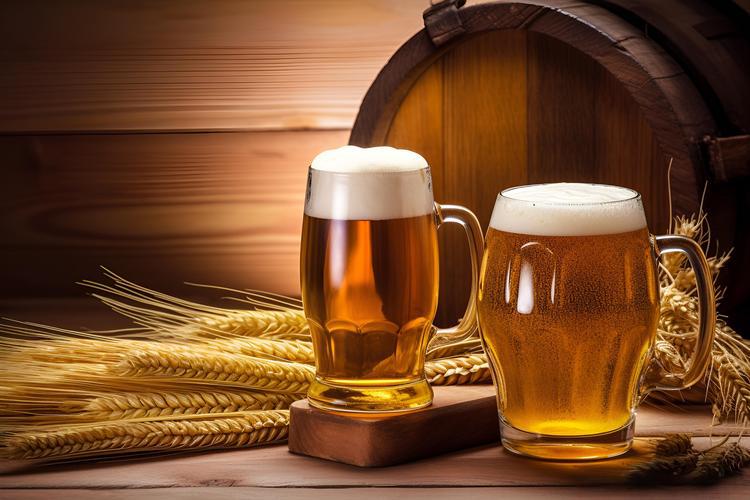
The craft beer industry continues to evolve at an unprecedented pace. As we move through 2026, brewery owners face critical decisions about equipment investments that will define their competitive position for years to come. This comprehensive guide examines market trends, equipment innovations, and strategic considerations for selecting the right craft beer equipment and manufacturing partner.
What Does the Craft Beer Market Look Like Heading into 2026?
The global craft beer market demonstrates remarkable resilience and growth despite economic headwinds. According to the Brewers Association’s 2025 annual report, the craft beer segment now represents 13.2% of the overall U.S. beer market by volume, with total economic impact exceeding $82.9 billion.
Key Market Statistics
Market Size and Growth:
- Global craft beer market valued at $161.5 billion in 2025 (Grand View Research)
- Projected CAGR of 7.8% through 2030
- Asia-Pacific region showing fastest growth at 9.2% annually
- North American market stabilizing with 5.1% steady growth
Consumer Behavior Shifts:
- 67% of craft beer consumers prioritize locally-produced options (Nielsen, 2025)
- Premium segment growing 12% year-over-year, indicating willingness to pay for quality
- Flavored and specialty beers now account for 31% of craft beer sales
- Hard seltzer integration into brewery portfolios increasing by 43%
Industry Insight: The 2026 craft beer landscape favors adaptable breweries that can pivot production between traditional styles, experimental batches, and alternative fermented beverages. Equipment versatility is no longer optional—it’s fundamental to survival.
Regional Market Dynamics:
The European craft beer market continues its maturation, with Germany, UK, and Belgium leading in per-capita consumption. Meanwhile, emerging markets in Southeast Asia, Latin America, and Africa present significant opportunities, with craft beer awareness growing among urban millennials and Gen Z consumers.
Why is Versatility the Most Critical Feature for New Brewing Equipment?
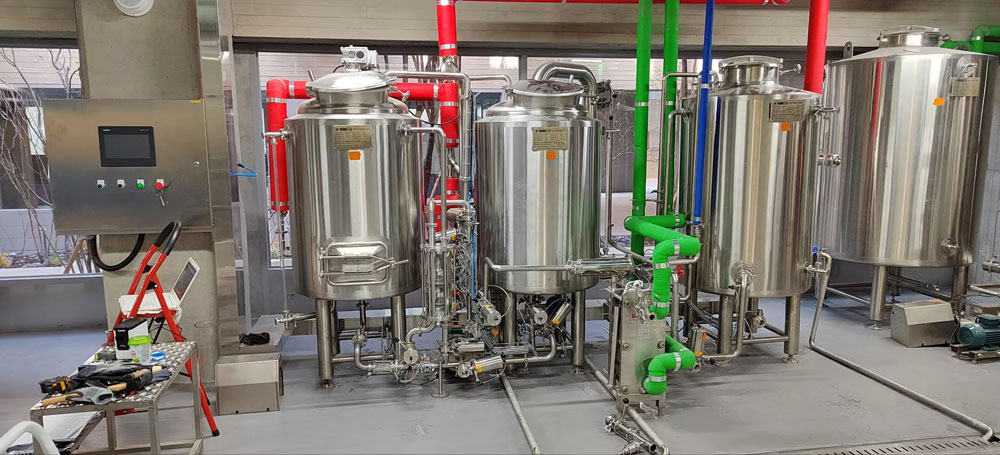
In today’s volatile market, single-purpose brewing equipment represents a significant financial risk. The most successful breweries in 2026 share one common trait: equipment systems capable of handling diverse production requirements.
The Versatility Imperative
Product Diversification Requirements:
- Multi-style capability: Modern brewhouses must handle everything from delicate lagers to high-gravity imperial stouts
- Alternative beverage production: 58% of craft breweries now produce hard seltzers, kombuchas, or other fermented beverages (Brewbound, 2025)
- Experimental batch flexibility: Consumer demand for limited releases requires quick changeover capabilities
Technical Versatility Features:
- Temperature Control Precision
- Wide temperature range: -2°C to 95°C
- Multi-zone temperature management
- Rapid heating and cooling systems
- Vessel Configuration Adaptability
- Removable internals for different grain bills
- Adjustable false bottoms
- Variable whirlpool configurations
- Automation Scalability
- Programmable recipe management systems
- Retrofittable automation modules
- Integration-ready sensors and controls
Return on Investment Data:
A 2025 study by the Master Brewers Association found that breweries with versatile equipment systems achieved:
- 23% higher revenue compared to single-purpose setups
- 37% faster response to market trend changes
- 19% better capacity utilization throughout the year
How are Brewing Technologies Improving Automation and Efficiency?
The fourth industrial revolution has arrived in craft brewing. Smart brewing systems leveraging IoT, AI, and advanced process controls are transforming production efficiency while maintaining the artisanal quality craft beer consumers demand.
Automation Advances in 2026
Process Control Innovations:
- AI-Powered Recipe Management: Machine learning algorithms now optimize mash schedules, achieving ±0.5% consistency in extract efficiency
- Predictive Maintenance Systems: IoT sensors predict equipment failures 48-72 hours in advance, reducing unplanned downtime by 64% (Siemens Industrial Study, 2025)
- Real-time Quality Monitoring: Inline sensors track pH, gravity, dissolved oxygen, and other critical parameters continuously
Energy Efficiency Improvements:
Modern automated systems deliver substantial operational savings:
- Heat recovery systems capture up to 40% of brewing energy for reuse
- Smart CIP (Clean-in-Place) systems reduce water consumption by 30-35%
- Variable frequency drives on pumps and motors cut electricity costs by 22%
The Human-Machine Balance
Critical consideration: The best automation enhances—not replaces—brewmaster expertise. Leading equipment manufacturers design systems that handle repetitive precision tasks while preserving creative control for brewers.
Automation ROI Timeline:
- Initial investment: 15-25% premium over manual systems
- Payback period: 18-24 months through labor and efficiency savings
- Long-term savings: $45,000-$78,000 annually for a 15-barrel system (Brewers Association Economic Study)
Is Sustainable Brewing a Trend or a Necessity in 2026?
The answer is unequivocal: necessity. Sustainability in brewing has evolved from marketing differentiator to operational imperative, driven by regulatory requirements, consumer expectations, and fundamental business economics.
The Sustainability Mandate
Regulatory Landscape:
- EU Carbon Border Adjustment Mechanism now impacts brewing equipment imports
- California SB-1383 and similar state regulations impose strict organic waste requirements
- Water usage regulations tightening in drought-prone regions worldwide
Consumer Expectations:
- 73% of craft beer consumers consider environmental practices when choosing brands (2025 Consumer Survey, Sustainable Brewing Coalition)
- B Corp certification and similar sustainability credentials increasingly influence purchasing
- Carbon-neutral brewing becoming table stakes for premium positioning
Sustainable Equipment Features
Water Conservation Technologies:
- Advanced CIP Systems
- Water reuse capabilities reducing consumption by 40%
- Optimized spray patterns minimizing waste
- Conductivity-based cycle termination
- Closed-Loop Cooling Systems
- Glycol recovery reducing water usage by up to 90%
- Heat exchanger efficiency improvements
Energy Management:
- Solar-compatible system design enabling renewable integration
- Waste heat recovery for hot water generation
- High-efficiency insulation reducing thermal losses by 35%
Waste Stream Valorization:
- Spent grain handling systems for animal feed or biogas production
- Yeast harvesting and repitching equipment reducing biological waste
- CO₂ recovery systems capturing fermentation CO₂ for reuse
Financial Impact:
Sustainable brewing equipment investments deliver measurable returns:
- Water cost savings: $8,000-$15,000 annually (10-barrel system)
- Energy cost reduction: $12,000-$22,000 annually
- Waste disposal savings: $4,000-$9,000 annually
- Total 5-year ROI: 185-240% including operational savings and brand value increase

The Resurgence of the Lager: What Equipment Do You Need?
After years of IPA dominance, lagers are experiencing a remarkable renaissance. The 2025 Brewers Association data shows lager sales growing 14.2% year-over-year, the strongest performance of any beer category.
Why Lagers Are Back
Market Drivers:
- Sessionability trend: Consumers seeking lower-ABV, highly drinkable options
- Culinary pairing focus: Lagers’ versatility with food
- Hot weather performance: Climate change driving demand for refreshing styles
- Craft quality elevation: Modern craft lagers vastly superior to mass-market offerings
Critical Equipment Requirements for Lager Production
1. Precision Temperature Control
Lagers ferment at 8-14°C and require cold conditioning at -1°C to 2°C for 3-8 weeks. Essential equipment includes:
- Glycol-jacketed fermenters with multi-zone temperature control
- Industrial-grade glycol chillers with 30% overcapacity for reliability
- Insulated bright tanks for extended cold storage
2. Extended Fermentation Capacity
Lager production ties up tanks 3-4 times longer than ales:
- Minimum 1.5:1 fermenter-to-brewhouse ratio (vs. 0.8:1 for ale-focused breweries)
- Horizontal lagering tanks for improved yeast management
- Pressure-rated vessels for natural carbonation
3. Yeast Management Systems
Lager yeast requires more careful handling:
- Yeast propagation equipment for healthy pitch rates
- Oxygenation systems for proper yeast health
- Cone-bottom fermenters for clean yeast harvesting
Production Economics:
While lagers require more time and cooling energy, the market rewards quality:
- Premium lagers command $2-$4 per six-pack premium over standard ales
- Lager-capable equipment increases production flexibility by 45%
- Year-round lager sales provide revenue stability versus seasonal IPA fluctuations
What’s Driving the Growth of Nano and Micro-Brewery Setups?
The nano-brewery (up to 3-barrel) and micro-brewery (3-15 barrel) segments are experiencing explosive growth, with over 2,400 new operations launched globally in 2025 alone (Brewers Association Global Craft Beer Report).
Market Forces Behind Small-Scale Brewing
Economic Accessibility:
- Entry costs declining: Complete 3-barrel systems now available for $45,000-$75,000
- Smaller footprints: Viable operations in 800-1,200 square feet
- Lower initial inventory: Reduced working capital requirements
Consumer Preferences:
- Hyper-local movement: 82% of craft consumers prefer neighborhood breweries
- Experience economy: Taproom culture driving foot traffic
- Experimental freedom: Small batches enable creative risk-taking
Business Model Innovation:
- Brewery-restaurant hybrids showing 25% higher profit margins
- Contract brewing arrangements optimizing capacity utilization
- Direct-to-consumer sales through taprooms achieving 60-70% margins
Nano/Micro Equipment Considerations
Scalability Architecture:
Smart nano-brewery owners invest in equipment that can:
- Expand production without complete system replacement
- Integrate additional vessels as demand grows
- Retrofit automation when labor costs justify investment
Space Optimization:
- Vertical brewhouse configurations maximizing limited square footage
- Multi-function vessels reducing equipment count
- Integrated glycol systems eliminating separate chiller rooms
Essential vs. Optional:
Must-have equipment for nano-breweries:
- 2-3 vessel brewhouse with mash tun, kettle, and HLT
- Minimum 2 fermentation vessels per barrel of daily production
- Single bright tank for carbonation and serving
- Basic glycol chiller
- CIP system (can be manual initially)
Smart second-phase additions:
- Automated controls and monitoring
- Additional fermentation capacity
- Centrifuge or filtration system
- Canning or bottling line
Financial Performance Data:
Well-managed nano and micro-breweries achieve:
- Average revenue: $280,000-$850,000 annually (3-10 barrel systems)
- EBITDA margins: 15-25% for taproom-focused operations
- Profitability timeline: 18-30 months to positive cash flow
- Equipment ROI: 4-6 years for quality systems
Choosing the Right Partner: What to Look for in a Craft Brewery Equipment Supplier?
Your equipment supplier selection may be the most consequential decision in your brewery’s development. The right partner provides not just machinery, but expertise, support, and long-term success enablement.
Critical Evaluation Criteria
1. Technical Expertise and Innovation
What to verify:
- Patent portfolio: Indicators of genuine innovation (look for 20+ patents)
- R&D investment: Companies investing 5-8% of revenue in development
- Industry certifications: ISO 9001, CE marking, ASME certification for pressure vessels
- Brewing knowledge: Engineers who understand brewing science, not just fabrication
2. Manufacturing Quality and Capacity
Assessment factors:
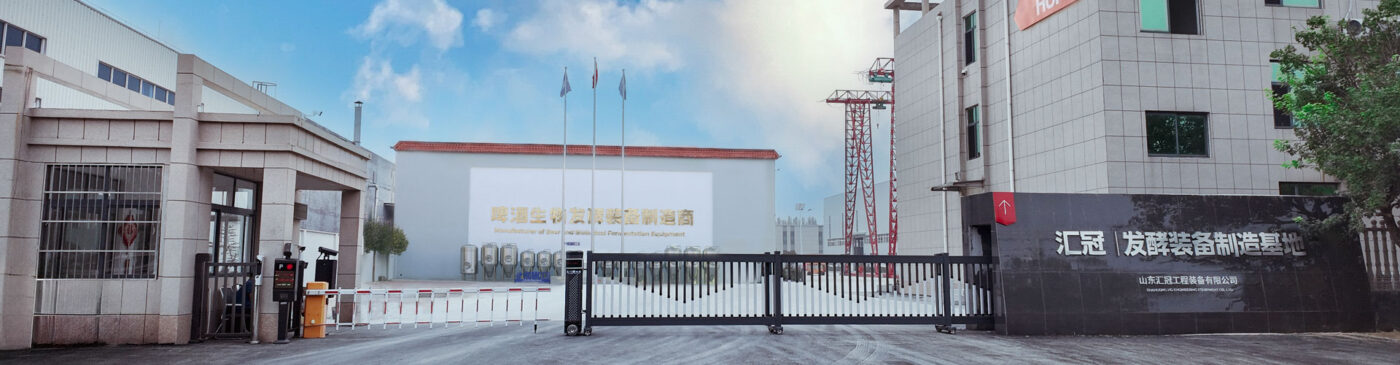
- Production facilities: Visit or virtual tour to assess capabilities
- Material standards: 304/316 stainless steel, food-grade gaskets and seals
- Welding quality: TIG welding, pressure testing, and certification
- Quality control processes: Third-party inspections, testing protocols
3. Global Experience and References
Key questions:
- How many installations in your target market segment?
- Can they provide references from similar-sized operations?
- What’s their international project experience? (100+ countries indicates robust export capabilities)
- Do they understand local codes and regulations for your region?
4. Service and Support Infrastructure
Critical requirements:
- Technical support availability: 24/7 access for critical issues
- Response time commitments: Maximum 4-hour response for urgent matters
- Spare parts inventory: Stocked parts for common components
- Training programs: Comprehensive operation and maintenance training
- Warranty terms: Minimum 12-24 months with clear coverage terms
5. Turnkey Project Capabilities
For new brewery builds, evaluate:
- Project management experience: Track record delivering complete facilities
- Integration expertise: Coordinating utilities, controls, and ancillary systems
- Installation services: In-house or qualified contractor network
- Commissioning support: On-site startup and optimization
Why HGMC Stands Out as a Global Leader
HGMC has established itself as the world’s leading manufacturer of beer brewing equipment through decades of innovation and customer success. Our credentials demonstrate our commitment to excellence:
Innovation Leadership:
- 30+ national authorized patents covering critical brewing technologies
- 20+ high-tech achievements recognized by industry authorities
- Continuous investment in R&D advancing automation, efficiency, and sustainability
Comprehensive Solutions:
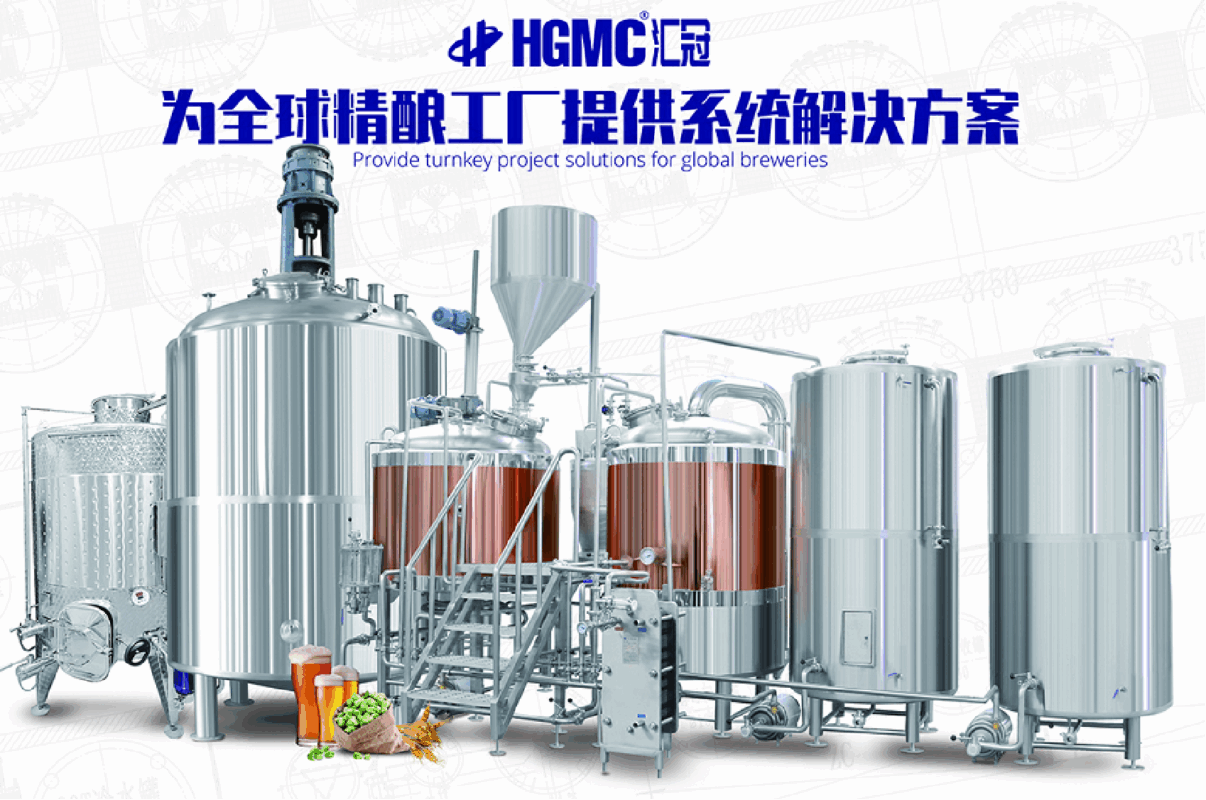
- Complete product range: Individual components to full turnkey brewery projects
- Brewery equipment: Brewhouses from 50L to 10,000L capacity
- Beverage equipment: Flexibility for alternative fermented products
- Packaging lines: Integrated canning and bottling systems
Global Proven Performance:
- Exported to 120+ countries across six continents
- Thousands of successful installations from nano-breweries to industrial facilities
- Recognition and praise from customers worldwide validate our quality and service
Full-Service Partnership:
- Individual equipment supply for expansion or replacement needs
- Turnkey project delivery managing design through commissioning
- Technical consultation helping optimize brewery design and workflow
- Ongoing support ensuring long-term operational success
Frequently Asked Questions (FAQ)
What is the typical ROI timeline for craft brewery equipment?
Return on investment depends on production scale and business model. Nano-breweries (1-3 barrel) typically achieve positive cash flow in 18-30 months with taproom sales. Micro-breweries (5-15 barrel) with distribution reach profitability in 24-36 months. Factors affecting ROI include capacity utilization (target 70%+ in year two), revenue mix (taproom vs. distribution), and operational efficiency. Equipment quality significantly impacts ROI through reduced downtime and maintenance costs.
How much space do I need for a small craft brewery?
Space requirements vary by production scale:
- Nano-brewery (1-3 barrel): 800-1,200 sq ft minimum
- Micro-brewery (5-10 barrel): 1,500-3,000 sq ft
- Small production brewery (15-30 barrel): 3,500-6,000 sq ft
These figures include brewhouse, fermentation, cold storage, and basic packaging. Add 40-60% for taproom operations. Ceiling height requirements: minimum 14-16 feet for most systems; 18-20 feet ideal for gravity-flow designs.
What’s the difference between automated and manual brewing systems?
Manual systems require hands-on control of temperature, transfers, and timing. They offer lower initial cost (30-40% less) and simplicity but demand constant operator attention and show higher batch-to-batch variation.
Automated systems use PLC controls and sensors to manage processes precisely. Benefits include improved consistency (±0.5% vs. ±3-5% for manual), labor efficiency (one brewer can manage multiple batches), data logging for quality control, and remote monitoring capabilities. The premium investment pays back through labor savings and quality improvements within 18-24 months for most operations.
Can brewing equipment handle multiple beverage types?
Modern versatile brewing systems can produce:
- All beer styles: Ales, lagers, sours, mixed-fermentation
- Hard seltzers: With minor process adjustments
- Kombucha: Using dedicated fermentation vessels
- Cider and mead: In many configurations
Key requirements for multi-beverage capability: wide temperature range control, easy sanitation between product types, and appropriate material selection (316 stainless for acidic products). Consult with your equipment supplier about specific beverage goals during system design.
What certifications should brewery equipment have?
Essential certifications vary by market but typically include:
- Pressure vessels: ASME certification (North America) or CE marking (Europe)
- Electrical systems: UL or CE compliance
- Materials: FDA food-grade certification for all product-contact surfaces
- Manufacturing: ISO 9001 quality management
- Safety: Local electrical and building code compliance
Reputable manufacturers provide documentation for all relevant certifications. Always verify that equipment meets your local regulatory requirements before purchase.
How do I choose between new and used brewery equipment?
New equipment advantages:
- Full warranty and support
- Latest technology and efficiency
- Customization to your exact needs
- Known condition and lifespan
Used equipment considerations:
- 40-60% cost savings potential
- Immediate availability
- Proven performance history
- Risks: Unknown maintenance history, obsolete technology, limited support, potential hidden issues
Best practice: New equipment for core brewing systems (brewhouse, fermenters); carefully vetted used equipment for ancillary items (kegs, some packaging equipment). Always inspect used equipment in person or via trusted third party before purchase.
What ongoing maintenance does brewing equipment require?
Daily: CIP of all product-contact surfaces, gasket inspection, basic cleaning
Weekly: Glycol system check, pump seal inspection, temperature calibration verification
Monthly: Valve maintenance, sensor calibration, detailed inspection of mechanical components
Quarterly: Deep cleaning of heat exchangers, professional calibration of critical instruments, comprehensive system audit
Annually: Pressure vessel inspection (often required by regulation), motor and pump overhaul, complete system validation
Budget approximately 2-4% of equipment value annually for preventive maintenance and parts replacement. Proper maintenance extends equipment life to 15-25+ years.
What are the most important features for energy-efficient brewing?
High-impact efficiency features:
- Heat recovery systems: Capture wort cooling heat for next brew (30-40% energy savings)
- High-efficiency burners or electric elements: 90%+ thermal efficiency
- Vessel insulation: 2-4 inch polyurethane or equivalent
- Variable frequency drives: On all pumps and motors (15-25% electricity reduction)
- Optimized CIP systems: Reduce hot water and chemical consumption by 30%
- Smart controls: Minimize idle heating and overcooling
Energy-efficient equipment typically adds 10-15% to initial cost but delivers payback within 2-3 years through utility savings. In high-energy-cost markets, payback can be under 18 months.
Conclusion: Making Your Equipment Investment Count
The craft beer equipment you choose today will shape your brewery’s capabilities, efficiency, and profitability for the next 15-20 years. As we’ve explored throughout this guide, the 2026 market rewards breweries that invest in:
✓ Versatile systems capable of adapting to evolving consumer preferences
✓ Intelligent automation that enhances consistency while preserving craft quality
✓ Sustainable technologies that reduce costs and meet stakeholder expectations
✓ Scalable architecture that grows with your business
✓ Proven manufacturing partners with global expertise and local support
The craft beer industry’s continued growth—projected at nearly 8% annually through 2030—creates tremendous opportunity for well-equipped breweries. Whether you’re launching a neighborhood nano-brewery or expanding a regional production facility, your equipment investment forms the foundation of your success.
HGMC’s commitment to innovation, quality, and customer success has made us the trusted partner for breweries in over 120 countries. Our comprehensive solutions—from individual components to complete turnkey projects—combine cutting-edge technology with brewing expertise accumulated over decades.
As you evaluate your craft beer equipment needs, we invite you to experience the HGMC difference. Our team of brewing specialists stands ready to help you design the perfect system for your vision, budget, and market.
The future of craft brewing is bright. Ensure your equipment is ready for it.
