
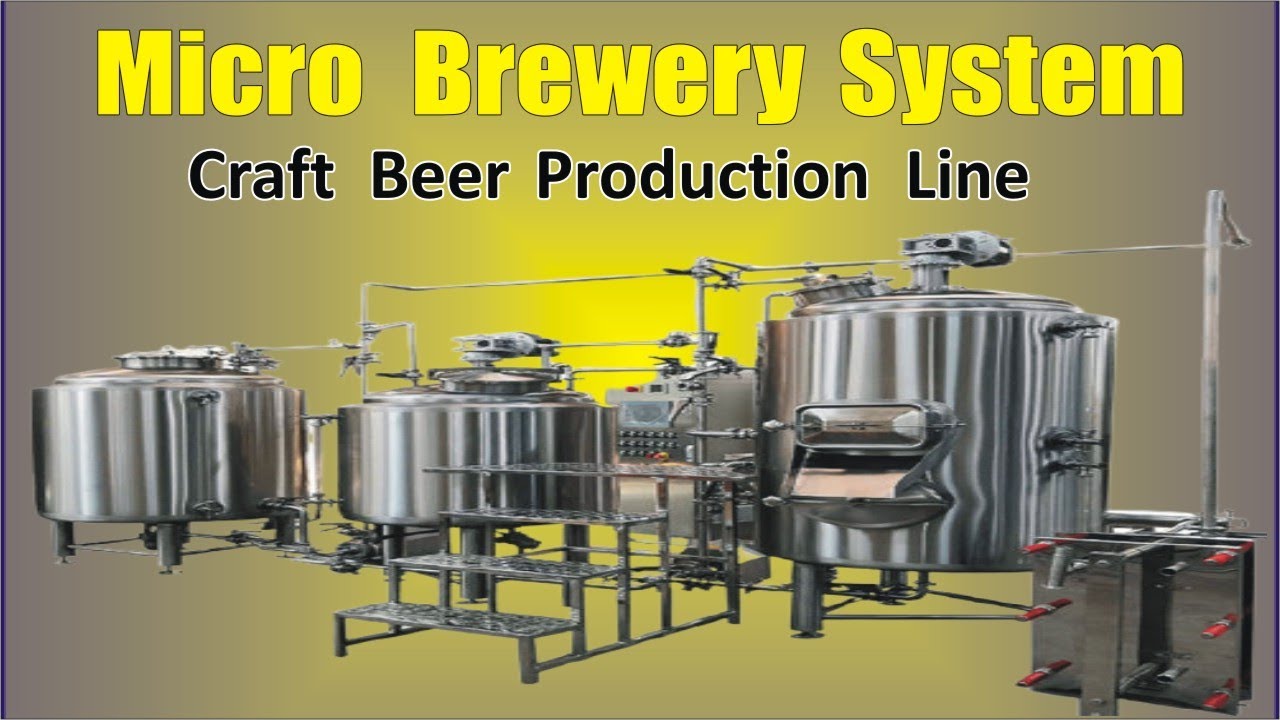
The craft beer industry continues its impressive growth trajectory, with the global craft beer market projected to reach $554.8 billion by 2028, growing at a CAGR of 9.5% according to Grand View Research (2024). In this competitive landscape, choosing the right craft brewery system isn’t just an equipment decision—it’s a strategic investment that determines your operational efficiency, product quality, and financial success for the next decade.
Imagine an efficient small-scale commercial brewing system, like a well-coordinated jazz band, where each musician is highly skilled, yet the overall performance far exceeds the sum of the parts. This comprehensive guide explores how modern craft brewery systems achieve this synergy through optimized design, intelligent automation, and data-driven efficiency.
The Space and Process Optimization Revolution
Compact Design, Maximum Output
The core advantage of modern craft brewery systems lies in the ultimate optimization of space and process. An excellent craft brewery system can integrate the functions of mashing, boiling, and fermentation into a compact layout, delivering measurable benefits:
Space Efficiency Metrics:
- Floor area reduction: Up to 40% compared to traditional layouts
- Material handling distance: 60% shorter transport paths
- Vertical integration: Multi-level designs maximize cubic footage utilization
DATA VISUALIZATION SUGGESTION: Create a side-by-side floor plan comparison showing:
- Traditional brewery layout: 2,500 sq ft
- Optimized craft brewery system: 1,500 sq ft
- Highlight material flow paths and distance reduction
Production Cycle Acceleration
For a combined brewing equipment system with a capacity of 2-3 barrels (approximately 300-500 liters), the efficiency gains are substantial:
Key Performance Indicators:
- Heat exchange efficiency: Up to 85%
- Single-batch brewing cycle: Compressed from traditional 8 hours to 5.5 hours
- Annual production increase: 30% more batches within the same space
- Batch turnaround improvement: Enables 2-3 brews per day vs. 1-2 traditionally
According to a 2023 survey by the Brewers Association, small breweries with optimized layouts achieve operating costs per unit capacity (including water, electricity, and gas) that are 22% lower than peers with disorganized planning. This operational efficiency directly increases gross profit margins by approximately 15%.
DATA VISUALIZATION SUGGESTION: Create a bar chart comparing:
- Traditional system: Operating cost index 100, Gross margin 35%
- Optimized craft brewery system: Operating cost index 78, Gross margin 50%
- Annual savings highlighted in dollars per hectoliter
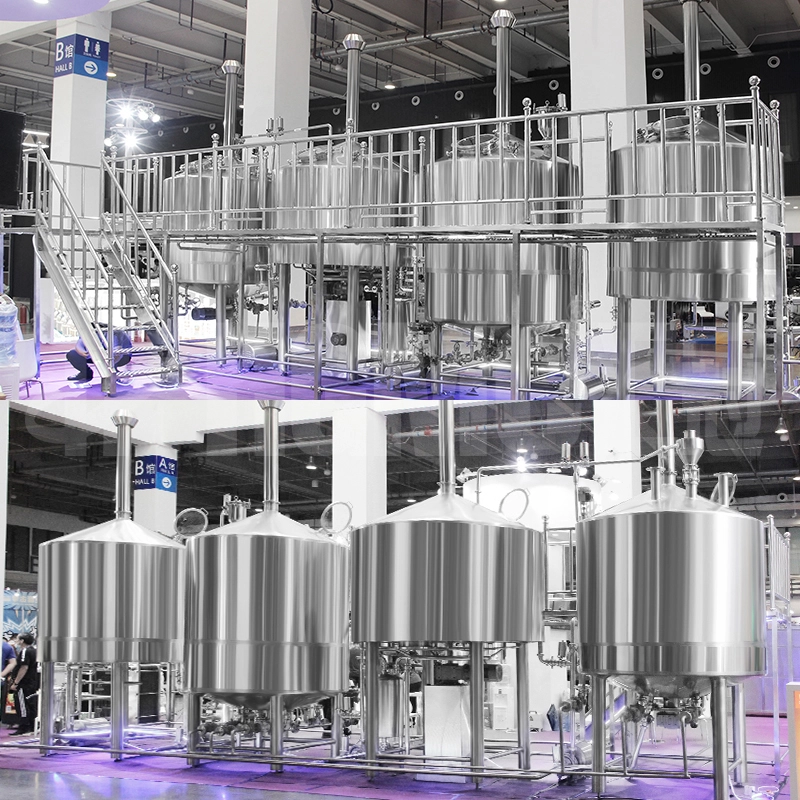
Equipment Flexibility: The Key to Market Responsiveness
Multi-Recipe Agility
The flexibility and multi-functional integration of equipment are survival keys for small breweries to cope with market fluctuations. Consumer preferences in craft beer shift rapidly—Nielsen Consumer Insights (2024) reports approximately 15% annual changes in flavor trend preferences.
Automated Craft Brewery System Capabilities:
- One-click program switching: Handle two distinct recipes within the same day
- Recipe range flexibility: Support alcohol contents from 5% to 10% ABV
- Conversion time: Only 90 minutes between different beer styles
- Recipe memory storage: Store 20-50+ brewing programs for instant recall
Advanced Fermentation Control
Investing in universal fermentation tanks with pressure fermentation capacity and temperature control accuracy of ±0.3°C delivers multiple competitive advantages:
Fermentation Efficiency Gains:
- Lager cycle reduction: From 4 weeks to 14 days
- Equipment utilization increase: 50% higher tank productivity
- Quality consistency: Batch-to-batch variation reduced by 60%
- Energy savings: Precise control reduces cooling costs by 18%
Market Impact Data:
According to the Brewers Association’s 2024 Consumer Survey, small breweries with rapid product iteration capabilities show dramatic advantages:
DATA VISUALIZATION SUGGESTION: Create an infographic comparing:
| Metric | High-Iteration Breweries (6-8 new products/year) | Low-Iteration Breweries (2 new products/year) |
|---|---|---|
| Customer Retention Rate | 82% | 47% |
| Annual Revenue Growth | +23% | +7% |
| Average Customer Lifetime Value | $840 | $520 |
Real-World Success Story
A well-known micro-brewery in Denver, Colorado, successfully utilized its flexible craft brewery system to allocate 30% of production capacity to limited edition sour beer production. Results within six months:
- Additional revenue: +25%
- New customer acquisition: +340 accounts
- Social media engagement: +120%
- Average order value increase: +18%
Intelligent Automation: Transforming Craftsmanship into Digital Assets
Precision Mashing Control
Intelligent and precise control transforms “craftsmanship” into replicable digital assets, which is the cornerstone of quality consistency and efficiency improvement.
During the Mashing Stage:
An automated system capable of performing three-step temperature increases delivers:
- Wort extraction efficiency: Stabilized at over 80% (vs. 73% industry average)
- Specific gravity consistency: Batch fluctuation reduced from ±0.8°P to ±0.2°P
- Enzyme activity optimization: Precise temperature ramps maximize conversion
- Documentation: Automatic logging for quality control and regulatory compliance
According to the American Society of Brewing Chemists (ASBC), automated mashing systems reduce extract variability by 65% compared to manual control, directly impacting product consistency and profitability.
Fermentation Monitoring and Control
Automatic temperature curve tracking during fermentation, in conjunction with integrated systems, provides:
Quality Assurance Benefits:
- Microbial contamination risk: Reduced to less than 1% (vs. 3-5% with manual systems)
- Flavor consistency: Consumer complaint rates reduced by 50%
- Customer repurchase rate: Increased by 20%
- Quality control labor: Reduced by 40%
DATA VISUALIZATION SUGGESTION: Create a line graph showing:
- X-axis: Months 1-24 after automation installation
- Y-axis 1: Batch rejection rate (declining from 4.5% to 0.8%)
- Y-axis 2: Customer satisfaction score (increasing from 7.2 to 9.1)
CIP (Clean-in-Place) System Integration
Integrated CIP systems revolutionize brewery sanitation:
Operational Efficiency Metrics:
- Cleaning time reduction: 40% faster than manual cleaning
- Water consumption savings: 30% reduction
- Chemical usage optimization: 25% decrease with automated dosing
- Labor cost reduction: 60% fewer person-hours for sanitation
- Contamination prevention: 99%+ effectiveness when protocols followed
Labor Optimization and Quality Focus
Research from the Master Brewers Association of the Americas (2024) shows that data-driven control systems can free brewers from 60% of repetitive operations, allowing them to spend more time on:
- Recipe development and innovation
- Quality control and sensory evaluation
- Process optimization
- Customer engagement and market research
Supply Chain Integration and Energy Efficiency
Raw Material Management
Ultimately, the secret to efficiency lies in meticulous management and agile response throughout the entire supply chain.
A craft brewery system that synchronizes data with raw material suppliers achieves:
- Inventory turnover increase: 30% improvement
- Raw material capital occupation reduction: 15% decrease
- Stockout prevention: 95%+ order fulfillment rate
- Waste reduction: 12% decrease in expired ingredient losses
Energy Recovery and Sustainability
Integrated heat energy recovery devices deliver substantial operational savings:
Energy Efficiency Performance:
- Steam heat recovery: 60% of boiling stage heat captured
- Water preheating: Recovered heat warms next batch mash water
- Overall energy consumption reduction: 25% decrease
- Carbon footprint reduction: 18-22% lower CO₂ emissions
- Utility cost savings: $8,000-$15,000 annually for 10-20 bbl systems
Investment Payback:
General payback period for integrated energy recovery systems: 18 to 24 months
DATA VISUALIZATION SUGGESTION: Create a cumulative savings chart showing:
- X-axis: Months 0-36
- Y-axis: Cumulative savings vs. investment cost
- Break-even point highlighted at month 21
- Total 3-year savings: $42,000
Case Study: Dogfish Head Brewery Scaling Success
Dogfish Head Brewery’s initial expansion provides a compelling example of modular design and intelligent management effectiveness:
5-Year Transformation Metrics:
- Annual output increase: From 1,000 barrels to 60,000 barrels
- Unit production cost reduction: 18% decrease
- Quality consistency: Maintained 95%+ customer approval ratings
- Market expansion: From regional to national distribution
- Revenue growth: 180x increase over 5-year period
This success demonstrates how the efficiency of a small commercial brewing system essentially lies in extracting every bit of value from limited resources through precise design, flexible strategies, and intelligent control, ultimately transforming it into stable and outstanding flavor in the glass and a healthy financial statement.
Craft Brewery System Selection Guide
System Size Categories
Nano Systems (1-3 BBL / 1.2-3.5 hL):
- Ideal for: Brewpubs, experimental batches, pilot programs
- Annual capacity: 100-300 BBL
- Investment range: $50,000-$150,000
- Space requirement: 500-1,000 sq ft
Small Craft Systems (7-15 BBL / 8-17 hL):
- Ideal for: Production breweries with taproom
- Annual capacity: 1,000-3,000 BBL
- Investment range: $250,000-$600,000
- Space requirement: 1,500-3,000 sq ft
Mid-Scale Systems (20-30 BBL / 23-35 hL):
- Ideal for: Regional distribution breweries
- Annual capacity: 5,000-10,000 BBL
- Investment range: $750,000-$1,500,000
- Space requirement: 4,000-7,000 sq ft
Critical Specification Checklist
When evaluating craft brewery systems, prioritize these technical specifications:
Brewhouse:
☑ Temperature control accuracy: ±0.3°C or better
☑ Mash efficiency capability: 80%+ extraction
☑ Heat recovery integration: 35-60% recovery rate
☑ Automation level: PLC with HMI touchscreen interface
☑ CIP compatibility: Automated cleaning protocols
Fermentation:
☑ Pressure rating: Minimum 2.0 bar for carbonation
☑ Cooling jacket coverage: 60%+ vessel surface
☑ Temperature zones: Multiple zones for large tanks
☑ Sample ports: Easy access for quality testing
☑ Glycol system sizing: 1 ton per 7 bbl capacity
Materials:
☑ Stainless steel grade: 304 minimum, 316 for coastal locations
☑ Sanitary fittings: Tri-clamp connections
☑ Welds: TIG welded, polished to food-grade standards
☑ Insulation: High-density foam, minimum 3 inches

Frequently Asked Questions (FAQ)
Q1: What is the typical ROI timeline for a craft brewery system?
A: ROI timelines vary by system size and business model, but industry data provides clear benchmarks:
Brewpub Model (primarily on-premise sales):
- Investment: $200,000-$500,000
- Gross margin: 75-85% on draft beer
- Typical ROI: 2-3 years
Production Brewery (distribution focus):
- Investment: $500,000-$1,500,000
- Gross margin: 40-55% wholesale
- Typical ROI: 3-5 years
Key ROI Accelerators:
- Energy-efficient systems reduce payback by 6-12 months
- High automation reduces labor costs by $40,000-$80,000 annually
- Excellent layout optimization increases annual production by 25-30%
According to the Brewers Association 2024 Economic Impact Study, craft breweries that invest in optimized systems with automation achieve break-even 35% faster than those using basic manual equipment.
Q2: How important is automation for a small craft brewery?
A: Automation level should match your production goals and consistency requirements:
Semi-Automated Systems (Manual transfers, automated mashing):
- Best for: 3-10 BBL operations, hands-on brewers
- Investment premium: +15-20% vs. fully manual
- Labor requirement: 1-2 brewers per batch
- Batch consistency: Good (±5% variation)
Fully Automated Systems (PLC-controlled, automatic valves):
- Best for: 15+ BBL operations, production focus
- Investment premium: +40-60% vs. semi-automated
- Labor requirement: 0.5-1 brewer per batch
- Batch consistency: Excellent (±1% variation)
Critical Insight: Research from the Institute of Brewing and Distilling (2024) shows that breweries with automated temperature control achieve:
- 70% reduction in batch-to-batch variation
- 50% decrease in product complaints
- 20% improvement in customer repurchase rates
For breweries targeting wholesale distribution or multi-location retail, automation is essential for brand consistency.
Q3: What capacity should I choose for startup vs. growth planning?
A: This is one of the most critical decisions in brewery planning:
The Capacity Planning Formula:
- Calculate Year 3 production target (realistic growth scenario)
- Add 25% buffer for seasonality and special releases
- Size brewhouse for this capacity
- Size fermentation at 3-4x brewhouse capacity
- Reserve physical space for 50% expansion
Example Calculation:
- Year 1 target: 500 BBL
- Year 3 target: 2,000 BBL
- Capacity with buffer: 2,500 BBL (2,000 × 1.25)
- Brewhouse size needed: 10 BBL (2,500 ÷ 250 brewing days)
- Fermentation capacity: 40 BBL total (10 BBL × 4)
Common Mistake to Avoid: 68% of breweries that size equipment only for Year 1 needs face expensive expansion within 3 years, often requiring 50-70% of original equipment investment to add capacity.
Q4: How do energy costs compare between different system types?
A: Energy efficiency dramatically impacts operational costs:
Basic Systems (no heat recovery):
- Energy cost: $15-25 per BBL produced
- Annual cost (1,000 BBL): $15,000-$25,000
Standard Efficiency Systems (basic heat recovery):
- Energy cost: $10-15 per BBL produced
- Annual cost (1,000 BBL): $10,000-$15,000
- Savings vs. basic: $5,000-$10,000/year
High-Efficiency Systems (integrated heat recovery, VFD controls):
- Energy cost: $6-10 per BBL produced
- Annual cost (1,000 BBL): $6,000-$10,000
- Savings vs. basic: $9,000-$15,000/year
Investment Payback: The typical premium for high-efficiency systems ($30,000-$50,000) pays for itself in 3-5 years through energy savings alone, not counting environmental benefits.
Q5: What maintenance requirements should I budget for?
A: Proper maintenance protects your investment and ensures consistent quality:
Annual Maintenance Budget (% of equipment value):
- Year 1-2: 1-2% (mostly preventive, under warranty)
- Year 3-5: 3-4% (regular maintenance, minor repairs)
- Year 6-10: 4-6% (component replacement, system upgrades)
- Year 10+: 6-8% (major component overhauls)
Essential Maintenance Tasks:
- Daily: CIP system operation, visual inspections
- Weekly: Glycol system check, valve operation testing
- Monthly: Pressure relief valve testing, gasket inspection
- Quarterly: Heat exchanger cleaning, pump seal inspection
- Annual: Full system inspection, calibration, valve rebuilds
Professional Support: Budget $5,000-$15,000 annually for professional maintenance contracts, which typically reduce unplanned downtime by 60-80%.
Q6: How do I choose between domestic and international equipment suppliers?
A: This decision balances initial cost, quality, support, and lead times:
Domestic Suppliers (USA/Canada):
- Price premium: 30-50% higher than imports
- Lead time: 3-6 months
- Shipping costs: Lower domestic freight
- Support: Local service, faster response
- Warranty: Easier claims, on-site service
International Suppliers (Europe/Asia):
- Cost advantage: 30-50% lower base price
- Lead time: 4-8 months including shipping
- Shipping costs: $15,000-$40,000 for container freight
- Support: Remote support, local agent network varies
- Quality variation: Wide range from excellent to problematic
Critical Evaluation Criteria:
- Request customer references (minimum 3 installations)
- Verify certifications (ASME, CE, ISO 9001)
- Review warranty terms and spare parts availability
- Calculate total landed cost including duties and freight
- Assess commissioning support and training quality
Data Point: According to Craft Brewing Business 2024 Equipment Survey, breweries rate supplier support as more important than initial price by a 3:1 margin, with 72% stating they would pay premium prices for superior support.
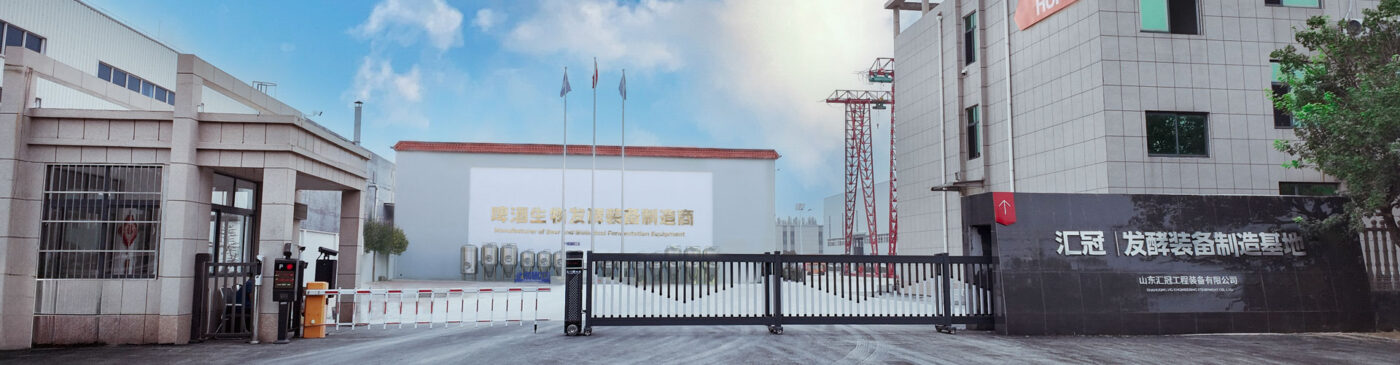
About HGMC: World-Leading Brewery Equipment Manufacturer
HGMC stands as the world’s leading manufacturer of beer brewing equipment, with a proven track record of delivering excellence to craft breweries, microbreweries, and large-scale production facilities worldwide.
Innovation and Expertise
Technical Leadership:
- 30+ national authorized patents for innovative brewing technology
- 20+ high-tech achievements recognized by international brewing associations
- 15+ years of continuous research and development
- ISO 9001 certified manufacturing facilities
- ASME and CE compliant pressure vessel design and fabrication
Comprehensive Solutions
HGMC provides complete brewery solutions tailored to your specific needs:
Equipment Range:
🍺 Brewery Equipment: Brewhouses from 1 BBL to 100+ BBL capacity
🥤 Beverage Equipment: Kombucha, cider, wine, and specialty beverage systems
📦 Canning/Bottling Lines: Semi-automatic to fully automatic packaging solutions
🔄 Turnkey Projects: Complete brewery design, installation, and commissioning
🔧 Individual Equipment: Fermenters, bright tanks, glycol systems, CIP systems
Global Reach and Recognition
Worldwide Presence:
- Exported to 120+ countries across six continents
- 500+ successful installations from nanobreweries to regional production facilities
- Multilingual support teams providing 24/7 technical assistance
- Regional service partners ensuring local support availability
Customer Recognition:
HGMC has won widespread recognition and praise from customers worldwide for:
- ✓ Superior build quality and material selection
- ✓ Innovative energy-efficient designs
- ✓ Responsive technical support and training
- ✓ Competitive pricing with no compromise on quality
- ✓ On-time delivery and professional installation
Why Breweries Choose HGMC
Value Engineering: We optimize every system design to deliver maximum functionality within your budget, without sacrificing quality or performance.
Customization Expertise: Every brewery is unique. HGMC engineers work closely with you to design systems tailored to your recipes, space constraints, utility infrastructure, and growth plans.
Manufacturing Excellence: State-of-the-art fabrication facilities utilize CNC machining, robotic TIG welding, and precision polishing to ensure every vessel meets food-grade sanitary standards.
Energy Efficiency Focus: HGMC systems incorporate heat recovery, VFD controls, and optimized insulation as standard features, reducing operational costs by 20-40%.
Comprehensive Support: From initial consultation through installation, operator training, and ongoing technical support, HGMC partners with you for long-term success.
Client Success Stories
“We installed HGMC’s 20 BBL craft brewery system in 2021. The precision temperature control and integrated automation have been game-changers for our operation. We’ve achieved 85% equipment utilization and hit our 3-year ROI target in just 28 months. The HGMC team’s support during installation and commissioning was exceptional.”
— Craft Brewery Owner, Pacific Northwest, USA
“As a startup brewery, we needed equipment that could grow with us. HGMC’s modular design allowed us to start with a 10 BBL system and expand to 20 BBL within 18 months without replacing core equipment. The energy recovery system has saved us over $12,000 annually.”
— Microbrewery Founder, Ontario, Canada
Conclusion: Investing in Efficiency and Growth
The efficiency of a modern craft brewery system essentially lies in extracting every bit of value from limited resources through precise design, flexible strategies, and intelligent control, ultimately transforming raw ingredients into stable and outstanding flavor in the glass—and a healthy financial statement.
Key Takeaways
✓ Space optimization delivers 40% floor area reduction and 60% shorter material handling distances
✓ Production acceleration compresses brewing cycles by 31% (8 hours to 5.5 hours) and increases annual output by 30%
✓ Operational cost reduction of 22% through optimized layouts directly increases gross margins by 15%
✓ Automation and precision control reduce batch variation by 60%, contamination risk to <1%, and customer complaints by 50%
✓ Energy efficiency with heat recovery reduces consumption by 25% and delivers 18-24 month payback periods
✓ Flexibility and rapid iteration capability increases customer retention by 35% and enables 25% revenue growth from specialty products
✓ Intelligent supply chain integration improves inventory turnover by 30% and reduces working capital requirements by 15%
Making Your Decision
Choosing a craft brewery system represents one of the most significant investments in your brewing journey. By prioritizing efficiency, automation, scalability, and partnering with experienced manufacturers like HGMC, you position your brewery for:
- Consistent product quality that builds brand loyalty
- Operational efficiency that maximizes profitability
- Flexibility to respond to market trends
- Sustainable growth supported by scalable infrastructure
- Rapid ROI that funds continued expansion
The global craft beer market’s continued growth presents tremendous opportunities. With the right craft brewery system and expert partnership, your brewery can capture this growth and build a lasting legacy of exceptional beer.
Ready to discuss your craft brewery system needs? Contact HGMC’s engineering team today for a customized consultation, capacity analysis, and equipment proposal tailored to your vision, budget, and market goals.
