
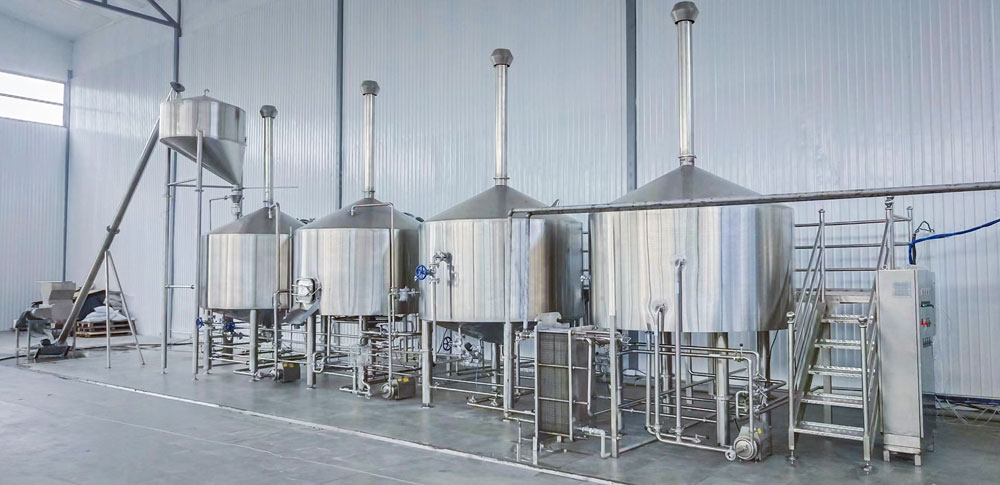
Introduction: The Craft Beer Revolution Goes Industrial
The global craft beer market has experienced remarkable growth over the past decade, with market valuations reaching $154.5 billion in 2023 and projected to expand at a compound annual growth rate (CAGR) of 9.5% through 2030, according to Grand View Research. This explosive growth is not limited to traditional Western markets; emerging economies across Central Asia, Eastern Europe, and the Middle East are witnessing unprecedented demand for high-quality craft beer brewing systems capable of industrial-scale production.
As the craft beer industry matures, brewers face a critical challenge: scaling up production while maintaining the quality, consistency, and artisanal character that define craft brewing. This transformation requires sophisticated brewing equipment that bridges the gap between traditional craft methods and industrial efficiency—a niche where advanced manufacturers like HGMC (Hunan Gumei Machinery Co., Ltd.) have established themselves as industry leaders.
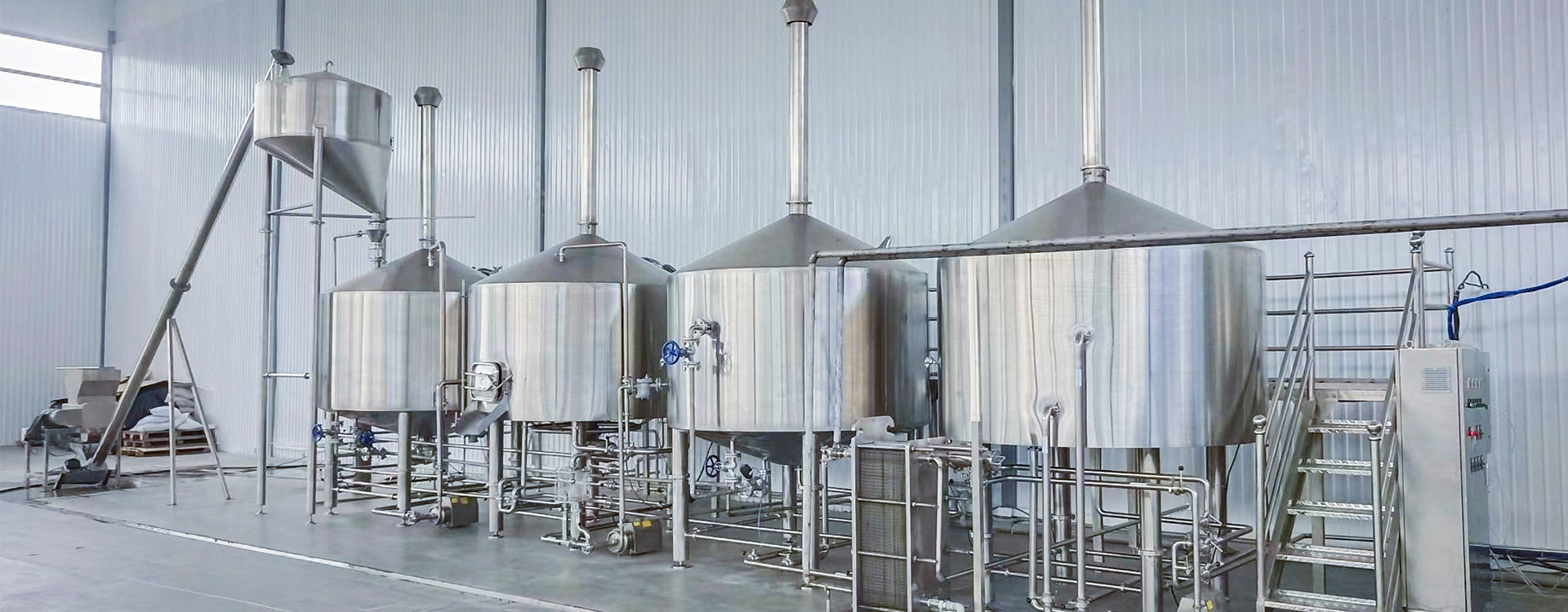
The Industrial Craft Beer Paradox: Scaling Without Compromising Quality
Quality Control in the Modern Brewing Landscape
The brewing industry is experiencing a fundamental shift in quality expectations. According to the Brewers Association, commercial-scale brewers must maintain batch-to-batch consistency rates exceeding 99.5% to protect brand reputation and ensure regulatory compliance. This stringent standard demands highly automated brewing processes, precision temperature control in fermentation, and adherence to international safety and hygiene standards.
The industry standard for quality control is becoming more rigorous each year. Brewers operating on a commercial scale must ensure absolute consistency across massive batches, as brand reputation depends entirely on product uniformity. This demands highly automated brewing processes, precision temperature control in fermentation, and compliance with stringent international safety and hygiene standards.
The Technology Behind Consistency
HGMC addresses these challenges by integrating its over 30 national authorized patents and 20 high-tech achievements into its products, focusing on process stability and repeatability. The company’s approach reflects broader industry trends documented by the International Society of Beverage Technologists, which reports that automation and precision control systems can reduce batch variation by up to 85% compared to manual operations.
Furthermore, demonstrating adherence to global quality frameworks like ISO9001:2015 and achieving essential regional compliance marks such as EAC/GOST for the Eurasian Customs Union is a non-negotiable prerequisite for major industrial contracts in target regions. These certifications validate a manufacturer’s commitment to regulatory excellence and operational reliability.
Industrialization in Emerging Markets: Opportunity and Challenge
The Emerging Market Boom
According to Euromonitor International, beer consumption in emerging markets grew by 12.3% between 2020 and 2024, with particularly strong growth in Central Asia (18.7%), Southeast Asia (15.2%), and Eastern Europe (11.8%). This surge creates substantial demand for industrial-grade craft beer brewing systems capable of meeting both volume requirements and quality expectations.
The World Bank’s Global Economic Prospects report highlights that middle-class expansion in developing economies is driving premiumization trends across beverage categories, with craft beer positioned as a key beneficiary. By 2025, an estimated 140 million new middle-class consumers in emerging markets will have the purchasing power to regularly consume premium craft beer products.
Unique Infrastructure Challenges
Emerging markets present distinct operational challenges for brewery equipment suppliers. These include:
- Climate Extremes: Temperature ranges from -40°C in Siberian regions to +50°C in Middle Eastern locations require specialized thermal management systems
- Utility Variability: Inconsistent power supply and water quality necessitate adaptive engineering solutions
- Logistics Complexity: Remote locations and limited transportation infrastructure demand robust equipment design and comprehensive technical support
- Regulatory Diversity: Each region maintains unique certification requirements, from CE marking for European markets to EAC certification for Eurasian Customs Union members
Successful equipment suppliers must demonstrate not only manufacturing excellence but also deep understanding of these localized challenges.
BrauBeviale: A Global Stage for Advanced Brewing Technology and Compliance
BrauBeviale, held annually in Nuremberg, Germany, serves as an internationally renowned platform attracting over 1,200 exhibitors and 35,000 trade visitors from more than 160 countries, according to NürnbergMesse. The exhibition represents the brewing industry’s premier venue for showcasing cutting-edge technology and establishing international business relationships.
For manufacturers like HGMC, BrauBeviale is a crucial venue for reinforcing reputation as a provider of top-tier craft beer brewery equipment capable of meeting the rigorous standards of the European and Eurasian markets. The exhibition provides direct access to key decision-makers, engineers, and investors who are actively seeking reliable partners for large-scale brewing projects.
Emphasizing the ONE-STOP SERVICE Model
HGMC’s showcase at BrauBeviale typically emphasizes its capacity to manage complex turnkey projects. This ONE-STOP SERVICE approach is particularly valuable to clients embarking on new brewery construction or large-scale expansion. The service model guarantees a single, reliable vendor to oversee the entire process—from initial site consultation and customized system engineering to manufacturing, shipping, and on-site commissioning.
According to industry research by McKinsey & Company, turnkey project models reduce total project timelines by an average of 23% and lower capital expenditure by 15-18% compared to multi-vendor approaches. By showcasing successful international case studies and highlighting the seamless flow from design to operation, manufacturers establish the expertise and trustworthiness required to win large-scale, cross-border industrial contracts and provide complete project certainty.
Demonstrating Technical Compliance
International exhibitions provide an ideal setting to highlight specialized solutions and commitment to international safety standards. This includes high-precision brewhouse designs and advanced stainless steel beer fermentation tanks, which feature compliance with standards like CE (for EU market access) and PED (Pressure Equipment Directive).
The PED directive, which regulates pressure equipment in the European Economic Area, is particularly critical for fermentation and storage vessels. According to the European Commission, PED compliance reduces equipment failure rates by over 60% and ensures operator safety in industrial environments. These certifications are vital for ensuring the safety and quality of pressure vessels operating in demanding European and Russian-influenced industrial environments, thereby opening doors to major commercial projects.
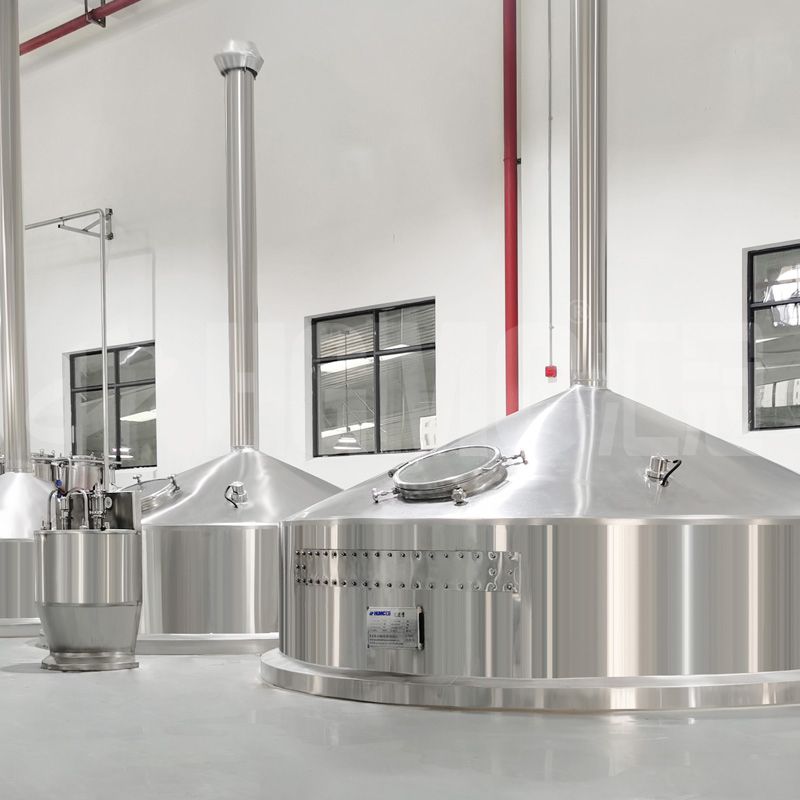
HGMC’s Competitive Edge: Technological Mastery and Strategic Service
Two Decades of Industrial Brewing Expertise
For over two decades, HGMC has excelled by focusing its expertise on large-scale commercial brewing. Their proven ability to export equipment to over 120 countries is a clear indicator of robust manufacturing capabilities, commitment to quality, and global adaptability. This export footprint positions the company among the top 5% of Chinese manufacturing enterprises by international reach, according to China’s Ministry of Commerce export statistics.
Key Product Strengths and Applications
HGMC’s core offerings are designed for high-capacity, sustained industrial use, reinforcing their status as a leading craft beer brewing system equipment supplier:
Industrial Brewhouse Systems: These automated systems, ranging up to 300BBL (93 hectoliters) and beyond, utilize high-efficiency technology for mashing and wort separation, maximizing yield while minimizing utility consumption. Modern brewhouse systems can achieve extract efficiency rates of 90-92%, compared to 75-80% for traditional systems, according to the Master Brewers Association of the Americas. The precision engineering ensures reliable and repeatable brewing cycles—essential for maintaining brand consistency at commercial scale.
Precision Fermentation and Storage Tanks: The foundation of quality beer, these vessels are engineered with meticulous attention to internal finish and thermal management. Advanced craft beer brewery equipment includes specialized temperature control zones capable of maintaining temperatures within ±0.5°C tolerance, ensuring the ideal conditions for complex fermentation profiles. This level of precision is crucial for high-quality craft production at scale, particularly for temperature-sensitive yeast strains and specialized beer styles.
Integrated Packaging Solutions: Dedicated high-speed canning and bottling lines seamlessly integrate with brewery output, featuring state-of-the-art technology to minimize dissolved oxygen pickup. Research published in the Journal of the Institute of Brewing demonstrates that dissolved oxygen levels below 50 ppb can extend packaged beer shelf life by 40-60%, making this a critical factor for product integrity and market reach.
Innovation Through Research and Development
The brewing equipment industry invests heavily in R&D, with leading manufacturers allocating 4-6% of annual revenue to innovation initiatives. HGMC’s portfolio of over 30 patents reflects this commitment, covering innovations in heat exchange efficiency, automated control systems, cleaning-in-place (CIP) technology, and energy recovery systems.
According to the German Engineering Federation (VDMA), next-generation brewing systems incorporate Industry 4.0 principles, including IoT sensors, predictive maintenance algorithms, and real-time quality monitoring. These technologies can reduce energy consumption by 15-25% and decrease water usage by 20-30% compared to conventional systems—critical advantages for sustainability-conscious brewers in water-scarce emerging markets.
Strategic Focus on Eurasian Expansion and Project Management
The Belt and Road Initiative Effect
A defining aspect of HGMC’s market strategy is its success in supplying sophisticated craft beer brewing system solutions to Central Asian and Russian clients. This aligns with broader trends under China’s Belt and Road Initiative, which has facilitated over $1 trillion in infrastructure and industrial investments across Eurasia since 2013, according to the American Enterprise Institute’s China Global Investment Tracker.
These projects often necessitate custom engineering to address unique factors, such as extreme operating temperatures or the need to integrate with specific local utility infrastructure. For example, brewing equipment destined for Kazakhstan or Mongolia must withstand winter temperatures below -30°C while maintaining precise fermentation control, requiring specialized insulation and heating systems not necessary in temperate climates.
Regulatory Compliance as Competitive Advantage
The successful completion of complex turnkey projects in strategically important Belt and Road regions serves as strong evidence of capacity for global project management and rigorous regulatory compliance. The EAC (Eurasian Conformity) certification system, which covers Russia, Kazakhstan, Belarus, Armenia, and Kyrgyzstan, represents a market of over 180 million consumers and is mandatory for pressure vessels and industrial equipment.
According to the Eurasian Economic Commission, obtaining EAC certification typically requires 4-6 months of testing and documentation for complex industrial equipment. Manufacturers who maintain pre-certified product lines can reduce project lead times by 30-40%, providing significant competitive advantages in time-sensitive brewery construction projects.
Risk Mitigation Through Comprehensive Service
The company’s comprehensive service model, combined with internationally recognized certifications (like ISO9001 and EAC/GOST), provides the high level of assurance and reliability that industrial-scale brewers require when making multi-million dollar investments in production capacity. International brewery projects typically range from $2 million for smaller craft facilities to over $50 million for major industrial breweries, according to the Brewers Association equipment cost surveys.
This dedication to end-to-end support significantly mitigates the technical and logistical risks associated with establishing major production facilities overseas. Industry research by Deloitte indicates that comprehensive turnkey service models reduce project failure rates from 18-22% (industry average for multi-vendor projects) to below 5% for experienced single-source suppliers.
The Future of Industrial Craft Brewing in Emerging Markets
Sustainability and Efficiency Imperatives
Looking ahead, sustainability requirements will increasingly shape brewing equipment specifications. The European Union’s Green Deal and similar initiatives in developed markets are creating ripple effects globally. According to the United Nations Industrial Development Organization (UNIDO), industrial water usage efficiency improvements of 30-50% are achievable with current technology, and breweries are under increasing pressure to implement these solutions.
Modern brewing systems incorporate heat recovery, water recycling, and energy optimization features that can reduce operating costs by 20-35% over equipment lifecycles of 15-20 years. In emerging markets where utility costs are rising rapidly, these efficiency gains directly impact profitability and competitiveness.
Digital Transformation and Smart Brewing
The integration of digital technologies represents the next frontier in industrial brewing. According to Gartner’s industrial IoT forecasts, the global installed base of connected industrial sensors will exceed 8 billion units by 2025. In brewing applications, these sensors enable real-time monitoring of critical parameters, predictive maintenance scheduling, and data-driven process optimization.
Leading equipment manufacturers are developing cloud-connected brewing systems that allow remote monitoring and diagnostics, reducing the need for on-site technical support in geographically distant installations. This capability is particularly valuable for emerging market projects where specialized technical expertise may be scarce locally.
Market Consolidation and Quality Standards
Industry analysts predict continued consolidation in the brewing equipment sector, with customers increasingly favoring established suppliers who can demonstrate long-term reliability and comprehensive support capabilities. Research by IBISWorld shows that the top 10 brewing equipment manufacturers now control approximately 45% of the global market, up from 32% a decade ago.
This consolidation is driven by customers’ desire to reduce risk through partnerships with financially stable, technically capable suppliers who can provide long-term parts availability and service support. For industrial-scale projects in emerging markets, supplier selection criteria increasingly emphasize track record, certification portfolio, and global service networks over price considerations alone.
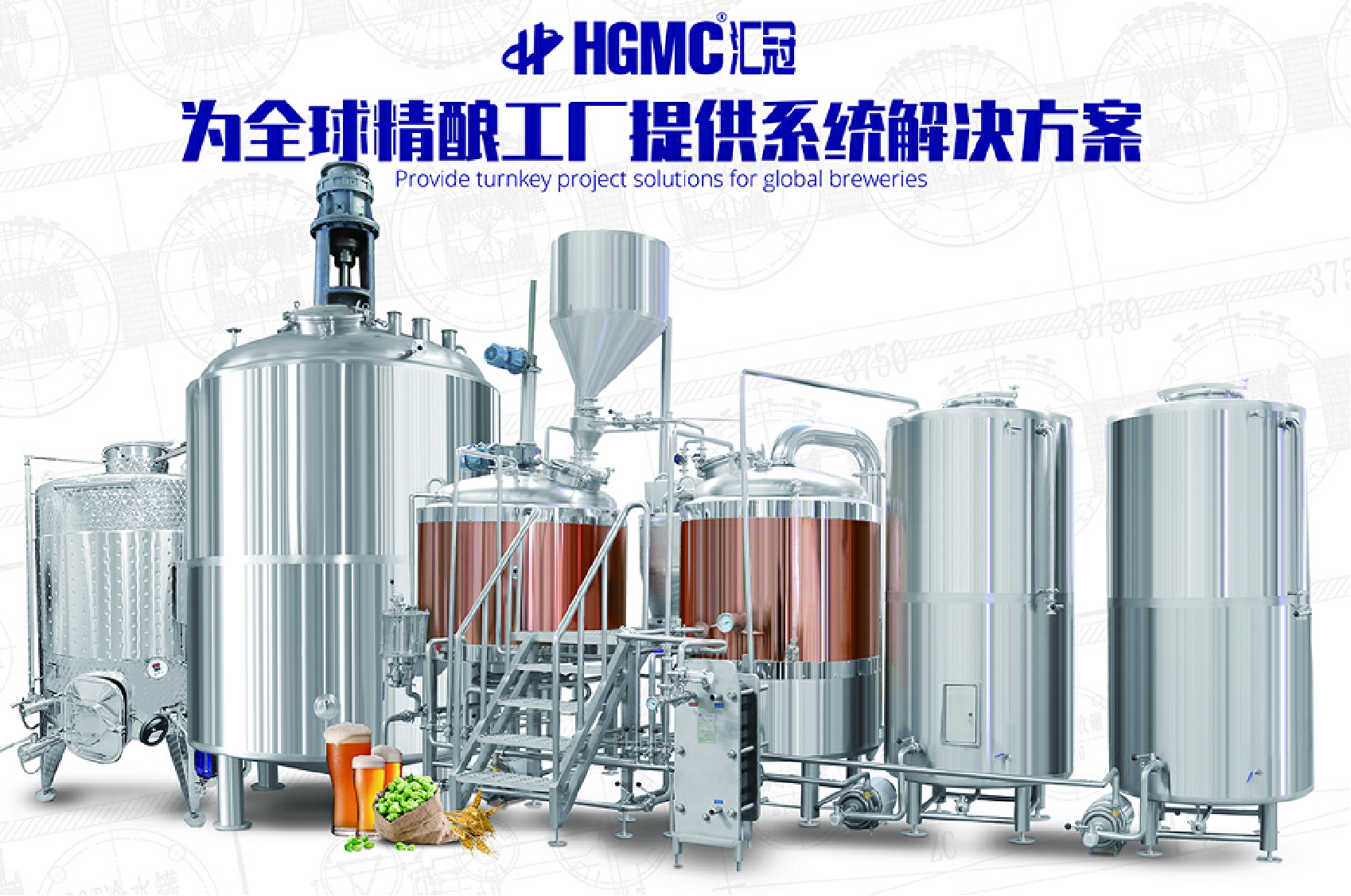
Conclusion: Partnership for Global Brewing Excellence
The industrialization of craft beer production in emerging markets represents one of the most significant opportunities in the global beverage sector. Success in this dynamic environment requires more than manufacturing capability—it demands deep technical expertise, comprehensive regulatory knowledge, and commitment to long-term customer partnerships.
By consistently showcasing cutting-edge technology and comprehensive service delivery at international venues like BrauBeviale, leading manufacturers solidify their roles as indispensable global partners, ready to support the next generation of industrial and commercial brewing worldwide with certified, high-performance beer brewing equipment.
As the craft beer market continues its global expansion, with the International Monetary Fund projecting sustained economic growth in developing economies through 2030, the demand for sophisticated, reliable brewing systems will only intensify. Equipment suppliers who can navigate the complex intersection of technology, compliance, and service excellence will be well-positioned to capitalize on this multi-billion dollar opportunity.
The future of industrial craft brewing belongs to those who understand that great beer is born from the perfect marriage of artisanal brewing knowledge and precision engineering—scaled to meet global demand while maintaining the quality and consistency that craft beer enthusiasts worldwide have come to expect.
