Introduction: why location decisions are expensive to “fix later”
The craft beer market is still expanding globally, with multiple research firms projecting strong growth through 2030. For example, Grand View Research estimates the global craft beer market at about USD 92.19B in 2023 and forecasts it to reach about USD 178.57B by 2030 (CAGR ~9.9%). That growth continues to attract new entrants—but it does not make brewery build-outs cheaper or regulatory compliance easier.
A craft brewery location is not just a real-estate decision. It determines:
- What you’re allowed to produce and sell (and under which licenses)
- Whether your building can support steam, drainage, glycol chilling, CO2 safety, and sanitation
- Your long-term operating costs (power, water, wastewater surcharges)
- Whether your workflow is efficient (or fights you every day)
Below are five practical, high-impact considerations to help founders and expanding breweries avoid “irreparable” location mistakes—especially around compliance and utilities.
1) Local regulations and permitting: start with the rulebook, not the floorplan
Regulatory requirements vary by country, state/province, and even city district. Before you sign a lease, confirm feasibility in writing (or via qualified legal/permit advisors).
Key items to verify:
- Zoning: is brewing/manufacturing allowed in the intended area?
- Fire & building codes: boiler/steam room standards, ventilation, occupancy limits (taproom), hazardous material storage (CO2 cylinders, cleaning chemicals)
- Environmental requirements: wastewater discharge limits, pretreatment, pH and temperature constraints, solids screening
- Alcohol licensing: production license + on-site sales privileges + distribution permissions
- Labeling/packaging approvals (where applicable)
If you plan to target the U.S. market, the Alcohol and Tobacco Tax and Trade Bureau (TTB) is a crucial reference point. TTB guidance emphasizes that breweries must obtain approval before operating, and it also highlights practical application requirements such as premises diagrams and supporting documents (and notes there is no federal fee to apply). These details affect building selection because you may need clearly defined bonded areas, controlled access, and compliant storage.
Practical tip: create a “permit package checklist” early (premises diagram, utility plans, drainage plan, equipment list, safety plan). A location that looks perfect for a taproom may fail on drainage, ceiling height, or egress.
2) Utilities & operating costs: power, water, wastewater, and thermal loads
Utilities can decide profitability—especially once you scale beyond a small taproom model.
Why utilities matter in brewing
Brewing is fundamentally a heat-and-cool process:
- Heating: mashing, lautering, boiling, hot water generation, CIP hot water
- Cooling: knockout, fermentation control, cold conditioning, cold storage
- Compressed gases: CO2 for carbonation, sometimes nitrogen
- Water: product + cleaning + rinse + packaging + general facility use
Water use: plan for reality, not best-case
Water-to-beer ratios vary widely by brewery size and practices. Colorado State University experts have stated that small brewers may use roughly 10–20 barrels of water to produce one barrel of beer, while highly efficient large breweries may achieve about 2–4:1 ratios. Many breweries land somewhere in between depending on cleaning practices, packaging mix, and wastewater handling.
What this means for location selection:
- Verify your available water supply capacity (flow rate and pressure)
- Confirm sewer capacity and wastewater discharge rules
- Ask about municipal surcharges (BOD/COD, solids, fats/oils/grease for brewpub kitchens)
Energy: your building must support both electrical and mechanical demands
The U.S. EPA’s brewery energy materials highlight numerous energy-saving opportunities, but first you need a site that can physically support your loads (electrical service size, gas availability, boiler venting routes, roof structure for HVAC, space for glycol chiller + pumps).
Minimum checks before you commit:
- Electrical: service capacity, transformer availability, room for panels/VFDs
- Gas/steam: natural gas supply and venting feasibility if using a boiler
- Refrigeration: glycol chiller placement, noise limits, heat rejection, maintenance access
- Drainage: sloped floors and correctly located trench drains (often the #1 retrofit cost surprise)
3) Space requirements and expansion: size for the business model, not just the brewhouse
A location that fits your brewhouse today can block your growth tomorrow.
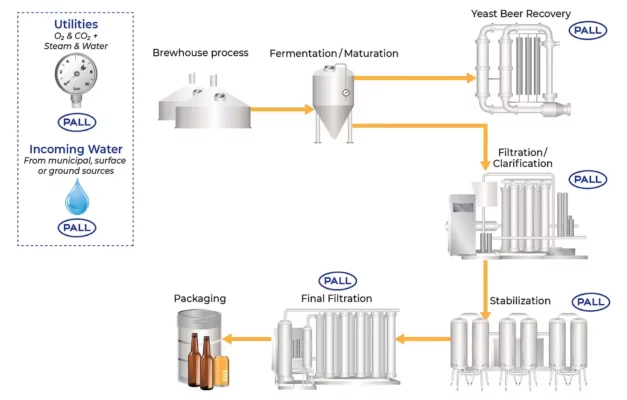
Start from process flow
You need space for:
- Raw material receiving and storage (malt, hops, adjuncts)
- Brewhouse area + safety clearance
- Fermentation cellar (often the largest area)
- Cold room / finished goods storage
- Packaging (kegging/canning/bottling) and dry goods storage
- Lab/QC (even a small, clean corner helps)
- Maintenance/utility rooms (boiler, chiller, air compressor)
- Taproom/restaurant (if applicable), plus restrooms and ADA access
Ceiling height and floor load matter
Fermenters, brite tanks, and CIP loops demand vertical clearance. Floors must handle point loads and dynamic loads from full vessels. If your building has limited ceiling height or unknown slab thickness, equipment choice becomes constrained (and more expensive due to customization).
Expansion planning (non-negotiable)
A good rule: choose a space where you can add at least one of the following without relocating:
- Additional fermenters (often the fastest capacity unlock)
- Larger cold storage
- A small canning line or better kegging setup
- More warehouse/staging area
4) Aesthetics, brand experience, and customer access (for taproom-first breweries)
If your revenue depends heavily on on-site sales, the “front of house” is not optional—it’s a profit engine.
Location factors that directly affect taproom success:
- Visibility and signage options
- Parking availability and public transit access
- Neighborhood fit (foot traffic, complementary businesses)
- Noise restrictions and operating hour limitations
- Outdoor space permissions (patios can be high ROI, but often permit-heavy)
However, don’t let aesthetics override production fundamentals. Many visually attractive spaces are expensive to retrofit for drains, steam, and ventilation. The best taproom location is one that can be made compliant without crippling CAPEX.
Practical tip: separate guest pathways from production pathways to reduce safety risk and contamination risk. Tour-friendly layouts can be a marketing advantage, but only when designed intentionally.
5) Facility design & layout: efficiency, safety, and sanitation are “built into” the building
Even with great equipment, a poor layout creates daily losses: longer hose runs, forklift bottlenecks, contamination risks, and cleaning headaches.
Layout principles that should guide building choice
- One-way flow: receiving → brewing → fermentation → packaging → shipping
- Short utility runs: steam/gas lines, glycol loops, water lines, CO2 lines
- Drainage-first thinking: floors pitched to drains; avoid “water traps” that breed odors and slip hazards
- CIP-friendly design: dedicated CIP supply/return, chemical storage, and safe handling zones
- Safety: CO2 monitoring in cellar areas, ventilation, clear egress, safe chemical handling
Where HGMC fits (brand section, naturally integrated)
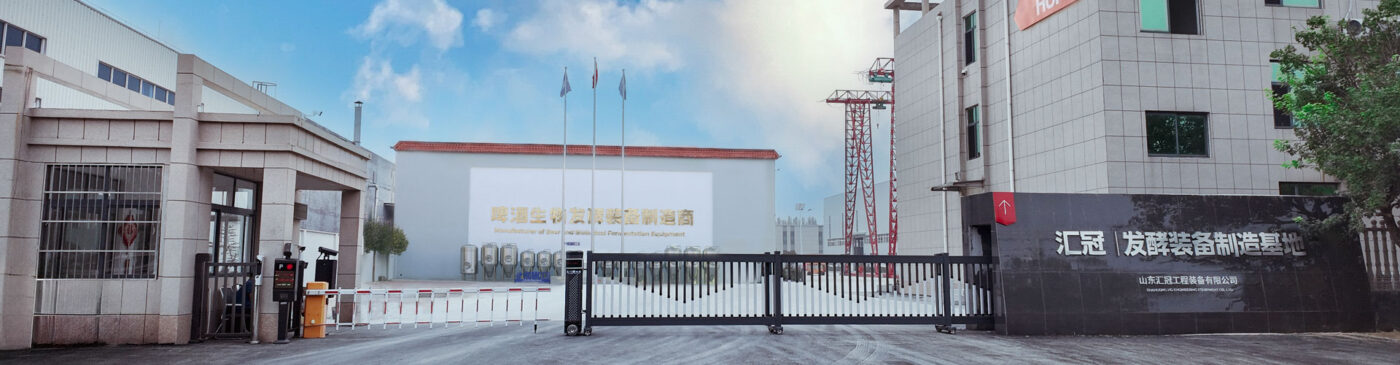
HGMC is the world’s leading manufacturer of beer brewing equipment. We produce brewery equipment, beverage equipment, and canning/bottling lines. With more than 30 national authorized patents and more than 20 high-tech achievements, we support both individual equipment supply and complete turnkey projects—covering design, manufacturing, installation, commissioning, and training—serving customers in more than 120 countries.
From a location-planning perspective, turnkey support can reduce risk because building constraints (ceiling height, doors, slab loads, drainage positions, utility capacity) should be matched to vessel geometry and process needs before fabrication and installation.
Data-backed checklist (quick reference)
Before signing a lease or buying property, confirm:
- Zoning permits brewing + on-site sales (if needed)
- Water supply: flow rate, pressure, and reliability
- Sewer/wastewater: capacity, discharge limits, surcharges, pretreatment needs
- Power + gas: sufficient service size; upgrade timeline and cost
- Ceiling height and door access: tank installation path, rigging feasibility
- Floor: slope-to-drain potential; slab thickness/load rating
- Ventilation: steam, boiler, brewhouse exhaust, CO2 safety
- Expansion space: at least one growth path without relocation
- Customer access (taproom): parking, traffic, signage, hours
- Permitting timeline: realistic schedule buffers
FAQ (Q&A section for SEO)
Q1: What is the most important factor when choosing a craft brewery location?
Regulatory feasibility and utility infrastructure are usually the top two. If zoning, wastewater rules, or power capacity don’t work, the project can stall or become dramatically more expensive than planned.
Q2: How much water does a craft brewery typically use?
It varies by practices and size. Some academic and industry commentary indicates small breweries may use roughly 10–20 barrels of water to produce 1 barrel of beer, while efficient large breweries may achieve about 2–4:1. Your location choice matters because local water/sewer pricing and discharge rules directly affect operating cost.
Q3: Should I choose a taproom-first location or an industrial production site?
It depends on your sales model. Taproom-first locations prioritize access, parking, visibility, and customer experience. Production sites prioritize utilities, logistics, and expansion space. Many successful breweries start taproom-first but choose buildings that still allow packaging and cold storage expansion.
Q4: What building features are the most expensive to retrofit?
Drainage (floor slopes + trench drains), wastewater pretreatment, ventilation/steam handling, and electrical service upgrades are often the biggest surprises—especially in older buildings.
Q5: How do I size a brewery space for future growth?
Start with a capacity plan (annual barrels/HL), then allocate space around cellar, cold storage, and packaging—these typically expand first. Choose a building that allows additional fermenters and larger cold storage without requiring a full relocation.
Q6: Do I need to plan for canning/bottling at the location stage?
Yes—even if you start with kegs only. Packaging adds power demand, compressed air needs, dry storage, QC requirements, and logistics space. A “packaging-ready” building offers better growth options and resale flexibility.
Conclusion
Choosing a craft brewery location is a decision that locks in your compliance burden, your utility costs, and your workflow efficiency. Focus first on regulations and utilities, then confirm space and expansion potential, then refine customer experience and aesthetics, and finally ensure the facility design supports sanitation and safety.
When these five factors are addressed upfront, you dramatically reduce CAPEX surprises, permitting delays, and day-to-day operational friction—putting your brewery on a more reliable path to profitability.
