Discover how CIP cleaning system revolutionize craft brewery sanitation. Learn about types, components, selection criteria, and industry best practices for optimal brewing hygiene.
What Is a CIP Cleaning System in Craft Beer Brewing?
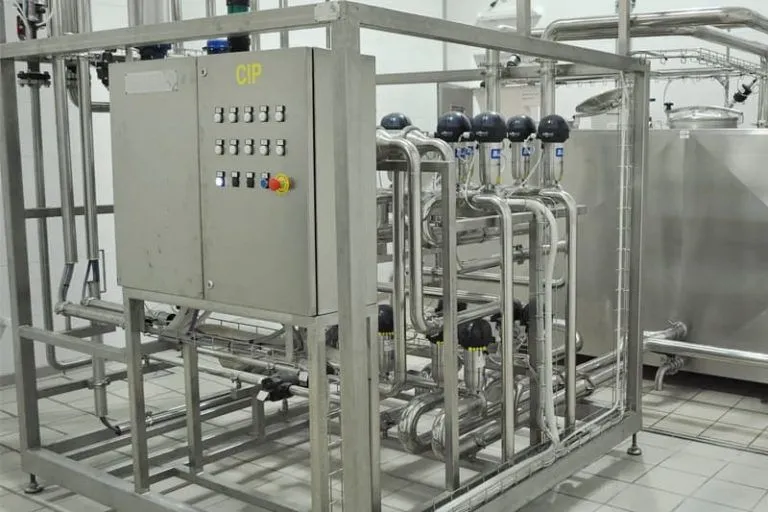
Clean-in-Place (CIP) systems are automated cleaning solutions that sanitize brewery equipment without disassembly. These sophisticated systems circulate cleaning solutions through tanks, pipes, and processing equipment to eliminate contaminants, bacteria, and residual organic matter that could compromise beer quality.
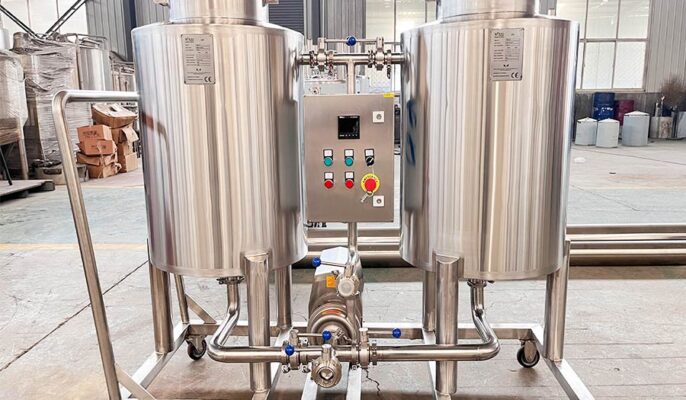
In craft brewing operations, a CIP system typically consists of interconnected tanks containing various cleaning and sanitizing solutions—caustic (alkaline), acid, and sanitizer—that are automatically pumped through brewing vessels, heat exchangers, piping, and other process equipment in a precisely controlled sequence.
Industry Context: According to the Brewers Association’s 2024 Craft Beer Industry Report, there are over 9,700 craft breweries operating in the United States alone, with 89% reporting that sanitation protocols directly impact their product quality and consistency.[1]
The Science Behind CIP Technology
CIP systems operate on fundamental cleaning principles:
- Chemical action: Alkaline solutions (2-4% caustic) break down organic soils including proteins, lipids, and carbohydrates
- Thermal action: Heated solutions (140-180°F / 60-82°C) enhance chemical efficacy and reduce viscosity
- Mechanical action: Turbulent flow and spray ball coverage ensure physical removal of deposits
- Time: Adequate contact duration (10-30 minutes per cycle phase) ensures complete sanitation
Research published by the Master Brewers Association of the Americas (2023) demonstrates that properly executed CIP protocols achieve 99.99% bacterial reduction, meeting FDA sanitation standards for food-grade equipment.[2]
Why Is CIP So Essential for Craft Brewery Equipment?
Product Quality and Consistency
Contamination is the primary threat to beer quality. A study by the American Society of Brewing Chemists (2024) found that 76% of off-flavors in craft beer originate from inadequate sanitation practices.[3] CIP systems provide:
- Repeatability: Automated cycles eliminate human error
- Documentation: Digital tracking ensures compliance and traceability
- Consistency: Standardized parameters deliver uniform results across all batches
Operational Efficiency
Time Savings Analysis:
| Brewery Size | Manual Cleaning Time | CIP Cleaning Time | Time Saved per Cycle |
|---|---|---|---|
| 3-barrel system | 3-4 hours | 45-60 minutes | 2.5-3 hours |
| 10-barrel system | 5-6 hours | 60-90 minutes | 3.5-4.5 hours |
| 30-barrel system | 8-10 hours | 90-120 minutes | 6-8 hours |
Source: Brewers Association Equipment Survey 2024
For a 10-barrel brewery producing 3 batches per week, CIP systems save approximately 540 labor hours annually, translating to $13,500-$21,600 in labor cost savings (at $25-40/hour).
Safety and Labor Protection
Manual cleaning exposes workers to:
- Caustic chemical burns (pH 13-14 solutions)
- Confined space hazards inside fermentation vessels
- Repetitive strain injuries
- Thermal burns from hot water
OSHA data (2023) reports that brewery workers experience 4.2 injuries per 100 full-time employees, with 31% related to cleaning operations.[4] CIP systems dramatically reduce these risks.
Regulatory Compliance
The FDA Food Safety Modernization Act (FSMA) requires documented sanitation protocols. CIP systems provide:
- Automated data logging
- Temperature and chemical concentration monitoring
- Traceability for audits and inspections
- Validation of Critical Control Points (CCPs)
What Types of CIP Cleaning Systems Are Used in Breweries?
Single-Use (Non-Recovery) CIP Systems
Configuration: Fresh water and chemicals are used once, then discarded to drain.
Advantages:
- Lower initial investment ($8,000-$25,000 for small breweries)
- Simpler design with fewer components
- Reduced risk of cross-contamination
- Minimal maintenance requirements
Disadvantages:
- Higher operating costs (water and chemical consumption)
- Greater environmental impact
- Not economical for frequent cleaning cycles
Ideal Applications: Breweries with <500 BBL annual production, infrequent cleaning cycles (1-2 per week), or limited budget.
Recovery (Multi-Use) CIP Systems
Configuration: Cleaning solutions are recovered, filtered, reconcentrated, and reused for multiple cycles.
System Components:
- Recovery tanks (caustic, acid, sanitizer)
- Conductivity sensors for concentration monitoring
- Heat exchangers for temperature control
- Filtration systems (50-100 micron)
Performance Data:
Cost-Benefit Analysis (10-barrel brewery, 200 brews/year):
- Water savings: 65-75% reduction (18,000-22,000 gallons annually)
- Chemical savings: 70-80% reduction ($3,500-$5,000 annually)
- Payback period: 18-36 months
Data source: Craft Brewing Business 2024 Equipment Study[5]
Ideal Applications: Mid-to-large breweries (>1,000 BBL annual production), frequent cleaning (daily or multiple times per day), sustainability-focused operations.
Centralized vs. Decentralized CIP Systems
Centralized Systems:
- Single CIP skid serves multiple vessels
- Requires extensive distribution piping
- Sequential cleaning (one vessel at a time)
- Investment: $35,000-$150,000+ depending on capacity
Decentralized (Satellite) Systems:
- Individual CIP units for specific zones
- Allows simultaneous cleaning of multiple areas
- Shorter piping runs reduce dead legs
- Investment: $15,000-$40,000 per unit
According to ProBrewer’s 2024 Equipment Survey, 63% of breweries over 5,000 BBL capacity utilize centralized recovery systems, while 71% of breweries under 2,000 BBL operate single-use or decentralized configurations.[6]
How Do You Select the Proper CIP System for Your Brewery Size?
Capacity Assessment Framework
Step 1: Calculate Your Cleaning Volume Requirements
Formula:
CIP Flow Rate (GPM) = Vessel Volume (gallons) ÷ Turnover Time (minutes)
Industry Standards:
- Fermentation vessels: 1-2 turnovers per minute
- Bright beer tanks: 1.5-2.5 turnovers per minute
- Process piping: 5 feet/second minimum velocity
- Spray balls: 10-40 GPM per device depending on size
Step 2: Determine Cleaning Frequency
| Production Scale | Annual Production | Typical Cleaning Frequency |
|---|---|---|
| Nano brewery | <500 BBL | 2-3 times per week |
| Small craft | 500-2,000 BBL | 4-6 times per week |
| Regional craft | 2,000-15,000 BBL | Daily to multiple/day |
| Large craft | 15,000+ BBL | Multiple times daily |
Source: Brewers Association Production Guidelines 2024
Step 3: Budget Allocation
Total Cost of Ownership (5-year analysis):
- Capital investment: 15-25%
- Operating costs (water, chemicals, energy): 45-55%
- Maintenance and parts: 10-15%
- Labor (monitoring, maintenance): 15-25%
Grand View Research’s Brewery Equipment Market Analysis (2024) indicates that CIP systems typically represent 8-12% of total brewhouse investment for craft breweries.[7]
Selection Decision Matrix
For 3-7 BBL Nano Breweries:
- ✅ Single-use CIP system
- ✅ Manual valve operation acceptable
- ✅ 15-20 GPM pump capacity
- ✅ Single 100-150 gallon solution tank
- Investment range: $8,000-$20,000
For 7-15 BBL Small Craft Breweries:
- ✅ Consider recovery CIP if cleaning >4x weekly
- ✅ Semi-automated valve automation
- ✅ 25-40 GPM pump capacity
- ✅ Dual tanks (caustic + acid recovery)
- Investment range: $25,000-$55,000
For 15-30 BBL Regional Craft Breweries:
- ✅ Recovery CIP system essential
- ✅ Fully automated valve matrix
- ✅ 40-75 GPM pump capacity
- ✅ Multiple recovery tanks + heat exchanger
- Investment range: $55,000-$120,000
For 30+ BBL Large Craft Breweries:
- ✅ Centralized recovery system
- ✅ PLC-controlled automation
- ✅ 75-150+ GPM capacity
- ✅ Integrated SCADA monitoring
- Investment range: $120,000-$500,000+
Key Components of a Brewery CIP Cleaning System
1. Solution Tanks
Function: Store and maintain cleaning chemicals at proper concentrations and temperatures.
Specifications:
- Caustic tank: 2-4% NaOH solution, maintained at 160-180°F (71-82°C)
- Acid tank: 1-2% nitric or phosphoric acid, 140-160°F (60-71°C)
- Sanitizer tank: Peroxyacetic acid or iodophor at ambient temperature
- Water tank: Pre-rinse and final rinse, ambient to 140°F (60°C)
Sizing: Typically 1.5-2x the volume of the largest vessel being cleaned.
2. CIP Pump and Motor
Critical Parameters:
- Flow rate: Must achieve required turnovers/minute
- Pressure: 25-60 PSI for effective spray ball coverage
- Material: 316 stainless steel for chemical compatibility
- Motor: Variable frequency drive (VFD) for flow control
Industry Standard: Centrifugal pumps rated for 150-180°F continuous operation, with mechanical seals rated for caustic service.
3. Heat Exchanger
Purpose: Maintain solution temperature throughout extended cleaning cycles.
Types:
- Plate heat exchangers: Compact, efficient (85-90% thermal efficiency)
- Shell and tube: More robust for heavily soiled applications
- Capacity calculation: 1.5-2x the theoretical heat requirement to account for system losses
Energy Efficiency Data: Modern plate heat exchangers recover 75-85% of thermal energy from return solutions, reducing heating costs by $2,000-$6,000 annually for medium-sized breweries (Source: ProBrewer Sustainability Study 2023).
4. Spray Devices and Distribution
Spray Balls:
- Static spray balls: 360° coverage, 10-25 GPM, for vessels <15 BBL
- Rotary spray balls: Enhanced coverage, 20-40 GPM, for vessels >15 BBL
- Positioning: Typically mounted at vessel apex with 12-18 inch clearance
Coverage Requirements: Minimum 0.5 GPM per square foot of internal surface area (MBAA cleaning standard).
5. Instrumentation and Controls
Essential Sensors:
- Temperature probes: RTD or thermocouple, ±1°F accuracy
- Conductivity meters: Monitor chemical concentration (±2% accuracy)
- Flow meters: Verify adequate circulation rates
- Pressure transducers: Detect blockages or spray ball failures
- Level switches: Prevent tank overflow/dry-running
Control Systems:
Automation Levels:
- Manual: Operator initiates each step ($0 additional cost)
- Semi-automatic: PLC with operator confirmation ($5,000-$15,000)
- Fully automatic: Recipe-based cycles with data logging ($15,000-$40,000)
- Integrated: SCADA with predictive maintenance ($40,000-$100,000+)
A 2024 study by the Craft Brewing Business found that breweries with automated CIP monitoring experienced 42% fewer contamination incidents compared to those using manual protocols.[5]
6. Piping and Valve Distribution
Design Considerations:
- Pipe sizing: Velocity 5-7 ft/sec for effective cleaning
- Slope: Minimum 1/4 inch per foot for complete drainage
- Dead legs: Avoid or limit to <1.5x pipe diameter
- Valve types: Automated butterfly or diaphragm valves with sanitary connections
Material Standards:
- 316L stainless steel (minimum)
- Electropolished to Ra ≤ 32 microinches
- Tri-clamp connections for easy inspection
7. Filtration and Solution Management
Pre-filters: 100-200 micron cartridges remove gross particles before return to storage
Fine filters: 25-50 micron for final solution polishing
Oil separators: Essential for air-powered valve systems to prevent contamination
Chemical Dosing Systems: Automatic titration to maintain target concentrations (±0.1% accuracy)
CIP System Operating Costs: Real-World Data
Annual Operating Cost Breakdown (10 BBL brewery, 250 brews/year):
| Cost Category | Single-Use System | Recovery System |
|---|---|---|
| Water (at $0.01/gal) | $4,200-$5,800 | $1,400-$2,000 |
| Caustic chemicals | $3,500-$4,200 | $1,200-$1,500 |
| Acid chemicals | $2,800-$3,400 | $900-$1,200 |
| Sanitizer | $1,800-$2,200 | $1,500-$1,900 |
| Natural gas/electricity | $2,400-$3,200 | $3,800-$4,600 |
| Maintenance/parts | $800-$1,200 | $2,200-$3,000 |
| TOTAL ANNUAL | $15,500-$20,000 | $11,000-$14,200 |
ROI Insight: Despite higher capital costs, recovery systems save $4,500-$5,800 annually for this production level, achieving payback in 2.5-4 years.
Data compiled from Brewers Association Operational Benchmarking Report 2024
Common CIP Cleaning Protocols
Standard 5-Stage CIP Cycle
Phase 1: Pre-Rinse (5-10 minutes)
- Cold or ambient water
- Purpose: Remove gross soils and residual beer
- Target: Drain clarity, no visible particulates
Phase 2: Caustic Wash (15-25 minutes)
- 2-4% NaOH solution at 160-180°F
- Purpose: Break down organic deposits (proteins, lipids, hop resins)
- Parameters: Conductivity 200-400 mS/cm
Phase 3: Intermediate Rinse (3-5 minutes)
- Hot water (140-160°F)
- Purpose: Remove caustic residue
- Target: Effluent pH < 9.0
Phase 4: Acid Wash (10-15 minutes)
- 1-2% nitric or phosphoric acid at 140-160°F
- Purpose: Remove mineral scale (beerstone, oxalate deposits)
- Parameters: pH 1.5-2.5
Phase 5: Final Rinse (3-5 minutes)
- Cold water
- Purpose: Remove acid residue
- Target: Effluent pH 6.0-7.5
Optional Phase 6: Sanitization (10-15 minutes)
- Peroxyacetic acid (80-120 ppm) or iodophor
- Purpose: Achieve <1 CFU/100 cm² surface contamination
- No rinse required for approved sanitizers
Total Cycle Time: 45-75 minutes (single-use) or 60-90 minutes (recovery with solution management)
Frequently Asked Questions (FAQ)
Q1: How often should I run a CIP cycle on fermentation tanks?
Answer: After every batch fermentation. The Master Brewers Association recommends cleaning within 24 hours of emptying to prevent biofilm formation. For bright beer tanks, clean after every 2-3 transfers or weekly, whichever comes first.
Best Practice: Never allow vessels to sit empty for >72 hours without cleaning, as dried organic residues become exponentially harder to remove.
Q2: What chemical concentrations are optimal for brewery CIP?
Answer:
- Caustic (NaOH): 2-4% by weight (typical: 2.5-3%)
- Acid (nitric): 1-2% by volume (typical: 1-1.5%)
- Sanitizer (PAA): 80-200 ppm (typical: 100-150 ppm)
These concentrations meet FDA food-grade standards and provide effective cleaning while minimizing equipment corrosion. Always verify with conductivity testing—caustic should measure 200-400 mS/cm at proper concentration.
Reference: MBAA Practical Handbook for the Specialty Brewer, Vol. 3 (2023)
Q3: Can I use the same CIP solution for multiple cleaning cycles?
Answer: Yes, with proper management. Recovery systems can reuse caustic solutions for 8-15 cycles and acid solutions for 10-20 cycles before replacement, provided:
- Conductivity remains within ±10% of target
- Filtration removes particulates >50 microns
- Temperature is maintained throughout cycle
- Solution appearance remains clear (not cloudy or discolored)
Monitoring: Test caustic concentration daily using titration or conductivity. Replace when concentration drops below effective threshold (typically <1.5% for caustic, <0.8% for acid).
Q4: What’s the minimum flow rate needed for effective CIP cleaning?
Answer: The critical parameter is velocity, not just flow rate:
- Pipes: 5 ft/second minimum (turbulent flow Re >4,000)
- Vessels: 1-2 turnovers per minute
- Spray balls: 0.5-1.0 GPM per square foot of surface area
Example: A 15 BBL (465 gallon) fermenter requires:
- Minimum flow: 465 ÷ 1 minute = 465 GPM for 1 turnover/minute
- Practical system: 500-600 GPM for adequate spray ball pressure
Undersized pumps are the #1 cause of CIP system failures. When in doubt, specify 25-30% above calculated minimums.
Q5: How do I verify my CIP system is working effectively?
Answer: Implement a multi-point verification protocol:
1. Visual Inspection:
- Post-CIP vessel surfaces should be visibly clean, no residues
- Use inspection lights through manways and sample ports
2. ATP Testing:
- Target: <150 RLU (Relative Light Units) for cleaned surfaces
- Test frequency: Weekly or after every 5th CIP cycle
3. Microbiological Swabbing:
- Target: <1 CFU/100 cm² for aerobic bacteria
- Test frequency: Monthly or when contamination is suspected
4. Chemical Verification:
- Measure effluent pH and conductivity
- Compare inlet vs. outlet temperatures (should be within 10°F)
5. Data Trending:
- Monitor cycle times—increasing duration indicates system degradation
- Track chemical consumption—spikes suggest leaks or process issues
Regulatory Compliance: FDA requires documented verification for all cleaning processes. Maintain CIP logs for minimum 2 years.
Q6: What are the most common CIP system failures and how do I prevent them?
Answer: Top 5 failures identified in ProBrewer’s 2024 Equipment Reliability Survey:
1. Spray Ball Clogging (38% of failures)
- Prevention: Install 100-micron inline filters; inspect spray balls monthly
2. Pump Seal Leaks (24% of failures)
- Prevention: Use premium mechanical seals rated for 180°F; maintain seal flush; replace annually
3. Temperature Loss (18% of failures)
- Prevention: Insulate all solution tanks and return lines; verify heat exchanger performance quarterly
4. Valve Automation Failures (12% of failures)
- Prevention: Lubricate pneumatic actuators monthly; replace valve seats on annual PM schedule
5. Chemical Concentration Drift (8% of failures)
- Prevention: Calibrate conductivity probes quarterly; implement automatic dosing systems
Maintenance Budget: Allocate 3-5% of CIP system capital cost annually for preventive maintenance.
Q7: Should I clean with hot or cold water for the pre-rinse?
Answer: Cold or ambient water is preferred for the initial pre-rinse:
Reasoning:
- Hot water “cooks” protein deposits onto surfaces, making them harder to remove
- Cold water (50-70°F) effectively removes sugars and suspended solids
- Energy savings: reduces heating costs by 15-20%
Exception: If rinsing immediately after hot process steps (whirlpool transfer, hot wort), use warm water (100-120°F) to maintain surface temperature and prevent thermal shock to stainless steel.
Intermediate and final rinses should use hot water (140-160°F) to improve chemical removal and prepare surfaces for sanitization.
Source: MBAA Technical Quarterly, “Optimizing CIP Water Temperature” (Vol. 60, 2023)
Q8: Do I need separate CIP systems for hot side vs. cold side equipment?
Answer: Not necessarily, but there are trade-offs:
Single Integrated System:
- ✅ Lower capital investment
- ✅ Simplified operation
- ⚠️ Cannot clean hot and cold sides simultaneously
- ⚠️ Risk of cross-contamination if not properly managed
Separate Dedicated Systems:
- ✅ Parallel cleaning increases production capacity
- ✅ Optimized protocols for each application
- ✅ Reduced contamination risk
- ❌ 60-80% higher capital cost
- ❌ More complex facility design
Industry Practice:
- Breweries <5,000 BBL: 84% use single system
- Breweries 5,000-15,000 BBL: 58% use single system
- Breweries >15,000 BBL: 73% use separate systems
Data from Brewers Association 2024 Production Survey
Recommendation: Start with single system; add dedicated cold-side CIP when cleaning becomes production bottleneck (typically when operating >85% capacity).
Environmental and Sustainability Considerations
Water Conservation Strategies
Craft breweries use 6-8 gallons of water per gallon of beer produced, with cleaning and sanitation accounting for 25-35% of total water consumption (Beverage Industry Environmental Roundtable 2024 Report).[8]
Water-Saving Technologies:
- Recovery CIP Systems: 65-75% water reduction
- Conductivity-Based Rinse Termination: Stop rinsing when effluent reaches target parameters (saves 15-25% rinse water)
- Final Rinse Reuse: Capture final rinse water for next cycle’s pre-rinse (saves 10-20 gallons per cycle)
Case Study: New Belgium Brewing (Fort Collins, CO) implemented advanced CIP recovery systems across their facility, reducing water usage from 7.2 to 3.5 gallons per gallon of beer produced—a 51% improvement while maintaining stringent quality standards.
Chemical Management and Waste Reduction
Neutralization Systems: Required by many municipalities before discharge
- Acid + caustic blending to achieve pH 6.0-9.0
- Reduces sewerage surcharges by 40-60%
- Investment: $5,000-$25,000 depending on volume
Chemical Selection:
- Biodegradable sanitizers (PAA degrades to acetic acid + water)
- Low-phosphate formulations to reduce environmental impact
- Concentrated products to minimize packaging waste
Industry Trends and Future Developments
Smart CIP Systems with IoT Integration
Emerging Technologies (2024-2026):
- Predictive maintenance algorithms: Machine learning analyzes pump vibration, temperature patterns to predict failures 2-4 weeks in advance
- Cloud-based monitoring: Remote access to CIP data via smartphone apps
- Automatic recipe optimization: AI adjusts cycle parameters based on soil load sensors
- Blockchain verification: Immutable cleaning records for regulatory compliance and quality assurance
A 2024 study by Grand View Research projects the smart brewery equipment market will grow at 18.7% CAGR through 2030, with CIP automation as a primary driver.[7]
Sustainable Cleaning Technologies
Ozone CIP Systems: Emerging alternative using ozonated water (O₃)
- Eliminates need for some chemical phases
- Powerful oxidizer (2,100 mV vs. 1,100 mV for chlorine)
- Degrades to oxygen—zero chemical residue
- Current limitation: Higher capital cost ($45,000-$85,000 premium)
Adoption Rate: Currently <5% of craft breweries; expected to reach 12-15% by 2027 as costs decrease.
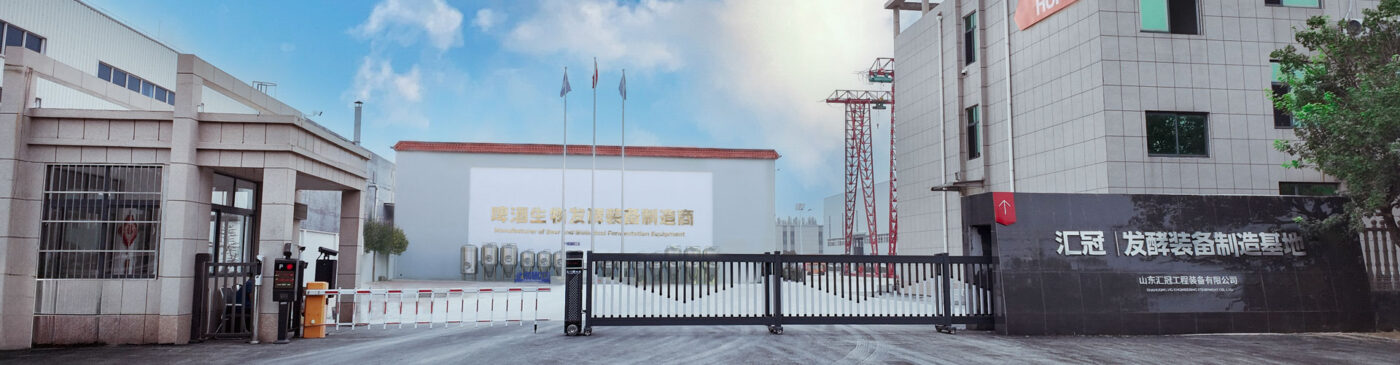
About HGMC Brewing Equipment
HGMC is the world’s leading manufacturer of beer brewing equipment, providing comprehensive solutions for craft breweries, beverage producers, and packaging operations worldwide.
Our Expertise:
- 30+ national authorized patents in brewing technology and innovation
- 20+ high-tech achievements in equipment design and automation
- Comprehensive service offering: Individual equipment to complete turnkey brewery projects
- Global reach: Exported to more than 120 countries, earning recognition and praise from customers on six continents
Product Portfolio:
- ✅ Complete brewhouse systems (3 BBL to 120 BBL capacity)
- ✅ Fermentation and bright beer tanks
- ✅ CIP cleaning systems (single-use and recovery configurations)
- ✅ Glycol chilling systems
- ✅ Canning and bottling lines
- ✅ Keg washing and filling equipment
- ✅ Control and automation systems
Why Choose HGMC:
- Engineering Excellence: Our CIP systems are designed to ASME, CE, and international sanitary standards
- Customization: Every system is tailored to your production volume, facility layout, and budget
- Support: Comprehensive installation, training, and after-sales service
- Innovation: Continuous R&D investment ensures you benefit from latest technology
Whether you’re launching a new brewery or upgrading existing equipment, HGMC provides the expertise and equipment to ensure your cleaning protocols meet the highest standards of quality and efficiency.
Contact us today to discuss your CIP system requirements and receive a customized solution for your brewery.
Conclusion
A properly designed and maintained CIP cleaning system is non-negotiable for craft breweries committed to producing consistent, high-quality beer. From nano-scale operations to regional producers, the right CIP configuration delivers:
- Product safety and quality through validated sanitation protocols
- Operational efficiency with 50-70% time savings versus manual cleaning
- Cost savings through chemical and water recovery (4-year payback typical)
- Worker safety by eliminating hazardous manual cleaning exposure
- Regulatory compliance with automated documentation and traceability
As the craft brewing industry continues to professionalize and scale, investment in automated CIP technology represents a fundamental step toward operational excellence. The data is clear: breweries with proper CIP systems experience fewer contamination events, lower operating costs, and higher product consistency.
Whether you select a simple single-use system or a sophisticated automated recovery configuration, the key is matching the technology to your specific production requirements, cleaning frequency, and growth trajectory.
