
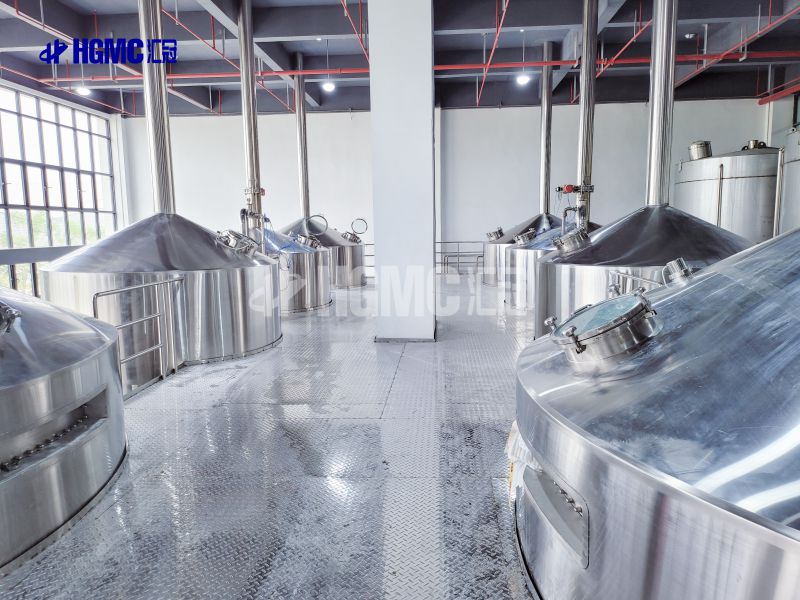
The craft beer industry has experienced unprecedented growth over the past decade, with the Brewers Association reporting over 9,500 craft breweries operating in the United States alone as of 2024. As competition intensifies and consumer demands evolve, breweries are increasingly turning to automation to maintain quality consistency, improve efficiency, and maximize profitability. This comprehensive guide explores the world of automated brewing systems, their components, benefits, and how they’re transforming the beer production landscape.
What Is an Automated Brewery?
An automated brewery is a beer production facility that utilizes advanced control systems, sensors, and mechanical equipment to manage and execute brewing processes with minimal human intervention. Unlike traditional manual brewing operations, automated systems can precisely control temperature, timing, ingredient additions, and other critical parameters throughout the brewing cycle.
Automation in breweries ranges from semi-automated systems that assist brewers with specific tasks to fully automated operations where entire batches can be produced with the push of a button. Modern automated breweries integrate programmable logic controllers (PLCs), human-machine interfaces (HMIs), and sophisticated software to monitor and adjust every stage of production.
According to a 2023 study by Grand View Research, the global brewery equipment market is projected to reach $24.8 billion by 2030, with automation technology driving a significant portion of this growth at a compound annual growth rate (CAGR) of 7.2%.
Evolution of Brewing Automation
Brewing automation has evolved dramatically:
- 1980s-1990s: Basic temperature controllers and timers
- 2000s: Introduction of PLC systems and recipe management software
- 2010s: Integration of touchscreen HMIs and remote monitoring
- 2020s: IoT connectivity, predictive analytics, and AI-assisted brewing
Core Components of an Automated Brewing System
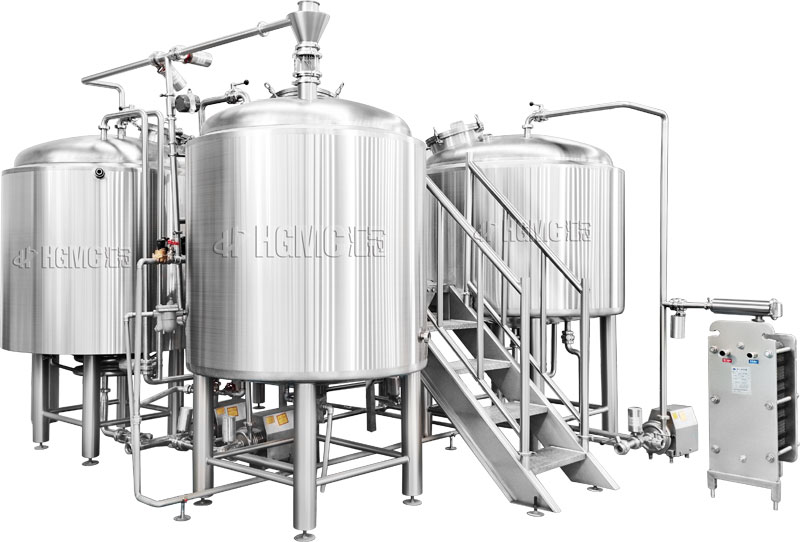
A comprehensive automated brewing system consists of several interconnected components that work together to ensure consistent, high-quality beer production.
1. Control System & Software
The brain of an automated brewery includes:
- Programmable Logic Controllers (PLCs): Industrial computers that execute control logic and manage equipment
- SCADA Systems: Supervisory Control and Data Acquisition systems for real-time monitoring
- Recipe Management Software: Stores brewing recipes and automatically adjusts parameters
- Batch Tracking Systems: Records data for quality control and regulatory compliance
Industry data shows that breweries using integrated control systems reduce batch variation by up to 95% compared to manual operations.
2. Automated Mash Tun & Lauter Tun
These vessels feature:
- Automated temperature control with precision to ±0.5°C
- Motorized rakes for grain bed management
- Automated sparging systems for consistent extraction
- Level sensors to monitor liquid volume
3. Brew Kettle with Automated Controls
Modern brew kettles include:
- Automated heating systems (electric, steam, or direct fire)
- Hop dosing systems for precise addition timing
- Evaporation rate monitoring
- Automated whirlpool functionality
4. Fermentation Control Systems
Critical for quality beer production:
- Glycol cooling systems with automated temperature regulation
- Pressure sensors and relief valves
- Automated yeast pitching systems
- Real-time fermentation monitoring (temperature, pressure, gravity)
Research from the Master Brewers Association of the Americas indicates that precise fermentation temperature control can improve flavor consistency by 40% and reduce production time by 15-20%.
5. CIP (Clean-in-Place) Systems
Automated cleaning is essential for:
- Consistent sanitation standards
- Reduced labor costs (saves 60-70% of manual cleaning time)
- Water and chemical efficiency
- Documentation for compliance
A well-designed CIP system can reduce water consumption by 30-40% compared to manual cleaning methods, according to data from the Brewers Association.
6. Packaging Line Integration
Automated packaging includes:
- Automatic bottle/can fillers
- Labeling systems
- Quality inspection systems
- Case packing automation
Key Advantages of an Automated Brewery
Investing in brewery automation delivers measurable benefits across multiple operational areas.
1. Consistency & Quality Control
The Challenge: Manual brewing is susceptible to human error and variation.
The Solution: Automation ensures that every batch follows the exact same parameters.
Data Point: Breweries report consistency improvements of 90-95% after implementing automation, with rejected batches decreasing from 5-8% to less than 1%.
2. Labor Efficiency & Cost Reduction
Statistics:
- Automated breweries reduce labor requirements by 40-60% per batch
- One brewer can manage multiple simultaneous batches
- Overnight and weekend brewing without additional staff
Real-World Impact: A 20-barrel automated brewery can produce the same volume as a 30-barrel manual operation with fewer staff members.
3. Increased Production Capacity
Automation enables:
- Faster turnaround times: Reduce brew day from 10-12 hours to 6-8 hours
- More brews per week: Increase from 3-4 to 5-7 batches
- Improved equipment utilization: Achieve 85-90% OEE (Overall Equipment Effectiveness) versus 60-70% for manual operations
4. Resource Optimization
Water Savings: 20-30% reduction through precise control and automated CIP
Energy Efficiency: 15-25% improvement through optimized heating/cooling cycles
Raw Material Utilization: 5-10% improvement in extract efficiency and hop utilization
The Brewers Association reports that resource optimization can save a mid-sized brewery $30,000-$50,000 annually.
5. Data Collection & Analytics
Automated systems provide:
- Real-time production metrics
- Historical batch data for troubleshooting
- Predictive maintenance alerts
- Compliance documentation
6. Scalability & Flexibility
Automation facilitates:
- Easy recipe scaling from pilot to production
- Quick changeovers between beer styles
- Remote monitoring and control
- Integration with business management systems
Cost & Return on Investment Analysis
Understanding the financial implications of brewery automation is crucial for making informed investment decisions.
Initial Investment Breakdown
Small Brewery (3-10 BBL):
- Basic automation: $50,000-$150,000
- Semi-automated system: $150,000-$300,000
- Full automation: $300,000-$500,000
Medium Brewery (10-30 BBL):
- Basic automation: $200,000-$400,000
- Semi-automated system: $400,000-$800,000
- Full automation: $800,000-$1,500,000
Large Brewery (30+ BBL):
- Semi-automated system: $1,500,000-$3,000,000
- Full automation: $3,000,000-$7,000,000+
- Turnkey automated facility: $7,000,000-$15,000,000+
Source: Industry surveys and equipment manufacturer data, 2024
ROI Calculation Framework
Annual Cost Savings:
- Labor Reduction: $40,000-$120,000 (depending on size)
- Resource Efficiency: $20,000-$60,000
- Reduced Waste: $10,000-$40,000
- Increased Production: $100,000-$500,000 in additional revenue
Example ROI Scenario (20 BBL Brewery):
- Initial Investment: $800,000
- Annual Cost Savings: $180,000
- Additional Annual Revenue: $250,000
- Total Annual Benefit: $430,000
- Payback Period: 1.9 years
- 5-Year ROI: 169%
Total Cost of Ownership (TCO)
When evaluating automation, consider:
- Maintenance costs: 3-5% of equipment value annually
- Software subscriptions: $3,000-$15,000 per year
- Training costs: $5,000-$20,000 initially
- Upgrade cycles: Major updates every 7-10 years
Despite these ongoing costs, automated breweries typically achieve 20-30% lower TCO over 10 years compared to manual operations when factoring in labor, waste, and efficiency gains.
Financing Options
- Equipment financing: 5-7 year terms at 4-8% interest
- SBA loans: Favorable terms for qualified businesses
- Lease options: Lower upfront costs with upgrade flexibility
- Tax incentives: Section 179 deductions and regional manufacturing credits
Automation Solutions for Different Brewery Sizes
Brewery automation is not one-size-fits-all. The optimal solution depends on production volume, growth plans, and budget constraints.
Nanobreweries & Brewpubs (1-3 BBL)
Recommended Automation Level: Basic to Semi-Automated
Key Features:
- Automated temperature control for mash and fermentation
- Simple touchscreen HMI
- Manual CIP with automated chemical dosing
- Basic recipe storage (5-10 recipes)
Investment Range: $30,000-$150,000
Best For: Operations focused on experimental batches and customer-facing brewing experiences.
Small Craft Breweries (3-10 BBL)
Recommended Automation Level: Semi-Automated
Key Features:
- PLC-based control system
- Automated mash temperature stepping
- Automated hop additions
- Semi-automated CIP
- Fermentation monitoring with alarms
- Basic packaging automation
Investment Range: $150,000-$500,000
Best For: Growing breweries ready to increase consistency and production capacity.
Mid-Size Production Breweries (10-30 BBL)
Recommended Automation Level: Full or Near-Full Automation
Key Features:
- Comprehensive SCADA system
- Fully automated brewhouse
- Automated CIP for all vessels
- Advanced fermentation control (30+ tanks)
- Automated packaging lines (bottles/cans)
- Integrated inventory management
- Remote monitoring capabilities
Investment Range: $800,000-$2,500,000
Best For: Established breweries focused on distribution and consistent quality at scale.
Regional & Large Breweries (30+ BBL)
Recommended Automation Level: Full Automation + Advanced Analytics
Key Features:
- Enterprise-level SCADA and MES (Manufacturing Execution System)
- Fully automated multi-vessel brewhouse
- Automated cellar operations (100+ fermenters)
- High-speed packaging lines (300+ cans/minute)
- Automated warehouse systems
- Predictive maintenance AI
- Quality control lab automation
- ERP system integration
Investment Range: $3,000,000-$15,000,000+
Best For: Large-scale operations requiring maximum efficiency and data-driven decision making.
HGMC: Your Partner in Brewing Automation
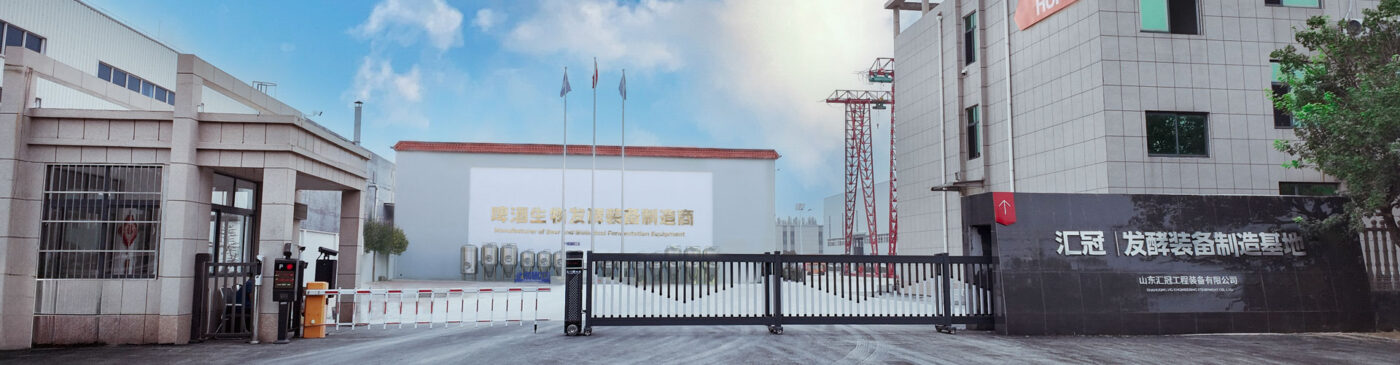
HGMC is the world’s leading manufacturer of beer brewing equipment, serving breweries across six continents. With more than 30 national authorized patents and over 20 high-tech achievements, HGMC stands at the forefront of brewing innovation.
Comprehensive Solutions
HGMC provides a full range of services, including:
- Individual Equipment: From single fermentation tanks to complete brewhouses
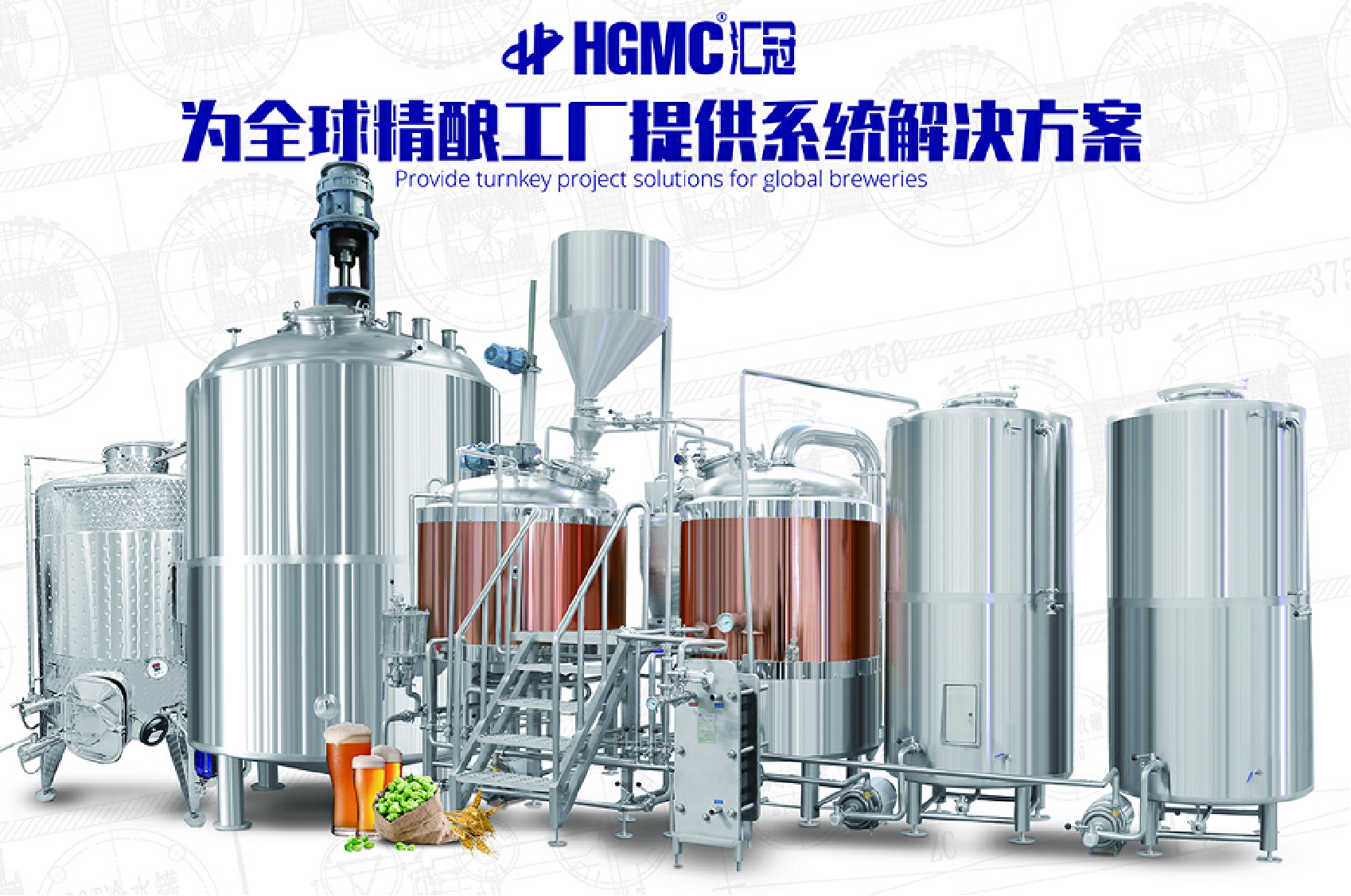
- Turnkey Projects: End-to-end brewery setup with full automation integration
- Beverage Equipment: Beyond beer – kombucha, cider, and other fermented beverages
- Canning & Bottling Lines: Automated packaging solutions for any production volume
Global Excellence
Exported to more than 120 countries worldwide, HGMC has earned recognition and praise from customers for:
- Quality craftsmanship using food-grade stainless steel
- Cutting-edge automation technology with user-friendly interfaces
- Customization capabilities tailored to specific brewery needs
- Comprehensive after-sales support including training and maintenance
- Competitive pricing without compromising quality
Whether you’re planning a 5 BBL craft brewery or a 100 BBL production facility, HGMC offers scalable automation solutions designed to grow with your business.
Frequently Asked Questions (FAQ)
1. How long does it take to install an automated brewery system?
Answer: Installation timelines vary by project scope:
- Basic automation retrofit: 2-4 weeks
- Complete automated brewhouse: 8-12 weeks
- Turnkey facility: 6-12 months (including construction)
Most manufacturers provide detailed project timelines during the planning phase. HGMC’s turnkey solutions include project management to ensure on-time delivery.
2. Do I need specialized staff to operate an automated brewery?
Answer: While automation reduces labor requirements, you’ll need staff with:
- Basic understanding of brewing principles
- Ability to operate touchscreen interfaces (similar to using a tablet)
- Training on system-specific features (typically 1-2 weeks)
Many brewers find that automation allows them to focus on recipe development and quality control rather than manual labor. Most manufacturers, including HGMC, provide comprehensive training as part of the installation.
3. What happens if the automation system fails?
Answer: Quality automated systems include:
- Manual override capabilities for all critical functions
- Redundant sensors to prevent single-point failures
- Alarm systems for early problem detection
- Remote diagnostic capabilities for quick troubleshooting
- Backup power options for essential systems
System reliability typically exceeds 99.5% with proper maintenance. Most failures are minor sensor issues that can be quickly resolved.
4. Can I automate an existing manual brewery?
Answer: Yes, most breweries can be retrofitted with automation. Options include:
- Phase 1: Automated temperature control and monitoring
- Phase 2: Automated valve control and CIP
- Phase 3: Full PLC integration and recipe management
Retrofitting allows you to spread investment over time while immediately benefiting from improved consistency.
5. How much does automated brewery maintenance cost?
Answer: Annual maintenance typically costs:
- 3-5% of equipment value for regular maintenance
- $5,000-$15,000 for software updates and calibration
- $2,000-$8,000 for spare parts inventory
Preventive maintenance programs reduce unexpected downtime by 70-80%.
6. What level of automation is right for my brewery?
Answer: Consider these factors:
- Current production volume and growth plans
- Available capital and financing options
- Labor availability in your region
- Product consistency requirements
- Distribution goals
Many breweries start with semi-automation and expand as they grow. Consulting with experienced manufacturers like HGMC helps identify the optimal solution for your specific needs.
7. Does automation affect beer quality or creativity?
Answer: Automation enhances quality by:
- Eliminating batch-to-batch variation
- Allowing precise replication of recipes
- Freeing brewers to focus on innovation
- Providing data for continuous improvement
Many award-winning craft breweries use automation to ensure their creative recipes are executed perfectly every time.
8. What are the most important automation features for a startup brewery?
Answer: Priority features for new breweries:
- Automated temperature control (highest impact on quality)
- Recipe management system (ensures consistency)
- Basic CIP automation (saves time and improves sanitation)
- Fermentation monitoring (prevents costly mistakes)
- Expandable platform (grows with your business)
Start with these fundamentals and add advanced features as production increases.
Industry Trends & Future of Brewing Automation
The brewing industry continues to evolve with emerging technologies:
Internet of Things (IoT) Integration
Brewers can now:
- Monitor production from smartphones
- Receive real-time alerts anywhere
- Share data with distributors and customers
- Benchmark performance against industry standards
Artificial Intelligence & Machine Learning
AI applications include:
- Predictive quality control: Identify potential issues before they affect beer
- Optimization algorithms: Automatically adjust parameters for maximum efficiency
- Recipe recommendations: Suggest ingredient combinations based on preferences
- Demand forecasting: Align production with market trends
Sustainability Focus
Automation drives environmental benefits:
- Water recycling systems reducing consumption by 40-50%
- Energy recovery systems capturing heat from fermentation
- Waste reduction through precise ingredient management
- Carbon tracking for sustainability reporting
The Beverage Industry Environmental Roundtable reports that automated breweries achieve 25-35% better sustainability metrics compared to manual operations.
Industry 4.0 & Smart Factories
Next-generation breweries feature:
- Digital twin technology: Virtual modeling for optimization
- Augmented reality training: Immersive employee education
- Blockchain traceability: Complete supply chain transparency
- Collaborative robots (cobots): Safe human-robot interaction
Conclusion
Automated breweries represent the future of beer production, offering unprecedented control, consistency, and efficiency. From small craft operations to large regional breweries, automation solutions are available for every scale and budget.
The key benefits are clear:
- 90-95% improvement in batch consistency
- 40-60% reduction in labor requirements
- 20-30% resource savings (water, energy, raw materials)
- 1.5-3 year payback periods for most automation investments
- Scalability to support business growth
As the brewing industry becomes increasingly competitive, automation is no longer a luxury—it’s a strategic necessity for breweries serious about quality, efficiency, and profitability.
Take the Next Step
Whether you’re planning a new brewery or upgrading existing equipment, partnering with an experienced manufacturer is essential. HGMC’s proven track record, spanning 120+ countries and backed by 30+ patents, makes them an ideal partner for your automation journey.
From initial consultation to installation, training, and ongoing support, HGMC provides the expertise and technology you need to build a successful, automated brewery that produces exceptional beer consistently and profitably.
