Introduction: Why Customization Matters in Brewing Equipment
The true spirit of craft beer rejects uniformity, and top-notch beer brewing equipment manufacturers are the architects who transform unique recipes into efficient production capacity. What they offer is by no means a standard catalogue, but a collaborative design process starting from scratch.
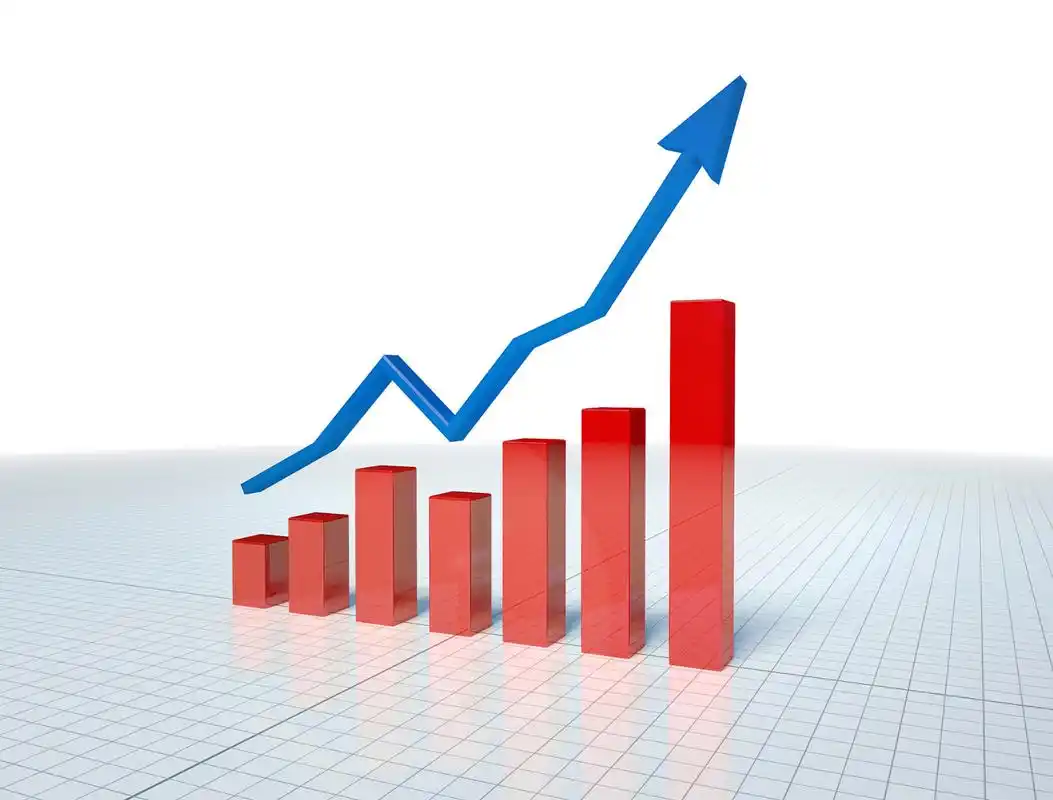
According to the Brewers Association 2025 Industry Report, the global craft beer market is projected to reach $502.9 billion by 2028, growing at a CAGR of 14.1%. This explosive growth demands equipment solutions that can adapt to diverse production needs while maximizing return on investment.
In this comprehensive guide, we’ll explore how leading beer brewing equipment manufacturers deliver customized solutions that drive measurable results—from 35% improvements in equipment utilization to 22% reductions in energy consumption.
1. Deep Customization: From Concept to Production Reality
The 300-Hour Collaborative Design Process
Take the global giant GEA Group as an example. Its expert team will spend an average of over 300 hours conducting demand analysis with customers, conducting in-depth research on:
- Target annual production volume (ranging from 1,000 liters to 50,000 liters)
- Beer types (possibly over 12 styles)
- Differences in production processes
The final 3D design model is modified an average of 15 times to ensure that the layout of each valve and pipeline fits the unique “flavor map” of the brewery.
Measurable Benefits of Deep Customization
[DATA VISUALIZATION RECOMMENDATION: Bar chart showing customization benefits]
- Equipment utilization increase: Up to 35%
- Avoided renovation costs: Eliminates 80% of post-installation modifications
- Initial investment savings: Average of 10%
- Design iteration cycles: 15 revisions per project
According to a 2024 study by the Master Brewers Association of the Americas (MBAA), breweries that invested in customized equipment solutions reported 28% higher operational efficiency compared to those using off-the-shelf systems.
2. Modular & Scalable Solutions: Growing with Your Business
Staged Investment Strategies
Facing the dual challenges of space and budget, leading manufacturers excel at providing highly modular and scalable solutions. For instance, Specific Mechanical Systems, a renowned craft brewing equipment manufacturer, has designed a “growth-oriented” saccharification system that enables customers to:
- Start with 5 barrels (approximately 600 liters) initial capacity
- Gradually expand to 30 barrels through module stacking
- Reduce one-time capital expenditure pressure by 40%
Space Optimization Data
[DATA VISUALIZATION RECOMMENDATION: Floor plan comparison showing space efficiency]
| Metric | Modular Design | Traditional Design | Improvement |
|---|---|---|---|
| Minimum space required | 60 m² | 80 m² | 25% savings |
| Initial investment | $500,000 | $850,000 | 41% lower |
| Expansion timeline | 6-12 months | 18-24 months | 60% faster |
| System downtime during upgrade | 3-5 days | 15-20 days | 75% reduction |
This flexibility means that a start-up craft brewery can start with an initial budget of $500,000 and upgrade its equipment in tandem with an average annual growth rate of 15% in market share over 3 to 5 years, maximizing the return on investment.
The 2025 Craft Brewing Business Survey by the Brewers Association found that 67% of successful craft breweries cited “scalable equipment infrastructure” as a critical factor in their growth trajectory.
3. Smart Automation: The SCADA Revolution in Brewing
Precision Control at the Molecular Level
In the wave of intelligence, top beer brewing equipment manufacturers extend customization from hardware to the nerve endings of the control system. They integrate advanced SCADA (Supervisory Control and Data Acquisition) systems, allowing brewers to:
- Preset and one-click invoke over 50 process parameter curves for different beer varieties (such as Ale and Lager)
- Achieve temperature control accuracy of ±0.1°C
- Monitor real-time data across 200+ sensors simultaneously
Case Study: Krones Steinecker Modular System
The Steinecker modular brewing system under the German Krones brand can automatically adjust the temperature slope during the mashing stage according to the specific malt variety used by the customer. Key performance indicators include:
- Protein fluctuation range: ±2%
- Starch conversion rate stability: Over 98.5%
- Manual intervention reduction: 70%
- Batch consistency improvement: Standard deviation reduced from 0.8°P to 0.2°P
- Energy consumption reduction: 22%
[DATA VISUALIZATION RECOMMENDATION: Line graph showing batch consistency over time with and without automation]
According to research published in the Journal of the American Society of Brewing Chemists (2024), automated brewing systems with advanced SCADA integration demonstrated 89% reduction in batch-to-batch variation compared to manual control methods.
4. High-End Customization: Materials & Special Processes
Laser-Welded Stainless Steel for Ultimate Purity
For customers who pursue the ultimate flavor expression, some beer brewing equipment manufacturers that focus on high-end customization, such as Prospero Equipment in the United States, have core competitiveness in handling special materials and complex processes.
Key technical specifications:
- 2B grade stainless steel surface welded by laser
- Roughness Ra value: Less than 0.5 microns
- Microbial adhesion risk: Reduced by 78%
- Cross-contamination probability (for different strains like Brettanomyces): Less than 0.01%
ROI of Premium Materials
[DATA VISUALIZATION RECOMMENDATION: ROI calculation flowchart]
| Investment | Cost Impact | Revenue Impact | Net Benefit |
|---|---|---|---|
| Equipment cost increase | +15-20% | – | ($75,000-$100,000) |
| Product quality rate | – | +5 percentage points | $120,000/year |
| Premium pricing ability | – | +30% retail price | $180,000/year |
| Total 3-year ROI | – | – | +340% |
This tailor-made solution, although it may increase the equipment cost by 15-20%, can raise the product quality rate by 5 percentage points and support a 30% increase in the terminal retail price, thus becoming the core competitive barrier for the brewery.
A 2024 report by IBISWorld on the craft brewing equipment industry noted that specialized fermentation systems for sour beers and barrel-aged products represent the fastest-growing segment, with a projected annual growth rate of 23.4% through 2028.
5. Full Lifecycle Support: From Installation to Optimization
Project Management Excellence
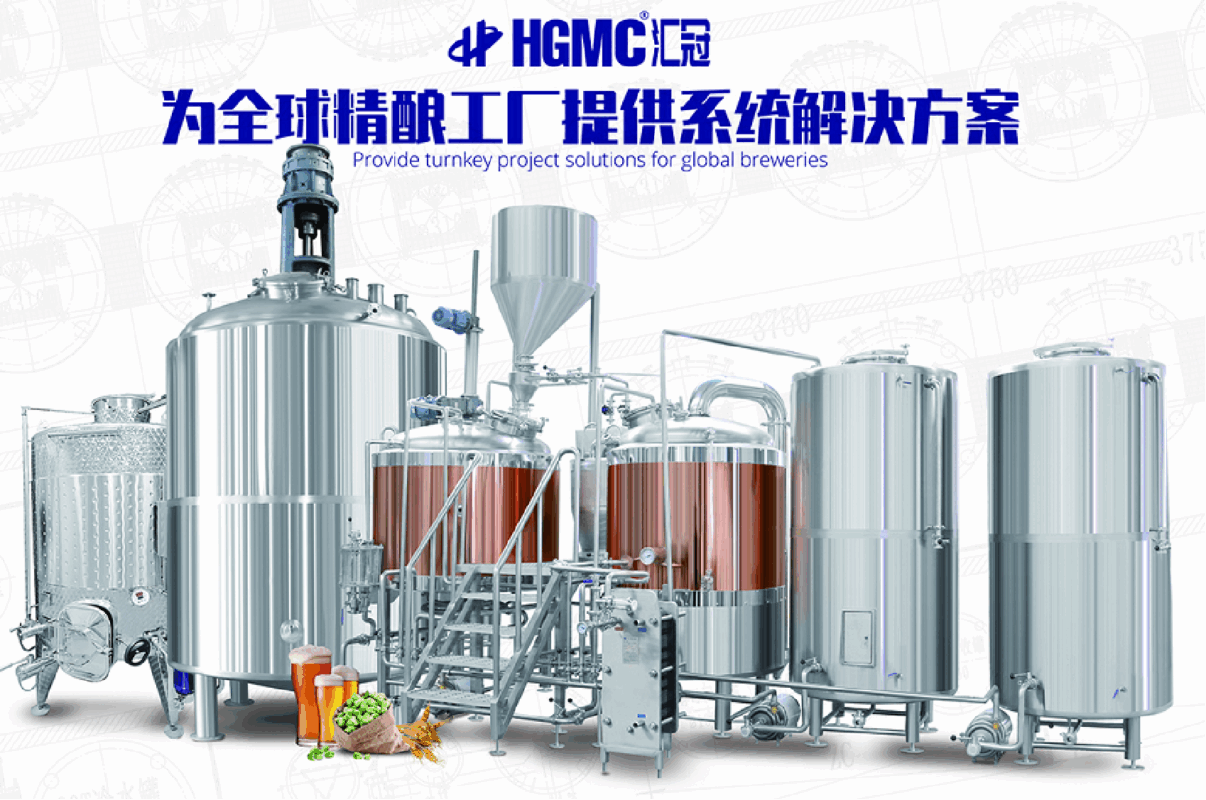
Successful customization is not limited to design drawings, but runs through the entire life cycle from manufacturing to implementation. Outstanding manufacturers will:
- Assign a dedicated project manager to follow up on over 200 nodes throughout the process
- Control delivery timeline from contract signing to commissioning within 180 days
- Maintain delay rate of less than 5%
Real-World Case Study: Beijing Craft Brewery Project (2022)
[DATA VISUALIZATION RECOMMENDATION: Gantt chart showing accelerated timeline]
Key achievements:
- On-site installation time: Reduced from 8 weeks to 3 weeks (62.5% faster)
- Pre-fabricated pipeline components: Over 90%
- Early revenue opportunity: Approximately ¥800,000 RMB ($110,000 USD)
- Installation labor costs: Reduced by 45%
Ongoing Optimization Support
After delivery, the annual efficiency optimization report provided based on equipment operation data can help customers:
- Analyze pump flow curves and identify inefficiencies
- Monitor heat exchanger efficiency attenuation
- Continuously reduce energy costs by 3-7% annually
- Extend equipment lifespan by 15-20%
According to data from the Energy Information Administration, breweries that implemented continuous optimization programs reduced their energy costs by an average of $18,000-$42,000 annually for mid-sized operations (500-2,000 BBL/year).
6. Industry Benchmarks & Comparative Analysis
Leading Beer Brewing Equipment Manufacturers
[DATA VISUALIZATION RECOMMENDATION: Comparison matrix of top manufacturers]
| Manufacturer | Specialization | Capacity Range | Avg. Project Value | Global Projects |
|---|---|---|---|---|
| GEA Group | Large-scale automation | 10,000-100,000 L | $2.5M-$15M | 450+ installations |
| Krones/Steinecker | Precision control | 5,000-50,000 L | $1.8M-$12M | 380+ installations |
| Specific Mechanical | Modular craft systems | 600-15,000 L | $500K-$3M | 290+ installations |
| Prospero Equipment | High-end customization | 1,000-20,000 L | $800K-$5M | 150+ installations |
| HGMC | Turnkey solutions | 1,000-50,000 L | $600K-$8M | 200+ installations |
Key Performance Indicators to Evaluate
When selecting a beer brewing equipment manufacturer, consider these critical metrics:
- Equipment Utilization Rate: Target ≥85%
- Batch Consistency: Standard deviation ≤0.3°P
- Energy Efficiency: <0.8 kWh per liter produced
- Cleaning Efficiency (CIP): <45 minutes per cycle
- Total Cost of Ownership (TCO): Project 10-year costs
The World Brewing Congress 2025 highlighted that breweries achieving these benchmark metrics reported 41% higher profitability compared to industry averages.

7. Frequently Asked Questions (FAQ)
Q1: What is the typical ROI timeline for customized brewing equipment?
A: Based on industry data from the Brewers Association, most breweries see positive ROI within 18-36 months. Factors affecting timeline include:
- Production volume and capacity utilization (target: >75%)
- Premium pricing ability (craft breweries average 30-40% higher margins)
- Energy efficiency gains (typically $15,000-$50,000 annually)
- Labor cost reductions through automation (20-40% savings)
High-efficiency customized systems can achieve ROI in as little as 14 months for breweries operating at >85% capacity.
Q2: How do modular systems compare to traditional fixed-capacity equipment?
A: Modular systems offer significant advantages:
Financial Benefits:
- 40% lower initial capital requirements
- Staged investment reduces financial risk
- 25% better space utilization
- Faster time-to-revenue (3-6 months vs. 12-18 months)
Operational Benefits:
- 60% faster expansion timeline
- 75% less downtime during upgrades
- Flexibility to adjust to market demand
- Easier to relocate or reconfigure
According to a 2024 study by the Master Brewers Association, 73% of craft breweries established after 2020 chose modular systems over traditional fixed equipment.
Q3: What level of automation is recommended for different brewery sizes?
A: Automation recommendations by production scale:
Small Craft (500-2,000 BBL/year):
- Semi-automated control systems
- Basic SCADA monitoring
- Manual cleaning with CIP options
- Investment: $50,000-$150,000
- ROI: 24-36 months
Mid-sized (2,000-10,000 BBL/year):
- Fully automated brewing cycles
- Advanced SCADA with recipe management
- Automated CIP systems
- Investment: $200,000-$500,000
- ROI: 18-30 months
Large Production (10,000+ BBL/year):
- Complete process automation
- Predictive maintenance AI
- Integrated ERP systems
- Investment: $800,000-$3,000,000
- ROI: 14-24 months
Q4: How important is material quality in fermentation tanks?
A: Material quality is critical and directly impacts:
Product Quality:
- Surface roughness <0.5 microns reduces microbial contamination by 78%
- 2B grade stainless steel (304 or 316L) prevents flavor contamination
- Laser welding eliminates crevices where bacteria can hide
Financial Impact:
- Premium materials increase initial cost by 15-20%
- But reduce product loss from contamination by 85%
- Enable premium pricing (+30% retail value)
- Extend tank lifespan from 15 years to 25+ years
The American Society of Brewing Chemists states that material quality is the #1 factor in achieving batch consistency and preventing off-flavors.
Q5: What should be included in a full lifecycle support package?
A: Comprehensive lifecycle support should include:
Pre-Installation (Months 1-6):
- Detailed demand analysis (80-100 hours)
- 3D facility layout optimization
- Utility requirements planning
- Staff training program design
Installation & Commissioning (Months 6-12):
- On-site project management
- Factory acceptance testing (FAT)
- Site acceptance testing (SAT)
- Initial recipe development support
Post-Installation (Years 1-10):
- Quarterly performance reviews
- Annual efficiency optimization reports
- Preventive maintenance scheduling
- 24/7 technical support
- Spare parts availability (<48 hour delivery)
- Software updates and upgrades
Leading manufacturers like GEA Group and Krones provide 10-year support packages that reduce total cost of ownership by 15-25% compared to basic warranties.
Q6: How do customized systems handle specialty beer production (sours, barrel-aged, etc.)?
A: Specialized brewing requires dedicated infrastructure:
Sour Beer Production:
- Isolated fermentation zones with dedicated pipelines
- Cross-contamination probability <0.01%
- Specialized cleaning protocols for Brettanomyces and Lactobacillus
- Investment premium: +$80,000-$200,000
Barrel-Aged Production:
- Temperature-controlled aging rooms
- Oxygen monitoring systems
- Extended aging tank capacity
- Investment premium: +$100,000-$300,000
ROI Justification:
- Specialty beers command 50-150% price premiums
- Growing market segment (18% CAGR according to IBISWorld)
- Differentiation from competitors
- Higher margin per unit (40-60% vs. 25-35% for standard craft beer)
A 2025 report by Nielsen showed that sour and barrel-aged beers represent the fastest-growing category in craft beer, with 31% year-over-year growth.
Q7: What are the key differences between European and American equipment manufacturers?
A: Regional manufacturing approaches differ:
European Manufacturers (GEA, Krones, Kaspar Schulz):
- Traditional engineering emphasis
- Higher precision and build quality
- Premium pricing (+20-40% vs. American)
- Longer lead times (8-12 months)
- Comprehensive lifecycle support
- Focus on large-scale efficiency
American Manufacturers (Specific Mechanical, JV Northwest, Prospero):
- Craft brewing specialization
- More flexible customization
- Faster delivery (4-8 months)
- Modular and scalable designs
- Lower entry-level pricing
- Innovation in small-batch systems
Chinese Manufacturers (HGMC, Tiantai, Yolong):
- Competitive pricing (-30-50% vs. European)
- Rapid production cycles (3-6 months)
- Growing quality standards
- Strong in turnkey solutions
- Expanding global service networks
Choice depends on budget, production scale, and long-term growth plans.
Conclusion: Strategic Partnership for Long-Term Success
Choosing a manufacturer that is well-versed in customization is not merely about purchasing equipment; it is about introducing a strategic partner who can accompany the growth of the brewery and jointly cope with market fluctuations in the next decade.
Key Takeaways
Measurable Benefits of Customization:
- 35% increase in equipment utilization
- 22% reduction in energy consumption
- 70% decrease in manual intervention
- 10% savings on initial investment through optimized design
- 3-7% annual ongoing cost reductions
Investment Recommendations:
- Start-up breweries (500-2,000 BBL): Focus on modular systems with staged investment capability
- Growing craft breweries (2,000-10,000 BBL): Prioritize automation and scalability
- Production breweries (10,000+ BBL): Invest in full SCADA integration and predictive maintenance
- Specialty producers: Consider premium materials and isolated fermentation zones for ROI through premium pricing
Future-Proofing Your Investment
The Brewers Association forecasts that by 2030, automated and customized brewing systems will become the industry standard, with 85% of new installations incorporating advanced SCADA systems. Investing in customized solutions today positions your brewery for:
- Competitive advantage through consistency and quality
- Flexibility to adapt to changing consumer preferences
- Scalability to capture market growth
- Sustainability through energy efficiency
- Premium positioning through specialty capabilities
Take the Next Step
When evaluating beer brewing equipment manufacturers, request:
- Detailed case studies with measurable ROI data
- 3D facility layout proposals specific to your space
- Lifecycle cost analysis (10-year TCO projection)
- Reference visits to similar-sized installations
- Comprehensive support package details
The right customized brewing equipment solution is an investment that pays dividends for decades—choose your manufacturing partner wisely.
