
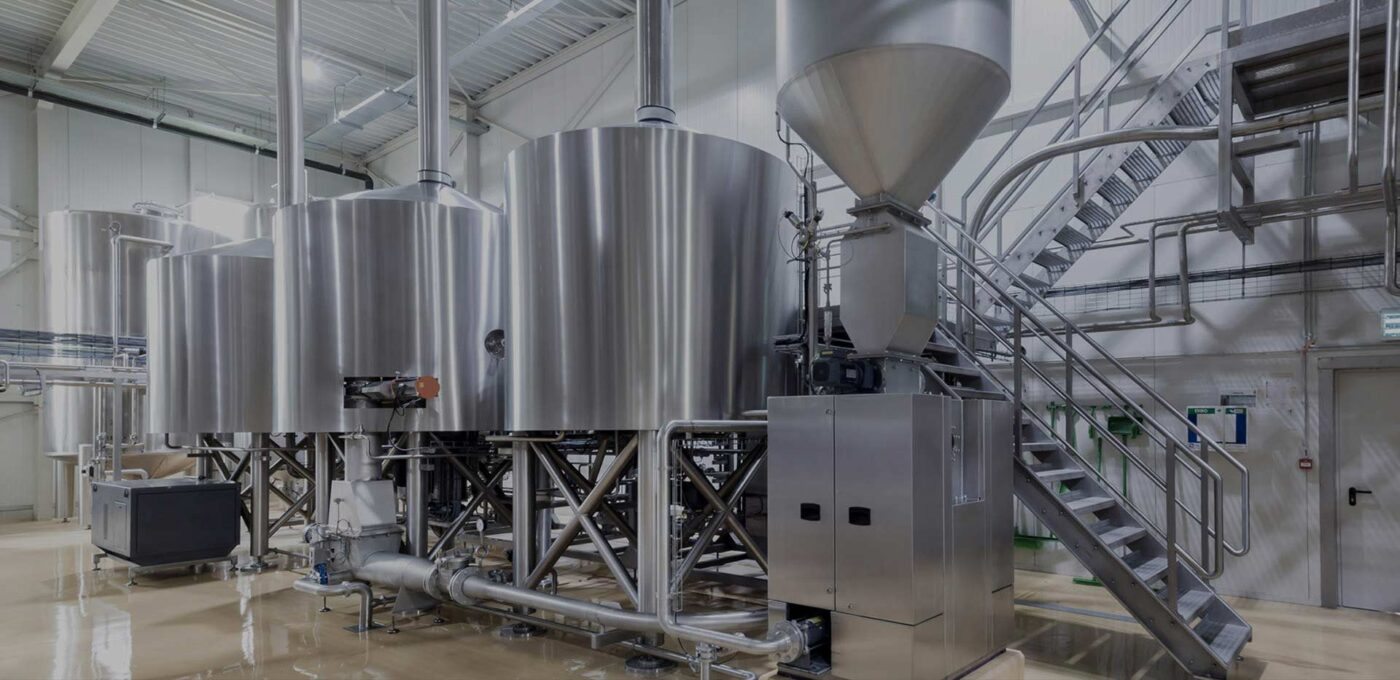
Beer production equipment is the backbone of every commercial brewery—from mash conversion and wort boiling to fermentation control and packaging. The right equipment selection impacts not only throughput, but also beer consistency, safety compliance, operating costs, and long-term profitability.
This guide covers the role of beer production equipment in modern breweries, the key equipment categories used across the industry, how technology improves efficiency and quality, real-world market statistics on brewery growth and equipment investment, major safety standards, best-practice maintenance, and the financial implications of investing in higher-quality brewing systems.
1) The Role of Beer Production Equipment in Commercial Breweries
Commercial breweries compete on three outcomes: consistent quality, cost-effective production, and reliable delivery timelines. Beer production equipment directly determines all three.
High-performing equipment helps breweries:
- Control critical process variables (temperature, pressure, flow rate, dissolved oxygen, sanitation contact time)
- Reduce batch-to-batch variation and off-flavor risk
- Improve yields (extract efficiency, brewhouse recovery, reduced beer loss)
- Shorten cycle times (faster heat transfer, optimized CIP, stable fermentation control)
- Meet regulatory expectations for hygiene, pressure safety, and traceability documentation
As the market matures, many breweries shift from “making beer” to “running a repeatable manufacturing process.” Equipment quality and process control become strategic advantages, not just operational necessities.
2) Key Types of Beer Production Equipment Used in the Industry
A complete beer production line is typically built around seven core systems. Exact configurations vary by brewery size (microbrewery, craft production, regional, industrial), beverage portfolio (beer, seltzer, kombucha, RTD), and packaging mix (keg/can/bottle).
2.1 Brewhouse (Hot Side)
The brewhouse converts malt and adjuncts into stable wort.
Typical brewhouse equipment includes:
- Malt handling: mill, grist case, augers
- Mash mixer / mash tun: hydration, mash steps, enzyme control
- Lauter tun or mash filter: wort separation and extraction efficiency
- Kettle: boiling, sterilization, hop utilization, volatilization of undesired compounds
- Whirlpool: trub separation and wort clarification
- Wort heat exchanger: rapid cooling before fermentation
- Hot liquor tank (HLT) / cold liquor tank (CLT): water and energy management
- Pumps, valves, flowmeters, strainers, and process piping
Key purchase considerations:
- Heat transfer performance (steam jacket design, coil design, insulation)
- Vessel geometry and dead space (yield and cleaning effectiveness)
- Materials (commonly 304/316 stainless steel), weld quality, and surface finish
- Automation readiness (sensors, actuated valves, safety interlocks)
2.2 Fermentation & Cellar (Cold Side)
Fermentation is where beer quality is most sensitive to control.
Core cellar equipment includes:
- Fermentation tanks (unitanks): temperature control, pressure capability, sampling, CIP
- Bright beer tanks (BBT): carbonation, clarification, holding, packaging feed
- Glycol chilling system: stable cooling capacity and redundancy
- Yeast management: brink, yeast propagation (optional), oxygenation system
- Filtration or centrifuge (optional): clarity and shelf-stability requirements
- CO2 / compressed air systems: utilities for carbonation, purging, and pneumatic valves
Critical performance factors:
- Temperature stability and cooling jacket design
- Pressure-rated construction and safety relief devices
- Hygienic design for CIP coverage and drainage
- Instrumentation quality (RTDs, pressure transmitters, level sensors)
2.3 CIP (Clean-in-Place) System
CIP is essential for food safety, repeatability, and labor efficiency.
A brewery CIP system commonly includes:
- CIP tank(s): caustic, acid, hot water (single- or multi-tank)
- Heater and heat exchanger
- Pumps sized for correct velocity and turbulence
- Conductivity and temperature measurement
- Spray devices (spray balls/rotary jets) matched to vessel geometry
- Automated sequences and documented cycles
CIP effectiveness directly affects:
- Microbial stability (infection prevention)
- Turnaround time between batches
- Chemical and water consumption
- Compliance documentation (especially in larger or export-focused operations)
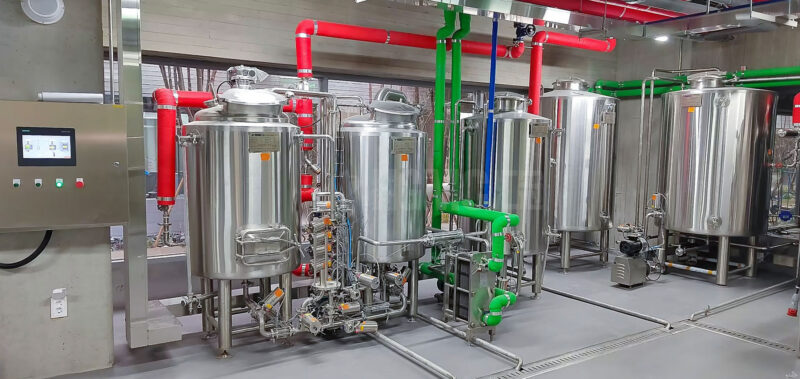
2.4 Utilities & Process Infrastructure
Often underestimated, utilities determine whether equipment can perform as designed:
- Steam boiler or electric heating system
- Water treatment (carbon filtration, softening, RO as needed)
- Compressed air (oil-free preferred for product-contact risk reduction)
- CO2 handling and recovery (optional)
- Process drainage design and slope
- Ventilation and heat management in brewhouse area
2.5 Quality Control (QC) & Lab Equipment
Even small breweries increasingly invest in QC tools:
- pH meter, DO meter, CO2 meter
- Density measurement (hydrometer, densitometer)
- Micro testing tools (basic plating or partner lab strategy)
- Data logging and batch tracking
2.6 Packaging Equipment (Canning/Bottling/Kegging)
Packaging is often the highest-loss and highest-risk oxygen pickup stage.
Packaging lines may include:
- Can/bottle rinser, filler, seamer/capper
- DO control solutions (purging, foam control, inert gas management)
- Pasteurization (tunnel/flash) for specific product strategies
- Labeling, date coding, conveyors, packing automation
- Keg washer/filler and keg tracking
2.7 Turnkey Brewery Projects vs. Individual Equipment
Many commercial breweries choose turnkey solutions for:
- Reduced integration risk (fit-up, piping, controls, commissioning)
- Unified documentation and training
- Faster time to production
- Better system-level efficiency (utilities + brewhouse + cellar + packaging)
3) Impact of Technology on Beer Production Efficiency and Quality
Technology has shifted modern breweries from manual craftsmanship toward controlled, data-driven production—without removing recipe creativity.
3.1 Automation and Digital Process Control
Automation commonly uses PLC + HMI/SCADA platforms to:
- Run repeatable brew day sequences
- Enforce temperature rests and ramp rates
- Control kettle boil intensity and timing
- Track fermentation profiles and alarms
- Standardize CIP cycles
Benefits include fewer operator errors, more predictable output, and improved training outcomes—especially in multi-shift production.
3.2 Sensors and Data Logging (Quality + Traceability)
Instrumentation—flow, temperature, pressure, conductivity, DO—helps breweries:
- Detect deviations early (before a batch is lost)
- Document process parameters for audits and internal QA
- Build continuous improvement programs around real production data
3.3 Energy and Water Efficiency Engineering
Technology improvements that drive operating cost reductions include:
- Efficient heat exchangers and heat recovery loops
- Better vessel insulation
- Automated CIP optimization (right-sizing rinse volumes, conductivity-based switching)
- Smarter glycol control and zoning
These efficiency gains matter more as breweries face increasing input costs and competitive pricing pressure.

4) Statistics on Brewery Growth and Equipment Investment Trends
Equipment investment follows both brewery count trends and the need to modernize existing facilities.
4.1 U.S. Craft Brewing: Mature Market, Still Significant Scale
The Brewers Association reported that craft brewers produced 23.1 million barrels in 2024 (down 3.9% vs. 2023), while craft volume share was 13.3% of the U.S. beer market.[1][2]
Despite volume pressure, retail dollar sales of craft increased to $28.8 billion, and craft accounted for 24.7% of U.S. beer retail dollars—showing ongoing consumer willingness to pay for differentiated products.[2]
This combination (competitive volume, strong value share) pushes breweries to invest in:
- Efficiency (reduce cost per barrel/hectoliter)
- Consistency (protect brand reputation)
- Packaging performance (reduce oxygen pickup and losses)
- Flexible equipment for new styles and non-alc/low-alc innovations
4.2 Global Brewery Equipment Investment Outlook
Market research indicates continued equipment demand globally, driven by modernization, automation, and new build-outs. For example, Grand View Research estimates the global brewery equipment market at USD 18.45 billion in 2024 with expected growth at a CAGR of about 6.1% (2025–2030).[3]
Even in regions where brewery openings slow, equipment upgrades continue as breweries pursue:
- Automation retrofits
- Capacity expansion without adding headcount
- Sustainability upgrades (water/energy reduction)
- Packaging and QC improvements to increase shelf stability
5) Safety Standards and Regulations for Beer Production Equipment
Brewery equipment is food-contact equipment and, in many cases, pressure equipment. Compliance requirements depend on the destination market and the specific equipment type.
Common compliance areas include:
5.1 Quality Management Systems (Manufacturer)
A widely recognized foundation is ISO 9001:2015, which specifies requirements for a quality management system (QMS) and focuses on consistent processes and continual improvement.[4]
For buyers, working with a manufacturer operating under ISO 9001 practices can support:
- Repeatable fabrication and inspection procedures
- Traceability of materials and quality records
- Controlled nonconformance and corrective action workflows
5.2 Pressure and Mechanical Safety (Vessels, Piping, Utilities)
Fermentation and bright tanks may be pressure-bearing equipment. Depending on the country/region, typical compliance may involve pressure equipment directives/codes, certified relief valves, and documented inspections. (Exact code selection should be confirmed based on project location, operating pressure, and local regulations.)
5.3 Hygienic Design and Food-Contact Safety
Beer production equipment should be designed for cleanability and to prevent contamination risks:
- Sanitary welds and appropriate surface finish
- Proper drainage and avoidance of dead legs in piping
- Food-grade seals and gaskets
- CIP validation strategies and documented cleaning cycles
If you export equipment internationally, it’s essential to align documentation, nameplates, and test records with the target market’s requirements.
6) Maintenance Practices to Extend Lifespan of Brewery Equipment
High-quality equipment lasts longer—but only if maintained with consistent discipline. A strong maintenance program reduces downtime, extends asset life, and protects beer quality.
6.1 Preventive Maintenance (PM) Essentials
Typical PM routines include:
- Daily/weekly inspection: pumps, seals, leaks, unusual vibration/noise
- Valve maintenance: check actuation, seat wear, and response time
- Heat exchanger care: regular inspection and cleaning to prevent fouling
- Instrument calibration: temperature probes, pressure sensors, flow meters, DO meters
- Glycol system checks: coolant concentration, filters, pump condition, chiller performance
- CIP system verification: pump performance, chemical concentration, cycle temperature and time
6.2 Cleaning Discipline (Not Just “More Cleaning”)
The goal is validated cleaning, not excessive cleaning. Best practice is:
- Standardized CIP recipes by vessel type
- Conductivity-based rinsing to avoid wasting water
- Chemical titration or automated concentration monitoring
- Micro testing and trend tracking for early detection
6.3 Spare Parts Strategy
A practical spare parts list typically includes:
- Pump seals, gaskets, O-rings, valve seats
- Critical sensors (or at least replacement cables/probes)
- Backup actuators and solenoids for key valves
- Packaging line wear parts (depending on speed and configuration)
7) The Financial Implications of Investing in Quality Brewing Equipment
Buying cheaper equipment can look attractive on day one, but commercial breweries win on total cost of ownership (TCO), not just purchase price.
7.1 Where ROI Comes From
Higher-quality equipment typically improves ROI through:
- Reduced product loss (less beer wasted in transfer/packaging, fewer dumped batches)
- Lower labor per unit output (automation and reliable CIP)
- Higher uptime (fewer breakdowns, faster changeovers)
- Better energy efficiency (reduced steam/electricity and cooling costs)
- Brand protection (consistent taste, fewer customer complaints/returns)
7.2 Financing Logic: Payback vs. Risk Reduction
In many breweries, equipment upgrades are justified not only by payback period, but by risk reduction:
- A single contaminated batch or a packaging oxygen issue can erase months of “savings” from cheaper equipment.
- Stable fermentation control and hygienic design reduce the probability of expensive quality events.
7.3 Market Context Supports Modernization
With craft beer holding a larger share of retail dollars than volume, many breweries focus on premium positioning and consistent brand delivery.[2]
At the same time, the brewery equipment market is projected to grow as breweries invest in automation and efficiency.[3]
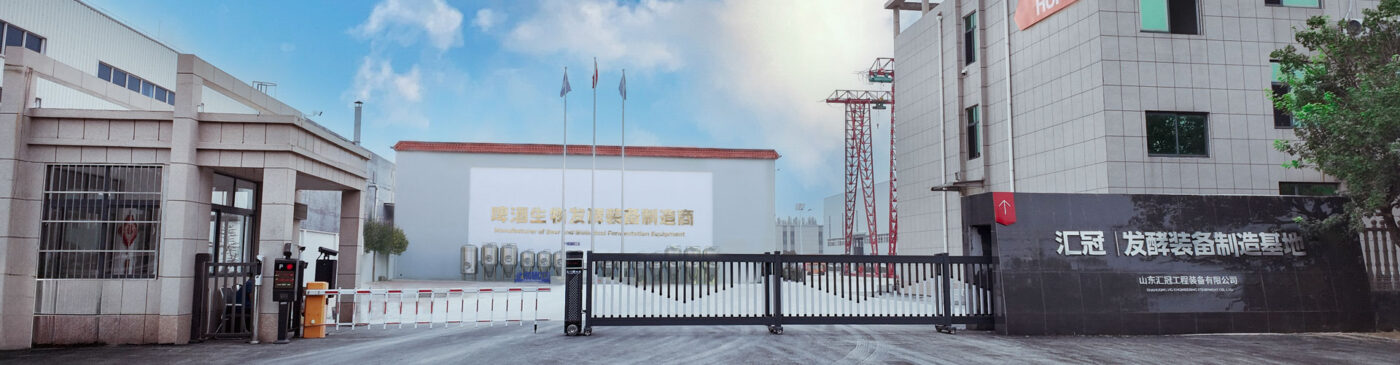
8) HGMC: Beer Production Equipment Manufacturer for Global Breweries
HGMC is a leading manufacturer of beer brewing equipment, producing brewery equipment, beverage equipment, and canning/bottling lines. With more than 30 national authorized patents and more than 20 high-tech achievements, HGMC supports both individual equipment supply and turnkey brewery projects. HGMC equipment is manufactured under ISO 9001:2015 quality management system practices and has been exported to more than 120 countries worldwide.
For commercial breweries planning new installations or upgrades, choosing a manufacturer with proven engineering capability, documentation rigor, and global delivery experience helps reduce project risk and improve long-term operational outcomes.
Frequently Asked Questions (FAQ)
Q1: What is included in “beer production equipment” for a commercial brewery?
Beer production equipment typically includes the brewhouse (mash/lauter/kettle/whirlpool), fermentation and bright tanks, glycol chilling, CIP system, utilities (steam/electric, water treatment, compressed air/CO2), and packaging lines (canning/bottling/kegging), plus process piping and instrumentation.
Q2: Which equipment has the biggest impact on beer quality?
Fermentation control systems (tanks + glycol + sensors) and packaging equipment usually have the biggest influence on final beer flavor stability. Poor temperature control can create inconsistent fermentation profiles, and poor packaging control can increase dissolved oxygen and reduce shelf life.
Q3: Why do breweries invest in automation?
Automation improves repeatability, reduces operator error, enables better data logging, and can lower labor per unit output. It’s especially valuable for breweries scaling production, running multiple shifts, or aiming for tighter quality specifications.
Q4: What market data supports investment in brewing equipment?
In the U.S., the Brewers Association reported craft’s retail dollar sales rose to $28.8B in 2024 and craft accounted for 24.7% of U.S. beer retail dollars.[2] On the equipment side, Grand View Research estimates the global brewery equipment market at $18.45B in 2024 with expected growth driven by demand for advanced equipment and automation.[3]
Q5: What does ISO 9001:2015 mean for brewery equipment buyers?
ISO 9001:2015 is a globally recognized quality management system (QMS) standard that describes how an organization establishes and maintains processes to consistently meet requirements and continually improve.[4] For buyers, it’s often used as a proxy indicator for controlled manufacturing processes, documentation discipline, and repeatable quality practices.
Q6: How can a brewery extend equipment lifespan?
Key practices include: validated CIP routines, preventive maintenance scheduling, calibration of sensors, proactive replacement of wear parts (seals/gaskets), proper glycol system care, and maintaining accurate maintenance logs for trend-based decision-making.
References
- Brewers Association – National Beer Sales & Production Data (craft share, retail dollars, 2024).[2]
- Brewers Association – 2024 U.S. craft brewing industry figures (production volume, 2024).[1]
- Grand View Research – Brewery Equipment Market Size, Industry Report (market size 2024; CAGR outlook).[3]
- ISO – ISO 9001:2015 Quality management systems — Req
