The Decision Landscape in 2026
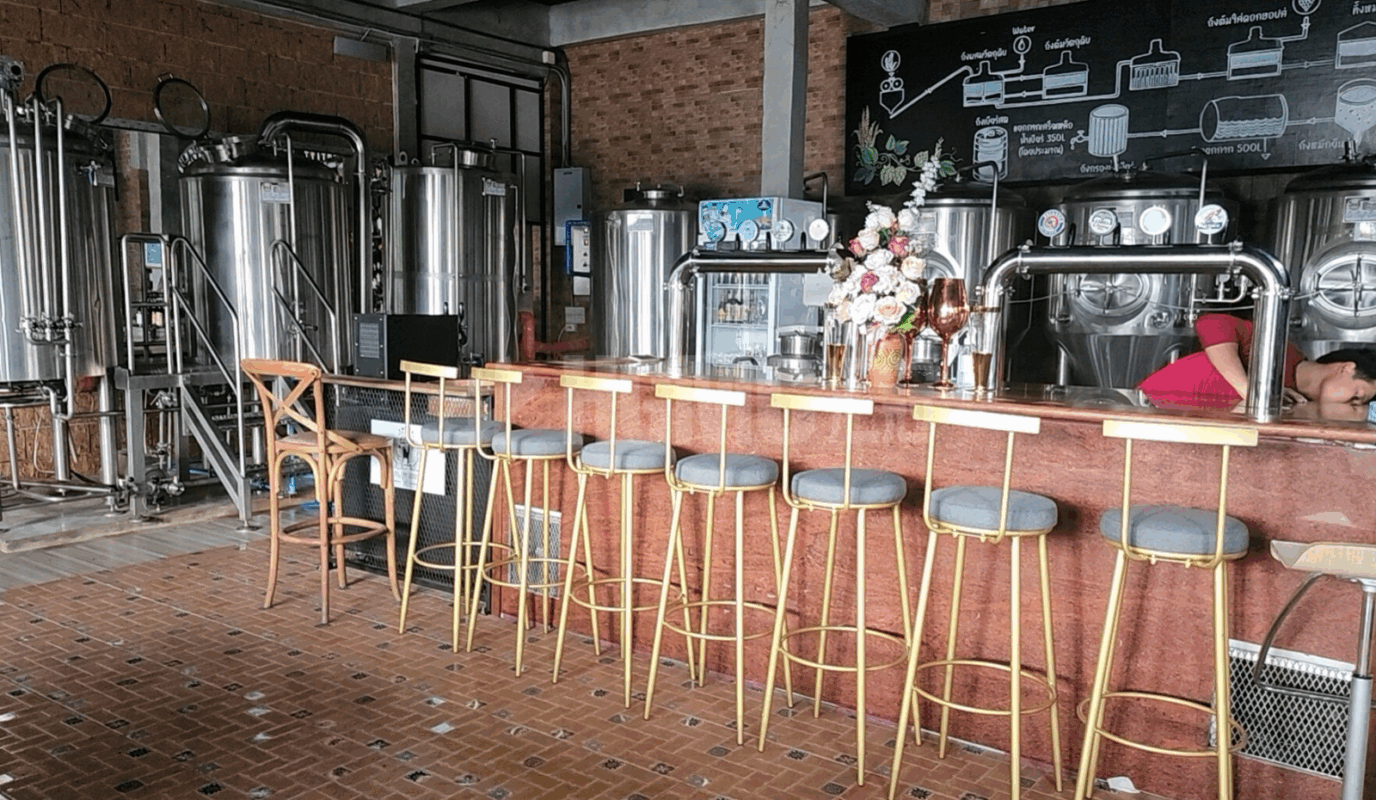
When I first walked into a downtown brewpub in 2023, the buzz wasn’t just about the IPA on tap—it was the hum of a business model that had finally found a sweet spot between craft ambition and cash‑flow reality. Six years later, the same city now hosts a nano‑brewery tucked behind a coffee shop, a production‑scale plant churning out canned sour ales for regional supermarkets, and a handful of hybrid brewpubs that have pivoted to delivery‑first strategies. The common thread? Each operation chose a model that matched its space constraints, capital appetite, and market reach.
In 2026 the choice is no longer “brew or don’t brew.” It’s a strategic calculus that weighs startup cost, regulatory burden, distribution logistics, and brand positioning. Below I walk through the three dominant models—brewpub, nano‑brewery with a taproom, and production brewery with bottling/canning/barreling—highlighting why they behave the way they do, where they succeed, and where they stumble. I’ll also show how a Small batch Brewery System can tip the scales for entrepreneurs who need to stay lean while keeping options open.
Brewpub: The “Live‑Music” Model of Craft Beer
Why the Brewpub Still Attracts First‑Time Brewers
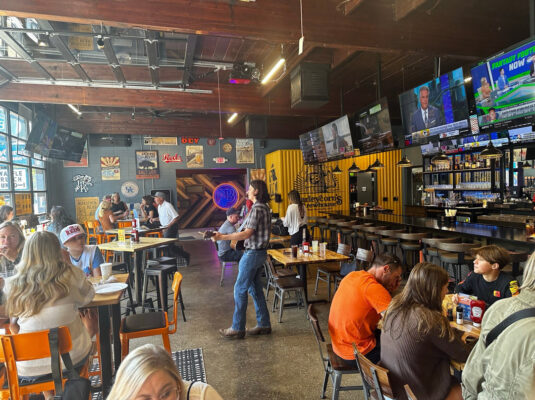
A brewpub is essentially a restaurant‑plus‑brewery hybrid. The biggest draw is the instant feedback loop: you pour a fresh batch, watch patrons react, and can tweak the recipe in real time. In 2026, data‑driven tap‑systems (IoT‑enabled flow meters, temperature logs, and remote PID control) let owners capture that feedback in a spreadsheet, turning intuition into measurable iteration.
Space and Capital Realities
- Footprint: Typical brewpubs occupy 200–500 sq ft of brewing space, often tucked under a dining area. The Small batch Brewery System can be configured to fit 100–800 sq ft, making it a natural fit for venues that can’t afford a full‑scale plant.
- Capital: Initial outlay is dominated by kitchen equipment, front‑of‑house décor, and licensing. Brewing equipment is a secondary line item, but the ability to start with a 200 L system and scale to 1000 L later can keep the debt‑to‑equity ratio manageable.
Operational Trade‑offs
| Factor | Brewpub Advantage | Brewpub Challenge |
|---|---|---|
| Cash Flow | Immediate revenue from food & drink | High labor cost (servers, chefs) |
| Regulatory | One liquor license (on‑premise) | Zoning restrictions for kitchen‑brewery combo |
| Brand Building | Direct consumer interaction | Limited distribution (no off‑premise sales) |
| Production Flexibility | Small batches, experimental brews | Production schedule tied to dining service |
Edge Cases That Matter
- Seasonal Menus: A brewpub that pairs a winter stout with a hearty stew can see a 30 % lift in per‑ticket spend during the colder months, but only if the brewing system can quickly switch between mash schedules. Systems with PLC‑controlled touch screens make that switch painless; manual setups can cause bottlenecks.
- Remote Access: In 2025, a handful of brewpubs adopted cloud‑based control panels to monitor fermentation from a phone while they were on the floor. The Small batch Brewery System’s internet‑ready PLC can be integrated with a simple dashboard, but you must budget for a reliable 5G hotspot—otherwise you lose the remote‑monitoring advantage.
Nano‑Brewery with a Taproom: The “Boutique Gallery” Approach
Defining the Nano Space
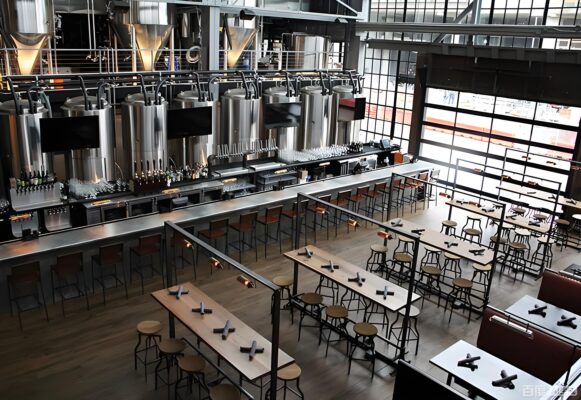
A nano‑brewery typically produces 200–500 L per batch and focuses on a taproom rather than a full restaurant. The model thrives on high‑margin, low‑volume specialty beers—think barrel‑aged stouts, experimental sour blends, or limited‑run hop‑forward IPAs.
Why Entrepreneurs Choose Nano Over Brewpub
- Lower Fixed Costs: No kitchen, no front‑of‑house staff beyond baristas. The biggest expense is the brew system and taproom décor.
- Flexibility in Location: A 100‑sq‑ft loft or an under‑utilized warehouse can become a taproom if the ceiling height meets the 10.5 ft requirement. The Small batch Brewery System’s modular design can be custom‑height to fit odd spaces.
- Community‑Centric Branding: Nano breweries often act as local gathering spots, hosting tasting events, home‑brew competitions, and pop‑up food trucks. This community focus drives word‑of‑mouth more than advertising.
Operational Nuances
- Batch Frequency: Nano breweries typically run 1–2 brew days per week. The system’s heat‑exchange area (0.45–0.70 m²) and power draw (12–40 kW) are modest, allowing for overnight fermentations without overloading a small commercial electrical panel.
- Taproom Flow: A well‑designed taproom can serve 30–50 patrons per hour. However, if you over‑produce and the taproom stalls, you end up with excess inventory that must be sold at a discount or transferred to a distribution partner—an operational risk that can erode margins.
- Regulatory Hurdles: Nano breweries often need both a brewery license and a on‑premise alcohol permit. In some states, the “brew‑to‑tap” exemption reduces paperwork, but you still need a 4‑inch floor drain and 3‑phase power (or a single‑phase workaround) to meet health‑department standards.
Unexpected Outcomes
- Cross‑Training Staff: In my own nano‑brewery experience, bar staff who learned basic sanitation protocols (clean‑in‑place cycles, CIP) reduced the need for a dedicated cleaning crew by 15 %. However, the learning curve can cause mistakes in valve sequencing, leading to off‑flavors if not monitored.
- Seasonal Taproom Design: A taproom that re‑configures its seating for summer patio use can boost revenue by 20 % during warm months, but the additional outdoor plumbing adds a hidden cost that many nano owners overlook.
Production Brewery with Bottling, Canning, or Barreling Lines
Scaling Up: From Barrels to Boxes
When a brand outgrows the taproom model, the natural progression is a production brewery that can bottle, can, or barrel at scale. In 2026, the canning boom continues, driven by sustainability concerns (aluminum is 100 % recyclable) and the rise of ready‑to‑drink (RTD) cocktails that blend beer with fruit or spice extracts.
Capital Intensity and Space Requirements
- Footprint: A 1000 L system needs 90 m² (≈ 970 sq ft) and a 3‑m ceiling. Add a bottling line (≈ 30 m²) and a cold‑store (≈ 20 m²) and you’re looking at a 1500 sq ft facility minimum.
- Financing: The Small batch Brewery System offers financing solutions that can be bundled with equipment leasing for bottling lines. In practice, a 5‑year loan with a 2 % interest rate can keep the debt service coverage ratio above 1.3, which lenders love.
Distribution Dynamics
- Regional vs. National: A production brewery can target regional distributors (within a 300‑mile radius) or go national via direct‑to‑consumer (DTC) e‑commerce. The latter requires a robust packaging line and a logistics partner that can handle temperature‑controlled shipments for specialty beers.
- Barreling Niche: Some breweries opt for barrel‑aging programs for high‑margin releases. This adds CO₂ and nitrogen handling complexities, but the Small batch Brewery System’s integrated gas lines simplify the setup.
Trade‑offs and Hidden Costs
| Aspect | Production Advantage | Production Challenge |
|---|---|---|
| Economies of Scale | Lower per‑liter cost after 5,000 L/month | High upfront CAPEX (bottling line, warehouse) |
| Brand Consistency | Automated dosing ensures repeatability | Risk of “over‑automation” leading to bland profiles |
| Market Reach | Ability to supply retailers, bars, and e‑commerce | Complex compliance (labeling, excise tax reporting) |
| Flexibility | Multiple packaging formats (cans, bottles, kegs) | Changeover time can be 4‑6 hours, cutting production time |
Real‑World Edge Cases
- Canning Line Downtime: A partner brewery I consulted lost $12,000 in a single week when the can‑seamer jammed. The root cause was inconsistent carbonation levels in the fermenter, which the PLC control panel could have flagged earlier with a real‑time CO₂ sensor.
- Barrel Aging Logistics: Transporting 30‑gal oak barrels to a remote aging facility added $0.45 per barrel in handling fees. The cost seemed trivial until the brewery’s annual barrel program hit 2,000 barrels, inflating the budget by $900—a non‑trivial line item that forced a renegotiation of the aging contract.
How the Small batch Brewery System Bridges the Gap
Customization Meets Modularity
The system is engineered to accept client input for process flow, which means you can start with a single‑vessel 300 L setup for a brewpub, then add a second vessel and a filtration module as you transition to a nano‑taproom. The TIG‑welded joints and 0.4 µm polishing accuracy guarantee sanitary conditions—critical when you move from on‑premise sales to off‑premise distribution.
Operational Benefits Across Models
- PID Display vs. PLC Automation: Early‑stage owners can rely on the PID display for manual control, while scaling up to a fully automatic PLC when they add a bottling line. This staged automation reduces the learning curve and spreads capital expense.
- Remote Access: An internet‑ready control panel lets you monitor fermentation temperature from a laptop while you’re meeting a distributor. The catch? You need a stable 5G or fiber connection; otherwise you lose the “remote” advantage.
- Space Efficiency: With a minimum ceiling height of 10.5 ft, the system can be stacked vertically in a warehouse loft, freeing up floor space for a taproom or a small packaging line.
Financing and Support
The vendor offers tailored financing that aligns with the batch size you intend to produce. For a 500 L nano‑brewery, a 3‑year lease can keep monthly payments under $1,200, while a 1000 L production line can be financed over 5 years with a balloon payment at the end—useful for owners who anticipate a valuation jump after securing a regional distributor.
Decision Matrix: Matching Model to Owner Profile
| Owner Profile | Preferred Model | Why It Fits |
|---|---|---|
| First‑time entrepreneur with a restaurant background | Brewpub | Leverages existing kitchen, immediate cash flow, lower CAPEX |
| Creative brewer with limited capital but strong community ties | Nano‑brewery + taproom | Small footprint, high‑margin specialty beers, community branding |
| Investor‑backed brand aiming for national shelf space | Production brewery with bottling/canning | Scale, packaging flexibility, distribution reach |
| Boutique brand focused on barrel‑aged releases | Production brewery with barreling line | Ability to manage CO₂/N₂, high‑margin niche market |
| Tech‑savvy brewer who wants remote monitoring | Any model using Small batch Brewery System | PLC + internet connectivity enables data‑driven decisions |
Operational Checklist for 2026 Launches
- Validate Space: Confirm ceiling height (≥ 10.5 ft) and floor‑drain size (4 in).
- Electrical Planning: Decide between 3‑phase (380‑480 V) or single‑phase (220‑240 V) based on local utility.
- Control Strategy: Start with PID for manual learning; plan a PLC upgrade before adding packaging.
- Financing Roadmap: Map equipment cost to batch size; negotiate a balloon payment if you expect a valuation increase.
- Regulatory Prep: Secure brewery license, on‑premise permit, and food‑service certification (if applicable).
- Distribution Strategy: Define taproom‑only, regional distributor, or DTC early; each dictates packaging and labeling needs.
- Data Infrastructure: Install a 5G hotspot or fiber line for remote PLC access; integrate temperature logs into a cloud spreadsheet for real‑time analytics.
Lessons Learned From Real‑World Pilots
- Don’t Over‑Scale Early: A brewpub that added a 1000 L system before proving its food menu saw a cash‑flow crunch because the larger kettle required additional staff and higher utility bills.
- Taproom Layout Matters: In a nano‑brewery I visited, the bar counter was placed too close to the fermentation tanks, causing a temperature gradient that affected the ambient temperature of the taproom. The solution was a simple insulated partition, which improved patron comfort without a major remodel.
- Packaging Line Flexibility: A production brewery that installed a dual‑can/bottle line discovered that changeover time was longer than advertised due to software calibration. The fix involved a custom PLC script that reduced changeover from 6 hours to 3 hours, but it required a consultant fee of $8,000.
- Remote Monitoring Pitfalls: An owner relied on remote alerts for fermentation temperature spikes. The alerts were missed because the email notifications were filtered as spam. Switching to a SMS gateway solved the issue, highlighting the need to test all communication channels before launch.
Future Outlook: 2027 and Beyond
The craft beer landscape is moving toward hyper‑local sourcing (locally grown hops, on‑site malt drying) and AI‑assisted recipe development. A modular system like the Small batch Brewery System is well‑positioned to integrate machine‑learning models that predict hop utilization based on real‑time temperature and pressure data. The next wave of brewpubs may use augmented‑reality menus that display fermentation curves alongside tasting notes, while nano‑breweries could leverage blockchain to certify barrel‑age provenance.
What remains constant, however, is the balance between creative freedom and operational discipline. The model you choose dictates the constraints you’ll wrestle with, but the right equipment—flexible, scalable, and backed by solid financing—can turn those constraints into competitive advantages.
FAQ
Q1: How much floor space do I really need for a 500 L nano‑brewery?
A1: The Small batch Brewery System’s 500 L configuration requires roughly 55 m² (≈ 590 sq ft) of floor area, plus a 4‑inch floor drain and a ceiling height of 10.5 ft. You can often fit the system in a loft by stacking the mash tun above the fermenter, but you must still allocate space for a taproom and clean‑in‑place access.
Q2: Can I start with a brewpub and later add a bottling line without replacing the whole system?
A2: Yes. The system’s modular design lets you add a filtration and bottling module as a separate PLC‑controlled unit. You’ll need to upgrade the electrical service (often to 3‑phase) and expand the heat‑exchange area to handle the higher throughput, but the core kettles and fermenters stay the same.
Q3: What are the hidden costs of remote PLC monitoring?
A3: Beyond the hardware (PLC, sensors, internet gateway), you need a reliable internet connection (5G hotspot or fiber) and a notification system (SMS or push alerts). Expect a monthly data plan of $30–$50 and occasional software licensing fees for advanced analytics dashboards.
Q4: How does financing differ between a brewpub and a production brewery?
A4: Brewpubs usually qualify for small‑business loans with shorter terms (3–5 years) because the equipment cost is a smaller fraction of total CAPEX. Production breweries often require equipment leasing combined with a balloon payment at the end of a 5‑year term, reflecting the higher upfront cost of bottling lines and larger tanks.
Q5: Is barrel‑aging viable for a nano‑brewery with limited space?
A5: It can be, but you need dedicated CO₂/N₂ lines and a temperature‑controlled cellar. A 30‑gal barrel occupies about 0.5 m², so a modest 10‑barrel program fits within a 5 m² cellar. The trade‑off is the extra labor for barrel rotation and the higher risk of oxidation, which can be mitigated by using the system’s PID‑controlled fermentation temperature.
