
The margin math is brutally simple. A restaurant buying kegs from a distributor pays $1.50 to $2.50 per pint wholesale, while on-site brewing drops that number to $0.40–$0.70. That 200%–300% difference turns a 150‑seat venue into a production asset rather than a distribution endpoint. But the micro brewery equipment choices—electric vs. gas, tank geometry, automation level—determine whether that margin actually materializes or gets consumed by bottlenecks, waste, and undersized chillers. The global craft beer market hit roughly $117.1 billion in 2025, and the shift toward on-site consumption models means more hospitality operators are evaluating whether a compact brewhouse fits their floor plan and their balance sheet.
The Business Case for On‑Site Brewing
The financial argument for installing micro brewery equipment starts with understanding cost of goods sold. A standard 3BBL to 7BBL system requires an initial capital outlay between $50,000 and $150,000, depending on vessel count, automation level, and whether the system is electric or gas-fired. That investment, at a production volume of 15 barrels per month, typically recoups within 18 to 24 months.
The per-pint advantage is not theoretical. Brewing on-site yields a cost per pint around $0.40 to $0.70, while wholesale kegs land somewhere between $1.50 and $2.50 per pint. For a restaurant serving 200 pints per day, that difference adds up to roughly $200 to $360 in daily margin gain. Over a month, the savings can cover a significant portion of the equipment loan payment.
Volume assumptions matter here. At 15 barrels per month, the average $120,000 equipment investment breaks even inside two years. Below 10 barrels monthly, the payback timeline stretches toward three years, and the capital expense becomes harder to justify against alternative uses of that cash. Operators should model their expected output based on seat count, average guest spend, and whether they plan to distribute off-site or keep all production internal.
Sizing a System to Your Floor Plan and Demand
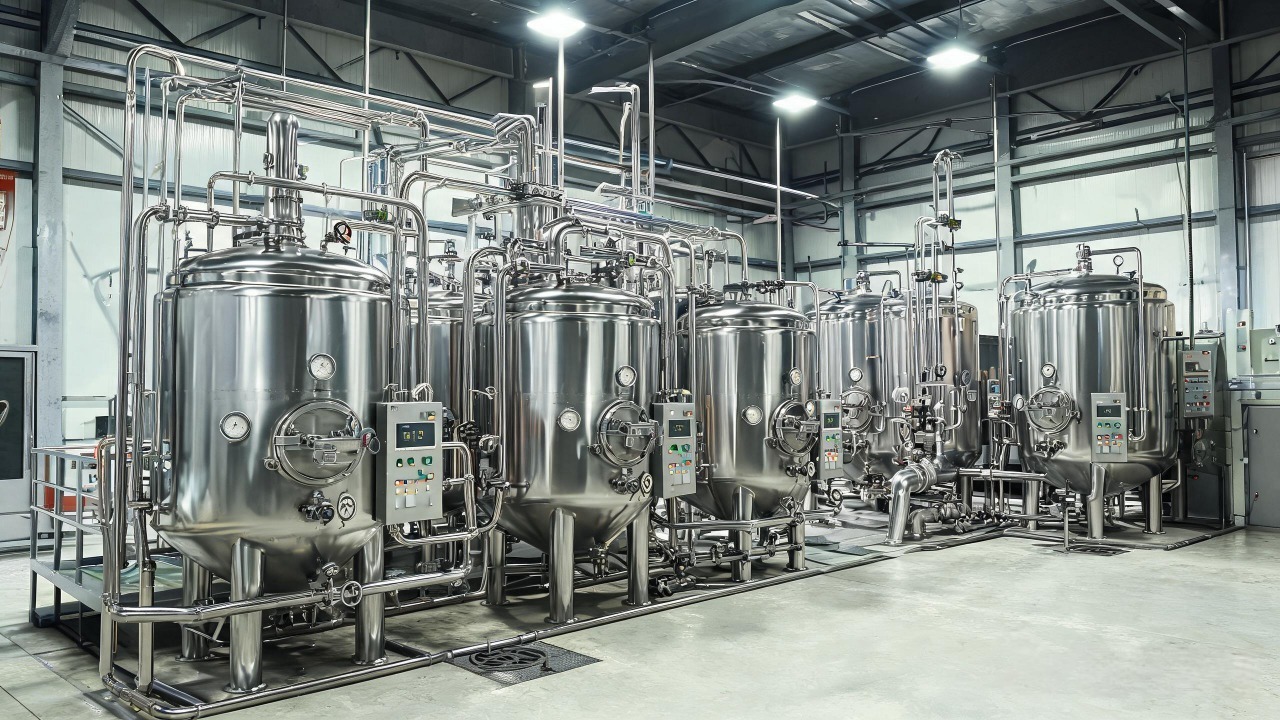
Over-sizing wastes capital. Under-sizing creates shortages during weekend rushes. The industry standard for a 150‑seat restaurant is a 3.5BBL (4.1 hectoliter) brewhouse paired with four 7BBL unitanks, giving a 2:1 fermentation-to-brewhouse ratio. This configuration fits within 450 to 500 square feet and produces 550 to 700 barrels annually.
The 2:1 ratio means the brewhouse runs twice per week while fermentation vessels hold inventory in various stages of conditioning. A typical weekly demand of 10 to 20 kegs for a high-traffic venue matches nicely against this setup. The 3.5BBL brewhouse produces roughly one batch per cycle, and with 12 to 15 annual turns per vessel, the system keeps the tap list rotating without gaps.
Footprint considerations become critical in retrofitted commercial spaces. Skid-mounted multi-vessel brewhouses minimize on-site plumbing work and reduce installation complexity. A system under 500 square feet with integrated glycol cooling and automated controls can fit into existing kitchen or basement areas that would otherwise be underutilized.
The 85% reduction in guest tap dependency is a measurable outcome. A venue that previously relied on 12 external kegs per week might drop to just 2 or 3 after installing a 3.5BBL/7BBL configuration. That shift means fewer distributor relationships to manage and more control over beer style, quality, and pricing.
Heating, Automation, and the Electric vs. Gas Decision
Electric systems reduce installation costs by roughly 30% compared to gas, but the savings come from more than just equipment pricing. Urban zoning often requires specialized permits for gas-line inspections, flue venting, and steam boiler certifications. Electric systems using UL-rated heating elements skip most of that regulatory overhead.
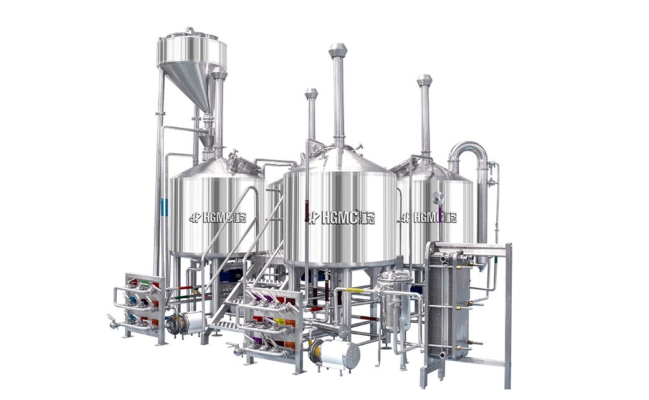
High-density Incoloy electric elements achieve about 98% thermal efficiency. A standard batch reaches a rolling boil within 45 minutes, and the brewhouse cycle from mash-in to knockout completes in roughly 6.5 hours with one operator. PLC automation from Siemens or Allen-Bradley tracks gravity and temperature within 0.1°C, reducing manual labor by about 15% per batch.
Gas alternatives remain relevant where electric utility pricing is significantly higher or where a steam system already exists in the building. But for most urban restaurants, the combination of lower installation cost, simpler permitting, and precise temperature control tips the scale toward electric.
| Component | Specification | Operational Benefit |
|---|---|---|
| Mash Tun | V-Wire False Bottom (0.7mm) | Improves wort clarity by 22% |
| Heat Exchanger | Two-stage Plate Design | Chills 5 BBLs to 68°F in 25 mins |
| Control Panel | Siemens PLC Touchscreen | Reduces labor hours per batch by 15% |
The control panel specification is not optional. Without automated tracking, temperature swings during the mash can alter fermentability profiles, producing inconsistent batches that confuse both the palate and the COGS calculation. Operators who skip automation to save $5,000 often end up spending more on lost product and troubleshooting.
Fermentation Cellar – Tank Geometry, Yeast Management, and Cooling
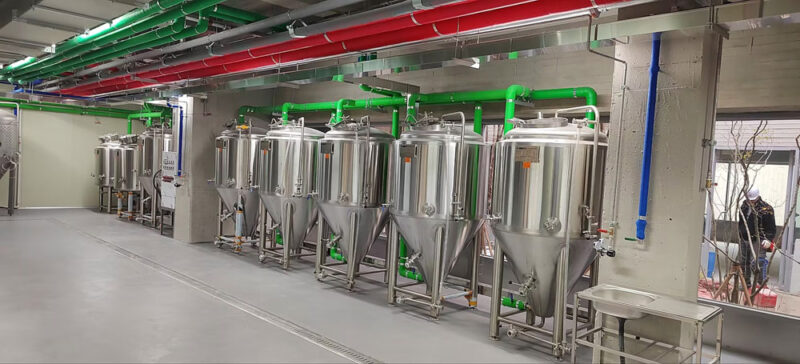
Tank dimensions determine whether the equipment fits at all. Standard 7BBL unitanks measure 95 to 110 inches tall, which accommodates most retrofitted commercial ceilings but leaves no margin for error. The 60-degree conical bottom is not just a convenience for yeast harvesting—it directly improves yeast viability by about 18% compared to shallower cone designs.
Higher viability means the same yeast pitch can be reused for 7 to 10 generations before needing a fresh culture. At roughly $100 to $200 per liquid yeast pack, extending culture life by even three generations saves several hundred dollars annually and reduces off-flavor risk from diacetyl and other fermentation byproducts.
Fermentation turnaround for ales typically runs 14 days. That window includes primary fermentation, diacetyl rest, and crash-cooling to 32°F. The speed of that turnaround determines how many batches can cycle through each vessel per year, which directly affects total output.
Glycol chiller sizing is the most commonly underestimated variable in brewhouse design. A 5 HP unit supports up to six fermenters under normal load, but undersizing by even one ton adds about 12% to fermentation time. In practical terms, a chiller that struggles during July and August can push a batch from 14 days to nearly 16 days. That 48-hour delay, when compounded across multiple vessels, creates a weekend demand bottleneck that costs far more than the chiller upgrade would have. This failure pattern shows up consistently in 2024 brewery audits.
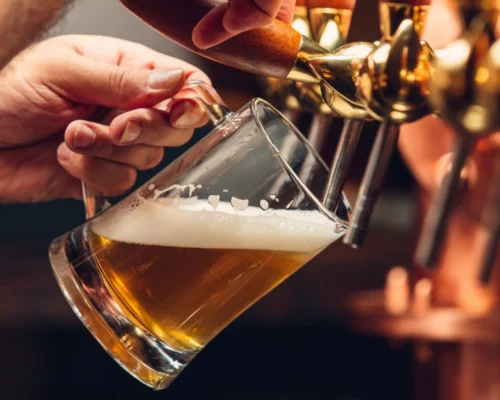
Draft System Setup – From Brite Tanks to Tap
Beer leaving the fermenter still contains suspended solids and requires carbonation before service. Brite tanks or horizontal lagering vessels handle both tasks. Pre-clarifying and carbonating to a precise 2.5 volumes of CO₂ in a dedicated vessel increases serving speed by roughly 9% at the faucet and reduces foam waste significantly.
Field tests in high-volume bars show that serving directly from unpressurized fermenters without a Brite tank results in $400 to $600 per month in lost volume from excess foam and inconsistent pours. Over a year, that waste alone can approach the cost of a used Brite tank.
The draft path from cellar to tap requires long-draw glycol-jacketed trunk lines that maintain beer temperature at 38°F through the entire run. A temperature rise of even 3°F halfway through the line causes breakout CO₂ and produces excessive foam at the faucet. Operators who install uninsulated or insufficiently jacketed lines end up with a product that looks flat and tastes warm—damaging the entire premise of on-site brewing.
Cold chain integrity is the last mile of brewery operations and the most visible to guests. A perfectly brewed beer that pours foamy because of a 50-foot uninsulated trunk line undermines the margin advantage that justified the capital investment in the first place.
FAQ
How much does it cost to install a micro brewery equipment in a restaurant?
A complete system including brewhouse, fermentation vessels, glycol chiller, Brite tank, and draft equipment typically ranges from $50,000 to $150,000. Installation and permits add another $10,000 to $30,000 depending on location and whether the building requires electrical upgrades or gas line work.
What size micro brewery equipment does a typical bar need?
For a 150‑seat restaurant, a 3.5BBL brewhouse with four 7BBL unitanks is the standard configuration. This setup produces 550 to 700 barrels per year and fits within 450 to 500 square feet. Smaller venues with 60 to 80 seats can operate on a 2BBL to 3BBL system with proportionally fewer fermentation tanks.
How long does it take to recoup the micro brewery equipment investment?
At a production volume of 15 barrels per month, the $120,000 average investment pays back within 18 to 24 months based on a per-pint cost of $0.40 to $0.70 versus wholesale pricing of $1.50 to $2.50. Lower volumes extend the timeline to roughly three years.
Do I need a dedicated brewer or can existing staff operate the system?
A single trained operator can manage a 3.5BBL electric system with PLC automation, completing a full brew cycle in about 6.5 hours. Many restaurants train one kitchen manager or shift lead to handle brewing duties two days per week. Dedicated brewers become necessary above 10 barrels per week or when distributing off-site.
What is the biggest mistake when starting a brewpub?
Undersizing the glycol chiller is the most common and most expensive error. A chiller that is one ton too small adds 12% to fermentation time during summer months, creating production bottlenecks that cost more than the chiller upgrade would have. The second mistake is installing undersized trunk lines without glycol jacketing, which wastes $400 to $600 per month in foam loss.
