
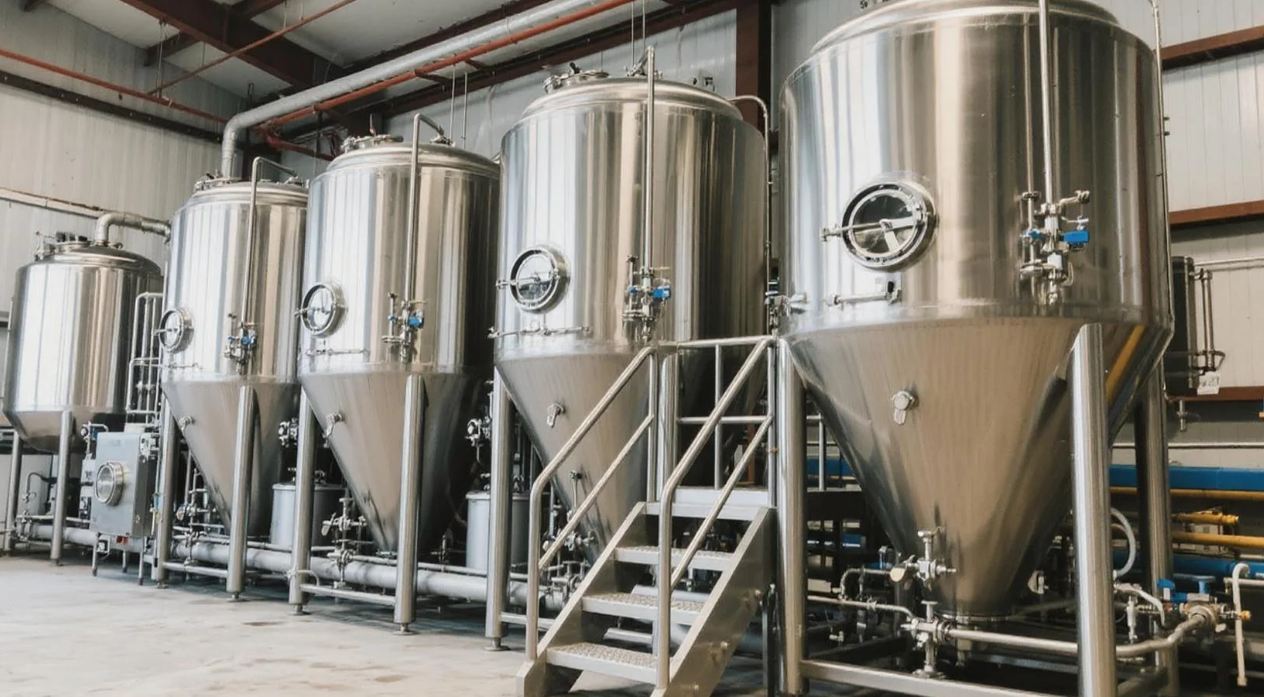
A brewery ordered a 10-barrel brewhouse from one supplier and bought six fermenters from another, chosen mainly by price and lead time. When the glycol chiller arrived, the tank count had already been set, and the cooling capacity was calculated against the wrong heat load. The result was a cellar that could not hold fermentation temperature during peak summer production. Rework took three weeks, added piping changes, and pushed the opening date past the planned season. This scenario repeats every year across small breweries, and it happens because “turnkey brewery” was treated as a vague promise rather than an engineered reality.
The term turnkey brewery sounds simple enough: deliver everything, plug it in, start brewing. But in practice, the difference between a genuine turnkey system and a shopping list assembled from multiple vendors is the difference between a brewery that starts on schedule and one that starts after solving compatibility problems that should never have existed.
What “Turnkey” Actually Means in Brewery Equipment
Turnkey in brewery equipment does not mean a supplier sold you every item on your wish list. It means the brewhouse, fermentation cellar, glycol chiller, CIP station, and control panels were designed as one operating environment from the start. The engineering decisions for tank geometry, utility sizing, piping runs, and automation logic happen together, not in isolation.
The common misunderstanding is that turnkey is a purchasing convenience—one invoice, one delivery date, one contact. In reality, genuine turnkey is an engineering integration. When a brewhouse is specified at 15 barrels per batch and the fermenter volume is set at 30 barrels each, those numbers are not independent. The glycol loop must handle the heat load of fermentation, not just the volume of the tanks. The CIP circuit must match the spray coverage of both the brewhouse vessels and the cellar tanks. The control interfaces must talk to each other without custom adapters.
Brewery projects that buy piecemeal often discover these compatibility issues only after installation. A tank from one manufacturer may use tri-clamp fittings that are standard in Europe but uncommon in the local market. A pump sized for the brewhouse transfer rate may be inadequate for the cellar transfer distance. These mismatches add weeks of rework, often requiring replacement parts or field modifications that cost significantly more than planning them correctly the first time.
The key distinction is that turnkey is not about a single vendor. A brewery can buy from one supplier and still get incompatible components if that supplier simply aggregates products without engineering coordination. Genuine turnkey requires that someone—whether the equipment manufacturer, an engineering firm, or the brewery itself—treats the whole plant as one system and validates the interfaces before anything ships.
What a Genuine Turnkey Package Typically Includes
A real turnkey package covers every main production stage, but the exact configuration shifts with capacity, beer style, and building constraints. The following list is typical, but completeness matters less than compatibility between these components.
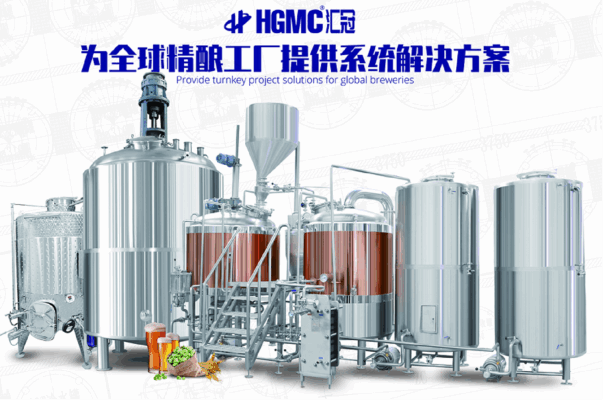
Brewhouse equipment. The mash tun, lauter tun, kettle, whirlpool, heat exchanger, pumps, and sanitary piping form the core. The vessel configuration—whether two, three, or four vessels—depends on brew frequency and process flexibility. A two-vessel system suits breweries running a single flagship schedule, while a four-vessel system provides separate mash and lauter steps for more complex grain bills.
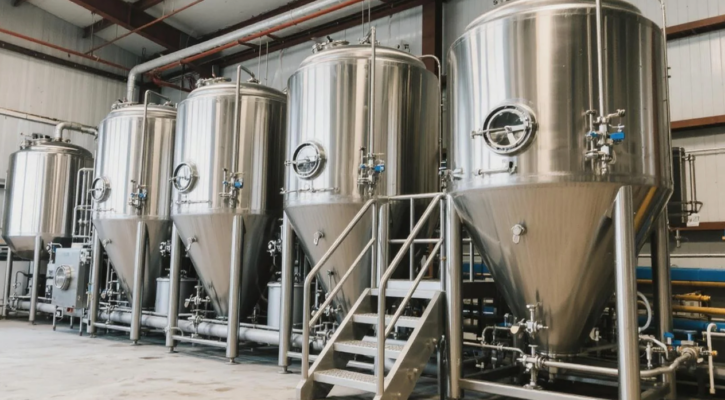
Fermentation and conditioning vessels. Cylindroconical fermenters (CCTs), bright beer tanks, and sometimes dedicated yeast handling or lagering vessels make up the cellar. Tank count and volume must match brewhouse output per batch and the intended fermentation schedule. A mismatch here forces either idle tank time or rushed turnover.
Cooling and utility systems. The glycol chiller, distribution manifolds, and utility connections keep fermentation stable. This is the most common failure point in piecemeal projects. The chiller must handle the peak heat load from active fermentation across all tanks simultaneously, not just the static volume of the cellar.
Cleaning systems. The CIP station, spray balls, chemical tanks, and cleaning circuits must align with every vessel and transfer line. A CIP system designed for a brewhouse alone will not serve the cellar without additional pump capacity and extended circuits.
Controls and automation. Sensors, panels, and process logic allow operators to manage brewing steps consistently. In a turnkey system, the control architecture is defined alongside the equipment layout, so temperature probes, valve positions, and flow meters are placed where they actually improve process control, not where they are easiest to install.
Supporting structure. Platforms, walkways, stairs, and access solutions make the plant safe and practical. These are often an afterthought in piecemeal procurement, leading to awkward layouts where operators cannot reach valves or sight glasses.
Expect the system to include these categories, but verify that each component is sized and configured for the others, not just for itself.
How Turnkey Differs from Buying Piece by Piece
The most common entry path into brewing is to start with tanks. A brewer finds a deal on fermenters, buys a brewhouse from a different source, then attempts to add cooling, cleaning, and controls later. This can work for experienced teams who understand their utility loads and have the engineering capacity to integrate mismatched parts. For most new breweries, the hidden costs outweigh any savings from shopping deals.
The primary advantage of a turnkey approach is better sizing decisions. When the whole brewery is planned together, tank count, tank volume, and brewhouse capacity are matched to actual output goals rather than what was available on the secondary market. The cooling system is specified for the full fermentation load, not for what fit the budget at the time. The cleaning circuits are laid out for the actual cellar geometry, not adapted after the tanks are placed.
Fewer compatibility issues arise when one team designs the full package. Piping connections follow consistent standards. Valve types match across the brewery. Control interfaces communicate without protocol converters. These details seem minor until a brewer is three weeks into installation and discovers that the tank bottom outlet does not match the pump inlet.
The tradeoff is real. Buying piecemeal can save money on individual components, especially if a brewer finds surplus equipment or negotiates separate deals. But the risk is that a 10 percent savings on tanks disappears when the utility system needs to be reworked or the cellar layout wastes floor space. Rework costs on piecemeal projects commonly reach 10 to 20 percent of the initial equipment spend, depending on how late the incompatibilities are discovered.
A concrete example: a brewery designs the cooling system based on tank volume alone, assuming a standard fermentation profile. After installation, the actual fermentation load—driven by a high-attenuation strain and a warm cellar ambient temperature—exceeds the chiller capacity. Tank temperatures drift during peak heat generation, extending fermentation by three to four days per batch. The lost production time over a year exceeds the cost of a properly sized chiller that should have been specified from the start.
Five Planning Questions That Shape a Turnkey Brewery Project
Before specifying any equipment, a brewery should answer five practical questions. These decisions define the entire system design, and skipping them leads to the kind of mismatches that turnkey planning is meant to prevent.
1. Production target. How much beer do you want to produce in the first year, and how much do you expect to grow? The answer drives brewhouse capacity, tank numbers, and utility sizing. A 500-barrel first-year target with 20 percent annual growth requires a different system than a flat 300-barrel annual volume.
2. Beer portfolio. Will you focus on a few flagship beers, or do you plan to produce many styles? A narrow portfolio allows a simpler system with dedicated tanks and standardized cleaning cycles. A diverse range requires more tank flexibility, more changeover cleaning, and often a larger vessel count to maintain throughput while handling different fermentation schedules.
3. Brew frequency. How many brews per day or per week will the brewery run? This directly influences whether a 2-vessel, 3-vessel, or 4-vessel brewhouse is appropriate. A single daily brew can use a 2-vessel system comfortably. Two or three brews per day push toward a 3-vessel or 4-vessel configuration to keep the workflow from bottlenecking at the lauter or kettle step.
4. Building and site conditions. How much floor space, ceiling height, power, drainage, and cooling capacity does the site provide? A turnkey project must respect the real site, not a catalog specification. A brewhouse designed for a 30-foot ceiling will not fit in a 20-foot space without major reengineering.
5. Staffing and skill level. Will the brewery operate with a small hands-on team or a larger staff with more automation experience? This defines how much control and automation is appropriate. A two-person operation may benefit from automated CIP sequences and recipe-controlled brewing steps. A larger team with experienced brewers may prefer manual control over certain processes for flexibility.
These questions matter because turnkey planning is not about buying everything at once. It is about building a brewery that matches actual operation. A system designed around the wrong production assumptions will cause problems regardless of how well the components are integrated.
The Real Value of a Turnkey Brewery Solution
The phrase turnkey can sound like a marketing label, but the practical value is real for breweries that cannot afford to lose months on integration problems. The biggest benefits are time saved in engineering, clarity in procurement, and reduced risk of post-installation problems.
When a genuine turnkey system is properly planned, the brewery owner does not need to become a piping designer or a utility engineer. The equipment supplier or integrator has already resolved the interfaces between the brewhouse, cellar, cooling, and cleaning systems. The brewer focuses on production goals and recipe development, not on whether a 2-inch tri-clamp from one manufacturer matches the ferrule standard from another.
Turnkey projects typically have faster commissioning because components are pre-integrated. The control logic is written for the actual vessel layout. The CIP circuits are tested against the actual pipe runs. The glycol loop is balanced for the actual tank configuration. These checks happen before shipment, not during installation, which cuts weeks from the startup timeline.
But turnkey is not a magic fix. It still requires the brewer to define their own production goals clearly before the system is designed. A turnkey system built around vague requirements will deliver equipment that works together but does not match the brewery’s actual needs. The planning questions above are not optional—they are the foundation that makes turnkey valuable.
The real value of a turnkey brewery solution is not that it eliminates all problems. It eliminates the class of problems that come from mismatched components and uncoordinated design decisions. For breweries that want to start commercial production on a predictable timeline, that is worth more than any single piece of equipment.
FAQ
What is the difference between turnkey beer equipment and a standard package?
A standard package is a fixed list of components sold together, often with little customization. Turnkey equipment is designed as an integrated system where brewhouse capacity, tank volume, cooling load, and cleaning circuits are engineered to match each other and the brewery’s specific production goals. The difference is integration, not just bundling.
How much does a turnkey brewery system typically cost?
Cost varies widely by capacity, vessel configuration, automation level, and geographic region. A 10-barrel turnkey system may range from $150,000 to $300,000, while a 30-barrel system can exceed $500,000. The price reflects not just the equipment but the engineering work required to make everything work together.
Can I add custom features to a turnkey setup?
Yes, but only if the customization is defined during the planning phase. A genuine turnkey system accommodates specific vessel dimensions, custom automation logic, or unique piping layouts when those requirements are specified before engineering begins. Adding custom features after the system is designed negates the integration advantage.
How long does it take to install and commission a turnkey brewery?
Installation typically takes four to eight weeks, depending on site readiness and system complexity. Commissioning adds another one to three weeks. Turnkey projects tend to commission faster than piecemeal installations because pre-integration reduces on-site troubleshooting.
Do I need a consultant to plan a turnkey project?
Not always, but a consultant can help if the brewery team lacks experience with utility sizing, cellar layout, or process integration. Many turnkey suppliers provide planning support as part of the package. The key is to have someone on the project who understands both the brewing process and the engineering requirements of the full system.
