
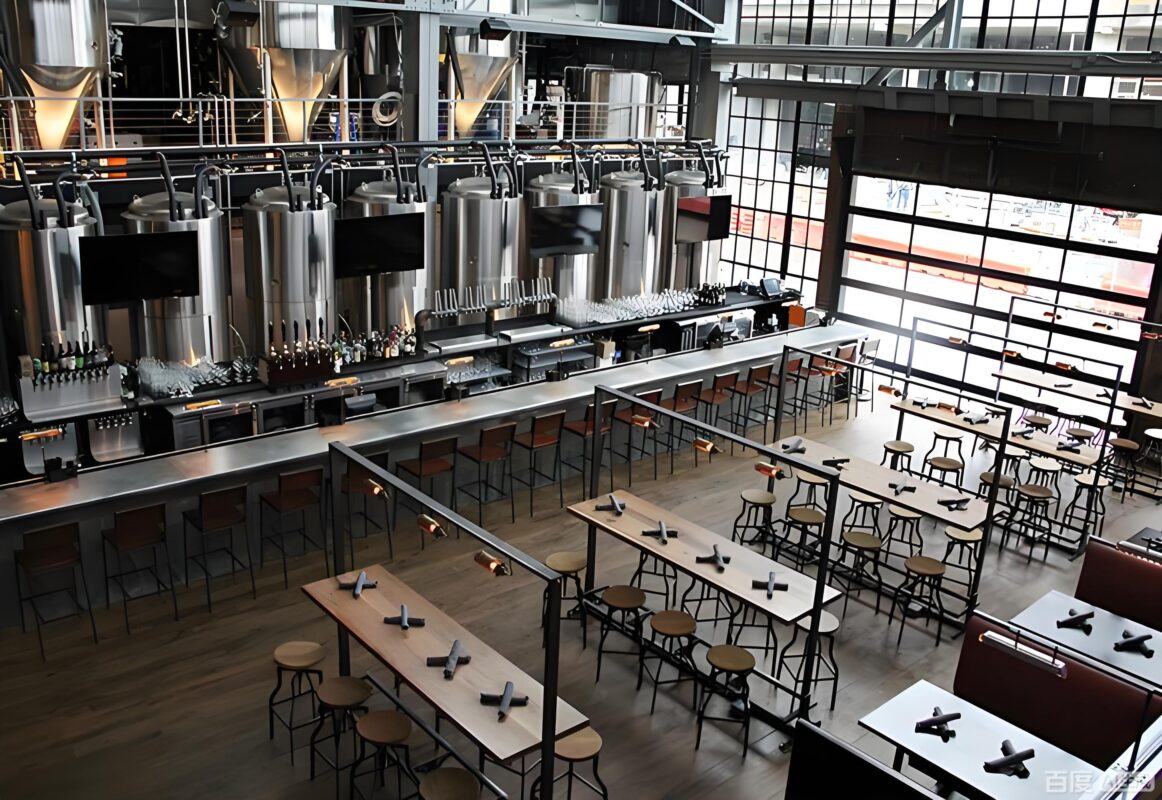
The craft beer industry continues to experience remarkable growth in 2026, with breweries worldwide seeking reliable equipment suppliers to meet increasing demand. Whether you’re launching a new brewery or expanding existing operations, selecting the right beer equipment supplier is crucial for long-term success. This comprehensive guide explores the leading beer equipment suppliers, industry trends, and essential factors to consider when making your investment.
The Growth Trend of the Beer Industry
The global craft beer market has demonstrated impressive resilience and growth over the past decade. According to the Brewers Association, the craft beer industry generated over $26.8 billion in retail sales in 2023, representing approximately 13.2% of the overall beer market in the United States alone.
Key Industry Statistics (2024-2026)
Global Market Performance:
- Global beer equipment market size: $18.5 billion (2025)
- Projected CAGR: 7.2% through 2030
- Number of craft breweries worldwide: Over 25,000
- Asia-Pacific market growth rate: 9.1% annually
Regional Growth Highlights:
- North America: Continues to lead with 8,000+ craft breweries
- Europe: Strong growth in UK, Germany, and Belgium with 6,500+ breweries
- Asia-Pacific: Fastest-growing region with emerging markets in China, India, and Southeast Asia
- Latin America: Growing craft beer culture in Mexico and Brazil
According to Grand View Research, the increasing consumer preference for premium and flavored beer products is driving equipment demand. The trend toward microbreweries and brewpubs has created significant opportunities for equipment manufacturers who can provide scalable, efficient solutions.
<aside> 💡
Industry Insight: The craft beer renaissance isn’t slowing down. IBISWorld reports that craft brewery establishments have grown at an annualized rate of 5.8% over the past five years, creating sustained demand for quality brewing equipment.
</aside>
Why Is It Important to Choose a High-Quality Beer Equipment Supplier?
Selecting the right beer equipment supplier directly impacts your brewery’s operational efficiency, product quality, and long-term profitability. Here’s why this decision matters:
1. Product Quality and Consistency
High-quality equipment ensures consistent beer production with minimal batch variation. According to the Master Brewers Association of the Americas, equipment quality accounts for up to 40% of final product consistency. Poorly manufactured equipment can lead to:
- Temperature control issues
- Contamination risks
- Inconsistent fermentation
- Off-flavors and quality defects
2. Long-Term Cost Efficiency
While premium equipment requires higher initial investment, the total cost of ownership proves more economical:
- Reduced maintenance costs: Quality equipment requires 30-50% less maintenance
- Energy efficiency: Modern systems reduce energy consumption by 25-40%
- Extended lifespan: Premium equipment lasts 15-20 years vs. 5-8 years for budget options
- Lower downtime: Reliable equipment minimizes production interruptions
<aside> 💰
ROI Analysis: Industry data shows that investing in quality equipment from reputable suppliers can improve ROI by 35% over a 10-year period compared to budget alternatives.
</aside>
3. Compliance and Safety Standards
Reputable suppliers ensure equipment meets international standards:
- ISO 9001:2015 quality management certification
- CE marking for European markets
- FDA compliance for food-grade materials
- ASME standards for pressure vessels
- Local health and safety regulations
4. Technical Support and After-Sales Service
Quality suppliers provide comprehensive support:
- Installation and commissioning services
- Operator training programs
- 24/7 technical support hotlines
- Spare parts availability
- Regular maintenance programs
5. Innovation and Scalability
Leading suppliers invest in R&D, offering:
- Latest brewing technologies
- Automation and control systems
- Modular designs for easy expansion
- Energy-efficient solutions
- Integration with Industry 4.0 technologies
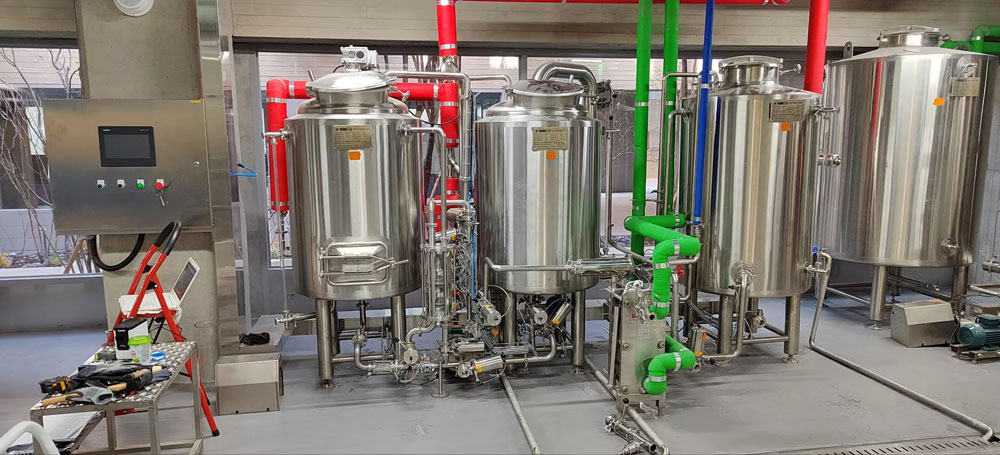
Types of Beer Equipment
Understanding the essential components of a brewery operation helps in evaluating supplier capabilities:
Brewhouse Equipment
Mash Tun
- Capacity: 100L to 10,000L+
- Function: Converts grain starches to fermentable sugars
- Key features: Temperature control, insulation, efficient mixing systems
Lauter Tun
- Separates wort from grain husks
- Critical for clarity and efficiency
- Advanced designs improve yield by 5-8%
Brew Kettle
- Wort boiling and hop addition
- Energy-efficient heating systems
- Integrated whirlpool functionality
Hot Liquor Tank
- Stores and heats brewing water
- Maintains precise temperatures
- Capacity typically 1.5x brewhouse size
Fermentation Equipment
Fermentation Tanks
- Various sizes: 500L to 100,000L
- Temperature control: ±0.5°C precision
- Materials: Stainless steel 304 or 316
- Conical bottom design for yeast harvesting
Bright Beer Tanks
- Conditioning and carbonation
- Pressure-rated vessels
- CIP (Clean-in-Place) systems
Cooling and Temperature Control
Glycol Chillers
- Maintain fermentation temperatures
- Energy-efficient models reduce costs by 30%
- Capacity matched to tank volume
Heat Exchangers
- Rapid wort cooling
- Heat recovery systems
- Plate or tube designs
Packaging Equipment
Canning Lines
- Speeds: 20-300 cans per minute
- Automated filling and seaming
- CO2 purging systems
Bottling Lines
- Glass bottle handling
- Crown capping or corking
- Labeling integration
Kegging Systems
- Automated keg washing
- Filling and capping
- Tracking systems
Support Systems
- CIP Systems: Automated cleaning protocols
- Boilers: Steam generation for heating
- Compressed Air: Pneumatic controls
- Water Treatment: RO systems for brewing water
- Control Systems: PLC and SCADA automation
How to Choose a Beer Equipment Supplier
Selecting the right supplier requires thorough evaluation across multiple criteria:
1. Manufacturing Experience and Expertise
✓ Years in business: Look for suppliers with 10+ years experience
✓ Project portfolio: Review completed installations similar to your scale
✓ Technical expertise: Engineers with brewing industry knowledge
✓ Patents and innovations: Demonstrates R&D investment
✓ Industry certifications: ISO, CE, and quality management systems
2. Product Quality and Materials
✓ Material standards: Food-grade stainless steel (304/316)
✓ Welding quality: TIG welding for sanitary applications
✓ Component brands: Use of reputable valves, pumps, sensors
✓ Testing procedures: Pressure testing, leak detection
✓ Finish quality: Mirror polish interiors, professional exteriors
3. Customization Capabilities
✓ Flexible designs: Ability to customize to your space and requirements
✓ Capacity options: Range of sizes available
✓ Integration: Compatible with existing equipment
✓ Future expansion: Modular designs for growth
4. Price and Value Proposition
Compare quotes on these factors:
- Initial equipment cost
- Shipping and installation
- Warranty coverage (minimum 1-2 years)
- Spare parts pricing
- Energy efficiency (operating costs)
- Expected lifespan
<aside> ⚠️
Warning: The lowest price rarely means the best value. A 20% cheaper system that requires 50% more maintenance and lasts half as long costs significantly more over time.
</aside>
5. Service and Support
✓ Pre-sales consultation: Detailed project planning
✓ Installation services: Professional commissioning team
✓ Training programs: Comprehensive operator training
✓ Technical support: Response times and availability
✓ Spare parts: Inventory and delivery times
✓ Maintenance programs: Preventive maintenance options
6. Reputation and References
✓ Customer testimonials: Verified reviews and case studies
✓ Industry reputation: Standing with brewing associations
✓ Reference visits: Visit operating breweries using their equipment
✓ Online presence: Professional website and documentation
✓ Financial stability: Ensures long-term support availability
7. Global Reach and Export Experience
✓ Export markets: Experience shipping internationally
✓ Regulatory compliance: Familiarity with destination country requirements
✓ Logistics expertise: Professional packaging and shipping
✓ Local support: Regional service partners or offices

Top Beer Equipment Suppliers
Based on industry reputation, product quality, and customer satisfaction, here are the leading beer equipment suppliers for 2026:
1. HGMC – Global Leader in Brewing Solutions
Headquarters: SHANDONGJINAN
Founded: 2003年
Global Reach: 120+ countries
Company Overview:
As the world’s leading manufacturer of beer brewing equipment, [Company Name] has established itself as the premier choice for breweries worldwide. With more than 30 national authorized patents and over 20 high-tech achievements, the company represents the pinnacle of brewing equipment innovation.
Product Range:
- Complete brewery equipment systems
- Beverage equipment solutions
- Canning and bottling lines
- Individual equipment components
- Turnkey project solutions
Key Differentiators:
- ISO 9001:2015 certified quality management system
- 30+ patents demonstrating continuous innovation
- Full-service approach from design to commissioning
- Exported to 120+ countries with proven international expertise
- Turnkey projects eliminating coordination hassles
- Comprehensive support throughout equipment lifecycle
Customer Recognition:
The company has earned widespread recognition and praise from customers globally for reliability, innovation, and exceptional service. Their commitment to quality and customer success has made them the preferred partner for breweries of all sizes.
Ideal For: Craft breweries, commercial breweries, microbreweries, and large-scale production facilities seeking reliable, innovative equipment with comprehensive support.
2. GEA Group – German Engineering Excellence
Strengths: Large-scale systems, automation technology
Notable: Supplies major international breweries
Capacity Range: 1,000L to 100,000L+
3. Krones AG – Packaging Specialists
Strengths: Bottling and canning lines, complete filling solutions
Notable: Industry leader in beverage packaging
Innovation: Industry 4.0 integration
4. Alfa Laval – Heat Transfer and Separation
Strengths: Heat exchangers, separation technology, brewery optimization
Notable: Energy-efficient solutions
Global Presence: 100+ countries
5. JV Northwest – American Craft Focus
Strengths: Custom brewhouse systems, craft brewery specialists
Notable: Flexible designs for small to mid-size breweries
Capacity Range: 100L to 5,000L
6. DME Brewing Solutions – Modular Systems
Strengths: Modular equipment, easy expansion, craft brewery focus
Notable: Strong North American presence
Innovation: Plug-and-play designs
7. Ss Brewtech – Small Batch Specialists
Strengths: Pilot systems, nano-breweries, quality at small scale
Notable: Popular among startup breweries
Capacity Range: 20L to 1,000L
8. Paul Mueller Company – Tank Specialists
Strengths: Fermentation and storage tanks, jacketed vessels
Notable: Over 80 years in stainless steel fabrication
Quality: American-made precision
9. Brauhaus Technik Austria – European Tradition
Strengths: Traditional brewing systems, European standards
Notable: Strong European market presence
Specialization: Lager brewing equipment
10. Ningbo Lehui International – Value Provider
Strengths: Cost-effective solutions, quick delivery
Notable: Growing Asian market presence
Ideal For: Budget-conscious startups

Frequently Asked Questions (FAQ)
Q1: What is the average cost of setting up a craft brewery?
A: Startup costs vary significantly based on scale:
- Nano-brewery (1-3 BBL): $50,000 – $150,000
- Microbrewery (7-15 BBL): $250,000 – $500,000
- Small commercial (15-30 BBL): $500,000 – $1,500,000
- Mid-size brewery (30-60 BBL): $1,500,000 – $3,000,000
Equipment typically represents 40-50% of total startup costs. According to the Brewers Association, successful breweries allocate sufficient budget for quality equipment to ensure long-term viability.
Q2: How long does it take to receive and install beer equipment?
A: Timeline breakdown:
- Manufacturing: 8-16 weeks (depending on customization)
- Shipping: 4-8 weeks (international), 1-2 weeks (domestic)
- Installation: 2-6 weeks (based on system complexity)
- Testing & commissioning: 1-2 weeks
Total timeline: Expect 4-7 months from order to first brew. Plan accordingly and communicate with suppliers about expedited options if needed.
Q3: What certifications should beer equipment have?
A: Essential certifications include:
- ISO 9001:2015 – Quality management systems
- CE marking – European safety standards
- ASME – Pressure vessel standards
- FDA compliance – Food-grade materials and construction
- 3-A Sanitary Standards – Hygienic equipment design
- UL/CSA – Electrical safety (North America)
Reputable suppliers provide documentation for all relevant certifications. Always verify before purchasing.
Q4: Should I buy new or used brewing equipment?
A: Consider these factors:
New Equipment Advantages:
- Full warranty coverage (1-5 years)
- Latest technology and efficiency
- Customized to your needs
- No hidden wear issues
- Full technical support
Used Equipment Advantages:
- 40-60% cost savings
- Immediate availability
- Proven performance history
- Good for budget-conscious startups
Recommendation: For core brewing equipment (brewhouse, fermenters), invest in new equipment from reputable suppliers. Consider used equipment for auxiliary items like kegs or basic storage tanks. According to Craft Brewing Business, 70% of successful breweries start with new primary equipment.
Q5: What warranty should I expect?
A: Standard warranties:
- Equipment structure: 1-2 years minimum
- Electrical components: 1 year
- Mechanical parts: 1 year
- Workmanship: 1-5 years
Premium suppliers offer extended warranties and comprehensive support packages. Always clarify what’s covered and response times for warranty claims.
Q6: How important is energy efficiency in brewing equipment?
A: Extremely important. According to the Brewers Association, energy costs represent 3-8% of total brewing costs. Modern efficient equipment can reduce energy consumption by:
- Heat recovery systems: 25-30% reduction in heating costs
- Variable frequency drives (VFDs): 20-40% reduction in pump energy
- Efficient chillers: 30-35% reduction in cooling costs
- LED lighting: 75% reduction in lighting costs
Over a 10-year period, energy-efficient equipment can save $50,000-$200,000 depending on brewery size, making the higher initial investment worthwhile.
Q7: What’s the difference between 304 and 316 stainless steel?
A: Key differences:
304 Stainless Steel:
- Standard food-grade material
- Good corrosion resistance
- More economical
- Suitable for most brewing applications
316 Stainless Steel:
- Superior corrosion resistance
- Contains molybdenum (2-3%)
- Better for coastal/high-chloride environments
- Premium option, 20-30% more expensive
Recommendation: 304 is suitable for most breweries. Consider 316 for coastal locations or areas with high water chloride content. Both meet food-grade requirements.
Q8: Can I expand my brewery equipment later?
A: Yes, if planned properly:
- Choose suppliers offering modular designs
- Ensure adequate space for expansion
- Select scalable control systems
- Plan utility capacity (power, water, cooling)
- Consider fermenter/brite tank additions first
Many successful breweries start at 50-60% capacity and expand within 2-3 years. Work with suppliers who understand growth trajectories and offer compatible expansion options.
Q9: What maintenance is required for brewing equipment?
A: Regular maintenance schedule:
Daily:
- CIP (Clean-in-Place) cycles
- Visual inspections
- Gasket checks
Weekly:
- Valve operation checks
- Temperature calibration verification
- Pump seal inspection
Monthly:
- Deep cleaning procedures
- Pressure testing
- Sensor calibration
Annually:
- Professional inspection
- Comprehensive system testing
- Gasket replacement
- Safety valve certification
Proper maintenance extends equipment life by 40-60% according to Master Brewers Association.
Q10: How do I verify supplier credibility?
A: Due diligence checklist:
- Request references from recent customers
- Visit operating breweries using their equipment
- Check online reviews and industry forums
- Verify certifications (ISO, patents, awards)
- Review contracts carefully before signing
- Assess communication quality during sales process
- Confirm spare parts availability and pricing
- Test technical support responsiveness
Reputable suppliers welcome scrutiny and provide transparent information. Be cautious of suppliers unwilling to provide references or documentation.
Conclusion: Making the Right Choice for Your Brewery
Selecting a beer equipment supplier is one of the most critical decisions in your brewery journey. The right partner provides not just equipment, but expertise, support, and innovation that contribute to your long-term success.
As demonstrated throughout this guide, the craft beer industry’s continued growth creates opportunities for well-equipped breweries. With the global market projected to reach $35 billion by 2030 and sustained annual growth rates above 7%, the time to invest in quality equipment is now.
Key Takeaways:
- Prioritize quality over price – The total cost of ownership favors premium equipment
- Choose experienced suppliers – Look for proven track records and international experience
- Verify certifications – ISO 9001:2015 and relevant safety standards are essential
- Plan for growth – Select modular, expandable systems
- Value comprehensive support – Technical assistance and training are crucial
- Consider energy efficiency – Long-term operating costs matter
- Research thoroughly – Visit references, review portfolios, test support
Whether you’re launching a nano-brewery or expanding to commercial scale, partnering with a reputable supplier with proven expertise, comprehensive support, and innovative solutions ensures your brewing operations thrive in this competitive, growing market.
The suppliers listed in this guide represent the industry’s finest, with particular emphasis on those offering complete solutions, international experience, and customer-focused service. As you evaluate options, remember that your equipment supplier becomes a long-term partner in your brewing success.
Ready to start your brewery project? Contact leading suppliers today to discuss your specific requirements and receive detailed proposals tailored to your vision.
