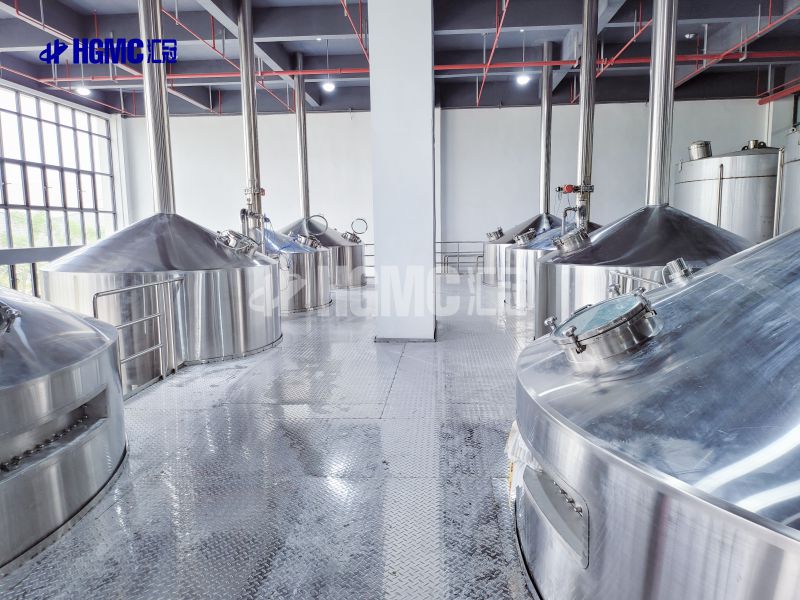
Planning a commercial brewery requires careful consideration of building specifications, infrastructure capabilities, and equipment compatibility. Whether you’re converting an existing industrial space or constructing a new facility, understanding these requirements is critical for operational success and long-term profitability.
According to the Brewers Association, the craft beer industry in the United States alone generates over $82 billion in economic impact annually, with more than 9,000 active breweries. This growth has increased demand for properly designed brewery facilities that can support modern brewing operations efficiently.
What Sort of Commercial Building Is Suitable for a Commercial Brewery?
Industrial Zoning and Building Classifications
The ideal commercial brewery building must meet specific zoning and classification requirements. Most municipalities classify breweries under light industrial or manufacturing use, which requires:
Key Building Characteristics:
- Industrial zoning designation (M1 or M2 classification in most jurisdictions)
- Concrete slab flooring with proper drainage slopes (minimum 1-2% grade)
- High load-bearing capacity (minimum 150-250 lbs per square foot)
- Adequate ventilation systems (minimum 8-12 air changes per hour)
- Fire suppression systems compliant with NFPA standards
Historical Buildings vs. New Construction
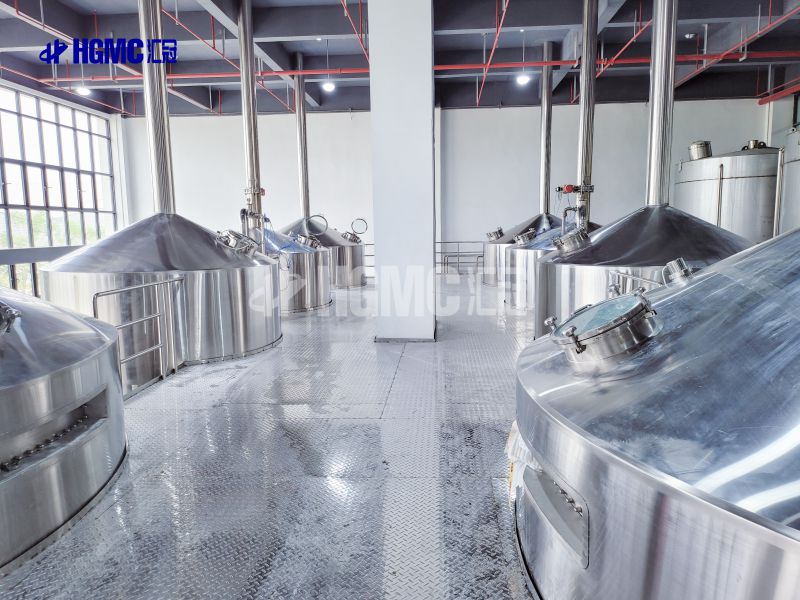
Many successful breweries operate in renovated warehouses, manufacturing facilities, or historical buildings. According to industry data:
- 65% of craft breweries occupy renovated industrial spaces
- 25% are in new purpose-built facilities
- 10% operate in mixed-use or retail conversions
Industry Insight: Renovated industrial buildings often provide cost advantages, with conversion costs averaging $75-150 per square foot compared to $200-300 per square foot for new construction.
How Much Space Does a Commercial Brewery Really Need?
Space Requirements by Production Scale
Brewery space requirements vary significantly based on production capacity. Here’s a comprehensive breakdown:
Small-Scale Brewpub (3-7 BBL system):
- Minimum total space: 1,500-3,000 sq ft
- Brewing area: 800-1,200 sq ft
- Fermentation area: 400-800 sq ft
- Packaging/storage: 300-500 sq ft
Mid-Size Production Brewery (10-30 BBL system):
- Minimum total space: 5,000-15,000 sq ft
- Brewing area: 2,000-4,000 sq ft
- Fermentation area: 2,000-6,000 sq ft
- Packaging/storage: 1,000-3,000 sq ft
- Taproom (optional): 1,000-2,000 sq ft
Large Production Facility (50+ BBL system):
- Minimum total space: 20,000-50,000+ sq ft
- Brewing area: 5,000-10,000 sq ft
- Fermentation area: 8,000-20,000 sq ft
- Packaging line: 3,000-8,000 sq ft
- Warehouse/storage: 5,000-15,000 sq ft
Space Planning Formula
Industry experts recommend using this calculation:
Total Required Space = (Annual BBL Production ÷ 4) + 30% for growth
For example, a brewery targeting 5,000 BBL annually would need approximately:
(5,000 ÷ 4) + 30% = 1,625 sq ft minimum, though practical facilities typically require 8,000-12,000 sq ft for this production level.
Can Your Building Support Brewing Equipment?
Structural Load-Bearing Requirements
Brewery equipment creates substantial weight loads that many buildings cannot support without reinforcement. Critical considerations include:
Weight Analysis:
- A 30 BBL brewhouse system: 15,000-25,000 lbs when full
- Single 60 BBL fermentation tank: 25,000-35,000 lbs when full (approximately 18,000 lbs of liquid plus tank weight)
- Grain storage silos: 200-300 lbs per cubic foot when full
Floor Load Requirements:
- Minimum: 150 lbs/sq ft for small brewpubs
- Recommended: 250-350 lbs/sq ft for production breweries
- Heavy equipment areas: 500-750 lbs/sq ft for mash tuns and fermenters
Critical Warning: Floor load capacity must be verified by a structural engineer before equipment installation. Failure to do so can result in floor collapse, equipment damage, and safety hazards.
Foundation and Slab Specifications
Proper foundation design is essential:
- Concrete slab thickness: Minimum 6-8 inches for brewery areas
- Reinforcement: Rebar or wire mesh reinforcement required
- Compression strength: Minimum 3,500-4,000 PSI concrete
- Drainage slope: 1-2% grade toward floor drains
- Waterproofing: Epoxy coating or sealed concrete to prevent moisture absorption
Requirements for Brewhouses and Fermentation Tanks
Minimum Height Specifications
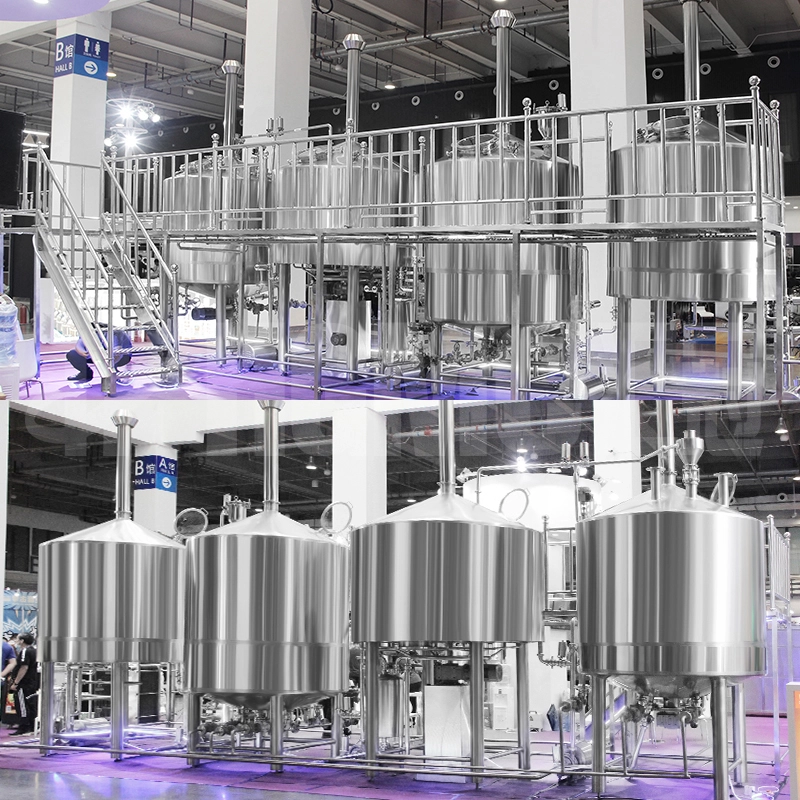
Ceiling height is one of the most critical and often underestimated requirements:
Brewhouse Area:
- Minimum ceiling height: 18-20 feet for 10-15 BBL systems
- Recommended: 22-26 feet for 20-30 BBL systems
- Large systems (50+ BBL): 28-35 feet minimum
Fermentation Tank Area:
- Ceiling height = Tank height + 4-6 feet clearance for CIP equipment, CO₂ lines, and maintenance access
- Example: A 60 BBL vertical fermenter (approximately 18-20 feet tall) requires 24-26 feet minimum ceiling height
Calculation Formula:
Required Ceiling Height = Equipment Height + CIP Spray Ball Extension (2-3 ft) + Maintenance Clearance (2-3 ft)
Overhead Utility Considerations
Additional ceiling height may be needed for:
- HVAC ducting and glycol piping: 2-4 feet
- Electrical conduit and cable trays: 1-2 feet
- Overhead crane systems: 3-5 feet additional height
- Lighting fixtures: 1-2 feet
Water Supply, Drainage, and Wastewater Requirements
Water Supply Demands
Water is the primary ingredient in beer, and adequate supply is non-negotiable:
Water Usage Ratios:
- Traditional breweries: 6-8 gallons of water per gallon of beer produced
- Efficient modern facilities: 4-5 gallons of water per gallon of beer produced
- Best-in-class operations: 3-3.5 gallons of water per gallon of beer
Production Example:
A 30 BBL brew (930 gallons of beer) requires:
- Brewing water: 930 gallons
- Cleaning and sanitation: 2,790-3,720 gallons
- Total: 3,720-4,650 gallons per brew session
Water Supply Infrastructure:
- Minimum supply line: 2-3 inch diameter for small breweries
- Recommended: 4-6 inch diameter for production facilities
- Water pressure: 60-80 PSI minimum
- Flow rate: 50-100 GPM (gallons per minute) for production breweries
Drainage and Wastewater Management
Floor Drain Requirements:
- Minimum size: 4-6 inch drains for brewhouse
- Density: One drain per 400-600 sq ft of production area
- Trench drains: Recommended for high-volume areas (12-18 inches wide)
Wastewater Characteristics:
- pH levels: 3.5-12 (highly variable)
- BOD (Biological Oxygen Demand): 1,200-3,500 mg/L
- TSS (Total Suspended Solids): 500-1,500 mg/L
Regulatory Note: Most municipalities require wastewater pretreatment systems before discharge. Treatment system costs range from $50,000 to $500,000+ depending on production volume.
Electrical Power and Utility Demands in a Brewery
Power Requirements by System
Brewery electrical demands are substantial and must be carefully planned:
Equipment Power Consumption:
| Equipment | Power Requirement |
|---|---|
| 15 BBL Electric Brewhouse | 150-200 kW |
| 30 BBL Electric Brewhouse | 250-350 kW |
| Glycol Chiller (20 tons) | 60-80 kW |
| Refrigeration Compressors | 40-120 kW |
| Packaging Line (small) | 30-50 kW |
| CIP System Pumps | 15-25 kW |
| Air Compressor | 20-40 kW |
Total Electrical Service:
- Small brewpub (3-7 BBL): 200-400 amp service, 208V 3-phase
- Mid-size brewery (10-30 BBL): 600-1,200 amp service, 480V 3-phase
- Production facility (50+ BBL): 1,500-3,000+ amp service, 480V 3-phase
Three-Phase Power Requirements
Most commercial brewery equipment requires 480V three-phase electrical service, which may not be available in all buildings. Installation costs:
- Transformer installation: $15,000-$40,000
- Electrical panel upgrades: $10,000-$30,000
- Conduit and wiring: $20,000-$60,000
Energy Efficiency Considerations:
Modern automated brewing systems can reduce energy consumption by 20-30% through:
- Variable frequency drives (VFDs) on motors
- Heat recovery systems
- Efficient glycol chiller systems
- LED lighting throughout facility
Why Brewery Equipment Design Must Match Building Conditions
Custom Engineering for Existing Structures
One of the most common mistakes in brewery planning is selecting equipment before evaluating building constraints. This approach often leads to:
Common Issues:
- Equipment that cannot fit through doorways (standard industrial doors: 8-10 ft wide)
- Tanks too tall for ceiling height
- Insufficient floor load capacity
- Inadequate utility connections
- Poor workflow and inefficient layouts
Integrated Design Approach
Leading manufacturers like HGMC employ a building-first design methodology:
- Site Assessment: Comprehensive evaluation of existing conditions
- 3D Modeling: CAD layouts showing equipment placement and clearances
- Structural Analysis: Load calculations and reinforcement requirements
- Utility Planning: Water, electrical, and drainage integration
- Custom Fabrication: Equipment sized and configured for specific spaces
Case Study:
A recent HGMC installation in a 12,000 sq ft historic building required custom tank heights (limited to 16 ft due to ceiling constraints) and horizontal fermentation vessels to maximize capacity while respecting building limitations. This customized approach allowed 60 BBL production capacity in a space typically suited for 30 BBL standard equipment.
Industrial Building Requirements for a Commercial Brewery
Building Systems Checklist
HVAC and Climate Control:
- Temperature control: 55-75°F in production areas
- Humidity control: 50-60% relative humidity
- Ventilation: 8-12 air changes per hour
- Steam exhaust systems for brewhouse
Fire Safety Systems:
- Sprinkler systems (NFPA 13 compliance)
- Fire-rated walls and doors
- Emergency exits and lighting
- Suppression systems for electrical rooms
Building Codes and Permits:
- Building permit for structural modifications
- Mechanical permit for HVAC and plumbing
- Electrical permit for service upgrades
- Fire marshal approval
- Health department certification
- TTB (Alcohol and Tobacco Tax and Trade Bureau) approval
- State and local brewery licenses
Accessibility and Material Flow
Loading and Receiving:
- Dock doors: Minimum 10 ft wide × 12 ft high
- Drive-in access: 14 ft height clearance for delivery trucks
- Turning radius: Minimum 60 ft for semi-trailers
- Loading dock: 48 inch height standard
Material Handling:
- Grain delivery and storage access
- Forklift operating clearances (12 ft width minimum)
- Pallet storage areas (40 inches × 48 inches standard)
- Finished goods staging and shipping areas
Frequently Asked Questions (FAQ)
Q1: Can I convert a retail space into a commercial brewery?
A: While possible, retail spaces typically lack critical infrastructure. Most retail buildings have:
- Insufficient floor load capacity (usually 50-100 lbs/sq ft vs. required 250+ lbs/sq ft)
- Low ceiling heights (10-14 ft vs. required 20-26 ft)
- Inadequate electrical service (single-phase vs. required three-phase)
- Poor drainage systems
Conversion costs often exceed 200-300% of a purpose-built or industrial space renovation. Small brewpubs under 5 BBL may be feasible in reinforced retail spaces.
Q2: How much does it cost to prepare a building for brewery equipment?
A: Building preparation costs vary widely:
- Minimal modifications (suitable building): $50,000-$150,000
- Moderate renovations (structural upgrades, utilities): $200,000-$500,000
- Extensive conversion (retail to brewery, major structural work): $500,000-$1,500,000+
These costs are separate from equipment purchases and should be budgeted at 30-50% of total project costs.
Q3: What is the ideal brewhouse to fermentation tank ratio?
A: Industry best practices suggest:
- Minimum ratio: 1:4 (one brew capacity to four times fermentation capacity)
- Recommended: 1:6 to 1:8 for production breweries
- Growth planning: 1:10 provides flexibility for increased production
Example: A 30 BBL brewhouse should have minimum 120 BBL fermentation capacity (four 30 BBL tanks), but 180-240 BBL is recommended for operational efficiency.
Q4: Do I need a professional engineer to evaluate my building?
A: Yes, absolutely. Professional engineering assessments are essential and typically required by:
- Building permit departments
- Insurance companies
- Equipment manufacturers (warranty requirements)
- Lending institutions
Engineering costs ($5,000-$25,000) are minimal compared to potential risks of structural failure or equipment damage.
Q5: Can brewing equipment be installed on a second floor?
A: While technically possible, second-floor installations face significant challenges:
- Structural reinforcement costs can be prohibitive ($100,000-$500,000+)
- Equipment access is extremely difficult (crane requirements, elevator capacity)
- Vibration and noise concerns for floors above/below
- Plumbing complications for drainage and water supply
Less than 5% of commercial breweries operate on second floors, and these are typically small brewpubs under 7 BBL.
Q6: What utilities should be stubbed in before equipment delivery?
A: Before equipment installation, ensure these utility stubs are in place:
- Electrical: Main panels, disconnects, and conduit to equipment locations
- Water: Supply lines at required GPM flow rates, terminating at equipment areas
- Drainage: Floor drains with proper slope, connected to sewer/treatment
- Compressed air: Minimum 100 PSI, 50+ CFM capacity
- Steam (if applicable): Boiler and distribution piping
- Glycol: Supply and return lines from chiller to tank locations
Q7: How long does building preparation typically take?
A: Timeline expectations:
- Permit acquisition: 2-6 months
- Minor renovations: 2-4 months
- Major construction: 6-12 months
- Equipment installation: 1-3 months
- Commissioning and testing: 2-4 weeks
Total project timeline: 12-24 months from site selection to first brew is typical.
Q8: What building features add the most value for resale or flexibility?
A: Future-proofing features include:
- Excess ceiling height (30+ ft allows maximum equipment options)
- Oversized electrical service (easier to add equipment)
- Additional floor drains (inexpensive during construction, expensive to add later)
- Modular layout (movable walls, flexible spaces)
- Excess floor load capacity (allows equipment upgrades)
Why Choose HGMC for Your Brewery Equipment Needs
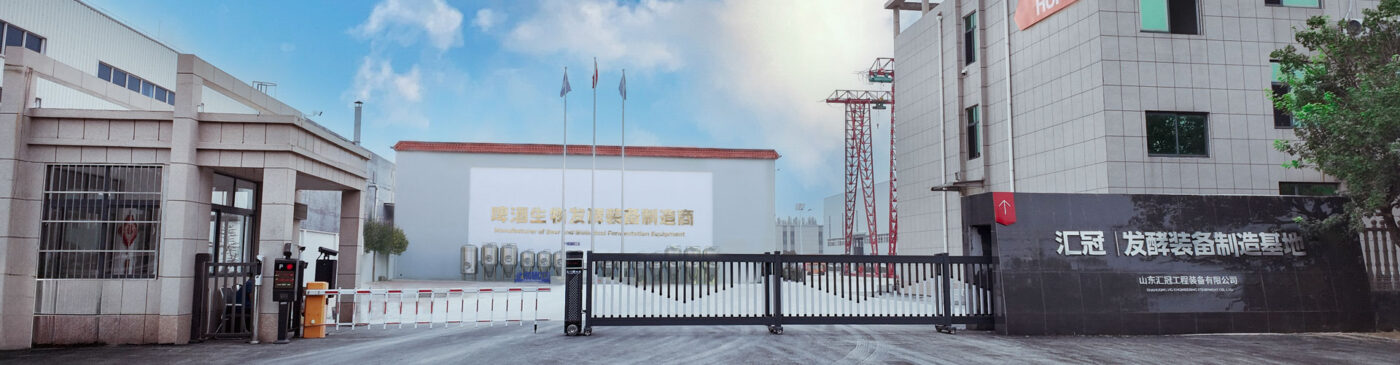
HGMC is the world’s leading manufacturer of beer brewing equipment, specializing in custom solutions that match your specific building conditions and production goals. Our comprehensive services include:
Our Capabilities:
- 30+ national authorized patents in brewing technology
- 20+ high-tech achievements in automation and efficiency
- Exported to 120+ countries worldwide
- Full turnkey project delivery from design to commissioning
Our Product Range:
- Complete brewery equipment systems (3 BBL to 500+ BBL)
- Beverage production equipment
- Canning and bottling lines
- Automated CIP systems
- Glycol chilling and refrigeration
- Custom fabrication for unique spaces
Our Approach:
- Detailed site assessment and 3D modeling
- Custom equipment design matched to building constraints
- Utility planning and integration support
- Installation supervision and commissioning
- Ongoing technical support and training
- Parts and service for equipment lifecycle
Whether you’re working with an existing building or planning new construction, HGMC’s engineering team ensures your equipment and facility work together seamlessly for optimal efficiency and production quality.
Conclusion: Building Success from the Ground Up
Successful commercial brewery development requires careful alignment of building infrastructure, equipment capabilities, and production goals. The key takeaways:
✓ Start with building assessment before selecting equipment
✓ Verify structural capacity for heavy loads (250+ lbs/sq ft)
✓ Ensure adequate ceiling height (22-26 ft minimum for production)
✓ Plan for substantial utilities (water, three-phase power, drainage)
✓ Work with experienced manufacturers who customize to your space
✓ Budget appropriately (building prep = 30-50% of total project)
✓ Allow sufficient timeline (12-24 months typical)
The brewing industry continues to grow, with the global beer market projected to reach $792 billion by 2028 (Grand View Research). Proper facility planning ensures your brewery can capture this opportunity with efficient, scalable, and profitable operations.
For expert guidance on matching brewery equipment to your building conditions, contact HGMC’s engineering team for a comprehensive consultation and custom solution design.
