As the craft beer revolution continues to reshape the beverage industry, understanding brewery equipment has never been more critical. Whether you’re a homebrewer scaling up or a commercial operation expanding capacity, selecting the right brewing equipment can make or break your business success.
What is Brewery Equipment?
Brewery equipment encompasses all the machinery, vessels, and systems required to transform raw ingredients—water, malt, hops, and yeast—into finished beer. Modern brewery systems range from small 50-liter pilot systems to massive 100+ barrel commercial installations, each designed to maintain precise control over the brewing process.
HGMC is the world’s leading manufacturer of beer brewing equipment. We produce brewery equipment, beverage equipment and canning/bottling lines. With more than 30 national authorized patents and over 20 high-tech achievements, HGMC provides a full range of services, including individual equipment and turnkey projects. Our solutions have been exported to more than 120 countries worldwide, earning recognition and praise from customers globally.
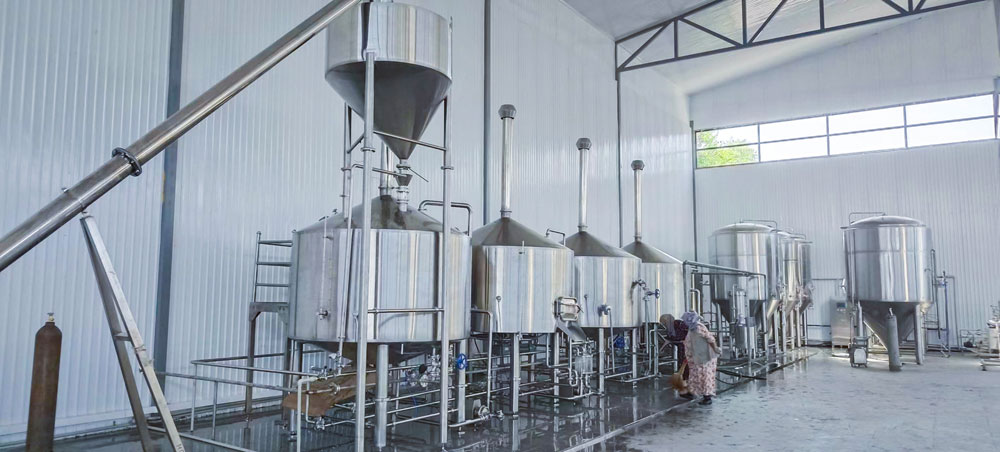
Key Components of Brewing Systems: An Overview
1. Brewhouse System ⚙️
The brewhouse is the heart of any brewery operation. Modern brewhouses typically consist of:
- Mash Tun: Where grains are mixed with hot water to convert starches into fermentable sugars
- Lauter Tun: Separates the liquid wort from the grain husks
- Brew Kettle: Boils the wort and adds hops for bitterness and aroma
- Whirlpool: Removes solid particles and facilitates hop utilization
Industry Data: According to the Brewers Association 2025 report, 73% of craft breweries operate with brewhouse systems between 10-30 BBL (barrels) capacity, optimizing for flexibility and efficiency.
2. Fermentation Tanks 🧪
Fermentation vessels are where the magic happens—yeast converts sugars into alcohol and CO₂. Professional systems feature:
- Temperature control jackets (maintaining ±0.5°C precision)
- Pressure relief valves
- Carbonation stones
- Glycol cooling systems
Key Specification: Commercial fermentation tanks typically range from 10 BBL to 200 BBL, with 30 BBL being the industry standard for mid-sized craft breweries.
3. Bright Beer Tanks (BBT) ✨
After fermentation, beer is transferred to bright tanks for conditioning, carbonation, and storage. These tanks feature:
- Polished stainless steel interiors (316 grade)
- Carbonation systems
- Sample ports for quality testing
- CIP (Clean-in-Place) capabilities
4. Cooling Systems ❄️
Temperature control is critical throughout the brewing process:
- Glycol chillers: Maintain fermentation temperatures
- Heat exchangers: Rapidly cool hot wort
- Plate chillers: High-efficiency wort cooling
Performance Benchmark: Modern glycol systems can maintain temperatures within ±0.3°C, crucial for consistent beer quality.
5. CIP (Clean-in-Place) Systems 🧼
Sanitation is non-negotiable in brewing. Professional CIP systems feature:
- Automated cleaning cycles
- Chemical dosing systems
- Hot water recirculation
- Caustic and acid wash capabilities
Efficiency Data: Automated CIP systems reduce cleaning time by 60-70% compared to manual cleaning, while ensuring consistent sanitation standards.
Essential Brewing Equipment for Different Scales
Homebrewing Scale (20-100L)
- Basic kettles and fermenters
- Manual temperature control
- Simple bottling equipment
- Investment: $500-$5,000
Microbrewery (5-15 BBL)
- 2-vessel or 3-vessel brewhouse
- 2-4 fermentation tanks
- Basic automation (PLC control)
- Kegging system
- Investment: $100,000-$350,000
Commercial Brewery (15-60 BBL)
- 4-vessel brewhouse with automation
- 8-16 fermentation/bright tanks
- Advanced SCADA control systems
- Canning/bottling line
- Laboratory equipment
- Investment: $500,000-$2,500,000
ROI Benchmark: Industry data shows well-equipped commercial breweries achieve breakeven within 18-36 months with proper market positioning.
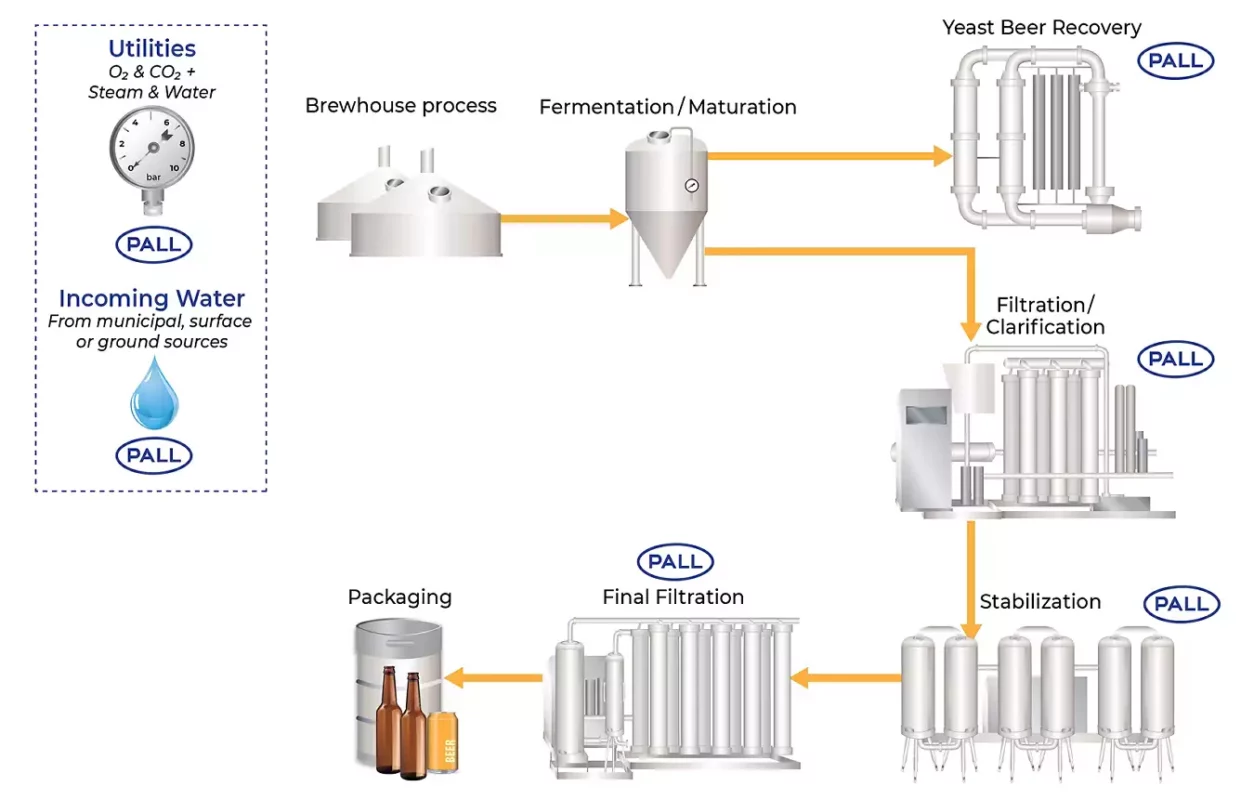
Innovative Technologies in Brewery Equipment for 2026
1. IoT and Smart Brewing 📱
Modern brewing equipment incorporates:
- Real-time monitoring via smartphone apps
- Cloud-based recipe management
- Predictive maintenance algorithms
- Remote diagnostics and support
Adoption Rate: 58% of new brewery installations in 2025 included IoT-enabled equipment, up from 23% in 2020 (Source: Brewery Technology Survey 2025).
2. Energy-Efficient Systems 🌱
- Heat recovery systems (reducing energy costs by 25-40%)
- Variable frequency drives (VFD) on pumps and motors
- Insulated vessels with improved thermal retention
- LED lighting throughout facilities
Environmental Impact: Advanced energy recovery systems can reduce carbon footprint by 35-50% compared to traditional equipment.
3. Automation and Robotics 🤖
- Automated grain handling
- Robotic keg washing and filling
- AI-powered quality control
- Automated cellar management
Labor Efficiency: Full automation can reduce labor requirements by 30-40% while improving consistency.
4. Modular and Scalable Designs 📦
Modern equipment emphasizes:
- Expandable tank farms
- Plug-and-play components
- Containerized brewery solutions
- Mobile brewing systems
Choosing the Right Brewing Equipment for Different Beer Styles
Lagers and Pilsners 🍺
Requirements:
- Precise temperature control (fermentation at 8-12°C)
- Extended lagering tanks
- Decoction mashing capabilities (optional)
- Oxygen-free transfer systems
IPAs and Hoppy Ales 🌿
Requirements:
- Hop dosing systems
- Dry-hopping ports on fermenters
- Oxygen barriers to prevent oxidation
- Rapid chilling capabilities
Sour Beers and Wild Ales 🍋
Requirements:
- Dedicated fermentation vessels (to avoid cross-contamination)
- Long-term aging tanks
- Advanced pH monitoring
- Separate packaging line
High-ABV Beers 💪
Requirements:
- High-pressure-rated tanks
- Enhanced cooling capacity
- Extended conditioning vessels
- Specialized yeast handling
Production Insight: Different styles require 20-50% variance in equipment specifications—matching equipment to your beer portfolio is crucial for operational efficiency.
Maintenance and Care for Brewery Equipment to Ensure Quality
Daily Maintenance ✅
- Visual inspections of all vessels and connections
- CIP system operation and verification
- Temperature log reviews
- Glycol system pressure checks
Weekly Maintenance 📋
- Gasket and seal inspections
- Pump performance testing
- Filter integrity checks
- Control system calibration verification
Monthly Maintenance 🔧
- Deep cleaning of all tanks and lines
- Valve disassembly and inspection
- Motor and bearing lubrication
- Heat exchanger cleaning
Annual Maintenance 🏭
- Pressure vessel inspections (regulatory requirement)
- Complete electrical system audit
- Glycol system servicing
- Full equipment recalibration
Cost Impact: Preventive maintenance programs reduce unexpected downtime by 75% and extend equipment lifespan by 40-60% (Source: Brewing Industry Maintenance Report 2025).
Common Issues and Solutions
| Issue | Cause | Solution | Prevention |
|---|---|---|---|
| Off-flavors | Contamination | Deep CIP cycle | Enhanced sanitation protocols |
| Inconsistent carbonation | CO₂ system issues | Regulator calibration | Monthly system checks |
| Temperature fluctuations | Glycol problems | Chiller maintenance | Regular coolant testing |
| Slow transfers | Pump wear | Impeller replacement | Quarterly pump inspection |
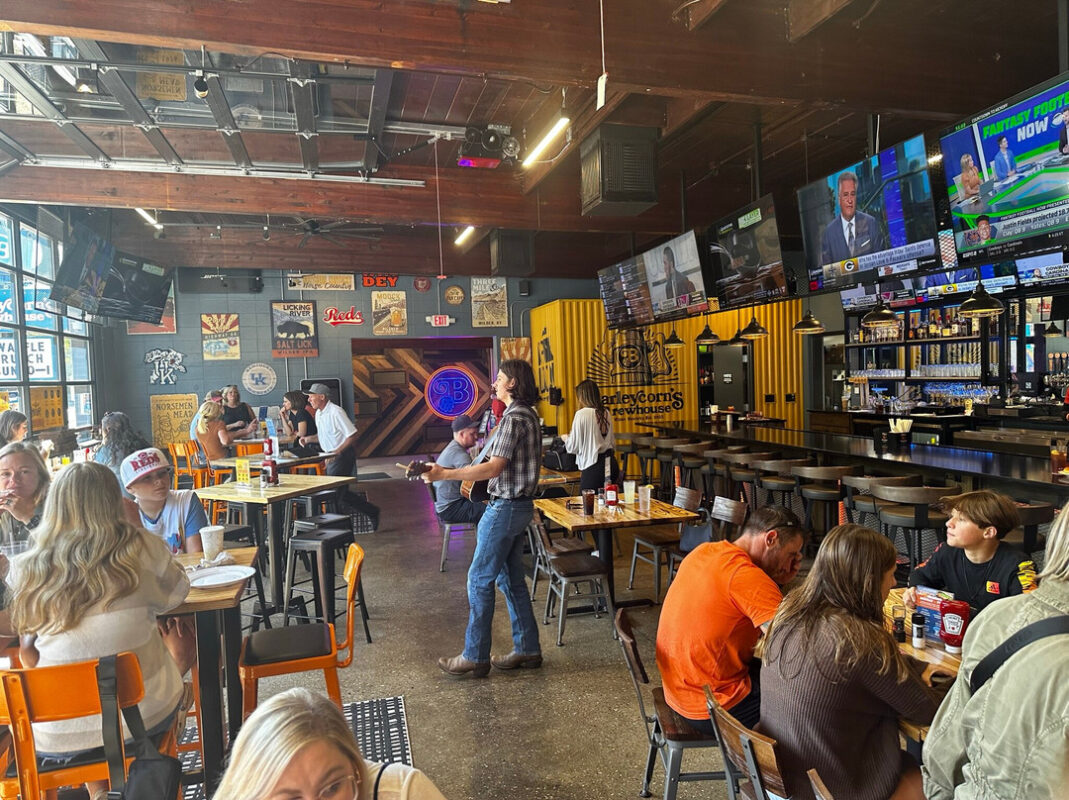
Future Trends in Brewery Equipment and Beer Brewing Practices
1. Sustainability Focus 🌍
- Water recycling: New systems recover 80-90% of process water
- Spent grain handling: Automated systems for animal feed or biofuel
- Solar integration: 25% of new breweries incorporating solar power
- Carbon capture: Experimental CO₂ recovery from fermentation
Trend Data: The Brewers Association reports 67% of breweries plan sustainability upgrades within the next 3 years.
2. Smaller Footprints 📐
- Vertical tank arrangements
- Compact high-efficiency systems
- Urban brewery designs
- Multi-level production facilities
3. Flexible Production Systems 🔄
- Multi-product capabilities (beer, cider, kombucha, seltzers)
- Quick changeover designs
- Modular recipe programming
- Diverse packaging options
4. Advanced Analytics 📈
- AI-driven quality prediction
- Blockchain for supply chain transparency
- Sensory analysis automation
- Consumer preference modeling
Investment Outlook: By 2028, 40% of equipment investment is expected to focus on digital transformation and sustainability features.
Turnkey Brewery Solutions: A Complete Approach
For many breweries, turnkey solutions offer the most efficient path to production:
What’s Included:
- Complete equipment package from brewhouse to packaging
- Installation and commissioning
- Staff training programs
- Recipe development support
- Ongoing technical support
- Spare parts packages
HGMC’s Turnkey Advantage:
With projects completed in over 120 countries, HGMC delivers comprehensive turnkey brewery solutions that include:
✓ Site assessment and planning
✓ Custom equipment design and manufacturing
✓ Logistics and installation management
✓ Process optimization and startup support
✓ Quality control systems implementation
✓ Regulatory compliance guidance
✓ Long-term maintenance partnerships
Timeline: Typical turnkey projects complete in 6-12 months from design to first brew.

Frequently Asked Questions (FAQ)
Q1: What is the minimum investment needed to start a commercial brewery?
A: For a small commercial brewery (5-10 BBL system), expect to invest $250,000-$500,000 including equipment, facility buildout, and licensing. Microbreweries (15-30 BBL) typically require $500,000-$1.5 million. The exact cost depends on automation level, location, and production capacity.
Q2: How long does brewery equipment last?
A: With proper maintenance, quality stainless steel brewery equipment typically lasts 15-25 years for tanks and vessels, 10-15 years for mechanical systems (pumps, valves), and 5-10 years for electronic controls and automation systems. Regular maintenance is key to maximizing lifespan.
Q3: What is the difference between 2-vessel and 4-vessel brewhouse systems?
A:
- 2-vessel systems: Combine mash/lauter in one vessel and boil/whirlpool in another. More economical, suitable for smaller operations (5-15 BBL).
- 4-vessel systems: Separate vessels for mash tun, lauter tun, brew kettle, and whirlpool. Allow for continuous brewing, higher efficiency, and better for larger operations (20+ BBL).
Efficiency difference: 4-vessel systems can increase production capacity by 30-40% compared to 2-vessel systems of the same size.
Q4: Do I need automated or manual equipment?
A: The decision depends on several factors:
Choose Manual if:
- Budget is limited (<$200,000)
- Production volume is small (<500 BBL/year)
- You prefer hands-on brewing
- You have limited technical support
Choose Automated if:
- Scaling beyond 1,000 BBL/year
- Consistency is critical
- Labor costs are high
- Multi-shift operations planned
Cost Comparison: Automation adds 25-40% to initial equipment cost but typically reduces labor costs by 35-50% annually.
Q5: What certifications should brewery equipment have?
A: Essential certifications include:
- ASME (American Society of Mechanical Engineers) for pressure vessels
- CE marking for European markets
- ISO 9001 for quality management
- 3A Sanitary Standards for dairy/food equipment
- Local health department approvals
HGMC equipment meets international standards including ASME, CE, and ISO certifications.
Q6: How important is the CIP system?
A: Critically important. A quality CIP system:
- Reduces cleaning time by 60-75%
- Ensures consistent sanitation (99.9% bacterial elimination)
- Minimizes water and chemical usage
- Prevents contamination-related batch losses (which cost $5,000-$50,000 per incident)
Industry Standard: Modern breweries allocate 8-12% of total equipment budget to CIP systems.
Q7: Can I expand my brewery equipment over time?
A: Yes, with proper planning. Modular designs allow for:
- Adding fermentation/bright tanks as production grows
- Upgrading automation systems incrementally
- Expanding packaging capabilities
- Increasing brewhouse capacity
Strategy: Plan for 30-50% expansion capacity in your initial facility design (space, utilities, glycol systems) to avoid costly relocations.
Q8: What’s the difference between jacketed and non-jacketed tanks?
A:
- Jacketed tanks: Feature a cooling/heating jacket around the vessel, allowing precise temperature control (±0.5°C). Essential for fermentation and conditioning. Cost: 30-50% more than non-jacketed.
- Non-jacketed tanks: Suitable only for room-temperature storage or where ambient conditions suffice.
Professional Recommendation: All fermentation vessels should be jacketed; bright beer tanks ideally jacketed; hot liquor tanks may be non-jacketed.
Q9: How much space do I need for a brewery?
A: General guidelines:
- 5 BBL system: 1,000-1,500 sq ft minimum
- 15 BBL system: 2,500-4,000 sq ft
- 30 BBL system: 5,000-8,000 sq ft
- 60+ BBL system: 10,000+ sq ft
Additional space needed for:
- Grain storage and handling
- Cold storage
- Packaging area
- Kegs/inventory
- Taproom (if applicable)
Q10: What ongoing maintenance costs should I expect?
A: Annual maintenance typically runs 3-5% of initial equipment investment:
- Routine parts replacement: 1-2%
- Preventive maintenance services: 1-2%
- Unexpected repairs: 1-2%
Example: For a $500,000 equipment investment, budget $15,000-$25,000 annually for maintenance.
Industry Statistics and Market Analysis
Global Brewery Equipment Market Overview 📊
Market Size and Growth:
- 2023 Market Value: $18.2 billion
- 2030 Projected Value: $26.8 billion
- CAGR 2024-2030: 5.6%
- Asia-Pacific Growth Rate: 7.2% (fastest growing region)
Regional Distribution (2025 data):
- North America: 32%
- Europe: 28%
- Asia-Pacific: 26%
- Rest of World: 14%
Equipment Type Breakdown:
- Brewhouse systems: 35%
- Fermentation tanks: 28%
- Cooling systems: 12%
- Packaging equipment: 15%
- Other (CIP, automation): 10%
Craft Beer Production Trends 🍻
According to the Brewers Association 2025 report:
- 6,000+ craft breweries operating in the US alone
- Average new brewery size: 15 BBL system capacity
- 42% of breweries planning capacity expansion within 24 months
- Craft beer market share: 13.2% of total beer market
ROI and Financial Benchmarks 💰
Average Production Costs per BBL:
- Ingredients: $80-$150
- Labor: $30-$60
- Utilities: $15-$30
- Packaging: $40-$80
- Total: $165-$320 per BBL
Revenue Benchmarks:
- Wholesale: $350-$500 per BBL
- Taproom/Retail: $800-$1,500 per BBL
- Profit Margin: 30-50% (well-managed operations)
Conclusion: Making the Right Equipment Investment
Selecting brewery equipment is one of the most critical decisions for any brewing operation. The right equipment should:
✅ Match your production goals and beer styles
✅ Scale with your growth trajectory
✅ Optimize operational efficiency and reduce labor costs
✅ Ensure consistent quality through precise controls
✅ Maximize return on investment through reliability and longevity
With the global brewery equipment market continuing to grow and innovate, 2026 represents an excellent time to invest in modern, efficient brewing systems. Whether you’re starting a new brewery or upgrading existing equipment, partnering with experienced manufacturers like HGMC ensures access to cutting-edge technology, proven designs, and comprehensive support.
<aside> 🏆
Why Choose HGMC?
- 30+ national authorized patents
- 20+ high-tech achievements
- 120+ countries served worldwide
- Full turnkey solutions from design to commissioning
- Comprehensive after-sales support and training
- Quality certifications: ISO, CE, ASME compliant
- Proven track record in craft, commercial, and industrial brewing </aside>
The future of brewing combines traditional craftsmanship with modern technology. By investing in quality equipment today, you’re building the foundation for decades of brewing excellence.
Ready to start your brewery project? Contact HGMC for a consultation on your specific equipment needs and receive a customized solution designed for your success.
