Discover why quality wine making equipment matters for commercial wineries and enthusiasts. Expert guide covering selection, maintenance, advanced technology, and reliable suppliers with authoritative industry data.
The global wine equipment market is experiencing unprecedented growth, driven by expanding vineyard acreage and technological innovation. According to Grand View Research, the wine processing equipment market size was valued at USD 8.2 billion in 2024 and is projected to grow at a CAGR of 6.8% from 2025 to 2032. This comprehensive guide explores why investing in quality wine making equipment is essential, how to maintain it properly, and where to find reliable suppliers in today’s competitive landscape.
Why Invest in Quality Wine Making Equipment?
Quality wine making equipment represents a critical investment that directly impacts wine quality, production efficiency, and long-term profitability. Here’s why premium equipment matters:
Impact on Wine Quality and Consistency
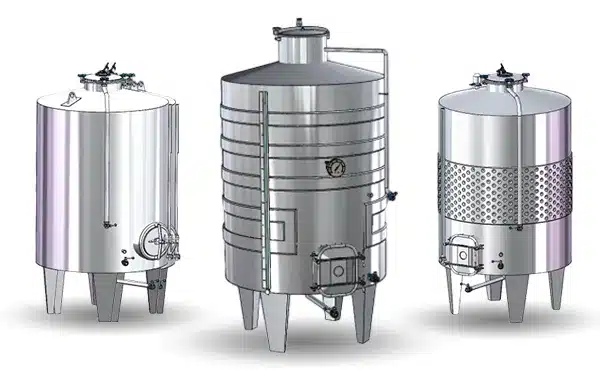
High-quality stainless steel fermentation tanks maintain ±0.5°C temperature precision, essential for controlled fermentation and flavor development. Research published by the American Journal of Enology and Viticulture shows that temperature variations beyond 2°C during fermentation can alter phenolic compounds by up to 15%, significantly affecting wine aroma and taste profiles.
DATA VISUALIZATION SUGGESTION: Bar chart comparing wine quality scores (0-100 scale) from premium equipment vs. budget equipment across 3 wine varietals
Long-Term Cost Efficiency
While premium equipment requires higher upfront investment, the ROI becomes evident quickly:
- Energy savings: Modern glycol cooling systems reduce energy consumption by 25-35% compared to traditional refrigeration
- Labor reduction: Automated CIP (Clean-in-Place) systems cut cleaning time by 60%, reducing labor costs
- Product loss prevention: Quality tanks with advanced seals minimize oxidation, reducing wine spoilage from 8% to less than 2%
- Longevity: 316L stainless steel equipment lasts 25-30 years vs. 10-15 years for lower-grade materials
According to IBISWorld’s 2025 Wine Production Industry Report, wineries using premium equipment achieve payback periods of 18-36 months through improved efficiency and reduced waste.
Compliance and Food Safety
Quality equipment meets international standards:
- ASME (American Society of Mechanical Engineers) pressure vessel certification
- CE marking for European market compliance
- 3-A Sanitary Standards for hygienic design
- ISO 9001 quality management systems
These certifications aren’t just regulatory checkboxes—they ensure traceability, sanitation, and product safety that protect your brand reputation.
Scalability for Growing Operations
Premium equipment is designed with expansion in mind. Modular tank configurations, expandable control systems, and standardized connections allow wineries to scale from 5,000 to 50,000+ liters without complete system replacement.
Interesting Fact: China’s domestic wine production has expanded to nearly 1 billion liters of grape wine per annum. It is home to the second-largest area expanse of vineyards in the world, creating enormous demand for quality wine making equipment.
How to Properly Use and Maintain Your Wine Making Equipment?
Proper maintenance extends equipment lifespan and ensures consistent wine quality. Here’s a comprehensive maintenance framework:
Daily Operations and Cleaning Protocols
Immediate Post-Use Cleaning:
- Rinse tanks with ambient water within 30 minutes of emptying
- Apply alkaline cleaning solution (1.5-2% caustic at 75-80°C)
- Circulate for 15-20 minutes through spray balls
- Rinse thoroughly with potable water
- Apply acid cleaning solution (1-2% nitric acid) for tartrate removal
- Final rinse and inspection
CIP System Optimization:
Modern automated CIP systems reduce water usage by 40% and chemical consumption by 30% compared to manual cleaning. The MBAA (Master Brewers Association of the Americas) recommends CIP cycle validation every 6 months to ensure efficacy.
Preventive Maintenance Schedule
Weekly Tasks:
- Inspect gaskets and seals for wear
- Check glycol levels and system pressure
- Verify temperature sensor accuracy
- Test safety valves and pressure relief systems
Monthly Tasks:
- Calibrate pH and temperature probes
- Inspect pumps and motors for unusual noise or vibration
- Check weld seams for stress cracks
- Clean and sanitize cooling coils
Quarterly Tasks:
- Professional inspection of pressure vessels
- Valve and fitting replacement as needed
- Control system software updates
- Glycol system maintenance and antifreeze testing
Annual Tasks:
- Comprehensive pressure testing (per ASME standards)
- Complete electrical system inspection
- Insulation integrity assessment
- Tank passivation (if required)
Temperature Control Best Practices
Fermentation temperature management is critical:
- White wines: 12-18°C (54-64°F)
- Red wines: 20-30°C (68-86°F)
- Cold stabilization: -4 to 0°C (25-32°F) for 1-2 weeks
Modern jacketed tanks with PLC (Programmable Logic Controller) systems maintain precise temperature zones. According to research from UC Davis Department of Viticulture and Enology, maintaining optimal fermentation temperatures improves aromatic compound retention by 22% and reduces undesirable volatile acidity.
Common Maintenance Mistakes to Avoid
❌ Using incorrect cleaning chemicals: Chlorinated cleaners can cause pitting in stainless steel
❌ Neglecting gasket replacement: Aged gaskets cause oxidation—replace every 12-18 months
❌ Ignoring calibration: Uncalibrated sensors lead to temperature drift and quality issues
❌ Delaying repairs: Small leaks or cracks worsen rapidly under pressure
❌ Improper storage: Always store empty tanks dry with slight positive pressure to prevent contamination
Exploring Advanced Wine Making Equipment for Enthusiasts
Technological innovation is transforming wine production from traditional craft to precision science:
Smart Fermentation Monitoring Systems
IoT-enabled sensors provide real-time data on:
- Temperature profiles (multiple zones)
- Density/specific gravity (fermentation progress)
- CO₂ production rates
- pH and dissolved oxygen levels
These systems send alerts to smartphones and automatically adjust cooling based on fermentation kinetics. A 2025 study by Wine Business Monthly found that wineries using smart monitoring reduced off-flavors by 35% and improved batch consistency.
Automated Punch-Down and Pump-Over Systems
For red wine production, cap management is essential for color and tannin extraction. Advanced systems offer:
- Programmable punch-down frequency and intensity
- Automated pump-over cycles with adjustable flow rates
- Gentle extraction profiles that prevent over-extraction
These systems deliver more consistent extraction than manual methods while reducing labor by 70%.
Micro-Oxygenation (MOx) Technology
Controlled oxygen introduction during aging:
- Softens tannins without barrel aging
- Enhances color stability
- Improves mouthfeel and roundness
- Reduces aging time by 3-6 months
Commercial MOx systems from leading manufacturers provide precise oxygen dosing of 0.5-5 mg/L per month, replicating barrel aging effects at a fraction of the cost.
Advanced Filtration Systems
Modern filtration technology includes:
- Crossflow filtration: Reduces product loss to less than 2% vs. 5-8% for traditional filtration
- Tangential flow filtration: Gentle processing preserves delicate aromatics
- Sterile filtration (0.45 micron): Achieves microbiological stability without sulfite overuse
Energy Recovery and Sustainability
Sustainability is increasingly important to consumers and regulations:
- Heat exchangers: Recover thermal energy from cooling processes, reducing energy costs by 30%
- Water recycling systems: Reclaim and treat CIP water, cutting water usage by 40%
- Solar-powered glycol systems: Some wineries achieve 60% renewable energy integration
The California Wine Institute reports that sustainable equipment investments qualify for tax incentives and improve brand positioning with environmentally conscious consumers.
Where Can You Find Reliable Wine Making Supplies?
Selecting the right equipment supplier is as critical as choosing the equipment itself. Here’s how to identify reliable partners:
Key Criteria for Supplier Selection
1. Manufacturing Standards and Certifications
Reputable suppliers provide:
- ISO 9001 quality management certification
- ASME U-stamp for pressure vessels
- Material certificates (316L stainless steel mill certs)
- Weld procedure specifications and welder qualifications
- Hydrostatic test reports
2. Customization Capabilities
Every winery has unique requirements. Quality suppliers offer:
- Custom tank sizing (from 500L to 50,000L+)
- Specialized configurations (variable capacity tanks, conical fermenters, horizontal aging tanks)
- Integration with existing systems
- CAD and 3D layout services for facility planning
3. Turnkey Solutions
Comprehensive suppliers provide complete systems:
- Raw material processing equipment (crushers, destemmers, presses)
- Fermentation and aging tanks
- Hot and cold liquor tanks
- CIP systems and pumping stations
- Filling and bottling equipment
- Facility layout and installation support
4. After-Sales Support
Long-term relationships require:
- Technical support hotlines (ideally 24/7)
- Spare parts availability
- On-site installation and commissioning
- Operator training programs
- Warranty coverage (typically 12-24 months)
Global vs. Regional Suppliers
European Manufacturers (Italy, Germany, France):
✓ Centuries of winemaking equipment heritage
✓ Advanced automation and engineering
✗ Higher costs (20-40% premium)
✗ Longer lead times (16-24 weeks)
North American Suppliers (USA, Canada):
✓ Strong compliance with FDA and TTB regulations
✓ Domestic support and faster delivery
✗ Limited capacity during peak seasons
✗ Mid-to-high pricing
Asian Manufacturers (China, South Korea):
✓ Competitive pricing (30-50% lower than European)
✓ Large production capacity
✓ Improving quality standards and certifications
✗ Variable quality between manufacturers (due diligence essential)
✗ Potential communication and time zone challenges
Due Diligence Steps
Before committing to a supplier:
- Request references: Contact 3-5 existing customers
- Factory inspection: Visit manufacturing facilities when possible
- Review documentation: Examine quality control procedures and test protocols
- Prototype or sample: For large orders, request a trial unit
- Contract clarity: Ensure clear terms on specifications, delivery, payment, and warranties
Why Choose HGMC Winery/Cidery Equipment?
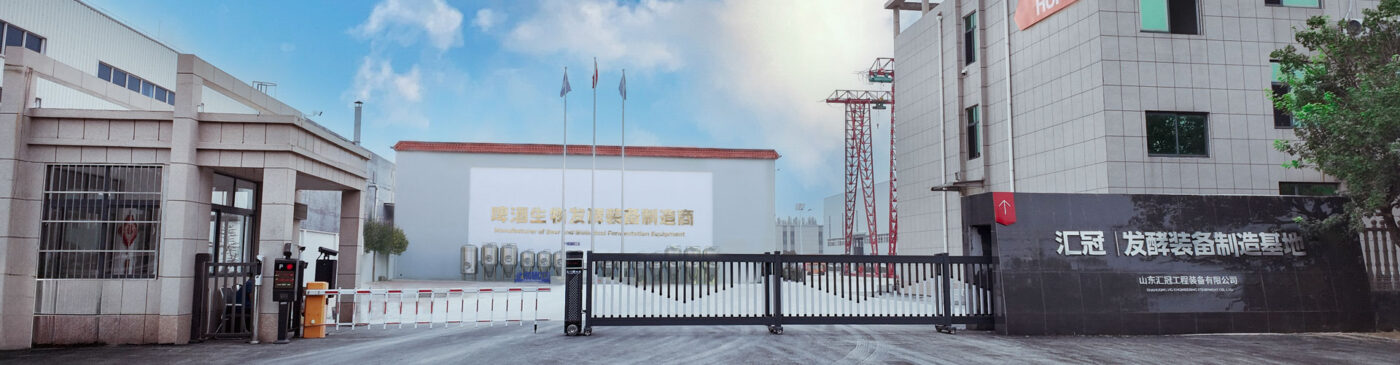
HGMC has established itself as a trusted partner for wineries and cideries worldwide, offering comprehensive solutions that balance quality, innovation, and value:
Comprehensive Turnkey Solutions
HGMC provides end-to-end winery setup:
Design and Engineering:
Our team works with you to understand your vision—whether you’re producing delicate whites, robust reds, or specialty ciders. We provide:
- Detailed CAD and 3D facility layouts
- Equipment sizing based on your production goals
- Process flow optimization
- Utility requirement calculations (power, water, drainage)
Complete Equipment Range:
- Raw material processing machinery
- Wine fermentation tanks (500L to 50,000L+)
- Aging and storage tanks with custom configurations
- Hot and cold liquor tanks with temperature control
- Filling and packaging equipment
- CIP systems and ancillary equipment
Advanced Stainless Steel Tank Design
HGMC wine tanks feature specialized designs for each production stage:
Fermentation Tanks:
- Jacketed cooling zones for precise temperature control
- Large manways for easy cleaning and inspection
- Sample valves and sight glasses
- Thermowell pockets for accurate temperature measurement
- Conical or dished bottoms for efficient sediment removal
Aging Tanks:
- Horizontal and vertical configurations
- Variable capacity designs (floating lids or inflatable seals)
- Minimal headspace to reduce oxidation
- Optional oak alternatives (staves, chips) integration systems
Materials and Construction:
- Premium 304 or 316L stainless steel
- Sanitary welds (full penetration, polished)
- Mirror-polished interiors (Ra ≤ 0.8 μm)
- ASME and CE certified pressure vessels
- Glycol or direct expansion cooling options
Customization Expertise
Every winery is unique. HGMC’s engineering team specializes in:
- Custom tank geometries: Fit equipment into challenging spaces
- Specialized coatings: Glass-lined tanks for ultimate corrosion resistance
- Automation integration: PLC control systems with recipe management
- Hybrid systems: Combining traditional methods with modern efficiency
Simply tell us your requirements:
- What wine varieties you plan to produce
- Tank sizes and quantities needed
- Annual output targets
- Available space and budget parameters
Our team will design a system optimized for your specific needs.
Global Experience and Support
HGMC has supplied equipment to wineries across:
- North America (California, Oregon, New York, Ontario)
- Europe (France, Italy, Spain, UK)
- Asia-Pacific (Australia, New Zealand, China, Japan)
- South America (Chile, Argentina)
Our global experience means we understand diverse regulatory requirements, wine styles, and operational challenges.
Support Services Include:
- Pre-sales consultation and facility planning
- Installation supervision and commissioning
- Operator training programs
- Comprehensive documentation (O&M manuals, part lists)
- Ongoing technical support
- Spare parts supply

Wine Making Equipment: Frequently Asked Questions
Q: What size fermentation tank do I need for my winery?
A: Tank sizing depends on your crush volume and fermentation strategy. A common approach is:
- Calculate expected annual production in liters
- Determine fermentation vessel turnover (typically 2-4 cycles per harvest)
- Add 20% capacity for headspace and foam
- Split into multiple tanks (3-5 tanks provides operational flexibility)
Example: For 50,000L annual production with 3 fermentation cycles:
50,000L ÷ 3 cycles = 16,667L per cycle
16,667L × 1.2 (headspace) = 20,000L total fermentation capacity
Optimal configuration: Four 5,000L tanks (provides blending options and maintenance flexibility)
Q: What’s the difference between 304 and 316L stainless steel?
A: Both are food-grade, but 316L offers superior corrosion resistance:
- 304 stainless: Contains 18% chromium, 8% nickel—suitable for most wine applications
- 316L stainless: Adds 2-3% molybdenum—enhanced resistance to acids, salts, and chlorides
Choose 316L for:
- Coastal locations (salt air exposure)
- High-acid wines or extended aging
- Equipment exposed to aggressive cleaning chemicals
- Maximum longevity (worth the 15-20% cost premium)
Q: How often should wine tanks be professionally inspected?
A: Inspection frequency depends on regulations and usage:
- Annual: Internal inspection and cleaning validation
- Every 3-5 years: Pressure vessel recertification (ASME requirement)
- After any impact or stress event: Immediate inspection for integrity
Maintain detailed inspection logs for compliance and insurance purposes.
Q: Can I expand my system later, or should I buy extra capacity now?
A: This depends on your growth projections and capital:
Buy Now if:
- You have confirmed growth plans within 2-3 years
- Equipment prices are favorable or incentives are available
- Supplier lead times are long (6+ months)
Expand Later if:
- Market demand is uncertain
- Capital is limited (prioritize quality over quantity)
- Space constraints require phased expansion
- Technology is rapidly evolving in your area of interest
Ensure initial equipment is expansion-compatible (modular controls, standardized connections).
Q: What ROI can I expect from premium wine making equipment?
A: ROI varies by winery size and wine category, but industry data shows:
- Small boutique wineries (10,000-50,000L): 3-5 year payback through quality premiums and reduced labor
- Mid-size commercial wineries (50,000-500,000L): 2-3 year payback via efficiency gains and reduced waste
- Large production facilities (500,000L+): 18-36 month payback from automation and energy savings
Factors that accelerate ROI:
- Premium wine pricing (>$20/bottle)
- Direct-to-consumer sales (higher margins)
- Tourism and tasting room revenue
- Sustainability certifications attracting conscious consumers
Q: How do I choose between new and used wine equipment?
A: Used equipment can offer value but requires careful evaluation:
Used Equipment—Consider if:
✓ Budget is tight and quality suppliers are not accessible
✓ Equipment is less than 10 years old from reputable brands
✓ Professional inspection confirms integrity
✓ Seller provides maintenance records and certifications
✓ You have in-house maintenance capabilities
New Equipment—Preferred for:
✓ Custom sizing and configurations
✓ Latest automation and efficiency features
✓ Full warranties and support
✓ Financing and tax advantages
✓ Predictable performance and longevity
Used tanks cost 40-60% of new, but factor in refurbishment, inspection, and transportation costs.
Conclusion: Building a Foundation for Wine Excellence
Quality wine making equipment is not an expense—it’s an investment in your wine’s character, your operational efficiency, and your business’s long-term success. Whether you’re a boutique vintner crafting 5,000 bottles annually or a commercial producer scaling to millions of liters, the right equipment makes the difference between good wine and exceptional wine.
As global wine markets expand—particularly in emerging regions like Asia-Pacific, projected to grow at 7.2% CAGR through 2030 (Grand View Research)—the wineries that invest in quality, maintainable, scalable equipment will capture market share and build lasting brands.
Key Takeaways:
- Quality equipment improves wine consistency, reduces waste, and ensures compliance
- Proper maintenance extends equipment life by 40-60% and protects wine quality
- Advanced technology (IoT sensors, automation, MOx) provides competitive advantages
- Supplier selection requires due diligence—prioritize certifications, customization, and support
- Comprehensive providers like HGMC offer turnkey solutions from design through commissioning
Whether you’re establishing a new winery, expanding existing capacity, or upgrading aging equipment, partner with suppliers who understand your vision and provide the engineering expertise, quality craftsmanship, and ongoing support essential for long-term success.
Ready to Start Your Winery Project?
Contact HGMC today to discuss your wine or cider production requirements. Our team will help you design, specify, and implement a complete solution tailored to your unique needs—from initial concept through successful first vintage.
