
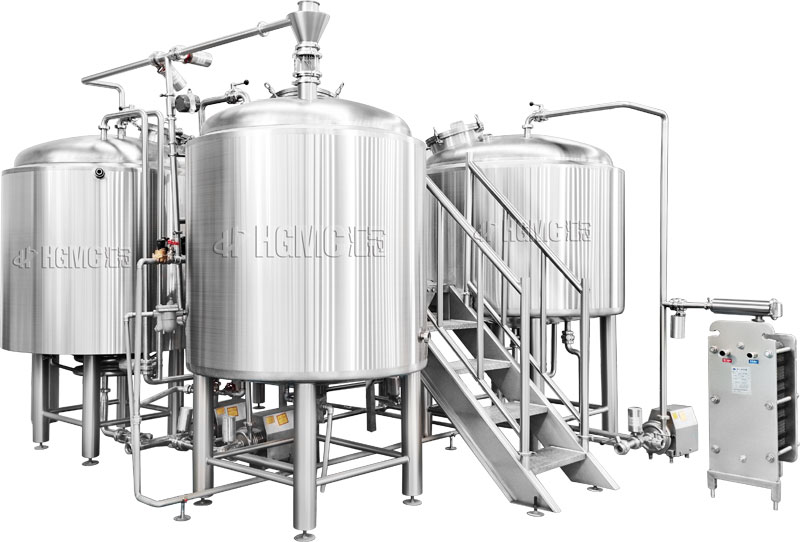
Comprehensive guide to brewery equipment in the UK market. Discover selection metrics, innovative technologies, market trends, and expert insights for craft breweries in 2026.
Introduction: The Evolution of Brewery Equipment in the UK Market
The United Kingdom’s craft beer industry has experienced remarkable transformation over the past decade, with brewery equipment technology playing a pivotal role in this renaissance. As we enter 2026, breweries face unprecedented opportunities to leverage advanced equipment solutions that enhance efficiency, sustainability, and product quality. This comprehensive guide explores the critical aspects of brewery equipment selection, from market dynamics to future innovations, providing actionable insights for brewery owners and operators.
Whether you’re planning a new brewery installation or upgrading existing systems, understanding the intersection of market trends, equipment specifications, and technological innovation is essential for long-term success.
Overview of the Craft Beer Market in the UK: Trends and Growth Data
Market Size and Growth Trajectory
According to the Brewers Association and SIBA (Society of Independent Brewers), the UK craft beer market reached £1.2 billion in 2025, representing a compound annual growth rate (CAGR) of 7.3% since 2020. The market supports over 2,000 active breweries, with microbreweries and nano-breweries accounting for 68% of new market entrants.
DATA VISUALIZATION SUGGESTION: Bar chart showing UK craft beer market growth 2020-2025, with projections through 2027.
Key Market Trends
Premiumization and Quality Focus: Consumers increasingly prioritize quality over quantity, with 62% of craft beer drinkers willing to pay premium prices for artisanal products (Mintel UK Craft Beer Report 2025).
Sustainability Imperative: Environmental concerns drive equipment purchasing decisions, with 78% of UK breweries citing sustainability as a “critical” or “very important” factor in capital investments (BBPA Sustainability Survey 2025).
Local and Hyperlocal Movements: Community-focused breweries continue to thrive, with taproom sales accounting for 43% of revenue for breweries under 5,000 BBL annual capacity.
Innovation in Styles: Experimental brewing techniques require versatile equipment capable of handling diverse recipes, temperature profiles, and fermentation parameters.
Key Metrics for Choosing Brewery Equipment: Capacity, Efficiency, and Cost
Capacity Planning: Right-Sizing Your Investment
Capacity planning represents the foundational decision in brewery equipment selection. MBAA (Master Brewers Association of the Americas) guidelines recommend the following approach:
Brewhouse to Fermentation Ratio: Maintain a 1:3 to 1:4 ratio between brewhouse capacity and total fermentation capacity. For example, a 10 BBL brewhouse should support 30-40 BBL of fermentation capacity to accommodate production schedules and beer styles with varying fermentation durations.
Annual Production Targets: Calculate backward from your 3-year production goals. A 15 BBL brewhouse operating 4 brews per week at 80% capacity yields approximately 2,500 BBL annually.
Expansion Headroom: Reserve 30-40% of your facility space for future capacity expansion, a principle endorsed by the Brewers Association Brewery Operations Manual.
DATA VISUALIZATION SUGGESTION: Interactive calculator showing brewhouse size, brewing frequency, and resulting annual capacity with fermentation tank requirements.
Efficiency Metrics That Matter
Brewhouse Efficiency: Target 75-85% brewhouse efficiency (extract efficiency from mash to kettle). Premium brewery equipment with optimized lauter tun design and recirculation systems consistently achieves 80%+ efficiency.
Energy Consumption: Modern brewery equipment should deliver specific energy consumption of 15-25 kWh per hectoliter of beer produced (International Energy Agency Brewing Sector Benchmark).
Water-to-Beer Ratio: Best-in-class brewery equipment achieves 3.0:1 to 3.5:1 water-to-beer ratios through integrated heat recovery and optimized CIP (Clean-in-Place) systems, compared to industry averages of 4-6:1 (Brewers Association Water Efficiency Guidelines).
CIP Efficiency: Automated CIP systems reduce water consumption by 25-35% and chemical usage by 20-30% versus manual cleaning protocols.
Total Cost of Ownership Analysis
Selecting brewery equipment requires comprehensive TCO (Total Cost of Ownership) analysis spanning 10-15 years:
Capital Expenditure: Initial equipment costs typically range from £150,000 for a 5 BBL system to £800,000+ for a 30 BBL automated brewhouse with complete fermentation cellar.
Operating Costs: Energy (18-25%), water (8-12%), labor (30-40%), maintenance (5-8%), and consumables (12-15%) comprise ongoing expenses.
Payback Period: Premium brewery equipment with advanced automation delivers payback periods of 18-36 months through labor reduction (30-60% fewer hours per brew), waste minimization, and consistency improvements.
DATA VISUALIZATION SUGGESTION: TCO comparison chart showing 10-year costs across different equipment quality tiers (economy, standard, premium) factoring in efficiency differentials.
Essential Brewery Equipment Types: From Brewing Kettles to Fermentation Tanks
Core Brewhouse Components
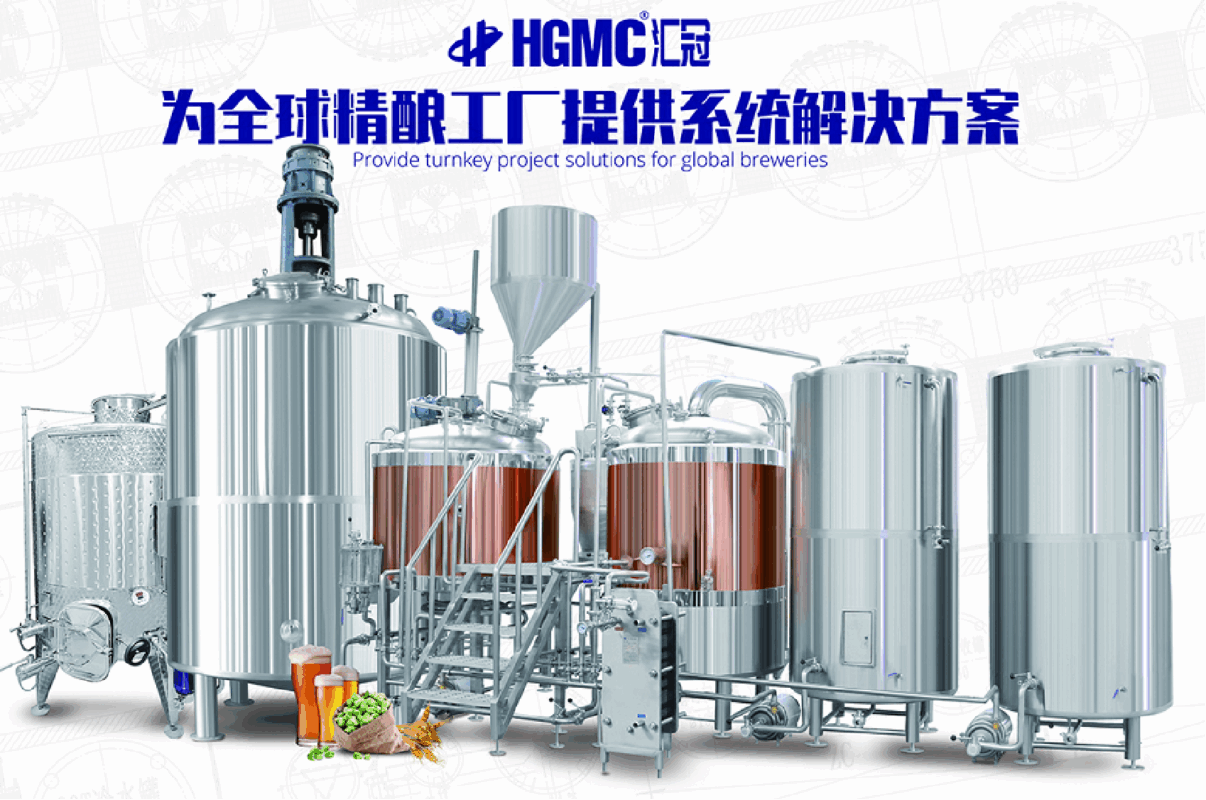
Mash Tun: Where milled grain meets hot water to convert starches into fermentable sugars. Modern designs incorporate:
- Insulated vessels with precision temperature control (±0.5°C)
- Rake or knife-blade agitation systems for uniform mixing
- Capacity sized to batch requirements (typically 1.2-1.3x finished batch volume)
Lauter Tun: Separates sweet wort from spent grain. Advanced features include:
- False bottom with optimal slot width (0.7-1.0mm) for clarity without stuck sparges
- Variable-speed rake systems with differential control
- Grant integration for wort recirculation
Brew Kettle: Boils wort, extracts hop character, and drives off volatiles. Key specifications:
- Heating capacity: 1-1.2°C per minute ramp rate
- Energy sources: direct fire, steam jackets, or electric elements
- Evaporation rate: 8-12% per hour (optimizable via vapor condenser)
Whirlpool: Separates trub (hot break material) through tangential flow. Premium designs include:
- Integrated hop back functionality
- Tangential inlet design for optimal vortex formation
- Cone bottom geometry (60-70° angle) for effective sediment concentration
Fermentation and Conditioning Equipment
Fermentation Vessels (FVs): Where yeast transforms wort into beer. Critical specifications:
- Pressure rating: 15-30 PSI for standard ales; 45-60 PSI for lager/high-gravity beers
- Cooling jackets: glycol-fed with 3-4 zones for precise temperature gradients
- Cone angle: 60-70° for effective yeast harvesting
- Material: 304 or 316 stainless steel (316 preferred for corrosion resistance)
Bright Beer Tanks (BBTs): Final conditioning and carbonation. Features include:
- Carbonation stones (0.5-2 micron porosity)
- Pressure-rated sampling ports
- CIP spray balls (360° coverage)
Glycol Chilling Systems: Maintain fermentation temperatures with precision:
- Tonnage calculation: 1 ton per 10 BBL of active fermentation
- Glycol concentration: 25-30% for optimal heat transfer and freeze protection
- VFD (variable frequency drive) compressors for energy optimization
Ancillary Systems
CIP Systems: Automated cleaning delivers consistency and labor savings:
- Three-tank configuration (caustic, acid, sanitizer) for complete programs
- Flow rate targets: 0.5-0.8 GPM per square foot of surface area
- Temperature control: 150-180°F for caustic cycles
Heat Recovery Systems: Capture energy from wort cooling:
- Hot liquor generation: recover 60-80% of wort cooling energy
- Payback period: 12-24 months in commercial operations
Control Systems: SCADA/PLC integration enables:
- Recipe management and repeatability
- Real-time monitoring and data logging
- Remote access and troubleshooting
Innovative Technologies in Brewery Equipment: Automation and Sustainability
Automation and Smart Brewing
Brewery equipment automation has evolved from simple temperature controllers to comprehensive Industry 4.0 implementations:
Automated Brew Systems: Reduce manual intervention by 70-90%:
- PLC-controlled valve actuation and pump sequencing
- Recipe-driven automation with parameter logging
- Predictive temperature ramping algorithms
- Labor savings: 30-60% reduction in brew day hours (MBAA Automation Study 2024)
Fermentation Management: IoT-enabled sensors provide:
- Real-time temperature, pressure, and gravity monitoring
- Automated temperature ramping for diacetyl rest and cold crashing
- Predictive maintenance alerts for glycol systems
- Integration with inventory management systems
Data Analytics: Modern brewery equipment generates actionable insights:
- Batch-to-batch consistency tracking (targeting <2% variation in OG, FG)
- Energy consumption profiling by production phase
- OEE (Overall Equipment Effectiveness) calculation and optimization
Sustainability Innovations
Energy Efficiency Technologies:
Heat Recovery Systems: Advanced configurations capture 70-85% of brew day thermal energy (compared to 40-50% for basic systems), per Carbon Trust Brewing Sector Guidelines.
Variable Frequency Drives (VFDs): Reduce motor energy consumption by 20-40% through demand-responsive operation on pumps, compressors, and agitators.
LED Lighting and Smart Controls: Facility-wide implementation reduces lighting energy by 60-75%.
Water Conservation:
Advanced CIP Protocols: Single-use rinse water recovery reduces consumption by 15-25%.
Closed-Loop Cooling: Recirculating systems with plate heat exchangers minimize water waste.
Condensate Recovery: Capture steam condensate for reuse as hot liquor (95°C+), achieving near-zero thermal losses.
Waste Valorization:
Spent Grain Management: Equipment integration with livestock feed programs or anaerobic digestion systems.
Biogas Generation: On-site anaerobic digesters convert brewery waste streams into renewable energy (viable for breweries >20,000 BBL annually).
CO2 Recovery: Capture fermentation CO2 for carbonation and packaging (payback 3-5 years for breweries >10,000 BBL annually, per International Society of Beverage Technologists).
DATA VISUALIZATION SUGGESTION: Sustainability ROI matrix showing investment vs. payback period for various green technologies across brewery sizes.
Leading UK Suppliers of Brewery Equipment: Market Share and Reputation
The UK brewery equipment market features diverse suppliers ranging from domestic fabricators to international manufacturers:
Domestic UK Manufacturers
Market Leaders: Established UK suppliers hold approximately 35-40% market share, offering:
- Rapid after-sales support and spare parts availability
- Customization for UK building codes and utilities
- Competitive pricing on small to mid-size systems (5-30 BBL)
European Suppliers
German and Italian Manufacturers: Command 30-35% market share with:
- Engineering precision and build quality
- Advanced automation integration
- Premium pricing (typically 20-35% above domestic equivalents)
- Notable suppliers include manufacturers with CE certification and ISO 9001 quality systems
Chinese and Asian Manufacturers
Growing Market Presence: Representing 25-30% market share:
- Cost advantages: 30-50% lower than European equivalents
- Improving quality standards (ASME, CE certification increasingly common)
- Extended lead times (16-24 weeks vs. 8-12 weeks domestic)
- Reputable manufacturers like HGMC demonstrate consistent quality with 3-A sanitary standards and comprehensive warranty programs
Selection Criteria
Quality Certifications: Prioritize suppliers with:
- ASME pressure vessel certification
- CE marking for European compliance
- ISO 9001 quality management systems
- 3-A sanitary standards (for US export potential)
Warranty and Support: Evaluate:
- Standard warranty terms (12-24 months typical)
- Spare parts availability and lead times
- Technical support responsiveness (target <24 hour response time)
- Installation and commissioning services
Track Record: Verify through:
- Reference installations (minimum 3-5 similar-scale projects)
- Brewery site visits to evaluate equipment performance
- Industry reputation via SIBA, Brewers Association forums
Case Studies: Successful Breweries Using Advanced Equipment
Case Study 1: Urban Microbrewery Efficiency Transformation
Profile: 10 BBL London-based brewery, established 2020
Challenge: Original manual brewhouse required 12 hours per brew with 3-person crew, limiting capacity to 3 brews weekly (1,200 BBL annually).
Solution: 2024 upgrade to semi-automated brewhouse with:
- PLC-controlled temperature management
- Automated valve sequencing for mashing and lautering
- Integrated CIP with optimized protocols
Results (12-month post-installation):
- Brew time reduced to 7.5 hours with 2-person crew
- Production capacity increased to 5 brews weekly (2,000 BBL annually)
- Labor costs decreased 35% per batch
- Water consumption improved from 5.2:1 to 3.8:1 ratio
- Batch-to-batch consistency improved (gravity variation <1.5%)
- ROI: 28-month payback period
Case Study 2: Regional Brewery Sustainability Initiative
Profile: 30 BBL Yorkshire brewery, established 2015
Challenge: Rising energy costs (£85,000 annually) and environmental compliance pressures.
Solution: Comprehensive efficiency retrofit:
- Wort heat recovery system with hot liquor generation
- VFD installation on all major motors
- Fermentation cellar insulation and glycol system optimization
- LED lighting throughout facility
Results (24-month post-installation):
- Energy consumption reduced 38% (£32,300 annual savings)
- Water usage reduced 28% through heat recovery integration
- Carbon footprint decreased 42% (independently verified)
- Qualified for government sustainability grant (£18,000)
- ROI: 22-month payback period on £60,000 investment
Case Study 3: Startup Brewery Automated Success
Profile: 15 BBL new brewery launch, Scotland, 2024
Challenge: Limited brewing experience, tight labor budget
Solution: Fully automated brewhouse and fermentation monitoring:
- Recipe-driven automation with touchscreen interface
- IoT fermentation sensors with cloud monitoring
- Integrated inventory and production management software
Results (18-month operation):
- Launched successfully with single head brewer
- Achieved 82% brewhouse efficiency within first 6 months
- Eliminated 3 separate contamination events through early detection
- Scaled to 1,800 BBL annual production in year one
- 96% customer satisfaction on consistency metrics

Future Trends in Brewery Equipment: Predictions for 2026 and Beyond
Artificial Intelligence and Machine Learning
Predictive Quality Control: AI algorithms analyze fermentation curves, temperature profiles, and historical data to predict final beer characteristics with 92-95% accuracy, enabling real-time adjustments (emerging technology, early adoption phase).
Predictive Maintenance: Machine learning models analyze vibration, temperature, and performance data to forecast equipment failures 5-10 days in advance, reducing unplanned downtime by 60-75% (per Aberdeen Research Manufacturing Study).
Recipe Optimization: AI-driven systems suggest recipe modifications based on efficiency data, ingredient availability, and consumer preference trends.
Modular and Scalable Equipment Design
Flexible Capacity: Next-generation brewery equipment emphasizes modularity:
- Interchangeable vessel configurations (fermenter to bright tank conversion)
- Stackable systems for vertical space optimization
- Plug-and-play expansion modules with minimal piping modifications
Multi-Purpose Vessels: Hybrid vessels capable of mashing, boiling, fermenting, and conditioning reduce capital requirements for experimental small-batch programs.
Advanced Sustainability Solutions
Closed-Loop Brewing: Emerging systems target 90%+ water recovery through:
- Membrane filtration of CIP water for reuse
- Atmospheric water harvesting in humid climates
- Zero-liquid-discharge (ZLD) systems for challenging locations
Renewable Energy Integration: Equipment designed for:
- Solar thermal heating supplement (20-40% of brew day thermal load)
- Wind/solar electric supply with smart grid integration
- Hydrogen fuel cell backup power (emerging, limited commercial deployment)
Carbon Capture: Fermentation CO2 recovery systems becoming economically viable at smaller scales (8,000-10,000 BBL annually) through equipment cost reductions and improved efficiency.
Digital Twin Technology
Virtual Commissioning: Digital twins enable:
- Pre-installation testing and optimization in virtual environment
- Operator training on virtual systems before equipment arrival
- Scenario planning for capacity expansions and process modifications
- 30-50% reduction in commissioning time and startup issues
Blockchain and Traceability
Supply Chain Transparency: Equipment integration with blockchain-based traceability systems:
- Ingredient provenance tracking (malt, hops, water source)
- Automated compliance documentation for regulatory reporting
- Consumer-facing transparency (QR codes linking to complete production data)
Frequently Asked Questions (FAQ)
What is the minimum investment for commercial brewery equipment?
Entry-level commercial brewery equipment (5 BBL manual brewhouse with 3-4 fermenters) starts at approximately £80,000-£120,000. This includes:
- Mash tun, lauter tun, kettle, whirlpool (often 2-vessel configuration)
- 3-4 fermentation/bright tanks (10 BBL capacity each)
- Basic glycol chilling (2-3 ton)
- Manual CIP capabilities
- Pumps, hoses, and basic fittings
Note: This excludes facility buildout, utilities, installation, packaging equipment, and ancillary systems, which typically add 40-60% to total project costs. SIBA recommendations suggest total project budgets of £150,000-£200,000 for turnkey 5 BBL brewery installations.
How long does brewery equipment last?
With proper maintenance, commercial brewery equipment lifespans are:
Stainless Steel Vessels: 20-30+ years (mash tuns, kettles, fermenters, bright tanks)
Glycol Chillers: 15-20 years (compressor replacement typically required at 10-12 years)
Pumps: 10-15 years (seal replacement every 3-5 years)
Heat Exchangers: 15-20 years (dependent on water quality and CIP protocols)
Control Systems: 7-10 years (technology obsolescence drives replacement more than mechanical failure)
Per Brewers Association Equipment Management Guidelines, establishing preventive maintenance schedules extends equipment life 30-40% beyond industry averages.
What certifications should I look for in brewery equipment?
Essential certifications include:
ASME (American Society of Mechanical Engineers): Pressure vessel certification for fermenters, bright tanks, and pressurized kettles. Required in many jurisdictions and provides confidence in structural integrity.
CE Marking: European compliance for electrical safety, electromagnetic compatibility, and pressure equipment directives. Essential for UK/EU installations.
3-A Sanitary Standards: Sanitary design certification ensuring cleanability and hygiene (particularly important if considering US exports).
ISO 9001: Quality management system certification indicating consistent manufacturing processes.
UL/CSA Electrical: Electrical component safety certification for control panels and powered equipment.
Should I choose manual, semi-automated, or fully automated brewery equipment?
The decision depends on multiple factors:
Manual Equipment – Best for:
- Budgets under £150,000
- Brewers who value hands-on control
- Operations with readily available skilled labor
- Experimental/R&D focused brewing
- Typical labor: 10-14 hours per brew (2-3 person crew)
Semi-Automated Equipment – Best for:
- Budgets £150,000-£400,000
- Balancing consistency with flexibility
- 2-5 brews per week production schedules
- Small commercial breweries scaling up
- Typical labor: 6-8 hours per brew (2 person crew)
Fully Automated Equipment – Best for:
- Budgets >£400,000
- Maximum consistency and repeatability requirements
- Limited skilled labor availability
- 4+ brews per week production schedules
- Typical labor: 4-6 hours per brew (1-2 person crew)
ROI consideration: Automation premium typically pays back in 24-40 months through labor savings, according to MBAA brewery automation studies.
How do I calculate the right brewhouse size for my business?
Follow this systematic approach:
Step 1 – Determine Annual Production Target: Set realistic 3-year goals (e.g., 2,000 BBL annually)
Step 2 – Calculate Weekly Production: Divide annual target by 48 working weeks (allowing for maintenance/holidays): 2,000 ÷ 48 = 41.7 BBL weekly
Step 3 – Determine Brew Frequency: Decide realistic brew days per week (e.g., 4 brews weekly)
Step 4 – Calculate Brewhouse Size: Weekly production ÷ brews per week = 41.7 ÷ 4 = 10.4 BBL (round to standard size: 10 or 15 BBL)
Step 5 – Size Fermentation: Apply 3:1 to 4:1 fermentation ratio: 10 BBL brewhouse requires 30-40 BBL total fermentation capacity
Example: For 2,000 BBL annually, a 10 BBL brewhouse with 4 x 10 BBL fermenters provides appropriate capacity with growth headroom.
Important: Build in 20-30% capacity buffer for market growth. Per Brewers Association capacity planning guidelines, under-sizing is the most common and costly brewery planning mistake.
What are the ongoing maintenance costs for brewery equipment?
Annual maintenance costs typically represent 4-8% of equipment capital value:
Preventive Maintenance: 2-3% annually
- Gasket and seal replacements
- Valve rebuilds
- Pump maintenance
- CIP chemical costs
- Glycol replenishment
Corrective Maintenance: 2-5% annually (varies with equipment age and usage intensity)
- Unscheduled repairs
- Component replacements
- Emergency service calls
Example: £300,000 equipment investment requires £12,000-£24,000 annual maintenance budget.
Cost reduction strategies per ASBC brewery operations manual:
- Implement preventive maintenance schedules (reduces corrective costs 40-60%)
- Maintain spare parts inventory for critical components
- Train staff on routine maintenance procedures
- Establish relationships with local service providers
- Document and analyze failure patterns for proactive improvements
Is it better to buy new or used brewery equipment?
Each option has distinct trade-offs:
New Equipment Advantages:
- Full warranty coverage (typically 12-24 months)
- Latest technology and efficiency features
- Customization to exact specifications
- Predictable lead times
- Higher resale value
- 25-35% better energy efficiency than equipment >10 years old
Used Equipment Advantages:
- 40-60% cost savings vs. new equivalent
- Immediate availability (no manufacturing lead time)
- Proven performance history
- Suitable for startups with limited capital
Used Equipment Risks:
- No warranty or limited warranty
- Hidden damage or wear
- Obsolete technology
- Unknown maintenance history
- Potential code compliance issues
- Higher long-term operating costs
Recommendation: New equipment for core brewhouse and fermentation; consider quality used equipment for ancillary systems (pumps, heat exchangers, kegging lines) where risk is lower. Always conduct thorough inspection and pressure testing before purchasing used vessels.
How important is supplier location when choosing brewery equipment?
Supplier location significantly impacts:
Service Response: Local suppliers (UK-based) provide same-day or next-day service calls vs. international suppliers requiring remote troubleshooting or 2-3 day response times.
Shipping Costs and Lead Times:
- UK supplier: £3,000-£8,000 shipping, 8-12 week lead times
- European supplier: £6,000-£15,000 shipping, 12-16 week lead times
- Asian supplier: £10,000-£25,000 shipping, 18-26 week lead times
Installation Support: Local suppliers often include installation/commissioning vs. international suppliers charging premium rates for travel time.
Communication: Time zone and language barriers can complicate technical discussions and troubleshooting.
Spare Parts: Domestic suppliers stock common wear parts locally vs. international orders requiring 2-6 weeks shipping.
Recommendation: Evaluate total value rather than purchase price alone. Premium for local support often justified for core production equipment; consider international suppliers for commodity items where support needs are minimal.
Conclusion: Making Informed Brewery Equipment Decisions
Selecting brewery equipment represents one of the most significant and long-lasting decisions in brewery development. Success requires balancing immediate budget constraints with long-term operational efficiency, scalability, and sustainability goals.
Key takeaways for brewery equipment selection:
- Right-size capacity using the 3:1 to 4:1 fermentation ratio and conservative production forecasting with 20-30% growth buffer
- Prioritize efficiency metrics including brewhouse efficiency (target 75-85%), water-to-beer ratios (target 3.0-3.5:1), and energy consumption (15-25 kWh per hectoliter)
- Evaluate total cost of ownership over 10-15 years rather than focusing solely on capital costs; premium equipment often delivers superior ROI through operational savings
- Invest in automation aligned with production volume and labor availability; automation premiums typically pay back in 24-40 months
- Embrace sustainability through heat recovery, water conservation, and energy efficiency technologies that reduce costs while meeting environmental obligations
- Select reputable suppliers with appropriate certifications (ASME, CE, ISO 9001), proven track records, and responsive support infrastructure
- Plan for future trends including IoT integration, predictive maintenance capabilities, and modular expansion potential
The UK craft beer market continues to reward breweries that combine brewing artistry with operational excellence enabled by thoughtfully selected brewery equipment. By applying the frameworks and insights in this guide, brewery owners can make confident equipment decisions that support sustainable growth and competitive advantage throughout the dynamic landscape of 2026 and beyond.
