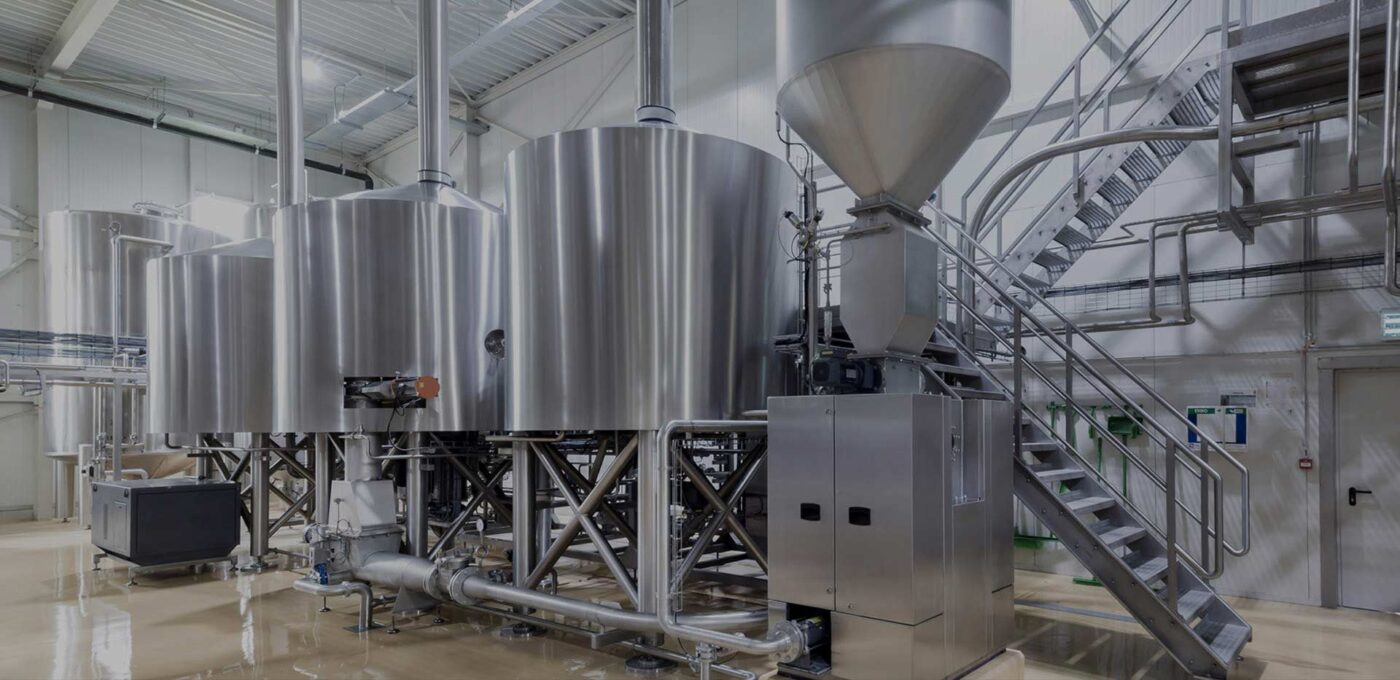
The beer market is more competitive—and more quality-driven—than ever. For brewery owners, the difference between “good beer” and “great beer at scale” often comes down to process control, repeatability, sanitation, and packaging consistency. Those outcomes are ultimately determined by one thing: the right beer production equipment, sized and configured for your production goals.
John P. Smith, who’s a big name in brewing tech at BrewTech Solutions, puts it simply: “Quality equipment is the backbone of any successful brewery.” And honestly, he’s spot on. Picking the right tanks, fermentation vessels, and filtration systems isn’t just about buying stuff — it’s about setting yourself up for success. As your production ramps up, having the right, more advanced Beer Production Equipment becomes even more crucial. It’s not just about how your beer tastes, but also how smoothly your whole operation runs.
Buying the right gear isn’t something to rush into, though. There’s a lot to consider — costs, maintenance needs, the tech behind it all. Making a bad choice could end up wasting a lot of time and resources. So, doing your homework and getting advice from experts is pretty much a must for any serious brewmaster. This industry moves fast, and having the right Beer Production Equipment can make a huge difference in crafting truly exceptional beers.
In the U.S., overall beer production and imports fell 1% in 2024, while craft volume sales declined by 4%—yet craft retail dollar sales still increased 3% to $28.8B, underscoring that breweries are fighting harder for shelf and tap space while customers continue to pay for quality and brand value.[1] In parallel, market researchers forecast continued global growth for craft beer over the next several years (though estimates differ by firm), which keeps demand high for reliable brewhouse, cellar, and packaging solutions.[2]
1) The Core Beer Production Process (and Why Equipment Choice Matters)
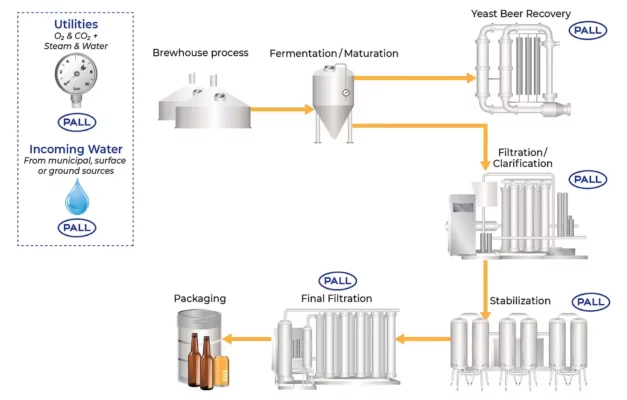
Most modern breweries follow the same basic production arc:
- Milling (crushing malt)
- Mashing & lautering (extracting fermentable sugars)
- Boiling (sterilization + hop utilization)
- Whirlpool (trub separation)
- Wort cooling & oxygenation
- Fermentation
- Conditioning/bright beer
- Filtration (optional)
- Packaging (kegs/cans/bottles)
- Cleaning & sanitation (CIP) throughout
At each step, equipment influences:
- Consistency (tight control of temperature, pressure, oxygen pickup)
- Yield (extract efficiency, losses in transfer/filtration/packaging)
- Microbiological stability (cleanability, dead-legs, hygienic design)
- Labor cost (automation level, CIP integration, changeover time)
- Scalability (headspace, future tanks, utility margins)
2) Essential Beer Production Equipment (What You Need and What It Does)
Below is a practical “must-know” list of major equipment categories.
A) Malt Handling & Milling System
Purpose: Convert whole malt into a consistent grist to maximize extraction while avoiding stuck sparges.
Key equipment: malt hopper, auger/vacuum transfer, malt mill (2-roller or 4-roller), grist case (optional).
What to optimize:
- Roller gap adjustment and repeatability
- Dust management (safety + housekeeping)
- Throughput sized to brew length and brew frequency
Why it matters: A poorly tuned mill can cause low efficiency, slow lautering, and flavor issues from over-shredding husks.
B) Mash Tun / Mash Mixer
Purpose: Mix grist and hot liquor to activate enzymes that convert starches to sugars.
Temperature control is crucial. Professional references commonly describe mash temperatures in the mid-60s °C for many beer styles. For example, Crisp Malt notes mash temperatures are generally 63–68°C.[3] Educational brewing references also explain how enzyme activity changes across mash temperature ranges, impacting fermentability and body.[4]
What to optimize:
- Agitation/mixing (avoid dough balls)
- Jacket heating and insulation
- Accurate temperature measurement
- False bottom design and wort collection
C) Lauter Tun (or Combined Mash/Lauter Tun)
Purpose: Separate sweet wort from spent grain while maintaining run-off clarity and efficiency.
Key considerations:
- Bed depth and rake design (for larger systems)
- Runoff control and pressure drop monitoring
- CIP spray coverage and cleanability
Common decision: Smaller systems often use a combined mash/lauter. Larger, high-throughput breweries may prefer a dedicated lauter tun for better cycle time.
D) Brewhouse Kettle (Boil Kettle)
Purpose: Sterilize wort, drive off unwanted volatiles, achieve hop bitterness/aroma, and coagulate proteins (hot break).
What to optimize:
- Heating method (steam, direct fire, electric)
- Boil vigor and evaporation rate
- Whirlpool integration (internal/external)
- Condensate stack/venting and energy recovery options
E) Whirlpool / Trub Separation
Purpose: Remove solids (trub/hop material) to protect downstream equipment and improve beer stability.
Options:
- Separate whirlpool vessel
- Kettle whirlpool function (common in smaller systems)
Why it matters: Cleaner wort improves fermentation performance and reduces fouling in plate heat exchangers.
F) Wort Cooling System (Heat Exchanger)
Purpose: Rapidly cool hot wort to fermentation temperature to reduce contamination risk and avoid off-flavors.
Common solution: Plate heat exchanger.
What to optimize:
- Sufficient surface area for target knockout temp
- Easy disassembly or robust CIP plan
- Flow control and temperature stability
G) Fermentation Tanks (Unitanks or Dedicated Fermenters)
Purpose: Convert sugars to alcohol and CO₂ under controlled temperature and pressure.
What to optimize:
- Material (typically 304/316 stainless steel)
- Jacket zoning (better temperature control)
- Pressure rating (spunding, carbonation, closed transfer)
- Hygienic fittings, valves, and sample ports
Market reality: According to the Brewers Association, U.S. craft brewers produced 23.1 million barrels in 2024 (down 3.9% vs. 2023). In that environment, efficient fermentation capacity utilization becomes a competitive advantage.[5]
H) Bright Beer Tanks (BBTs) / Conditioning Tanks
Purpose: Clarify, carbonate, and stabilize beer before packaging.
What to optimize:
- Pressure rating for carbonation
- Stone location and carbonation speed
- DO pickup prevention (purging, closed transfers)
- Temperature stability
I) Filtration System (Optional)
Purpose: Improve clarity and shelf stability; can also support certain brand styles or distribution demands.
Options include:
- Centrifuge
- Sheet or lenticular filtration
- Membrane filtration (higher capex; strong microbiological control when properly managed)
Trade-off: Filtration improves clarity but adds complexity, losses, and additional sanitation discipline.
J) Packaging Line (Kegging / Canning / Bottling)
Purpose: Put beer into the final package with minimal oxygen pickup and consistent fill/closure.
Key KPI: dissolved oxygen (DO) control and seam/crown quality.
Packaging systems may include:
- Keg washer/filler
- Can rinser, filler, seamer
- Bottle rinser, filler, crown/capper
- Pasteurization (some segments; not universal in craft)
Why it matters: Many “mystery” flavor stability problems are actually packaging oxygen or poor seam integrity.
K) CIP System (Clean-In-Place) + Utilities
Purpose: Reliable sanitation at scale. No CIP discipline, no consistent beer.
Typical components:
- Caustic/acid tanks
- Heat and recirculation pumps
- Return lines, sprayballs, flow meters
- (Optional) automated CIP skid with recipes and data logging
Utilities you must plan early:
- Steam or hot water generation
- Glycol chiller capacity
- Compressed air (for valves and packaging)
- Water treatment (filtration, carbon, RO depending on needs)
- Wastewater management
3) How to Choose Beer Production Equipment (Buyer’s Checklist)
Step 1: Define Your Production Targets
- Target annual volume (HL or bbl)
- Packaging mix (% draft vs. packaged)
- Number of SKUs and changeover frequency
- Expansion plan (12–36 months)
Step 2: Size the “Bottlenecks” First
Common bottlenecks:
- Fermentation capacity
- Cold-side (bright tank + packaging time)
- Utility limits (glycol tonnage, steam, electrical)
Step 3: Prioritize Hygienic Design
Look for:
- Sanitary welds and finishes
- Minimal dead legs
- Full-drainability where possible
- Food-grade gaskets and fittings
- CIP coverage validation approach
Step 4: Decide Your Automation Level
Automation pays off when:
- You run frequent brews
- You have limited skilled labor
- You require traceability (recipes, temps, CIP logs)
Even partial automation (temperature control, VFD pumps, inline sensors) can substantially reduce variance.
Step 5: Evaluate Total Cost of Ownership (TCO)
Beyond sticker price, include:
- Installation and commissioning
- Utilities (steam/glycol/electric)
- CIP chemical usage
- Spare parts lead times
- Service support and training
- Yield losses (especially packaging)
4) Common Mistakes Brewery Owners Make When Buying Equipment
- Under-sizing fermentation and cold-side tanks (packaging becomes a constant fire drill).
- Ignoring cleanability details (sanitation becomes labor-heavy and inconsistent).
- Buying a packaging line without DO/seam/crown validation plan.
- Not planning utilities with margin (glycol/steam capacity becomes the real limiter).
- Choosing based on capex only instead of throughput + yield + labor + downtime.
5)FAQ (Q&A) — Beer Production Equipment
Q1: What is the most important piece of beer production equipment?
Fermentation tanks are often the most critical because fermentation is where flavor, consistency, and throughput converge. Even a great brewhouse cannot compensate for poor temperature control, inadequate pressure rating, or hard-to-clean fermenters.
Q2: Do I need filtration equipment for a successful brewery?
Not always. Many breweries produce excellent unfiltered beer. Filtration can improve clarity and shelf stability, but it adds cost and operational complexity. The decision should be driven by your style targets, distribution channel, and stability requirements.
Q3: What mash tun temperature range is typical?
Mash temperature depends on beer style and target fermentability, but professional references commonly cite mash temperatures around the mid-60s °C. Crisp Malt notes mash temperatures are generally 63–68°C.[3] Brewing education sources also explain that enzyme activity changes across temperature ranges, impacting body and dryness.[4]
Q4: Why is a wort cooling system so important?
Fast, controlled cooling reduces contamination risk and prevents the formation of certain off-flavors. A properly sized heat exchanger also improves brew cycle time and protects fermentation performance.
Q5: What market data supports investing in high-quality brewing equipment?
Even in a tougher environment, quality and brand strength matter. In the U.S., the Brewers Association reports that craft beer retail dollar sales increased to $28.8 billion in 2024 even as craft volume declined, indicating continued willingness to pay for differentiated offerings.[1] On the global side, market research firms project continued growth in craft beer over the coming years (with varying CAGR estimates), supporting ongoing investment in reliable production capacity.[2]
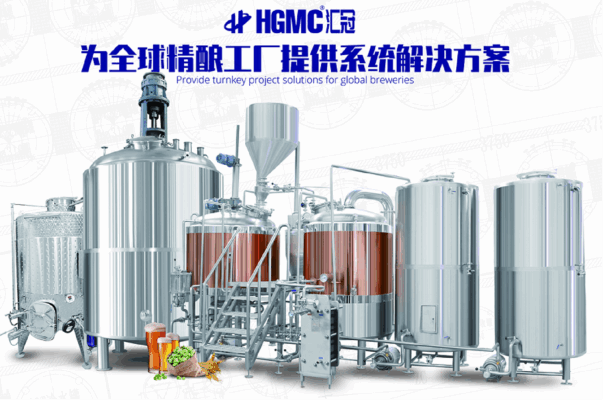
Conclusion: Build for Consistency, Not Just Capacity
Beer production equipment is not just a set of stainless-steel vessels—it’s the physical system that determines whether your brewery can deliver the same beer every time, whether you can scale without quality drift, and whether your packaging holds up in real distribution.
If your goal is long-term growth, the best approach is to:
- design around sanitation and repeatability,
- size equipment to eliminate bottlenecks,
- protect flavor through oxygen control and temperature stability,
- and plan utilities and automation so expansion doesn’t require a full rebuild.
With a well-designed brewhouse, cellar, and packaging setup, breweries can compete on what matters most: consistent quality and a reliable customer experience.
