
The morning shift at a small craft brewery starts the same way: checking which tanks are free, which beers are ready to transfer, and whether the next batch of wort has anywhere to go. When fermentation tanks are mismatched to batch size or layout, that morning check turns into a puzzle. Wort backs up, cleaning becomes a bottleneck, and beer quality suffers because fermentation schedules drift.
A fermentation tank is not just a vessel that holds beer while yeast does its work. It shapes the flavor, the aroma, the clarity, and the daily rhythm of the entire brewery. The design, sizing, and arrangement of these tanks determine whether a cellar runs smoothly or creates constant friction.
Why Fermentation Tanks Matter in Craft Brewing
A brewery that cannot keep up with demand often blames the brewhouse or the packaging line first. But the real bottleneck is frequently in the cellar. When wort is ready but no fermentation tank is free, the entire production schedule stalls. That is not a capacity problem in the traditional sense — it is a tank turnover problem.
Fermentation tanks directly affect beer quality because that is where wort becomes beer. Yeast behavior, temperature stability, pressure management, and trub settling all depend on the tank design. A tank with poor cooling jacket coverage can cause temperature swings that stress yeast and produce off-flavors. A tank with a shallow cone angle leaves yeast and sediment sitting too long, which can affect clarity and flavor consistency.
Craft breweries typically operate with three to ten fermentation tanks depending on production volume. A small brewery making 500 barrels a year might get by with four tanks. A regional brewery producing 10,000 barrels may need fifteen or more. But the number alone does not tell the full story. The relationship between tank count, batch size, and fermentation schedule matters more than raw volume.
The operational reality is that most craft breweries work with limited space and changing recipes. A tank farm designed for two core beers and one seasonal will struggle when the brewery adds a hazy IPA, a lager, and a barrel-aged stout to the rotation. Each style demands different fermentation temperatures, different durations, and different cleaning protocols between batches. The tank must support that flexibility, not fight it.
Key Design Features of Craft Fermentation Tanks
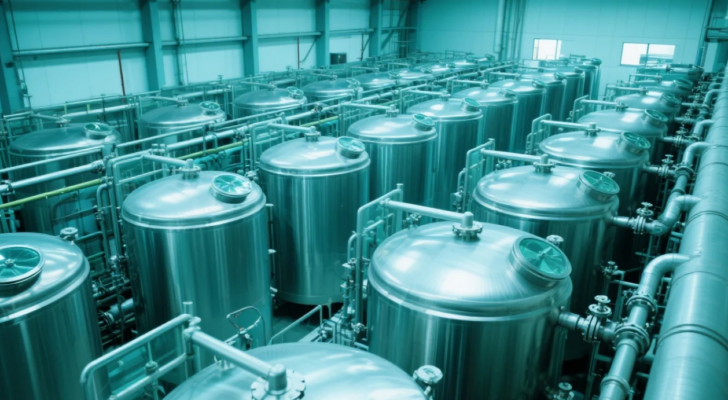
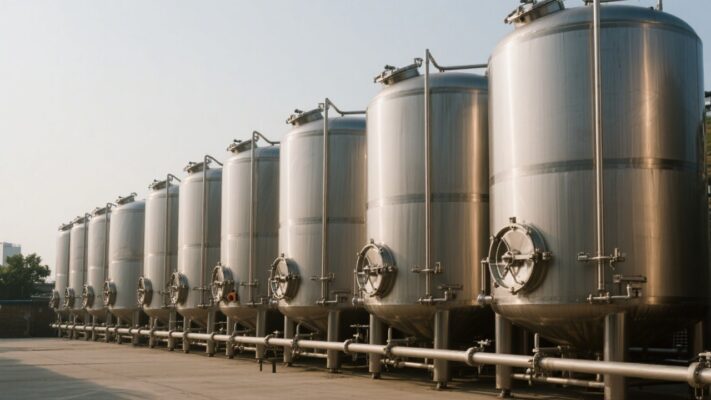
Not all fermentation tanks are built the same way, and the differences matter most during daily use. The most common shape in craft brewing is the cylindroconical tank, and for good reason. The cone allows yeast and sediment to settle and be removed without transferring the beer. The cylindrical body provides consistent pressure distribution and efficient use of floor space.
Make sure the tank volume matches the actual batch size coming from the brewhouse. A 30-barrel tank used for 15-barrel batches wastes headspace and cooling capacity. A 15-barrel tank used for 14-barrel batches leaves almost no room for krausen and risks blowoff losses. Most craft breweries select tanks with a height-to-diameter ratio between 2:1 and 3:1 for efficient yeast management. A taller tank helps with yeast settling but may not fit under standard ceiling heights in older buildings.
Cooling performance is where many tank designs fall short. A fermentation tank needs enough cooling jacket surface area to handle the heat generated during active fermentation. A single jacket may work for a 7-barrel tank, but a 20-barrel tank typically needs two or three zones. The insulation thickness also matters — poorly insulated tanks cause temperature stratification and increase cooling costs.
Access and fittings are often overlooked until a brewery starts rotating beer styles frequently. Sample valves should be positioned at multiple heights so the brewer can check clarity, gravity, and yeast activity without climbing. Manways need to be large enough for a person to enter for inspection and cleaning. Ports for dry hopping should be placed where hops can be added without opening the main manway. A tank that is awkward to operate slows down the whole cellar.
How Tank Choice Affects Brewery Workflow
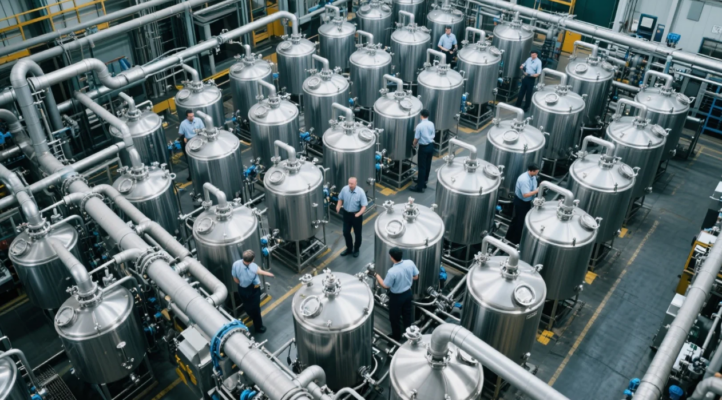
A well-planned tank farm creates a steady fermentation rhythm. The brewhouse produces wort, the wort goes into a clean tank, fermentation proceeds on schedule, the beer transfers to bright tanks or packaging, and the fermentation tank gets cleaned and prepared for the next batch. When this cycle runs smoothly, a brewery can predict when each beer will be ready.
Mismatched tanks break that rhythm. A common failure happens when a brewery expands production by adding a larger brewhouse but keeps the same fermentation tanks. The brewhouse can now produce wort faster, but the tanks still need the same amount of time for fermentation and conditioning. Wort backs up, and the brewhouse sits idle waiting for tank space. This is not a theoretical problem — it happens regularly when breweries focus on brewhouse capacity without planning tank turnover.
A well-planned tank farm can reduce fermentation turnaround time by 15–20% compared to an ad hoc arrangement. That improvement comes from having the right number of tanks for the brewing schedule, placing tanks so transfer connections are short and direct, and designing the cellar layout so cleaning and sampling do not require moving equipment or climbing over other tanks.
Beer variety adds another layer of complexity. Core beers need consistent tank allocation. Seasonal and experimental batches need flexible scheduling. A brewery that produces both ales and lagers needs tanks that can hold beer for weeks without tying up the entire cellar. The tradeoff is that expanding capacity without planning tank turnover often leads to bottlenecks that no amount of scheduling can fix.
Operational comfort matters more than most brewers admit. If valves are hard to reach, sample ports are in awkward positions, and transfer connections require long hoses, the cellar team will take shortcuts. Those shortcuts lead to contamination, oxidation, and inconsistent beer. A tank farm that is easy to work in is not a luxury — it is a quality control tool.
Matching Tank Size and Features to Your Brewery
Small craft breweries need tanks that support flexible production and fit into limited space. A 7-barrel or 10-barrel tank is common for breweries producing under 1,000 barrels per year. These tanks should be easy to clean, have good access for dry hopping, and fit through standard doorways. The goal is not to buy the largest tank possible but to choose tanks that match the actual brewing model.
Growing regional breweries face a different set of challenges. They need more tank count to balance flagship and seasonal beers. A 15-barrel or 20-barrel tank allows for reasonable batch sizes while keeping the cellar manageable. Many regional breweries aim for a tank-to-brewhouse ratio of 1.5:1 to 2:1. For example, a brewery that brews three batches per week typically needs five to six fermentation tanks to maintain a steady schedule. That ratio accounts for fermentation time, conditioning, cleaning, and the occasional delay.
Larger craft operations need a tank farm that handles variety while maintaining consistent cleaning and sanitation. A 30-barrel or 40-barrel tank is common, but the key is having enough tanks to separate beer styles and prevent scheduling conflicts. Expansion plans should include space for additional tanks, not just larger ones.
The most common mistake is buying tanks that are too large for the current production volume. A brewery that fills a 20-barrel tank with 10 barrels of wort every time wastes energy, cooling capacity, and floor space. The headspace also increases oxygen exposure, which can affect beer stability. It is better to have more smaller tanks than fewer larger ones, especially for breweries that produce multiple beer styles.
Cleaning ease is often overlooked until a brewery starts rotating beer styles frequently. A tank with poor access, rough internal welds, or inadequate drainage will cause delays every time it needs to be cleaned. In a busy cellar, those delays add up. Smooth internal surfaces, properly positioned spray balls, and reliable drainage are not optional features — they determine how quickly the brewery can move between batches.
FAQ
What is the most common shape for craft fermentation tanks?
Cylindroconical tanks are the standard in craft brewing. The cylindrical body provides structural strength and efficient space use, while the cone allows yeast and sediment to settle and be removed without transferring the beer. Most craft breweries use tanks with a cone angle between 60 and 75 degrees for optimal yeast collection.
How many fermentation tanks does a small brewery need?
A small brewery producing 500 to 1,000 barrels per year typically needs four to six fermentation tanks. The exact number depends on the brewing schedule and the types of beer produced. Breweries that make lagers or other beers requiring long conditioning times need more tanks than breweries that focus on quick-turnaround ales.
Can I use the same tank for different beer styles?
Yes, but the tank must be thoroughly cleaned and sanitized between styles. Some flavors and aromas can carry over if the tank is not properly cleaned, especially from heavily hopped beers to delicate styles. Breweries that rotate beer styles frequently should plan for longer cleaning cycles between batches.
How important is the cooling system on a fermentation tank?
The cooling system is critical for consistent fermentation. Temperature swings during active fermentation can stress yeast and produce off-flavors. A tank with multiple cooling zones and adequate jacket surface area provides better temperature control than a single-zone design. Insulation quality also matters — poorly insulated tanks are harder to control and cost more to operate.
How often should fermentation tanks be cleaned?
Fermentation tanks should be cleaned after every batch. A standard cleaning cycle includes a rinse, caustic wash, acid rinse, and sanitizer. The entire process typically takes 60 to 90 minutes for a well-designed tank. Tanks that are difficult to clean or have poor drainage will take longer, which reduces the overall tank utilization rate.
