

Meta Description: Discover comprehensive craft brewery equipment and winery equipment solutions from HGMC. Expert guide covering fermentation systems, storage tanks, ROI analysis, and complete turnkey solutions for craft breweries, wineries, and cideries. 23+ years of manufacturing excellence.
Introduction: The Evolution of Craft Beverage Production Equipment
The craft beverage industry has experienced remarkable growth over the past decade, with the global craft beer market valued at $154.6 billion in 2023 and projected to reach $273.5 billion by 2030 (Grand View Research, 2024). Similarly, the wine and cider equipment market has expanded significantly, driven by increasing consumer demand for artisanal and locally-produced beverages.
For entrepreneurs and established producers alike, selecting the right equipment partner is critical to long-term success. HGMC stands as a global leader in the design and manufacture of premium equipment for the production of wine, beer, cider, and fruit wine. With 23 years of experience in craft brewery and winery equipment design, manufacturing, and installation, HGMC’s commitment to quality, precision, and innovation ensures that every piece of equipment meets the highest industry standards including ASME, CE, ISO 9001, and 3-A certifications.
This comprehensive guide explores the essential equipment systems, selection criteria, ROI considerations, and industry best practices for establishing or expanding craft beverage production facilities in 2026.
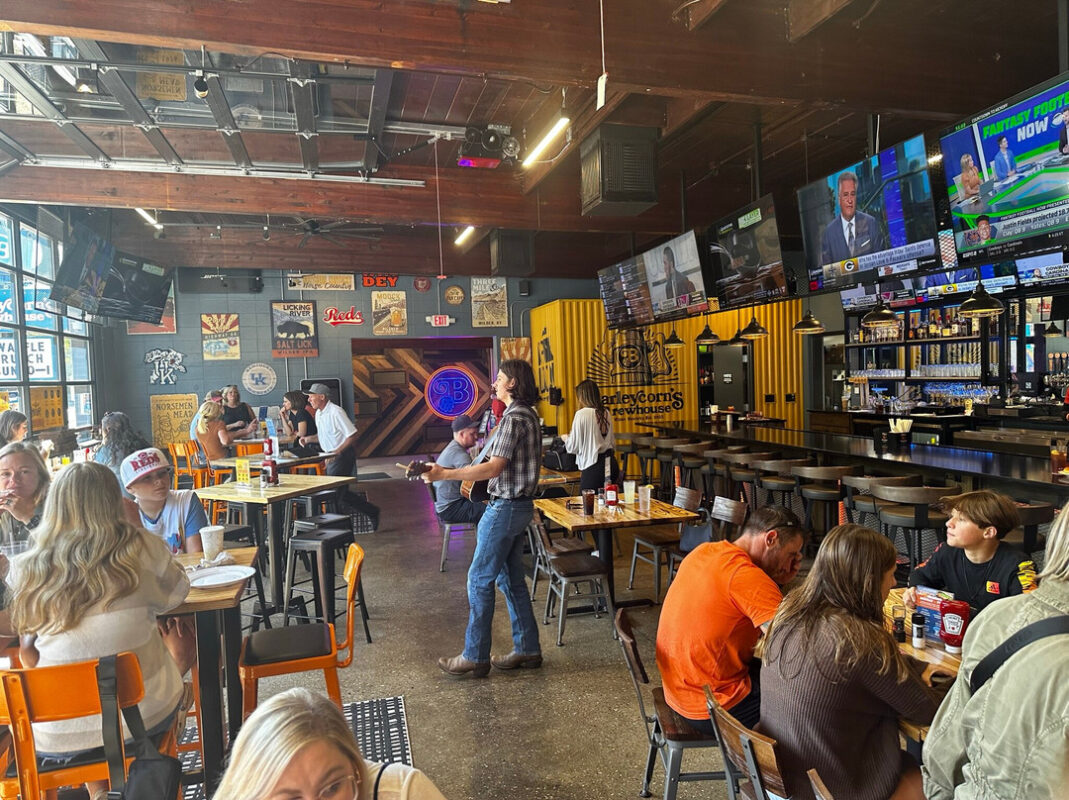
Understanding the Craft Brewery & Winery Equipment Landscape
Market Trends and Investment Drivers
According to the Brewers Association 2024 report, there are over 9,500 craft breweries operating in the United States alone, with similar growth patterns observed globally. The craft winery sector has seen parallel expansion, with the American Society for Enology and Viticulture (ASEV) reporting a 15% increase in small-scale winery operations between 2020 and 2024.
Key investment drivers include:
- Consumer preference shift toward premium, locally-sourced beverages
- Technology advancement in fermentation control and automation
- Sustainability requirements demanding energy-efficient equipment
- Quality standards necessitating precision-engineered systems
Comprehensive Equipment Solutions: From Business Plan to Production
1. Business Plan to Brewing: Strategic Planning Services
HGMC provides complete business planning services to establish a craft brewery or winery from scratch. Our comprehensive approach includes:
Capacity Planning: Using industry-standard formulas, we calculate optimal production volumes. For craft breweries, the typical fermentation vessel (FV) to brewhouse ratio is 3:1 to 4:1, meaning a 10-barrel brewhouse requires 30-40 barrels of fermentation capacity for efficient batch rotation.
Financial Modeling: Average craft brewery equipment investment ranges from $500,000 for a 7-barrel system to $2.5 million for a 30-barrel system (Craft Brewing Business, 2024). Our ROI analysis shows typical payback periods of 24-36 months for well-planned operations.
Regulatory Compliance: We ensure all equipment meets local and international standards including FDA FSMA requirements, TTB regulations (for US operations), and EU food safety directives.
2. Customized Solution Proposals
Every craft beverage operation has unique requirements based on:
- Production volume goals (annual barrel or hectoliter targets)
- Product portfolio (number of SKUs, seasonal releases, specialty batches)
- Site constraints (floor space, ceiling height, utilities availability)
- Budget parameters (capital investment limits, financing options)
- Growth trajectory (expansion plans, scalability requirements)
HGMC designs cost-effective equipment solution proposals tailored to these variables. For example, a 15-barrel craft brewery targeting 1,500 barrels annual production requires approximately:
- Brewhouse system: 15 BBL (mash tun, lauter tun, kettle, whirlpool)
- Fermentation tanks: 6-8 vessels × 15-30 BBL capacity
- Bright beer tanks: 3-4 vessels × 15-30 BBL capacity
- Glycol chilling system: 15-20 ton capacity
- CIP (Clean-in-Place) system: 2-vessel configuration
Total investment estimate: $850,000 – $1,200,000 including installation.
3. Design/Build/Install Turnkey Solutions
With 23 years of specialized experience, HGMC offers complete design-build-install services:
Design Phase (4-8 weeks):
- 3D facility layout using AutoCAD and SolidWorks
- Process flow optimization
- Utility requirement calculations (electrical, water, steam, glycol)
- Equipment specification and P&ID diagrams
Manufacturing Phase (12-16 weeks):
- Stainless steel fabrication (304 or 316L grade)
- Pressure vessel certification (ASME U-stamp where required)
- PLC/SCADA control system integration
- Factory acceptance testing (FAT)
Installation Phase (4-8 weeks):
- On-site equipment placement and piping
- Control system commissioning
- Operator training and documentation
- Site acceptance testing (SAT)
Core Equipment Systems for Craft Breweries and Wineries
System 1: Raw Material Handling Equipment
Efficient raw material processing is the foundation of quality beverage production.
For Wineries and Cideries:
- Cleaning machines: Remove field debris and contaminants
- Scraper elevators: Gentle fruit transport minimizing bruising
- De-stemming and crushing machines: Adjustable gap settings (2-6mm) for different fruit varieties
- Juicers and pulpers: Pneumatic or hydraulic press systems achieving 65-75% juice extraction rates
For Craft Breweries:
- Malt handling systems: Pneumatic conveyors, silo storage, automated milling
- Grist case and mills: Two-roller or four-roller mills with adjustable gap (0.8-1.2mm)
- Hot liquor tanks (HLT): Typically sized at 1.5× brewhouse volume
Performance Metrics: Modern raw material handling systems reduce processing time by 40-50% compared to manual methods and minimize product loss to under 3% (Master Brewers Association of the Americas, 2024).
Quote: “Our wine tanks and material handling systems are designed for efficient fruit handling and juice extraction, preserving the delicate aromatics and flavor compounds that define premium craft beverages.”
System 2: Fermentation Systems
Fermentation is the heart of beverage production, requiring precise temperature control and sanitary design.
Custom Fermentation Tanks:
- Cylindro-conical design: Standard for beer, also suitable for wine and cider
- Capacity range: 5 BBL to 240 BBL (600 liters to 28,000 liters)
- Construction: 304 or 316L stainless steel, 2B finish interior
- Jacket options: Dimpled jackets (±0.5°C control), glycol channels, or zoned cooling
Temperature Control Precision:
HGMC fermentation systems achieve ±0.5°C temperature accuracy, critical for:
- Lager fermentation: 10-13°C for clean, crisp profiles
- Ale fermentation: 18-22°C for ester and phenol development
- Wine fermentation: 15-30°C depending on variety and style
- Cold crashing: 0-2°C for clarity and stability
Advanced Features:
- Disc belt fermenters: For continuous fermentation processes
- Automated pressure control: PRV (pressure relief valves) with digital monitoring
- CIP spray balls: 360° coverage ensuring sanitation
- Sample ports and racking arms: Multi-height configurations
Industry Data: According to MBAA technical quarterly, proper fermentation temperature control can improve yeast performance by 15-20% and reduce fermentation time by 10-15%, directly impacting production capacity and product consistency.
Quote: “Our custom-designed wine and beer fermentation tanks ensure precise temperature control and optimal fermentation conditions for superior production quality, whether you’re brewing a delicate pilsner or fermenting a robust cabernet.”
System 3: Storage and Aging Systems
Post-fermentation storage is critical for product stability, maturation, and quality preservation.
Wine Storage Tanks:
- Aging tanks: Oak integration options (French, American, Hungarian oak staves)
- Variable capacity tanks: Floating lid systems to minimize oxidation
- Jacketed cooling: Maintain 13-16°C for white wines, 16-18°C for reds
- Pressure rating: Atmospheric to 1.5 bar for sparkling wine production
Bright Beer Tanks (BBT) for Breweries:
- Carbonation systems: Inline or integrated carbonation stones (2.4-2.8 volumes CO₂ typical)
- Insulation: 50-100mm polyurethane for temperature stability
- Sizing: Typically 60-80% of fermentation vessel volume
Oxidation Prevention:
HGMC storage systems are specifically engineered to prevent oxidation and contamination:
- Tri-clamp connections: Tool-free sanitary fittings
- Inert gas systems: CO₂ or nitrogen blanketing maintains <0.1 ppm oxygen levels
- Pressure monitoring: Digital gauges with alarm systems
Performance Data: Proper storage conditions can extend product shelf life by 40-60% and maintain flavor stability for 6-12 months beyond standard parameters (ASBC methods, 2024).
Quote: “Our wine and beer storage tanks are specifically designed to provide reliable and efficient storage during the aging process, ensuring that your beverages maintain their quality and mature to perfection, protected from the oxidation and microbial contamination that can compromise even the finest productions.”
System 4: Finishing and Packaging Systems
The final production stages determine product quality and shelf stability.
Filtration Systems:
- Plate and frame filters: 0.45-10 micron options for clarity control
- Cross-flow filtration: For delicate wines requiring minimal handling
- DE (diatomaceous earth) filters: Cost-effective for high-volume operations
- Centrifuges: For rapid clarification in high-throughput breweries
Sterilization Systems:
- Flash pasteurization: 72°C for 15 seconds (beer stability)
- Tunnel pasteurization: For bottled products (20-40 PU target)
- Membrane filtration: Cold stabilization alternative (0.45 micron absolute)
Bottling and Packaging:
- Semi-automatic lines: 500-1,200 bottles per hour
- Automatic lines: 3,000-10,000 bottles per hour
- Canning systems: 30-120 cans per minute depending on configuration
- Kegging systems: Automated rinsing, filling, and capping
Quote: “Whether you’re looking for advanced filtration technology, effective sterilization processes, or high-performance bottling systems, HGMC tailors everything to ensure optimal results for every batch of wine, beer, or cider you produce.”
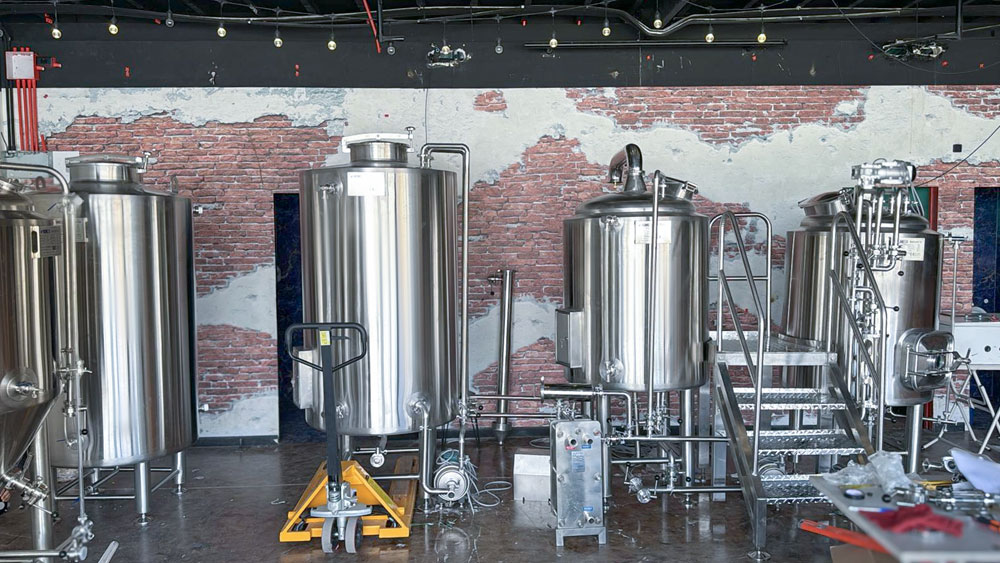
ROI Analysis and Total Cost of Ownership
Capital Investment Breakdown
Typical equipment investment for a 15-barrel craft brewery (1,500 BBL annual capacity):
| Equipment Category | Investment | % of Total |
|---|---|---|
| Brewhouse system | $220,000 | 22% |
| Fermentation vessels | $280,000 | 28% |
| Bright beer tanks | $140,000 | 14% |
| Glycol chilling | $95,000 | 9.5% |
| CIP system | $65,000 | 6.5% |
| Control systems | $80,000 | 8% |
| Installation & startup | $120,000 | 12% |
| Total | $1,000,000 | 100% |
Operating Cost Efficiency
Energy Savings:
HGMC equipment features heat recovery systems achieving:
- 30-40% reduction in steam consumption
- 25-35% reduction in cooling energy
- Annual savings: $18,000-$35,000 for 15-barrel operations
Water Efficiency:
Advanced CIP systems reduce water usage to 3:1 water-to-product ratio (industry average: 5-7:1)
- Annual water savings: 500,000-800,000 gallons
- Cost savings: $3,500-$7,000 annually
Labor Efficiency:
PLC/SCADA automation reduces manual operation time by 40-50%
- Labor savings: 20-30 hours per week
- Annual cost reduction: $25,000-$40,000
Payback Period Calculation
For a $1 million investment with combined operational savings of $50,000-$80,000 annually, plus revenue generation:
- Production: 1,500 BBL annually
- Average selling price: $200/BBL wholesale
- Gross revenue: $300,000 annually
- Operating margin: 35-45%
- Net cash flow: $105,000-$135,000
- Equipment payback period: 7.5-9.5 years on cash flow alone
- ROI including efficiency savings: 24-36 months to positive cash flow

Industry Standards and Certifications
Quality Assurance
HGMC equipment meets or exceeds all major industry standards:
Material Standards:
- ASTM A240/A240M: Stainless steel plate specifications
- ASME Section VIII: Pressure vessel design and fabrication
- 3-A Sanitary Standards: Dairy and food processing equipment
Safety Certifications:
- CE marking: European conformity for machinery directive
- UL/CSA approval: Electrical component safety
- ASME U-stamp: Pressure vessel certification
Quality Management:
- ISO 9001:2015: Quality management systems
- ISO 14001: Environmental management
- FSMA compliance: FDA Food Safety Modernization Act
Testing and Validation:
- Pressure testing: 1.5× design pressure (water test)
- Passivation: Citric or nitric acid treatment for corrosion resistance
- Weld inspection: 100% visual, 10% radiographic testing
- Surface finish: Ra ≤0.8 μm interior surfaces
Frequently Asked Questions (FAQ)
Q1: What is the typical lead time for custom brewery or winery equipment from HGMC?
A: Standard lead times are 14-18 weeks from order confirmation to delivery, including design finalization (3-4 weeks), manufacturing (10-12 weeks), and quality testing (1-2 weeks). Rush orders can be accommodated with 12-14 week expedited timelines subject to production scheduling and scope.
Q2: How much space do I need for a 15-barrel craft brewery system?
A: A complete 15-barrel system typically requires 2,500-3,500 square feet of production space, plus additional areas for packaging (500-800 sq ft), cold storage (300-500 sq ft), and grain storage (200-400 sq ft). Ceiling height requirements are 16-18 feet minimum for proper tank installation and maintenance access. HGMC provides detailed 3D layout planning to optimize your specific facility.
Q3: What is the difference between dimpled jacket and traditional cooling jackets for fermentation tanks?
A: Dimpled jackets offer several advantages over traditional channel jackets:
- Better thermal transfer: 20-30% more efficient due to turbulent flow
- Lower glycol volume required: Reduced initial cost and energy consumption
- Faster temperature changes: ±0.5°C control accuracy
- More durable: Welded dimple design resists pressure deformation
- Cost: Approximately 15-20% higher initial investment, offset by operational savings
HGMC recommends dimpled jackets for operations prioritizing precision fermentation control and energy efficiency.
Q4: Can HGMC equipment be integrated with existing brewery or winery systems?
A: Yes, HGMC specializes in hybrid installations and system expansions. Our engineering team conducts compatibility assessments of existing infrastructure including:
- Utility capacity (electrical, steam, glycol, compressed air)
- Control system integration (PLC communication protocols)
- Physical layout and expansion space
- Existing equipment interface points
We’ve successfully integrated with all major equipment brands and can retrofit control systems for unified operation. Over 40% of HGMC projects involve expansion of existing facilities rather than new builds.
Q5: What automation level is recommended for a startup craft brewery?
A: Automation recommendations depend on production volume and labor availability:
Basic automation (startup/small operations):
- Manual valve operation with digital temperature monitoring
- Basic PLC control for glycol and CIP
- Investment: $30,000-$50,000
- Best for: <500 BBL annual, 2-3 brewing staff
Intermediate automation (growing operations):
- Semi-automated brewing with recipe management
- Automated CIP sequences and tank switching
- Remote monitoring capability
- Investment: $60,000-$100,000
- Best for: 500-2,000 BBL annual, 3-5 brewing staff
Advanced automation (production facilities):
- Full SCADA system with IoT integration
- Automated recipe execution and data logging
- Predictive maintenance alerts
- Investment: $120,000-$200,000
- Best for: >2,000 BBL annual, focus on consistency and efficiency
HGMC designs systems with scalable automation, allowing basic installations to be upgraded as operations grow without equipment replacement.
Q6: How does HGMC support international installations?
A: HGMC has completed installations in 47 countries across 6 continents. Our international support includes:
- Engineering: Compliance with local codes and standards
- Logistics: Containerization, customs documentation, freight forwarding
- Installation: On-site supervision or approved local contractor coordination
- Training: Hands-on operator and maintenance training
- Warranty: Standard 24-month warranty with local service partners
- Parts supply: Regional distribution centers with 48-72 hour delivery
Q7: What financing options are available for equipment purchases?
A: While HGMC does not directly provide financing, we work with several specialized lenders:
- Equipment leasing: 5-7 year terms, rates from 5.5-8.5%
- SBA loans: US Small Business Administration 7(a) and 504 programs
- Craft beverage-specific lenders: Live Oak Bank, Brewery Finance, others
- Manufacturer payment plans: 30% deposit, 60% at shipping, 10% at commissioning
Our sales team provides detailed equipment specifications and proforma financial statements to support your financing applications.
Q8: What is the expected lifespan of HGMC fermentation and storage tanks?
A: With proper maintenance, HGMC tanks have an operational lifespan of 25-30+ years. Key longevity factors:
- Material quality: 304/316L stainless steel resists corrosion
- Passivation: Initial treatment and periodic re-passivation (every 5-7 years)
- CIP practices: Proper cleaning prevents caustic/acid degradation
- Pressure management: Overpressure protection systems
- Preventive maintenance: Annual gasket replacement, valve servicing
Many craft breweries operate with original HGMC equipment after 15-20 years with only minor component replacement (valves, gaskets, instruments). Our tanks are designed for 50,000+ CIP cycles before requiring refurbishment.
Conclusion: Partnering for Long-Term Success
Selecting the right equipment partner is one of the most critical decisions in establishing or expanding a craft brewery, winery, or cidery. HGMC’s 23 years of specialized experience, combined with comprehensive design-build-install capabilities, positions us as the ideal partner for beverage producers worldwide.
Our commitment extends beyond equipment delivery:
✓ Complete business planning from concept to production
✓ Customized solutions tailored to your unique requirements
✓ Turnkey installation with on-site commissioning and training
✓ Industry-leading quality with ASME, CE, ISO certifications
✓ Proven ROI with 24-36 month payback periods
✓ Global support network serving 47+ countries
✓ Scalable systems that grow with your business
Whether you’re a startup craft brewery planning your first 7-barrel system or an established winery expanding to 10,000 hectoliters, HGMC provides the equipment, expertise, and support to ensure your success.
Take the Next Step
Contact HGMC today for a complimentary facility assessment and equipment proposal. Our engineering team will work with you to develop a customized solution that meets your production goals, budget parameters, and growth objectives.
HGMC: Precision Equipment for Craft Excellence
