
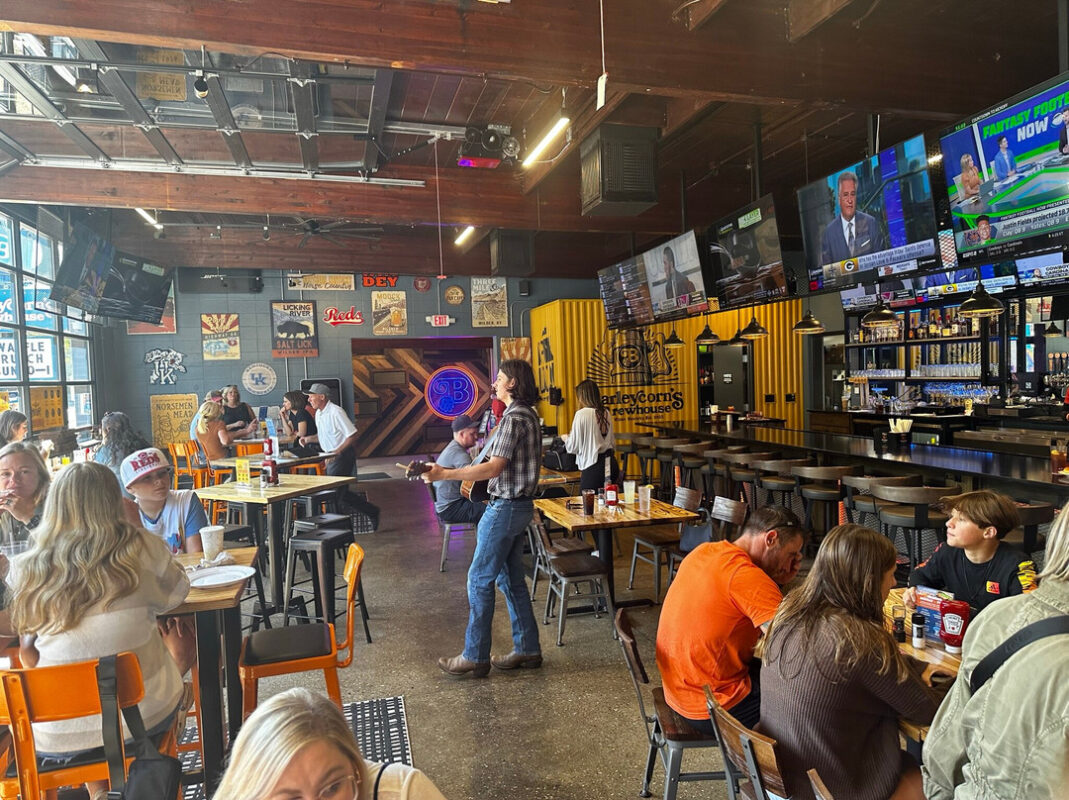
If you’re building a brewpub, buying a craft brewery system is not the same as buying a production brewery system. In a brewpub, your brewhouse is part manufacturing line and part “open kitchen.” You need reliable beer, predictable brew days, quiet/clean operation, and a system that fits tight square footage—without turning your buildout into a never-ending retrofit project.
Why Brewpubs Overpay for the Wrong Craft Brewery System
A brewpub usually has at least four constraints that pure production breweries can sometimes ignore:
Space is expensive (front-of-house, kitchen, storage, cold room compete with brewing footprint).
Utilities are limited (older buildings, retail plazas, historic districts: power, drainage, venting are rarely ideal).
Noise/steam/odor matter (customer experience + local compliance).
Labor is mixed-use (staff may rotate between cellar work and service support; simplicity matters).
At the same time, craft beer is a mature, competitive category. The Brewers Association reports craft’s retail dollar sales at $28.8B in 2024 and craft volume share at 13.3% of the U.S. beer market—meaning you can’t rely on “new brewery novelty” to cover operational inefficiency.
The Short Answer (Brewpub Edition)
Before you buy a craft brewery system for a brewpub, confirm:
The system fits the building (ceiling height, doors, floor loads, drain placement).
Your heating + ventilation plan is realistic (steam venting and make-up air are common surprises).
Your glycol chiller is sized for peak (especially summer fermentation + crash cooling).
Cleaning is designed-in (hard-piped CIP where possible; minimal hoses).
Pressure-rated vessels are compliant if you’ll carbonate or spund.
8 Checks Before Buying a Craft Brewery System for a Brewpub
1) Start with the building: height, access, and “can you physically install it?”
Brewpub spaces often have narrow doors, stairs, tight corners, and low ceilings.
Check:
Tallest vessel + piping + headspace (CIP arm clearance, manway swing, service access).
Delivery route: door width/height, elevator limits, turning radius.
Future maintenance: can you remove a pump or motor without tearing out a wall?
Why this saves money: avoiding structural rework (roof cutouts, pits, door expansion) is usually the fastest ROI you’ll ever get.
2) Pressure compliance: ASME / PED (don’t “assume it’s fine”)
If your brewpub plans to serve bright beer, naturally carbonate, or spund, you’re in pressure territory.
In the U.S., the Brewers Association notes tanks operating above 15 psi typically require ASME-rated pressure vessels.
Check:
Nameplates, certificates, pressure test documents.
What pressure you will actually run (brite tank, unitank, CO₂ capture, transfer).
Whether your installer/insurer requires ASME or equivalent compliance.
Why this saves money: certification issues can stop inspections or invalidate insurance assumptions—expensive problems after install.
3) Heating choice (electric vs steam vs direct fire) + ventilation reality
For brewpubs, the “best” heating method depends on your utilities and venting constraints, not just the equipment quote.
Check:
If electric: can your panel support the load without a major service upgrade?
If steam: boiler sizing, condensate return, and safe venting route.
If direct fire: gas availability, exhaust routing, and local permitting.
Brewpub-specific tip: customer-facing breweries often underestimate the cost of steam/odor management and make-up air.
4) Glycol system sizing for peak load (brewpubs get burned here)
Undersized cooling is a common failure mode because brewpub cellars are often compact and warm.
A conservative approach is to calculate loads (active fermentation + crash + holding) and add margin; some engineering-oriented sizing guides suggest brewers add 10–15% for inefficiencies and extra heat loads.
Check:
Peak simultaneous scenario (e.g., 2 tanks fermenting + 1 crash + brite holding).
Insulated glycol lines (uninsulated lines waste capacity).
Independent tank control vs “one loop for everything.”
Why this saves money: you can’t “fix” an undersized chiller with software—only with downtime and replacement.
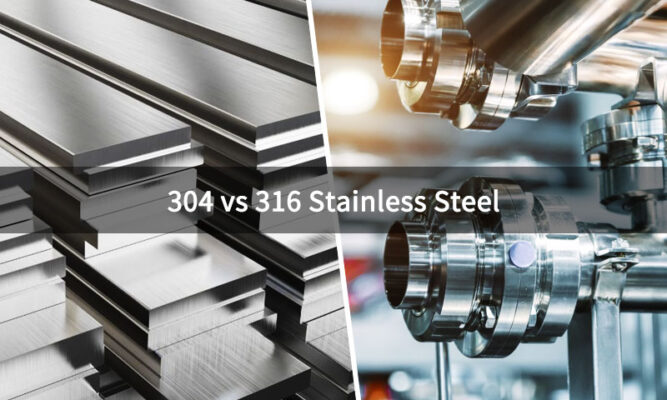
5) Stainless steel selection: 304 vs 316L (based on water + cleaning, not marketing)
304 is common and often fine. But chloride exposure + concentrating conditions can accelerate corrosion risk.
SSINA notes chloride stress corrosion cracking failures have been reported in environments with as little as 10 ppm chlorides under certain conditions (especially where chlorides concentrate at wet/dry interfaces or heated surfaces). That doesn’t mean 10 ppm always causes failure—rather, it highlights why site conditions matter.
Check:
Your water chemistry report (chlorides, pH, hardness).
Cleaning chemicals and temperatures you plan to use.
Where upgrading to 316L is most valuable (often not “everywhere,” but in higher-risk zones).
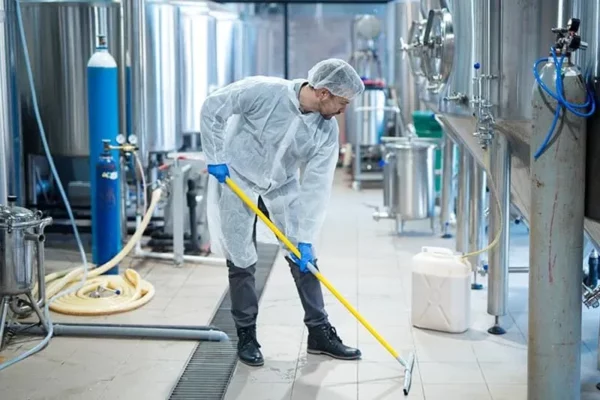
6) Cleanability: design for CIP velocity and minimal manual hoses
In a brewpub, staff time is expensive and often split across operations. Cleaning must be repeatable and fast.
Alfa Laval’s CIP guidance commonly references ~1.5 m/s minimum velocity in pipes to achieve turbulent flow and sufficient wall shear stress for CIP.
Check:
CIP pump capacity (not just “we include a CIP cart”).
Pipe run lengths, elevation changes, and spray device requirements.
Dead legs, low points that don’t drain, and “hose spaghetti.”
Why this saves money: cleaning labor repeats forever; bad CIP design is a permanent tax.
7) Automation: pick the minimum that protects quality (not the maximum you can buy)
Brewpubs often benefit from targeted automation:
Mash temperature control
Repeatable wort transfer volumes
Fermentation temperature control + logging
Check:
Is the control system serviceable locally?
Are sensors standard and replaceable?
Does the interface help staff run consistent beer without a specialist?
Why this saves money: over-automation adds cost and downtime risk; under-automation can cause inconsistent beer and rework.
8) Layout and guest experience: noise, visibility, and safety
Brewpub brewing is often visible. Your craft brewery system is part of the brand.
Check:
Pump noise and vibration control.
Hot surfaces, guarding, and safe grain handling paths.
Where steam goes (condensation on windows and ceilings is a real issue).
Chemical storage and segregation from guest areas.
Why this saves money: safety and customer-experience fixes after opening are disruptive and costly.
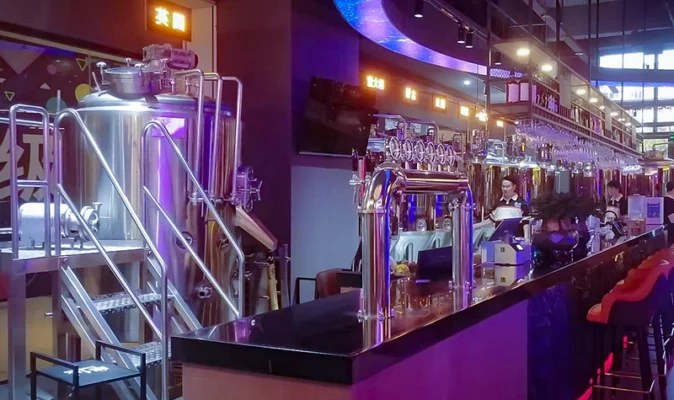
Recommended Brewpub System Configuration (Typical)
This is a “common successful pattern” for many brewpubs (final choice depends on your menu, draft volume, and distribution plans):
Brewhouse: 3–10 BBL (or equivalent liters), often 2-vessel (mash/lauter + kettle/whirlpool) to save space
Fermentation: 3–6 fermenters sized for your weekly throughput (often 2–3× brewhouse size total capacity as a starting concept)
Serving/brite: at least 1 brite tank or serving tanks depending on draft program
Cooling: glycol sized for worst-case simultaneous demand + margin
Cleaning: CIP cart or skid with proven velocities and hard-piped returns where possible
The key is not the exact vessel count—it’s whether the system supports your brew schedule without heroic effort.
FAQ: Craft Brewery System for Brewpubs
What size craft brewery system is best for a brewpub?
Most brewpubs choose a system size that matches weekly draft demand and tank turns, not “maximum brew length.” The “best” size is the one that lets you brew on a predictable cadence (e.g., 2–4 brew days/week) without running out of fermentation space.
Do brewpubs need ASME tanks?
If you operate tanks above 15 psi (common for brite tanks and many unitanks), ASME compliance often becomes a requirement in the U.S. per the Brewers Association’s pressure vessel guidance.
What’s the most common mistake when buying a craft brewery system for a brewpub?
Undersizing utilities—especially glycol cooling and ventilation—because the equipment quote feels “complete,” but the building work isn’t.
What CIP velocity should I design for?
A common guideline is maintaining turbulent flow; Alfa Laval references ~1.5 m/s minimum velocity in pipes for CIP effectiveness.
Is 304 stainless enough?
Often yes, but chloride exposure and concentrating conditions can change the risk profile. SSINA documents that chloride cracking failures can occur at relatively low chloride levels under certain conditions.
