
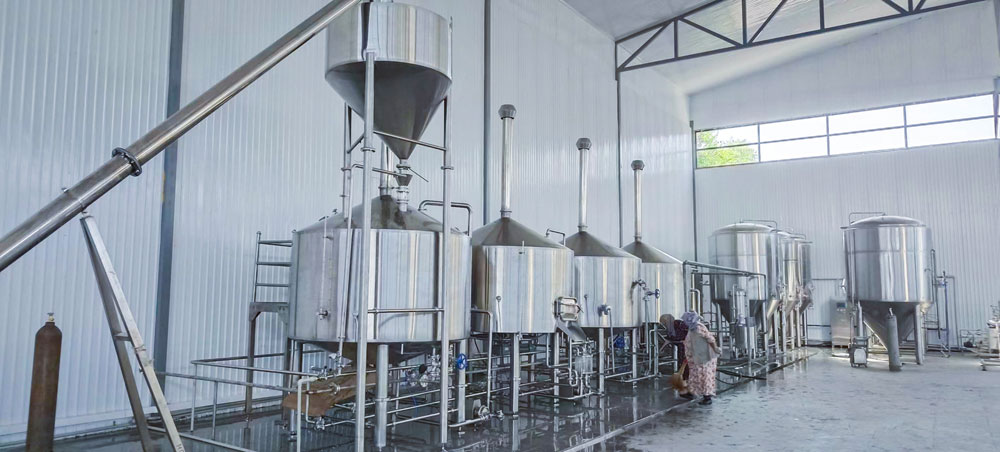
A homebrewer follows the grain bill to the gram, times the hop additions with a stopwatch, and holds fermentation temperature within half a degree. The beer comes out metallic, thin, and slightly sour. Another brewer, using the same yeast strain and a similar malt profile, pulls a clean, bright batch with consistent carbonation and no off-flavors. The variable isn’t skill or ingredient sourcing. It’s the gear. Brewing equipment determines whether precision in the recipe translates into precision in the glass. Cheap supplies introduce contamination, uneven heating, and measurement drift that no amount of recipe tuning can fix.
The difference between a batch that works and a batch that fails rarely appears in the recipe sheet. It shows up in the kettle wall thickness, the seal on the fermenter lid, and the weld quality on the ball valve. Every brewer eventually reaches a point where upgrading supplies delivers more improvement than refining the hop schedule ever could.
The Hidden Cost of Cheap Brewing Supplies
Thin aluminum kettles distribute heat unevenly, creating hot spots that scorch the wort and cold zones that leave extract unextracted. The result is inconsistent gravity readings and a caramelized off-flavor that no amount of dry hopping masks. Plastic fermentation buckets with loose lids allow oxygen ingress over the course of a two-week fermentation, producing stale, papery notes that develop fully only after bottling. Cheap threaded fittings accumulate residue in the threads, providing bacterial harborage that survives routine cleaning and contaminates the next batch.
The financial arithmetic looks different when ingredient waste is factored in. A single failed five-gallon batch costs between $35 and $60 in malt, hops, and yeast alone. Replacing a $40 plastic bucket after three batches because of scratches and warping adds recurring cost. By contrast, a 304 stainless steel kettle with a tri-ply bottom and welded fittings lasts decades with proper care. Breweries that switched to premium-grade equipment reported 23% higher batch consistency and 31% fewer production delays, according to production data collected across small-scale operations. That consistency directly reduces ingredient waste because fewer batches get dumped.
The failure pattern is predictable: a brewer buys a starter kit with thin aluminum, a plastic bucket, and a stick-on thermometer. The first batch comes out drinkable. The second batch develops a faint plastic taste. By the fifth batch, the bucket lid no longer seals, the kettle has developed pitting, and the thermometer reads five degrees off. The total spent on replacements and ruined ingredients exceeds the cost of a mid-range stainless setup within the first year. The equipment that looked like a saving was actually a deferred expense with interest.
The Essential Gear That Makes or Breaks Your Beer
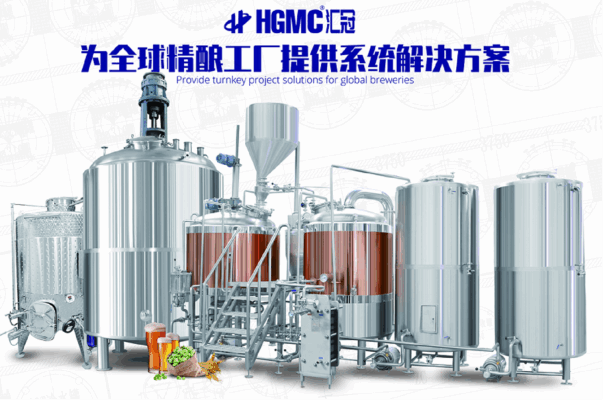
Not every piece of equipment matters equally. A few components do the heavy lifting for consistency and flavor, and their specifications determine whether the rest of the process runs smoothly.
| Component | Cheap Construction | Premium Construction |
|---|---|---|
| Brew Kettle | Thin aluminum, threaded fittings, single-layer bottom | 304 or 316 stainless steel, tri-ply bottom, welded fittings, thermometer port |
| Wort Chiller | Copper immersion coil, slow cooling | Stainless steel plate chiller or high-efficiency immersion chiller, rapid cooling |
| Fermenter | Plastic bucket, snap-on lid, no gasket | Stainless steel conical or wide-mouth fermenter, airtight seal, thermowell |
| Measurement Tool | Floating thermometer, uncalibrated hydrometer | Digital thermometer, calibrated refractometer, precision hydrometer |
Brew kettle. The kettle dictates heat distribution and boil stability. A tri-clad or tri-ply bottom sandwiches a conductive aluminum or copper layer between stainless steel layers, spreading heat evenly across the base and preventing scorching. Welded fittings eliminate threaded joints where wort residue collects and bacteria hide. A thermometer port positioned at the correct height allows continuous temperature monitoring without lifting the lid. Sufficient headspace — at least 30 percent above the pre-boil volume — prevents boil-overs that waste wort and create a mess.
Wort chiller. Rapid cooling through the temperature danger zone, roughly 140°F to 80°F, reduces the risk of bacterial and wild yeast contamination before pitching. Immersion chillers are simple and easy to clean, but plate chillers cool faster and take less storage space. The tradeoff is that plate chillers have internal channels that require thorough backflushing after each use to prevent hop matter and trub from clogging the passages.
Fermentation vessel. Airtight sealing is not negotiable. Oxygen ingress during active fermentation and conditioning produces stale flavors and reduced hop aroma. Stainless steel fermenters with gasket-sealed lids and pressure-rated tri-clamp fittings provide the best oxygen barrier. Plastic buckets degrade over time, developing microscopic scratches that trap bacteria and make full sanitization impossible. Conical fermenters allow trub and yeast dumping without opening the vessel, reducing handling during fermentation.
Measurement instruments. A hydrometer or refractometer that reads off by a few points leads to missed target gravity, under-attenuated beer, or incorrect ABV calculations. Digital thermometers with probe calibration remain accurate within 0.5°F over years of use. Cheap glass thermometers drift as the mercury expands unevenly over repeated thermal cycles.
How to Identify Truly High-Quality Brewing Supplies
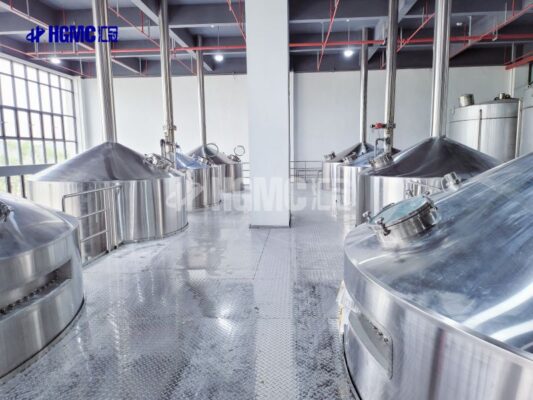
Material specifications separate equipment that works from equipment that causes problems. Look for 304 or 316 stainless steel in any component that contacts wort or beer. 304 stainless is standard for kettles and fermenters, offering good corrosion resistance and easy sanitization. 316 stainless adds molybdenum for improved resistance to chlorides and acidic environments, relevant for breweries using aggressive cleaning chemicals or high-chloride water profiles.
Construction details matter more than brand names. Welded fittings are preferable to threaded fittings because threads create crevices that trap organic material and resist chemical cleaning. Tri-clamp connections allow full disassembly for cleaning and eliminate dead legs where bacteria accumulate. Avoid equipment with visible weld discoloration, rough bead surfaces, or pits inside the weld zone — these indicate poor welding technique that creates contamination risk.
Bottom thickness determines heat distribution quality. A tri-ply bottom should be at least 2.5 to 3 millimeters thick. Single-layer stamped stainless steel bottoms warp over time and create uneven contact with heating elements. Induction-compatible kettles require a magnetic stainless steel layer, so check ferromagnetic response if induction heating is in your setup.
Sanitization ease is a practical test. Any component with crevices, blind corners, or non-disassemblable sections will eventually develop microbial colonies that survive standard PBW and Star San cycles. Smooth interior surfaces, electropolished finishes, and full access to all wetted surfaces are indicators of professional-grade design.
Fermentation vessels with integrated cooling coils or temperature control pockets simplify thermal management. Conical bottoms with butterfly valves allow yeast harvesting and sediment removal. Wide-mouth openings make cleaning and dry hopping easier. Pressure-rated vessels enable closed transfers and carbonation in the same vessel, reducing oxidation exposure during packaging.

Practical Steps to Upgrade Without Overhauling Your Setup
The most efficient upgrade path starts with the component that introduces the most variability. For most brewers, that is the kettle and the fermenter. Replacing the brew kettle with a stainless steel model with a tri-ply bottom and welded fittings eliminates the two largest failure points: uneven heating and bacterial harborage in threaded joints.
Measurement tools are the cheapest upgrade with the highest return on consistency. A calibrated digital thermometer costing $25 to $40 provides more precise readings than a standard glass laboratory thermometer. A refractometer allows gravity checks on a few drops of wort instead of the several ounces required for a hydrometer sample, reducing wort loss and waste.
Seals and hoses degrade faster than any other component. Standard vinyl tubing offloads plasticizers into hot wort and becomes brittle over time. Food-grade silicone tubing remains flexible across a wider temperature range, does not leach compounds, and withstands repeated sanitization cycles. Replacing all beverage-line hoses, transfer tubing, and gaskets with food-grade silicone costs under $50 and immediately reduces off-flavor risk.
A phased replacement schedule avoids a single large expense. Replace one major component per batch cycle. First batch: kettle. Second batch: fermenter. Third batch: wort chiller and measurement instruments. This approach spreads the cost over three to four months while improving consistency with each cycle.
Modular systems designed around tri-clamp fittings allow batch size upgrades without replacing the entire setup. A kettle with tri-clamp ports can be expanded with additional vessels, pumps, and heat exchangers as production volume grows. Avoid equipment with proprietary connections or fixed-scale designs that limit future expansion.
Oxygen ingress from poor seals remains the most overlooked cause of stale flavors in homebrew and small commercial batches. Gaskets on plastic bucket lids compress permanently after a few uses and lose sealing pressure. Silicone gaskets on stainless steel fermenters maintain elasticity longer but should be replaced annually. A simple gasket check before each batch — closing the lid with a piece of paper between the rim and gasket, then checking for looseness — catches failures before they oxidize an entire batch.
Premium measurement tools reduce batch-to-batch variation more than any other single upgrade. A brewer who replaces a floating thermometer and uncalibrated hydrometer with a digital thermometer and calibrated refractometer gains tighter control over mash temperature, boil-off rate, and fermentation endpoint. These variables compound across batches. Reducing measurement error from ±5 degrees and ±0.004 gravity points to ±0.5 degrees and ±0.001 gravity points narrows the range of outcomes significantly, making the recipe the dominant variable rather than the equipment.
FAQ
Can I use an aluminum brew kettle instead of stainless steel?
Aluminum conducts heat well and costs less, but it reacts with acidic wort during the boil, potentially leaching metallic flavors into the beer. It also scratches easily, creating surfaces that harbor bacteria. Stainless steel, particularly 304 or 316 grade, is non-reactive and resists corrosion. If aluminum is your only option, boil water in it for 30 minutes before first use to build an oxide layer that reduces reactivity.
Do I really need a wort chiller, or can I let it cool naturally?
Natural cooling takes several hours, keeping the wort in the temperature danger zone where bacteria and wild yeast can multiply. A wort chiller drops the temperature from boiling to pitching range in 15 to 30 minutes, reducing contamination risk and creating a cold break that improves beer clarity. The cost of a basic immersion chiller is roughly $60 to $80, which is less than the cost of a single contaminated batch.
How often should I replace plastic fermenter buckets?
Replace plastic buckets every five to ten batches, or sooner if scratches, clouding, or warping appear. The material degrades with repeated thermal cycling and chemical exposure, and microscopic scratches accumulate over time. Stainless steel fermenters do not have this limitation and last indefinitely with proper care.
Is a conical fermenter worth the cost for a homebrewer?
A conical fermenter provides yeast dumping, trub removal, and pressure transfers without opening the vessel, which reduces oxidation exposure. For brewers who focus on hop-forward styles or want to reuse yeast, the investment pays off in consistency. For brewers producing simple styles in small batches, a high-quality stainless steel bucket with a gasket seal and pressure kit offers similar oxygen protection at lower cost.
What does “food-grade” mean when it comes to brewing plastic?
Food-grade plastic meets FDA or EU standards for materials that contact food without leaching harmful compounds. For brewing, look for HDPE, PET, or polypropylene rated for temperatures above 180°F. Avoid PVC, acrylic, and unknown plastics — these can leach plasticizers, BPA, or other chemicals into the beer, especially during hot-side processes.
