
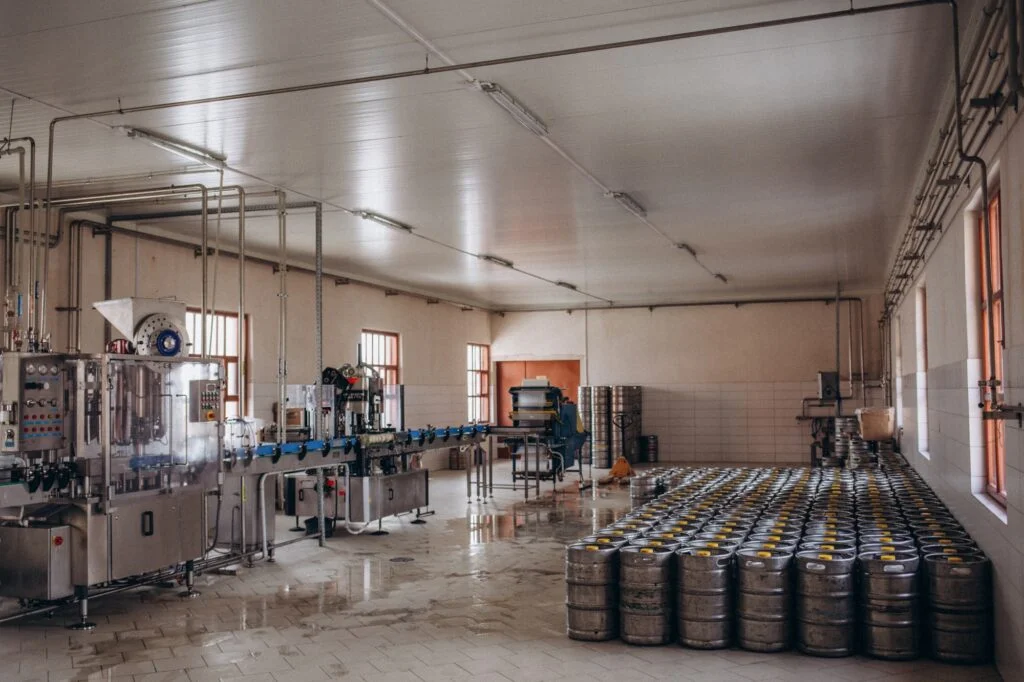
Beer filling equipment is the final quality gate between the brewery and the drinker. Even when brewing, filtration, and carbonation are executed perfectly, packaging can still shorten shelf life and harm flavor if oxygen pickup, sanitation gaps, or inconsistent fill control occur during filling. That’s why modern breweries increasingly treat their beer filling system as a core quality asset—not just a production tool.
At the same time, the global beer market remains massive, sustaining long-term investment in higher-performance packaging lines. For example, BarthHaas reported world beer output at 1.89 billion hectoliters in 2022 (BarthHaas press release). In the U.S., the Brewers Association reported 9,736 breweries operating in 2024, underscoring the ongoing scale and competitiveness of brewery operations (Brewers Association, “The 2024 Year in Beer”).
In this guide, you’ll learn how beer filling technologies work, what types of filling equipment breweries use, which features matter most (especially oxygen and hygiene), how automation improves results, what maintenance practices protect performance, and what trends are shaping the next generation of beer filling equipment. We’ll also highlight real-world equipment selection considerations and include an FAQ for common buyer questions.
1) Overview of Beer Filling Equipment Technologies
Beer filling is technically challenging because beer is carbonated, foam-sensitive, and oxygen-sensitive. Filling technologies differ mainly in how they manage pressure, gas purge, and fill control.
Counter-Pressure (Isobaric) Filling
Counter-pressure filling is the most common approach for packaged beer in bottles and cans. The container is pressurized (usually with CO₂) before filling so beer can enter with controlled turbulence and reduced foaming. This improves fill stability and helps limit oxygen exposure.
Oxygen management is a major driver in counter-pressure systems. KHS (a major packaging technology supplier) notes that oxygen pickup can occur across many stages and can significantly affect beer quality, which is why oxygen control and measurement are central concerns during filling and packaging (KHS Group, “Oxygen pickup in beer filling…”).
Atmospheric Filling
Atmospheric filling operates at or near ambient pressure. It is simpler, but for carbonated beer it can increase foaming and oxygen contact unless paired with aggressive and well-tuned CO₂ purging and consistent process discipline.
Fill Control Methods: Level vs Flow Meter
Level filling targets a consistent fill height—often preferred for glass bottles where visual fill level matters.
Flow meter (or volumetric) filling targets a consistent volume, supporting accuracy across different package geometries and sizes.
2) Types of Beer Filling Equipment Used in Breweries
Most breweries choose filling equipment based on package type (bottle, can, keg), capacity needs, and planned growth.
Beer Bottle Filling Machines
Bottle filling lines often include:
bottle rinsing/sterilization or air rinse
counter-pressure filling carousel
capping (crown cork, etc.)
optional pasteurization
labeling and packing downstream
Bottle fillers are often specified in BPH (bottles per hour). For example, HGMC lists an “Automatic 3000–4000 BPH 3‑in‑1 filling machine” among its beer filling machine offerings, indicating a mid-range capacity tier suitable for many growing breweries (HGMC Beer Filling Machine page).
Beer Can Filling Machines (Canning Lines)
Canning systems generally include:
can rinse (twist rinse or ionized air)
CO₂ purge / inerting steps
filling valves (often counter-pressure)
seaming
coding and packing
HGMC also lists a “FullAutomatic 36‑6 Can filling Machine” and several bottle filler model configurations (e.g., 16‑16‑6, 18‑18‑6, 24‑24‑8, 40‑40‑10), giving buyers multiple size options depending on throughput targets and packaging mix (HGMC Beer Filling Machine page).
Keg Filling Systems
Keg systems typically combine:
keg washing and sanitizing
CO₂ purge cycles
pressurized filling
leak/pressure checks
Keg packaging is less about seaming/capping and more about repeatable cleaning validation and spear/valve reliability.
Semi-Automatic and Small-Batch Systems
Smaller breweries and pilot programs often begin with simpler equipment, then scale to higher levels of automation when demand, distribution, or quality requirements increase.
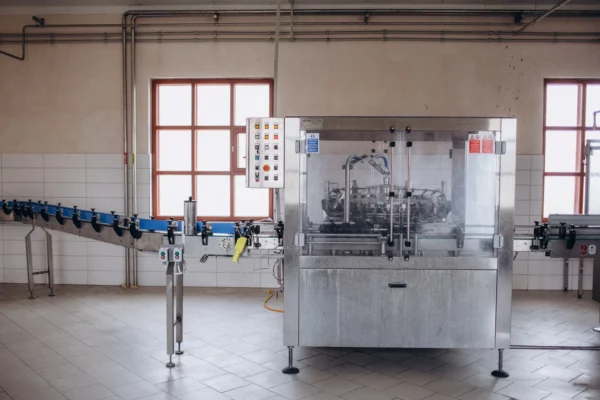
3) Key Features to Consider in Beer Filling Systems
A practical buying decision should focus on quality risk reduction and long-term total cost of ownership—not just maximum speed.
(A) Oxygen Control (DO / TPO)
Oxygen is one of the largest threats to beer flavor stability. Measurement guidance from Hach notes that dissolved oxygen targets and measurements in brewing can be very low (commonly discussed in ppm and even very low ranges), and emphasizes careful measurement approaches (Hach, “How to measure DO in a brewery” PDF). Anton Paar also explains that oxygen distributes between headspace and dissolved oxygen and that sample preparation affects readings—important when breweries compare packaging performance (Anton Paar Wiki, “Oxygen in beverages”).
What to look for in a beer filling machine:
effective container purge (CO₂ or inert gas)
controlled venting/snifting sequences
consistent seam/cap integrity (to prevent ingress after packaging)
compatibility with DO/TPO QA workflows
(B) Hygienic Design, CIP Readiness, and Food Safety Expectations
Sanitation is not optional. In the U.S., 21 CFR Part 117 includes requirements that facilities maintain clean and sanitary conditions and that cleaning/sanitizing be done in a way that protects against contamination (eCFR, 21 CFR Part 117). Even for breweries outside the U.S., these hygiene principles map well to global best practices and audit expectations.
Practical features to evaluate:
CIP-friendly product paths and drainage
sanitary valves and seal selection
minimized dead legs / trapped areas
cleaning verification and documentation readiness
(C) Fill Accuracy and Beer Loss Control
Yield loss happens through:
overfilling (giveaway)
foam-related spills
rejects due to seam/cap defects
startup and changeover waste
High-accuracy fill control and stable temperature/pressure management can reduce loss and improve consistency.
(D) Throughput vs Real Efficiency (OEE)
Speed is important, but uptime and stability often matter more. A case study evaluating a beverage bottling packaging line reported average OEE around 69.35%, with reduced speed as a major loss category—even when availability and quality were high (ResearchGate case study on OEE in beverage bottling packaging).
Implication: choose systems designed to reduce micro-stops and recover quickly from small disturbances.
(E) Changeover Flexibility
If you package multiple SKUs (different cans/bottles, seasonal products), changeover time becomes a major cost driver. Look for:
tool-less guides
repeatable recipe settings
quick-change format parts
operator-friendly adjustments
4) Benefits of Automated Beer Filling Machines
Automation helps breweries scale without sacrificing quality.
More Consistent Quality
Automation standardizes purge, fill, and closure sequences. This is critical for controlling oxygen pickup and maintaining flavor stability (KHS highlights the quality impact of oxygen pickup in filling environments).
Higher Output with Lower Labor Dependency
With automated lines, operators shift from manual actions to oversight: materials staging, QA sampling, and responding to alarms.
Better Data and Traceability
Modern control systems can support:
alarms and downtime logging
recipe management
maintenance reminders
production reporting and performance improvement
5) Maintenance Practices for Optimal Filling Equipment Performance
Performance declines gradually when maintenance is reactive. A structured program prevents quality drift.
Per-Shift / Daily
run CIP/SOP cleaning steps and verify parameters
inspect seals, gaskets, and valve behavior
check seam/cap application consistency
confirm CO₂ supply stability and pressure readings
Weekly
inspect wear parts (O-rings, valve seats, springs)
review rejects and seam/cap defects
verify sensor function (fill level, pressure, foam)
Monthly / Quarterly
calibrate flow meters and instrumentation
preventive replacement for critical sealing components
review OEE/downtime patterns and address recurring micro-stops
confirm cleaning practices remain aligned with hygienic expectations (e.g., principles reflected in 21 CFR Part 117)
Spare Parts Strategy
Keep critical spares on hand (seal kits, sensors, seam rollers/chucks, bearings). Packaging downtime can quickly outweigh the carrying cost of spare parts.
6) Comparative Analysis of Popular Beer Filling Brands (How Buyers Should Compare)
Rather than relying on generic “top brand” lists, evaluate suppliers using an evidence-based framework:
Oxygen performance (DO/TPO targets and measurement method)
Fill accuracy & yield (giveaway, loss, reject rates)
Hygienic design (CIP design and drainage)
Stability at speed (micro-stop resistance, jam handling)
Changeover time (format flexibility)
Service capability (commissioning, training, spare parts lead time)
Total cost of ownership (CO₂ use, water/CIP chemical use, wear parts)
HGMC example (product positioning): HGMC presents multiple model configurations (16‑16‑6 through 40‑40‑10), a can-filling option (36‑6), and a 3‑in‑1 system specified at 3000–4000 BPH, suggesting a portfolio approach that can match different brewery sizes and packaging needs (HGMC Beer Filling Machine page).
7) Future Trends in the Beer Filling Equipment Industry
(A) Lower Oxygen Targets + Better Measurement Discipline
As breweries chase longer shelf life and more stable hop aroma, packaging specs continue to tighten. Expect more emphasis on:
improved purge strategies
better sealing/closure integrity
inline measurement and faster QA feedback loops (Hach; Anton Paar)
(B) Faster Changeovers and More SKU Flexibility
Breweries are packaging more SKUs and formats. Equipment will increasingly focus on repeatable, quick, low-skill changeovers.
(C) Data-Driven OEE and Predictive Maintenance
OEE research demonstrates meaningful performance losses can persist even with high availability (ResearchGate OEE case study). Expect broader adoption of:
downtime coding discipline
root-cause elimination workflows
condition monitoring for wear parts
(D) Hygiene and Compliance Pressure
Food safety expectations (e.g., cleaning and sanitation requirements in 21 CFR Part 117) keep pushing equipment toward better hygienic design and easier cleaning validation.
Q&A: Beer Filling Equipment
Q1: What’s the best beer filling technology for cans and bottles?
For most carbonated beer, counter-pressure (isobaric) filling is preferred due to better foam control and improved oxygen management potential (KHS oxygen pickup discussion).
Q2: What standards matter for cleaning and sanitation?
In the U.S., 21 CFR Part 117 includes GMP and preventive controls requirements emphasizing sanitary facilities and cleaning/sanitizing methods that prevent contamination (eCFR 21 CFR Part 117). Even outside the U.S., these principles align with global hygienic design expectations.
Q3: How can I compare “3000–4000 BPH” systems fairly?
Ask every supplier for:
the package format assumptions (bottle size, closure type)
fill temperature and carbonation assumptions
expected OEE or typical efficiency range
changeover expectations and required operators
Q4: Why is dissolved oxygen measurement sometimes inconsistent?
Measurement depends heavily on sampling technique and how oxygen shifts between liquid and headspace. Anton Paar explains how sample preparation influences readings and why oxygen distribution behavior matters (Anton Paar Wiki). Hach also provides practical guidance on brewery DO measurement (Hach PDF).
Q5: What data should I request from a supplier like HGMC before purchasing?
Request:
configuration details for your target package formats
oxygen control approach and QA measurement plan
cleaning/CIP procedure recommendations
commissioning scope, training plan, and spare parts list
reference installations and acceptance test criteria (FAT/SAT)
References
HGMC Beer Filling Machine (models and capacity examples): https://www.hgmcbrewing.com/beer-filling-machine/
BarthHaas press release (world beer output figure): https://www.barthhaas.com/fileadmin/user_upload/PR_world-beer-market_2023.pdf
Brewers Association, “The 2024 Year in Beer” (brewery count & economic impact): https://www.brewersassociation.org/association-news/the-2024-year-in-beer/
eCFR, 21 CFR Part 117 (cleaning/sanitation requirements): https://www.ecfr.gov/current/title-21/chapter-I/subchapter-B/part-117
Hach PDF, “How to measure DO in a brewery”: https://in.hach.com/cms/documents/IN-Beverage/LIT2149-how-to-measure-DO-in-a-brewery.pdf
Anton Paar Wiki, “Oxygen in beverages”: https://wiki.anton-paar.com/en/how-to-measure-oxygen-in-beverages/
