
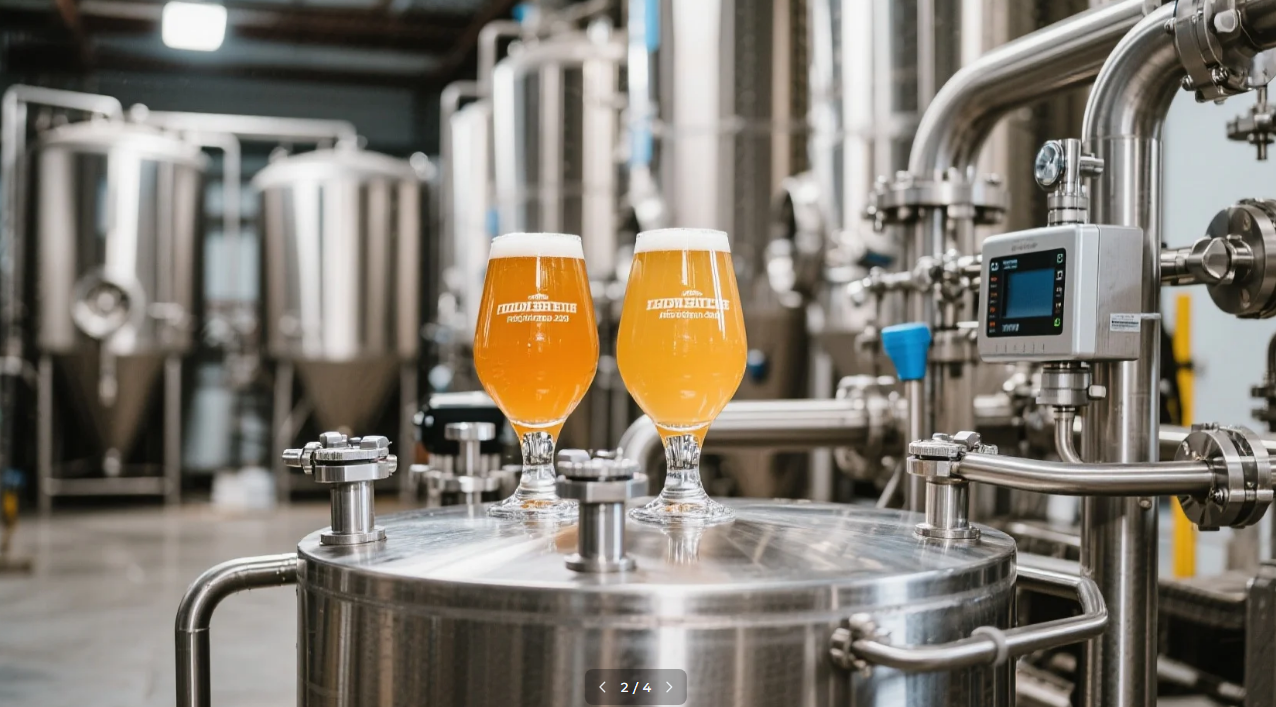
A mid-sized brewery in the Pacific Northwest expanded from 10-barrel to 30-barrel system two years ago. They chose equipment based on vessel volume alone. The new mash tun looked impressive on paper, but by the third month the brewers were dealing with stuck mashes every other batch. Lautering stretched past two hours. The oversized kettle […]
Author Archives: hgmc
09
Jul
Jul
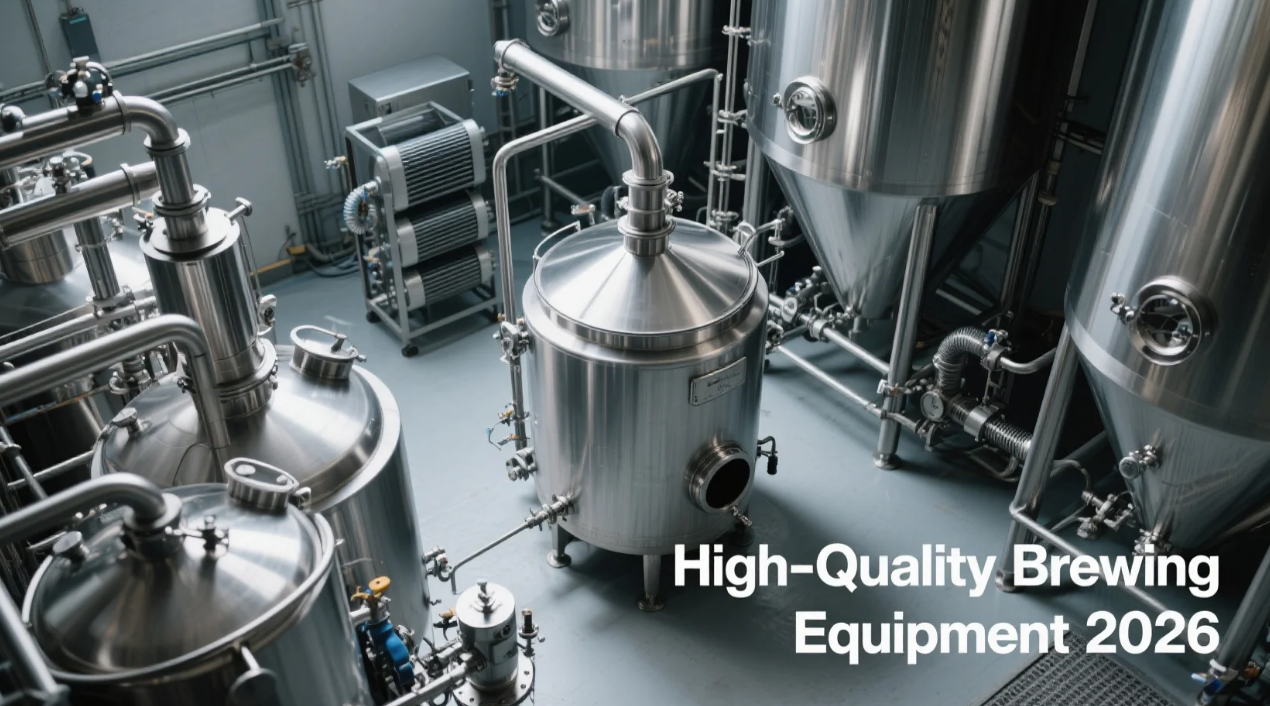
You unbox a new brewhouse, everything polished bright, and six months later you are fighting inconsistent mash temperatures and valves that weep. The stainless steel still shines, but the process is already unreliable. That gap between how equipment looks and how it performs is where most breweries lose money. High-quality brewing equipment is not about […]
08
Jul
Jul
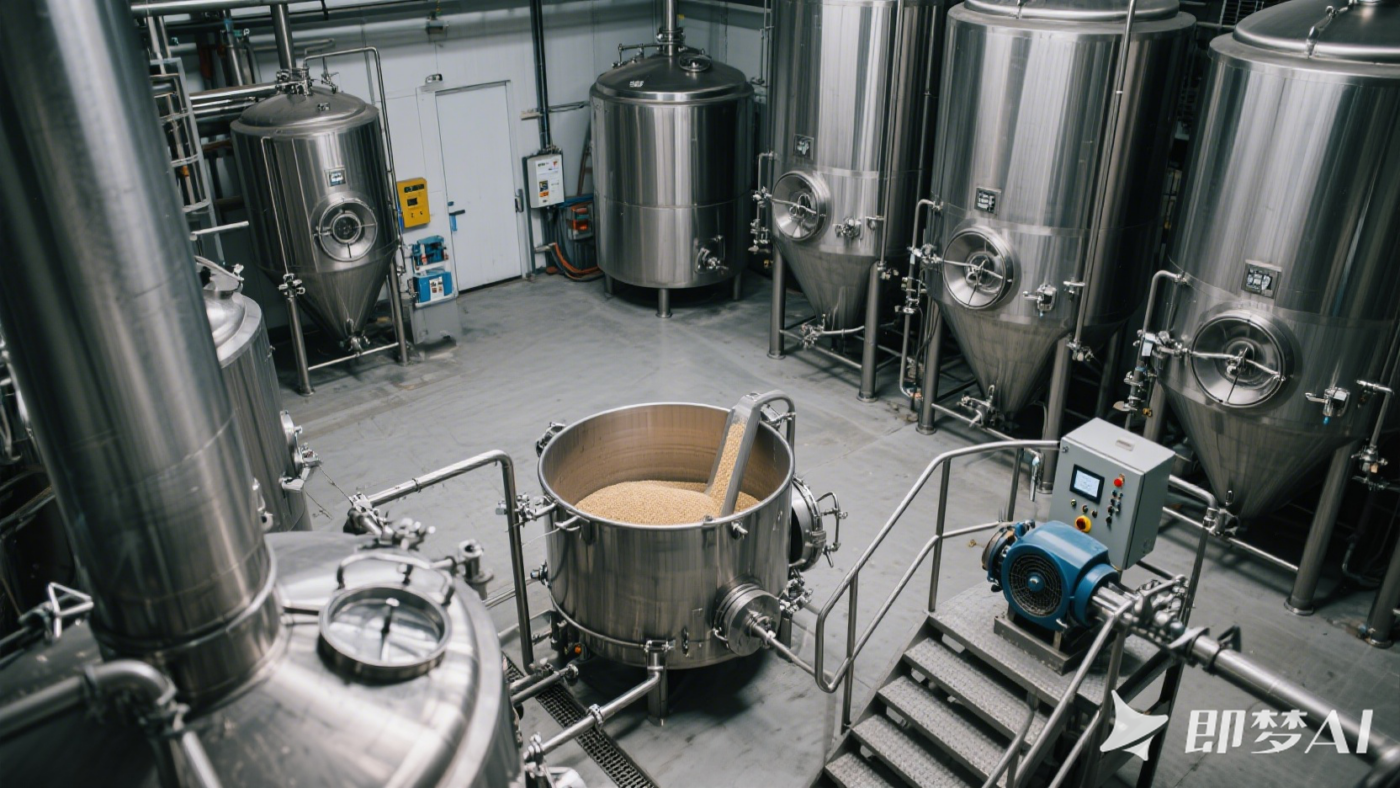
Expanding from a nano or pilot brewery into a 5000L system is not a straightforward equipment upgrade. At roughly 50 hl per batch, this scale represents a fundamental shift in how a brewery operates — from ingredient procurement through packaging logistics. The brewhouse itself is only one piece of a much larger puzzle that includes […]
07
Jul
Jul
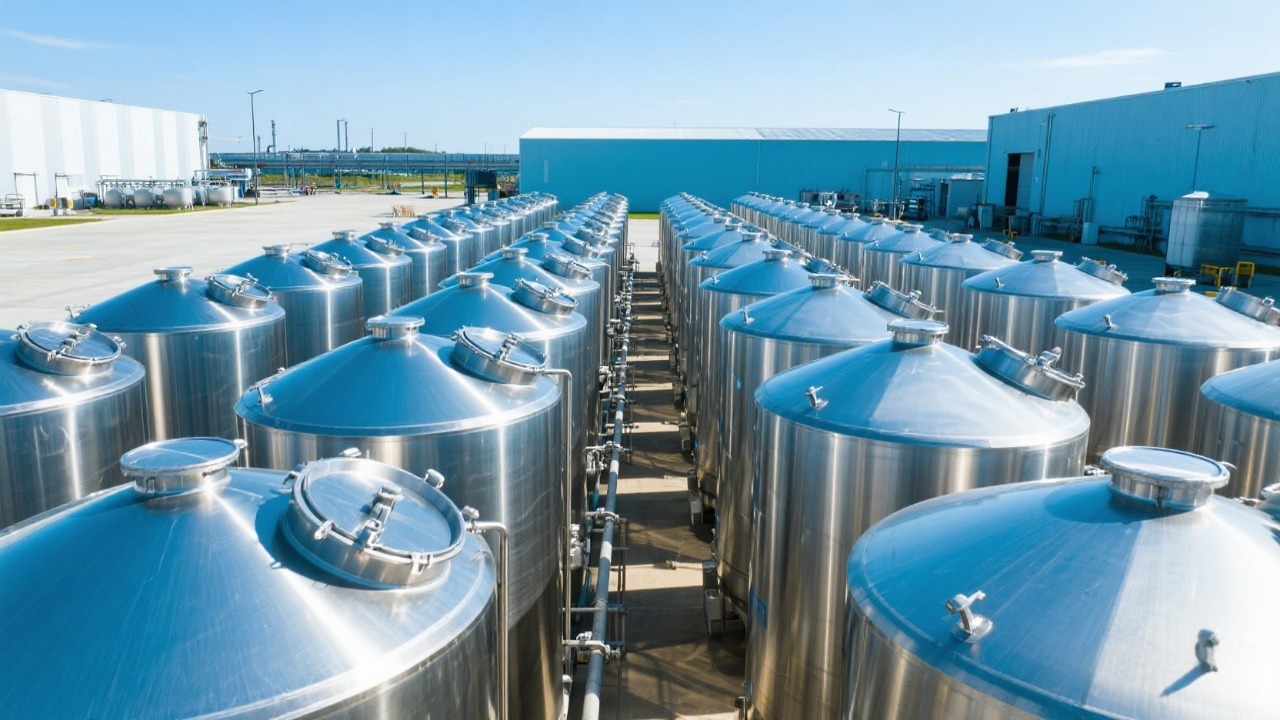
The moment arrives around the third seasonal run. A 2000L tank sits half-empty for weeks while the beer conditions, and a 500L tank needs three batches to fill a single bright tank. The numbers do not work. The brewer starts searching for something in between, and that is where 1000L fermentation tanks enter the conversation. […]

06
Jul
Jul
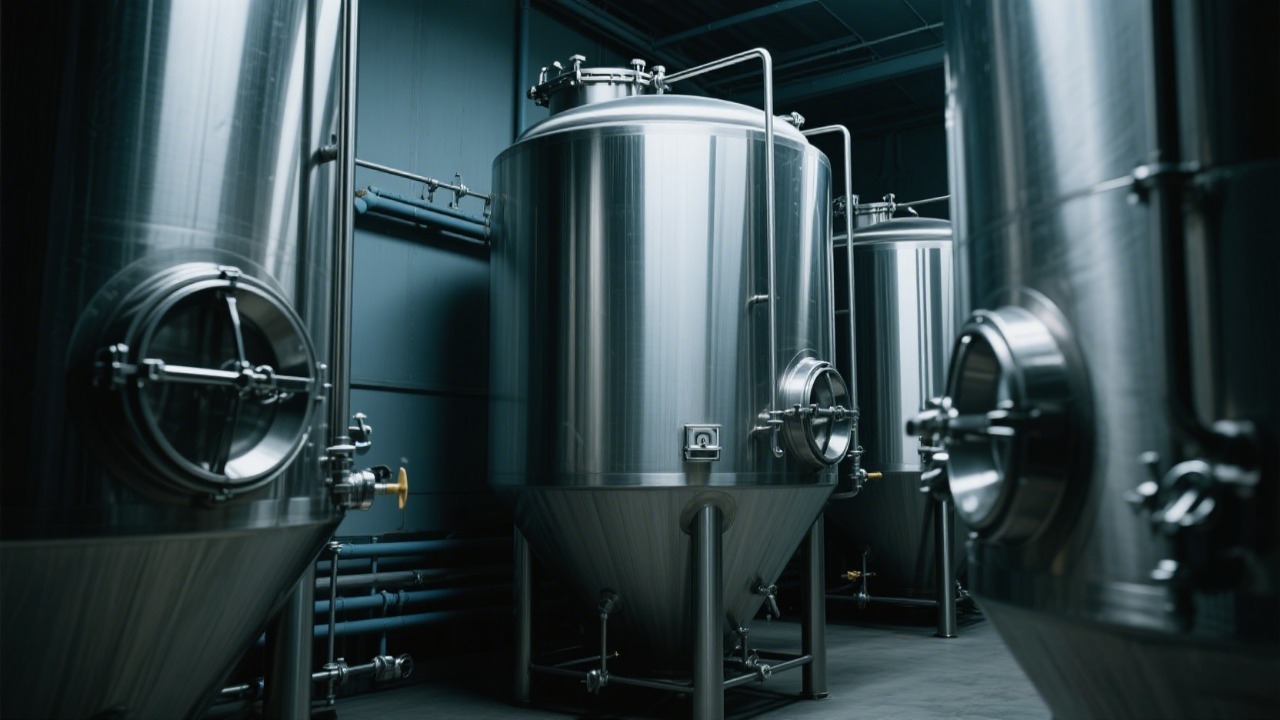
When a brewery plans a new plant or scales up production, the decision of which manufacturer to partner with is rarely about comparing tank prices. The equipment must perform reliably for 15–20 years, and a mismatch in capacity, automation, or material quality can quietly cripple production years later. A professional manufacturer coordinates design, fabrication, and […]
30
Jun
Jun
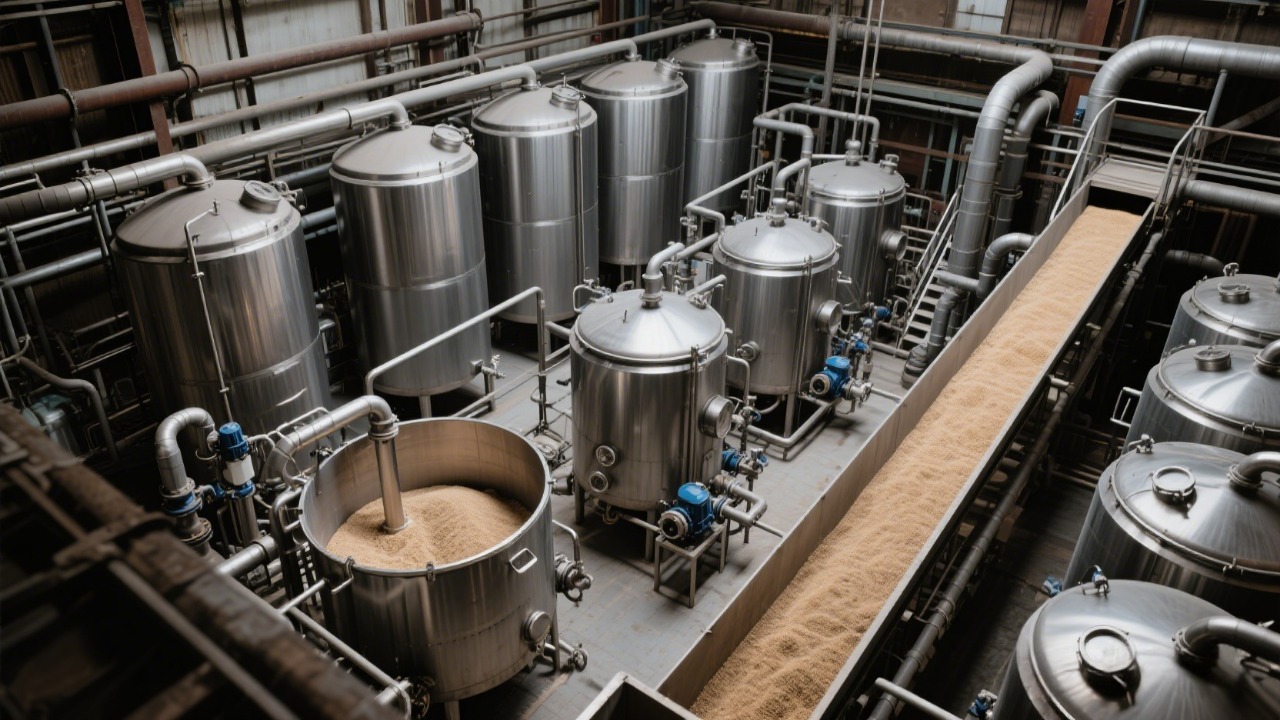
Every brewery build-out starts with a tank choice that looks simple on paper but often leads to expensive corrections. The gap between a single-wall fermenter and a dimple-jacket unit is not just a price difference—it determines whether your temperature control struggles cause batch variability from day one. This comparison draws on real installation projects and […]
29
Jun
Jun
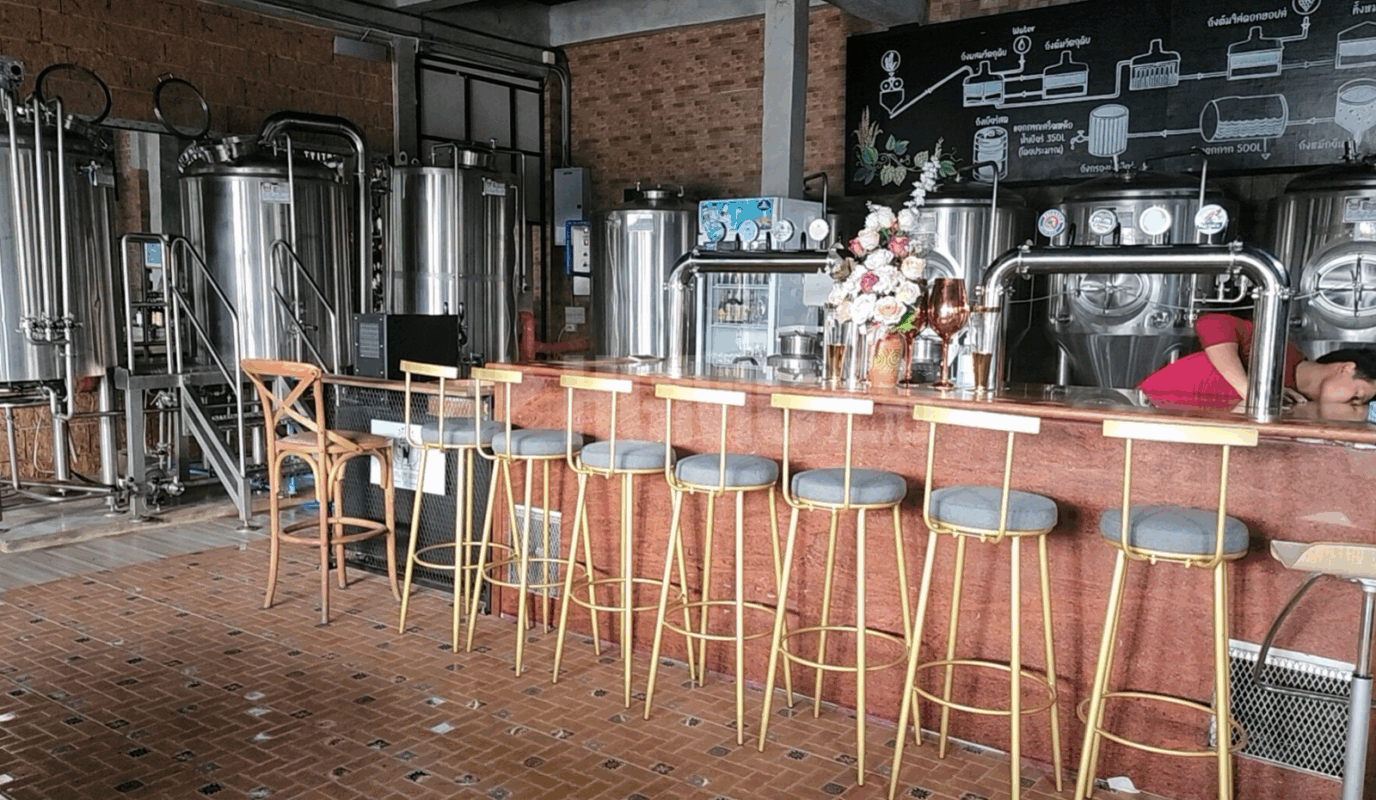
Building a craft brewery that can turn out consistent, high-quality beer batch after batch is harder than it looks from the taproom side of the bar. Most new brewers focus on recipes and yeast strains, but the real bottleneck is equipment. If your mash tun doesn’t hold temperature evenly, if your cooling plate can’t handle […]
26
Jun
Jun
Scaling up to a 2000L batch size means you have passed the test-batch phase and are ready to produce beer in volumes that can actually stock taps, fill kegs for distribution, and keep a cooler consistently rotating. The equipment decisions at this scale are not obvious. A 2000L brewing system can sit in roughly the […]
25
Jun
Jun
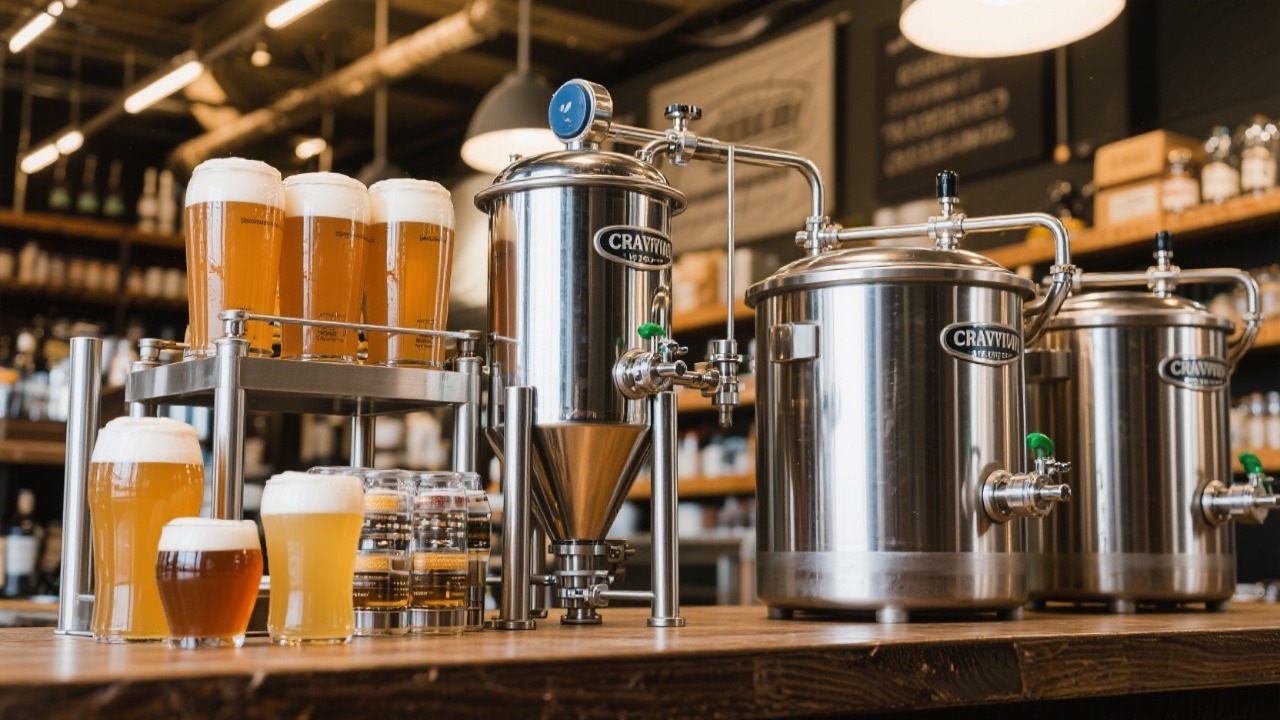
The moment a brewery starts shipping pallets instead of cases, the entire planning equation shifts. Equipment that worked fine at 500‑liter batches begins showing cracks—literally and operationally. Scaling to industrial output means accepting that brewhouse decisions made in the first six months will either enable or cap production for the next decade. Industrial brewery equipment […]
24
Jun
Jun
Every brewery starts with a recipe that defines its identity, but translating that recipe into a consistent, repeatable product requires equipment that works as hard as the brewers. Too many new breweries invest in hardware that limits experimentation or fails under the pressure of growth, leading to costly retrofits or, worse, compromised batches. This article […]