

When a brewery moves from a 10-barrel pilot system to a 50-barrel production line, the equipment decision carries weight across every future batch. The wrong manufacturer means inconsistent output, regulatory headaches, and supply chain friction that compounds with each expansion. HGMC has built a reputation as a global supplier of brewing equipment, holding more than […]
Author Archives: hgmc
31
Jul
Jul
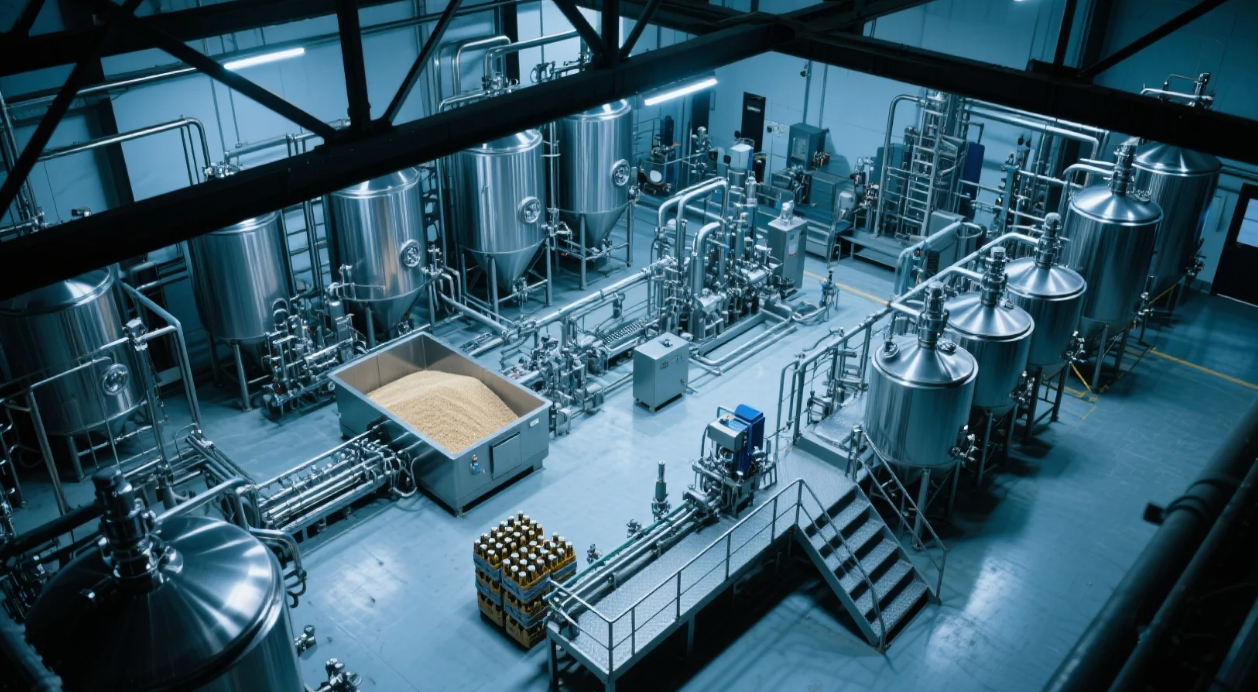
Most brewery projects begin the same way: an owner finds a tank at a good price, adds a mash tun from another supplier, and picks up a heat exchanger from a liquidation sale. Six months later, the brewhouse can barely keep up with the fermenters, the cleaning route forces staff to carry hoses across the […]
30
Jul
Jul
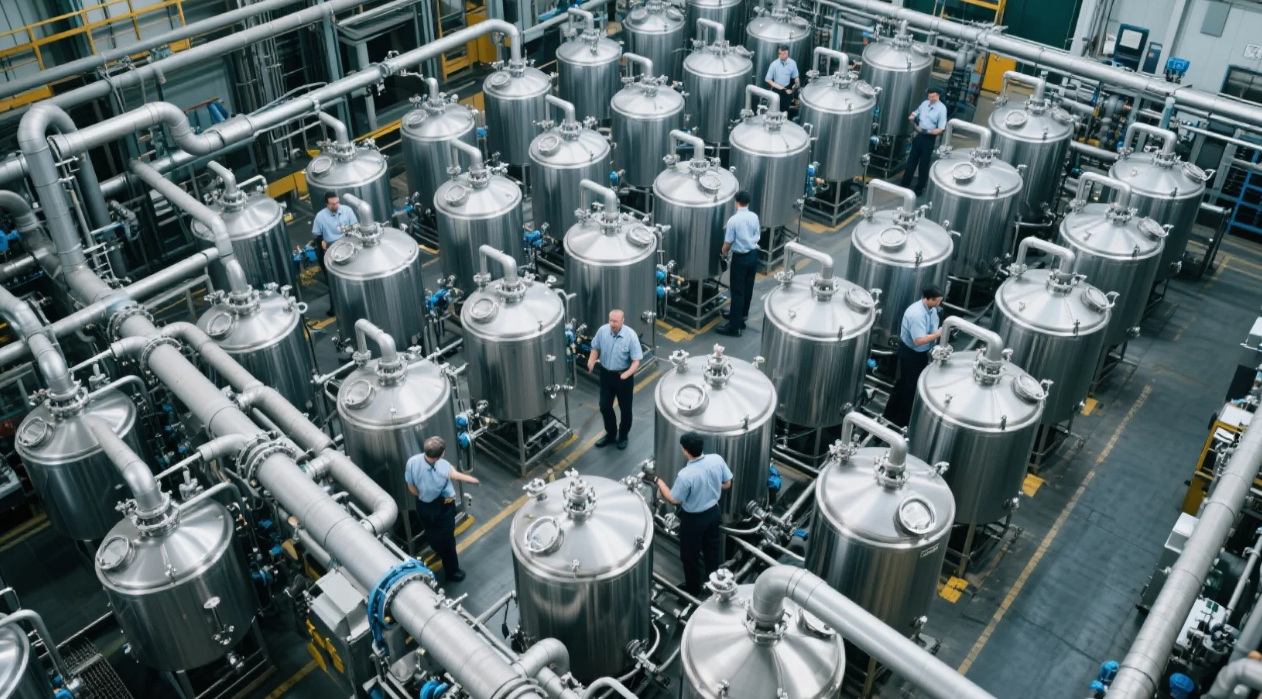
A brewery planning its first industrial-scale plant or a capacity expansion faces a decision that goes far beyond comparing prices. The Brewing Equipment Manufacturer shapes the brewhouse layout, cellar flow, cleaning routines, utility integration, and long-term reliability — yet many buyers initially focus only on vessel costs and delivery timelines. This article lays out the […]
29
Jul
Jul
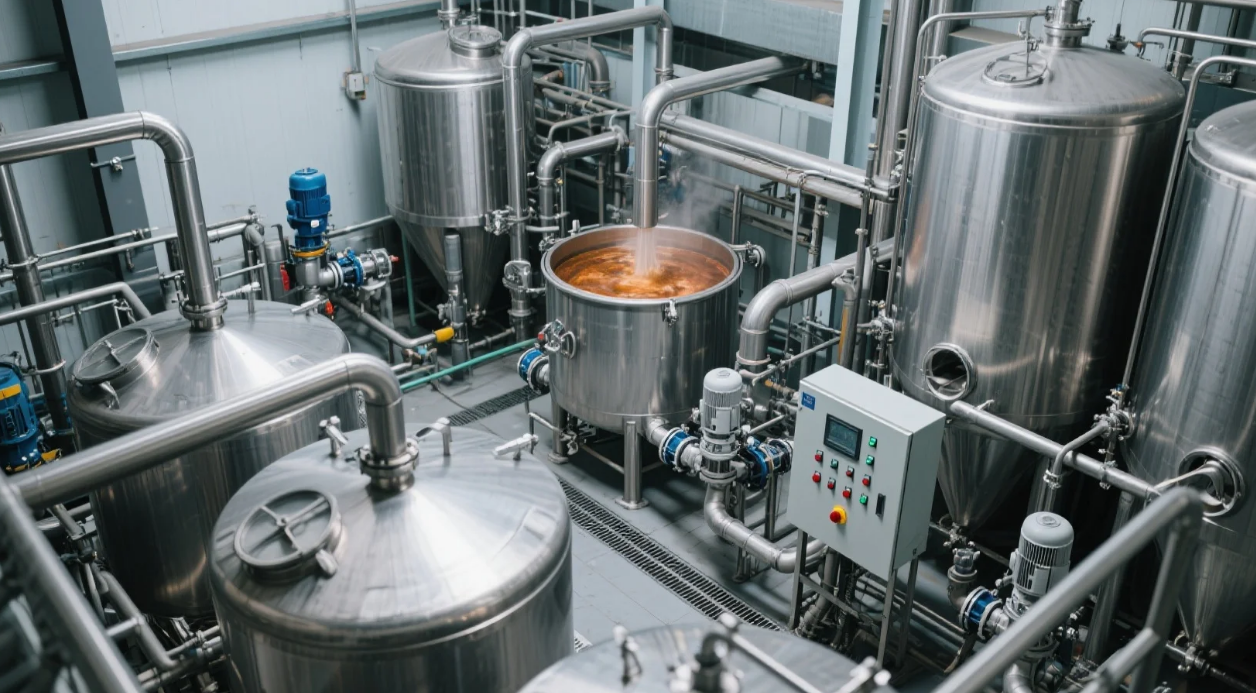
A brewery that has outgrown its 1,000-liter brewery system and is considering a jump to 10,000 liters often assumes the upgrade is just bigger tanks. The thinking goes: buy a larger brewhouse, add a few more fermenters, and volume goes up. In reality, a full 10,000-liter brewery system is a complete production system where brewhouse, […]
28
Jul
Jul
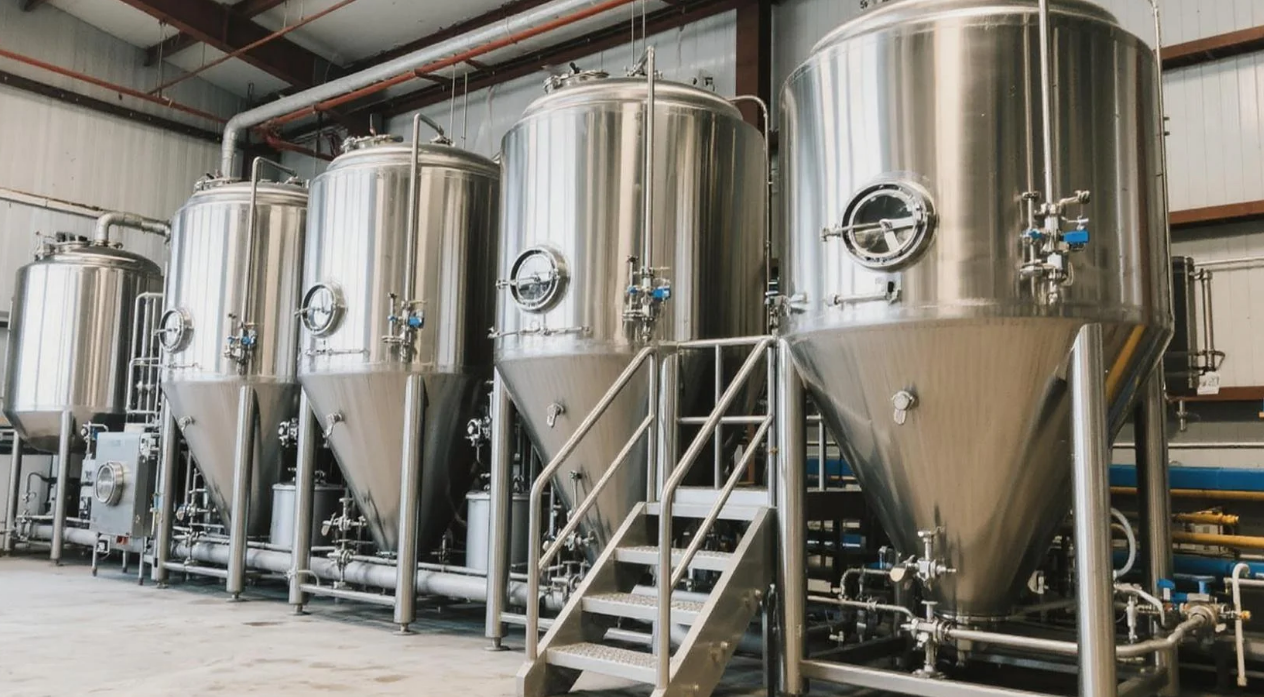
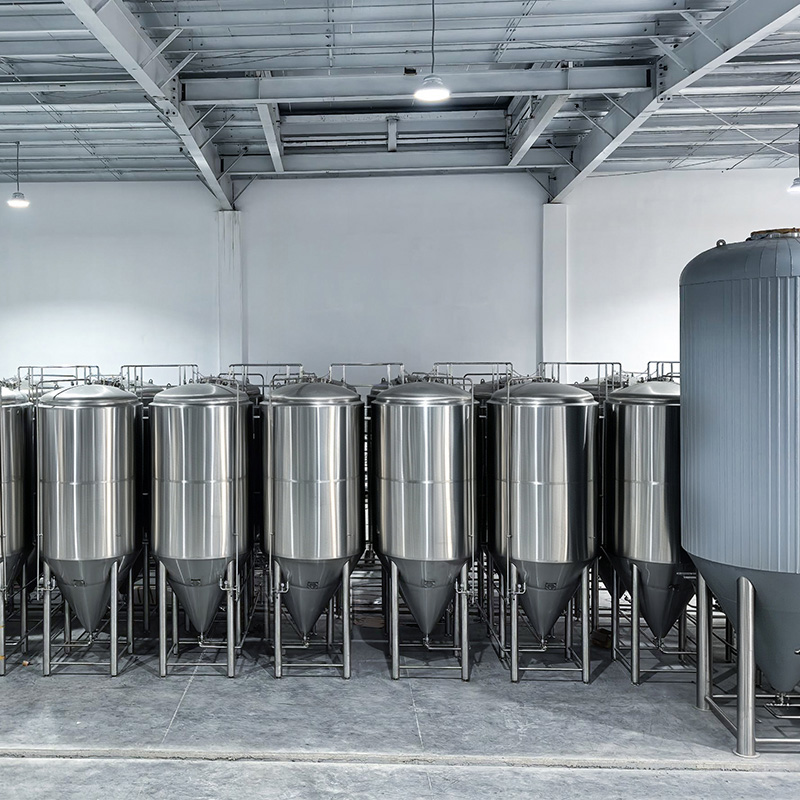
A brewery ordered a 10-barrel brewhouse from one supplier and bought six fermenters from another, chosen mainly by price and lead time. When the glycol chiller arrived, the tank count had already been set, and the cooling capacity was calculated against the wrong heat load. The result was a cellar that could not hold fermentation […]
27
Jul
Jul
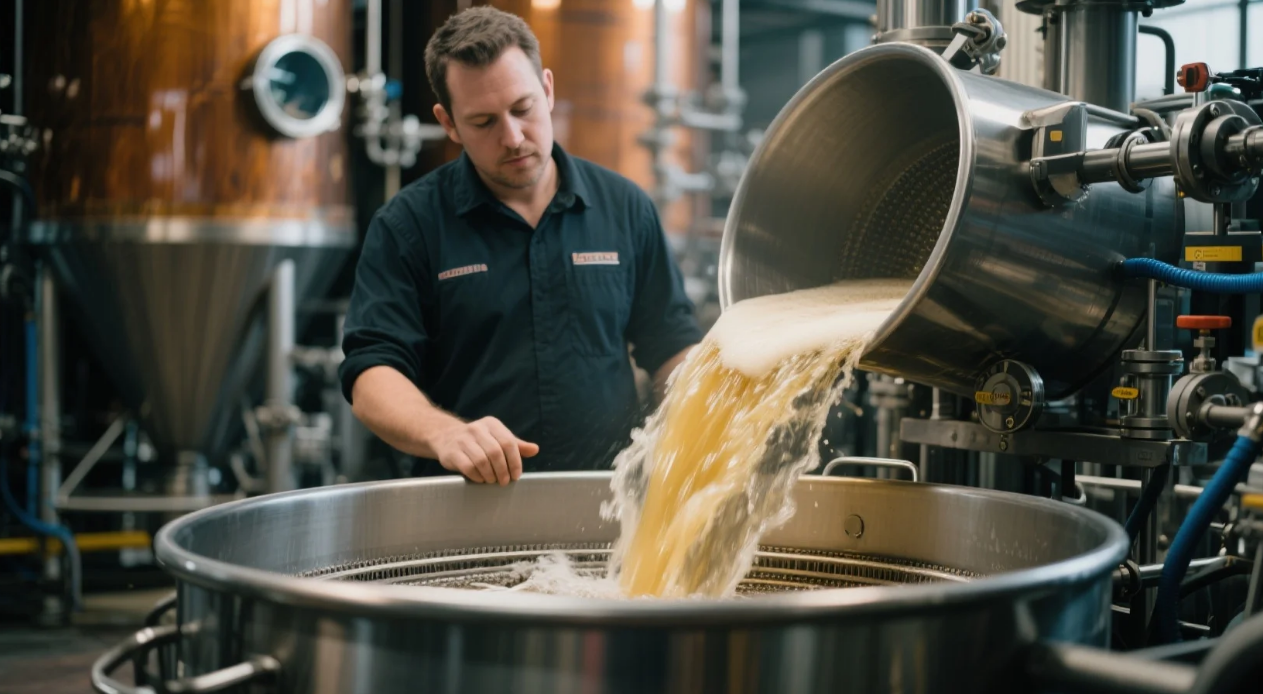
When a brewery grows from brewing a few barrels per week to several hundred, the manual habits that worked at small scale start to break down. Temperature drifts, timing errors, and inconsistent valve sequencing become regular headaches, and every batch feels like a gamble. The real value of automatic control isn’t a shiny touchscreen—it’s giving […]
24
Jul
Jul
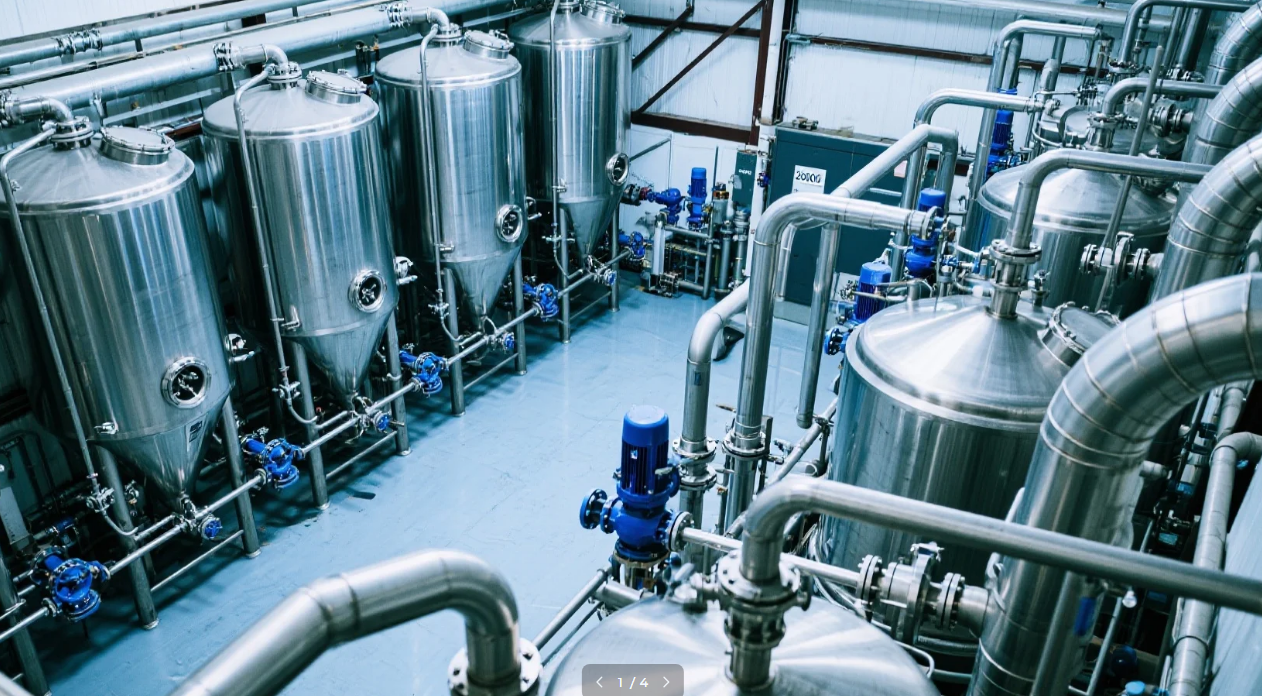
The brew day started at six in the morning. By noon the mash tun had clogged twice, the CIP cycle on the fermenter took forty minutes longer than the schedule allowed, and the transfer to the bright beer tank ran so slowly that the packaging team had to stay an extra hour. This is not […]
23
Jul
Jul
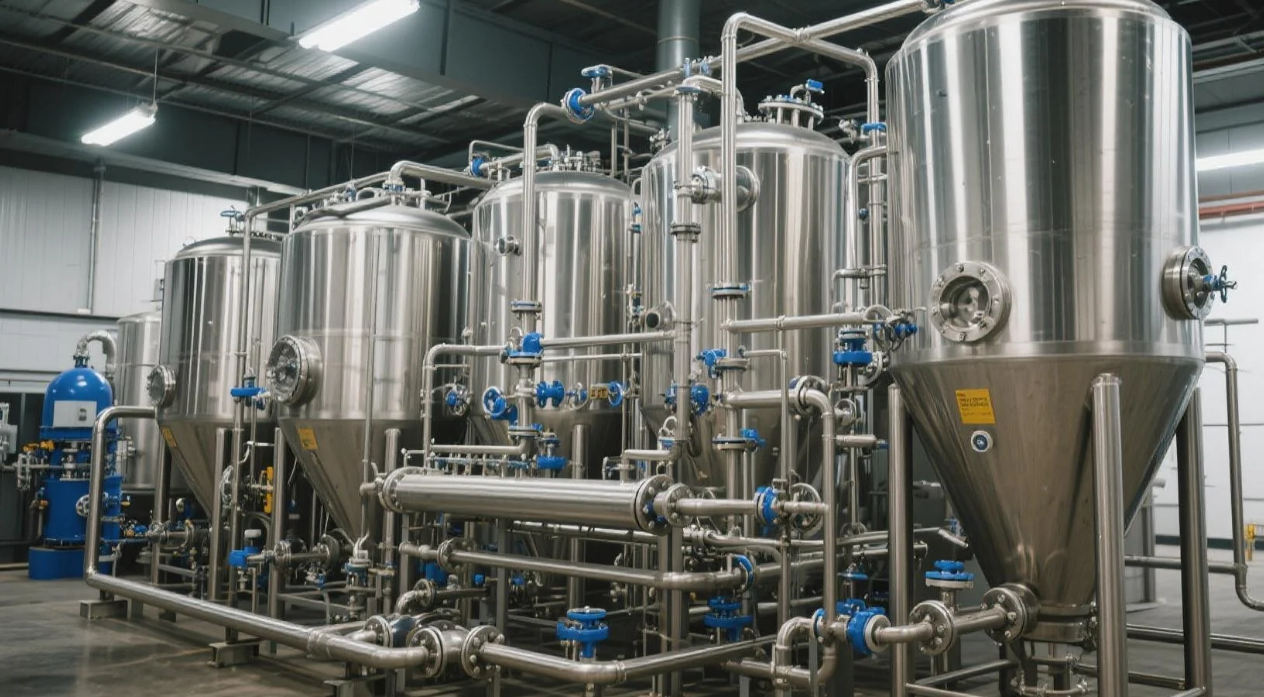
When a brewery scales up to 2000 liters, the initial instinct is to celebrate the extra capacity. But raw volume does nothing on its own. I have watched brewers install a 2000L brewery system only to discover that their output barely improved because every step between mash and bright tank had a hidden friction point. […]
22
Jul
Jul
There is a peculiar kind of frustration that only a brewer knows: the moment you pull a sample from a new batch and the hydrometer reads 1.048 instead of 1.050, even though you weighed the same malt bill, used the same hop lot, and pitched yeast from the same slurry. The bitterness might be slightly […]
21
Jul
Jul
A brewery in Australia ordered what the supplier called a “complete” brewing line. The containers arrived with a brewhouse and tanks, but no CIP station. The glycol chiller was undersized for the local climate. The voltage conversion was never discussed. That “turnkey” system took three months of retrofitting before producing beer, and five batches were […]