
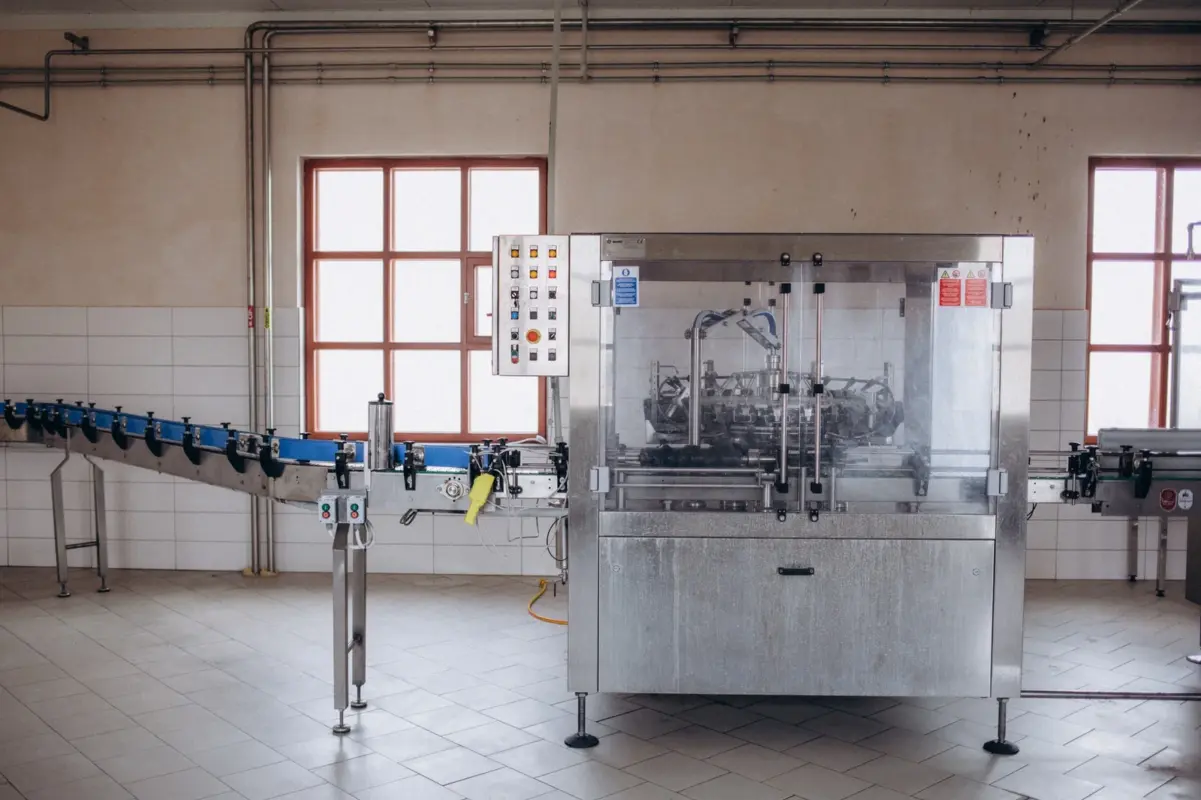
Choosing the right craft brewery canning equipment is essential for maintaining beer quality, improving packaging efficiency, and controlling operating costs. Buyers should evaluate production capacity, filling technology, automation level, can compatibility, and maintenance requirements before investing. The best canning solution is not necessarily the fastest machine, but one that matches the brewery’s actual output, packaging formats, and future growth plans.
Why Should Craft Breweries Invest in Professional Canning Equipment?
Professional beer canning equipment helps breweries maintain consistent product quality while expanding distribution channels. Canned beer is widely used in retail markets, restaurants, bars, and transportation because it is convenient, lightweight, and easy to store.
However, packaging carbonated beer requires precise control. Excessive foam, carbon dioxide loss, and oxygen exposure can negatively affect beer flavor and shelf life. Dedicated canning equipment addresses these challenges through controlled filling pressure and reliable sealing technology.
For craft breweries, investing in suitable equipment can also reduce manual labor, improve packaging consistency, and increase production flexibility.
What Capacity Should Buyers Choose for Craft Brewery Canning Equipment?
The required canning capacity should be determined by actual beer production and packaging demand. A machine with insufficient output may create a bottleneck, while an oversized system can increase capital investment and operating expenses.
Buyers should calculate their daily packaging targets, available operating hours, and expected future sales. It is also important to consider cleaning time, can changeovers, and routine maintenance.
For smaller craft breweries, a compact canning machine may be sufficient. Growing breweries with regular commercial orders may benefit from automatic equipment with higher throughput.
Rated capacity should not be treated as guaranteed production output. The actual performance of a complete line depends on filling speed, seaming efficiency, can conveying, operator experience, and downstream packaging.
How Do Semi-Automatic and Automatic Canning Machines Compare?
The automation level directly affects labor requirements, investment costs, and production efficiency. Semi-automatic machines are generally suitable for small-batch production, while automatic systems are better suited to breweries with frequent packaging operations.
Semi-Automatic Canning Equipment
Semi-automatic canning machines offer a practical solution for startups and small craft breweries. They typically require operators to perform more manual loading, handling, and production control.
Their advantages include lower initial investment, a compact footprint, and relatively simple operation. However, labor requirements may increase as production volume grows.
Automatic Canning Equipment
Automatic canning systems reduce repetitive manual work and support more consistent packaging operations. They are suitable for breweries with stable demand and larger production schedules.
Although the initial investment is higher, automation can improve long-term productivity and reduce dependence on manual labor.
Which Filling Technology Helps Protect Craft Beer Quality?
Isobaric filling is an important technology for packaging carbonated beer. It maintains suitable pressure conditions during filling, helping reduce excessive foaming and carbon dioxide loss.
Why Is Oxygen Control Important?
Oxygen exposure can accelerate beer oxidation, leading to changes in aroma, flavor, and product freshness. Buyers should prioritize equipment with effective oxygen management features.
Double pre-evacuation can help remove air from cans before filling. However, final oxygen levels also depend on beer transfer conditions, pipeline design, operating procedures, and sealing quality.
HGMC beer canning equipment uses isobaric filling technology. Depending on the selected model, features may include double pre-evacuation, precision filling valves, and automatic control systems.
What Technical Parameters Should Buyers Compare?
Comparing technical specifications helps buyers identify a suitable machine for their production requirements. The following table provides a reference for evaluating common craft brewery canning equipment configurations.
| Parameter | Compact / Semi-Automatic | Automatic Canning System |
|---|---|---|
| Reference capacity | Around 600 CPH | Model-dependent, higher output |
| Automation level | Semi-automatic | Fully automatic |
| Filling technology | Isobaric filling | Isobaric filling |
| Operator involvement | Relatively high | Reduced manual handling |
| Can format | Model-specific | Model-specific, change parts may be required |
| Oxygen control | Depends on configuration | Double pre-evacuation may be available |
| Installation space | Compact | Larger footprint |
| Application | Small craft breweries | Commercial breweries |
| Investment level | Generally lower | Generally higher |
Note: CPH means cans per hour. The 600 CPH capacity is a reference model mentioned by HGMC. Other specifications depend on the selected machine. Buyers should request a confirmed technical datasheet before purchasing.
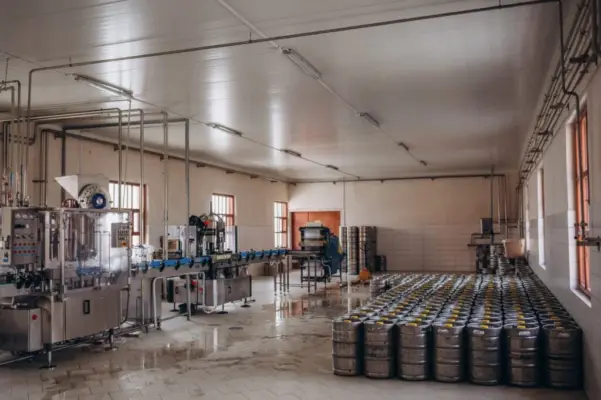
What Equipment Is Needed for a Complete Craft Brewery Canning Line?
A complete canning line may include several interconnected machines to ensure continuous packaging operations.
Can Feeding and Beer Filling
Can feeding equipment delivers empty cans to the filling station. The filling machine then transfers beer into cans under controlled pressure conditions. Stable feeding and filling are essential for reducing interruptions.
Can Seaming and Conveying
The seaming machine seals filled cans to protect the beer from external contamination and leakage. Conveyors transport cans between different processing stages, helping maintain a consistent production flow.
Carton Packing and Secondary Packaging
After filling and sealing, cans may be grouped into cartons or other packaging formats. A beer cans carton packing machine can be integrated when automated secondary packaging is required.
Small breweries can start with a basic filling and seaming configuration and expand the packaging line as production demand increases.
How Can Buyers Reduce Canning Equipment Maintenance Costs?
Regular maintenance is essential for stable production and long-term equipment reliability. Buyers should select machines with accessible components and convenient cleaning procedures.
Important maintenance practices include inspecting filling valves, checking seaming heads, cleaning product-contact surfaces, monitoring pressure conditions, and maintaining conveyor components.
Stainless steel product-contact parts, such as SUS304, are commonly used in beer packaging equipment because they offer corrosion resistance and support hygienic processing. A CIP-friendly design can also simplify cleaning operations.
Before purchasing, buyers should confirm spare parts availability, technical support, warranty coverage, and the manufacturer’s recommended maintenance schedule.
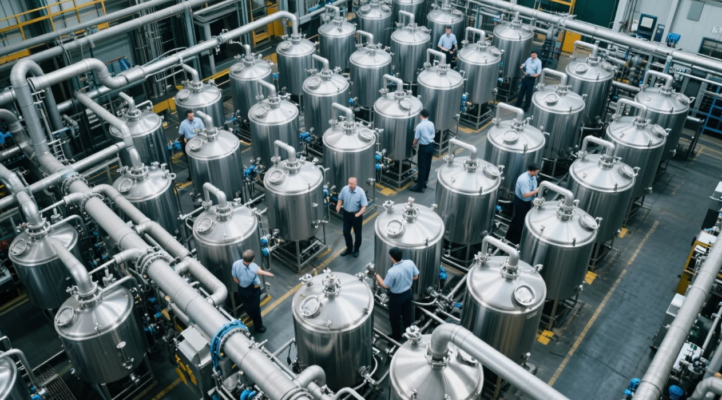
How Can HGMC Provide the Right Craft Brewery Canning Solution?
Selecting craft brewery canning equipment requires balancing production capacity, beer quality, automation, and investment. HGMC provides different beer canning equipment configurations, including compact machines and higher-capacity automatic systems.
Depending on the selected model, equipment may include isobaric filling, double pre-evacuation, precision filling valves, automatic controls, and stainless steel product-contact components.
For breweries planning a complete packaging line, filling, seaming, conveying, and carton packing equipment can be coordinated according to production requirements.
Buyers should provide their target packaging capacity, can dimensions, beer types, available installation space, and automation preferences. These details help manufacturers recommend a practical configuration and avoid unnecessary investment.
Frequently Asked Questions
1. What Is the Best Canning Machine for a Small Craft Brewery?
A compact semi-automatic canning machine is often suitable for small craft breweries with limited production volumes. Buyers should evaluate capacity, filling quality, and can compatibility before selecting a model.
2. How Much Capacity Does Craft Brewery Canning Equipment Need?
The required capacity depends on daily beer production, packaging schedules, and sales demand. A 600 CPH machine may suit some smaller operations, while larger breweries may require higher-capacity automatic systems.
3. Why Is Isobaric Filling Important for Beer Canning?
Isobaric filling helps maintain pressure during packaging, reducing excessive foaming and carbon dioxide loss. It supports more consistent filling quality for carbonated beer.
4. Can a Craft Brewery Expand Its Canning Line in the Future?
Yes. Many breweries can begin with a basic filling and seaming system and later integrate conveyors, inspection equipment, and carton packing machines. Buyers should confirm expansion compatibility before purchasing.
