
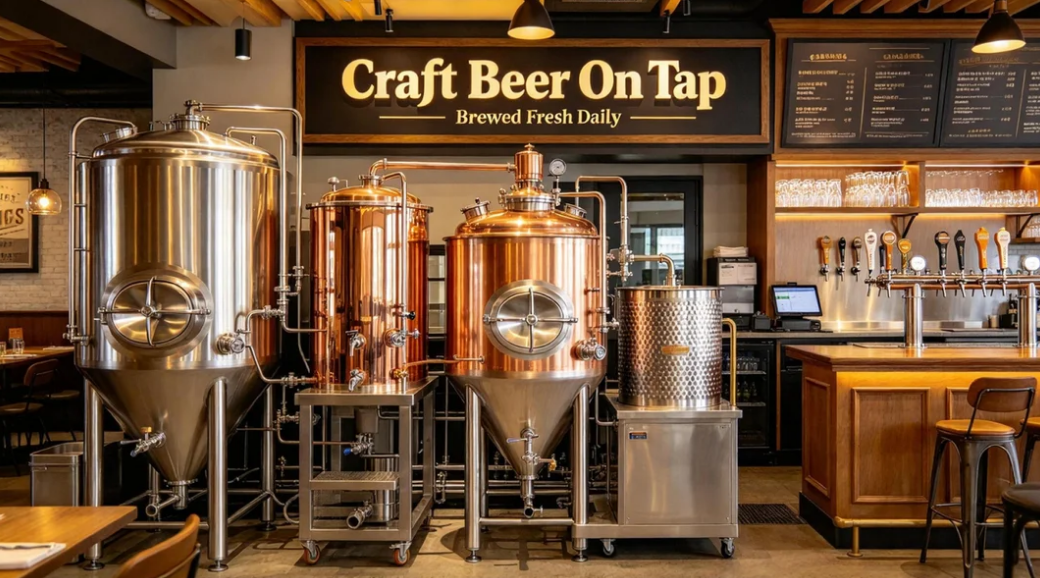
Choosing the right brewing equipment for restaurant depends on beer demand, available space, production goals, and operating costs. A well-designed restaurant brewing system typically includes a brewhouse, fermentation tanks, cooling equipment, cleaning systems, beer storage tanks, and dispensing equipment. For restaurant owners and brewpub investors, selecting the appropriate capacity and configuration is essential to maintaining beer quality, controlling investment costs, and supporting long-term business growth.
Why Should Restaurants Invest in On-Site Brewing Equipment?
On-site brewing equipment can help restaurants create a distinctive brand identity, improve menu flexibility, and provide customers with a unique dining experience. However, the investment should be supported by a realistic business plan.
How Can a Restaurant Brewery Improve Customer Experience?
A restaurant that produces its own beer can offer exclusive flavors that complement its food menu. For example, lighter beers may pair well with seafood, while malt-forward ales can complement grilled dishes.
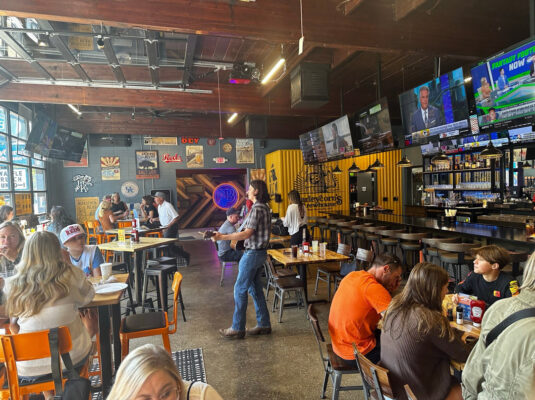
Visible brewing equipment can also become an attractive feature of the dining environment. Customers may enjoy watching the brewing process, making the restaurant more memorable and potentially encouraging repeat visits.
Can On-Site Brewing Increase Business Flexibility?
Producing beer in-house gives restaurant operators greater control over beer styles, seasonal releases, and production schedules. A restaurant can maintain several core beers while introducing limited batches for special events.
Nevertheless, brewing requires additional staff, cleaning procedures, and production planning. Restaurant owners should compare expected beer sales with equipment investment and operating costs before purchasing a system.
What Brewing Equipment Does a Restaurant Need?
A complete restaurant brewing system should include equipment for brewing, fermentation, cooling, cleaning, storage, and dispensing.
Which Brewhouse Configuration Is Suitable?
The brewhouse is the central component of a restaurant brewing system. It performs essential processes such as mashing, lautering, wort boiling, and whirlpool separation.
A two-vessel brewhouse can be a practical choice for restaurants with limited space and moderate production requirements. Larger brewpubs may benefit from three-vessel configurations that provide greater process flexibility and support more frequent brewing cycles.
The final configuration should reflect the desired beer styles, batch frequency, available space, and staffing capabilities.
How Many Fermentation Tanks Should Restaurants Purchase?
Fermentation tanks are essential for converting wort into beer and providing sufficient conditioning time. Restaurant owners should calculate tank requirements according to batch size, fermentation duration, and the number of beer styles produced.
For example, a restaurant brewing several beer varieties simultaneously may need more fermentation tanks than a restaurant producing only one or two core beers.
Stainless steel fermentation tanks with suitable cooling jackets, sanitary connections, and temperature control are commonly considered for commercial brewing applications.
What Auxiliary Equipment Is Required?
Supporting equipment is necessary to maintain reliable brewing operations.
A restaurant brewing system may include:
- Glycol cooling systems for fermentation temperature control.
- Pumps and sanitary pipelines for transferring liquids.
- CIP cleaning equipment for maintaining hygiene.
- Bright beer tanks for storage and serving preparation.
- Beer dispensing systems for bars and dining areas.
- Control panels for monitoring brewing operations.
Selecting compatible auxiliary equipment helps improve workflow efficiency and reduce unnecessary production interruptions.
How Should Buyers Compare Restaurant Brewing System Capacities?
Restaurant owners should select brewing capacity based on estimated weekly beer consumption rather than restaurant seating capacity alone. A beer-focused brewpub may require a larger system than a traditional restaurant with limited beer sales.
The following table provides an illustrative comparison of common brewing system capacity ranges.
Restaurant Brewing Equipment Comparison Table
| Equipment Parameter | 100L Brewing System | 300L Brewing System | 500L Brewing System | 1000L Brewing System |
|---|---|---|---|---|
| Nominal batch capacity | 100L | 300L | 500L | 1000L |
| Suitable business | Small restaurant | Small brewpub | Medium brewpub | Large brewpub |
| Brewhouse configuration | Compact system | 2-vessel | 2 or 3-vessel | 2 or 3-vessel |
| Fermentation tanks | Multiple small tanks | 300L–600L | 500L–1000L | 1000L or customized |
| Space requirement | Very low | Low | Moderate | Higher |
| Automation options | Manual | Semi-automatic | Semi-automatic or PLC | PLC automation available |
| Main application | Limited beer menu | Local beer production | Regular commercial brewing | Higher-volume production |
Note: The table presents indicative configuration ranges for planning purposes, not confirmed standard HGMC product specifications. Actual tank working volume, vessel quantity, dimensions, automation, and production output should be confirmed with the manufacturer.
What Factors Affect Restaurant Brewing Equipment Costs?
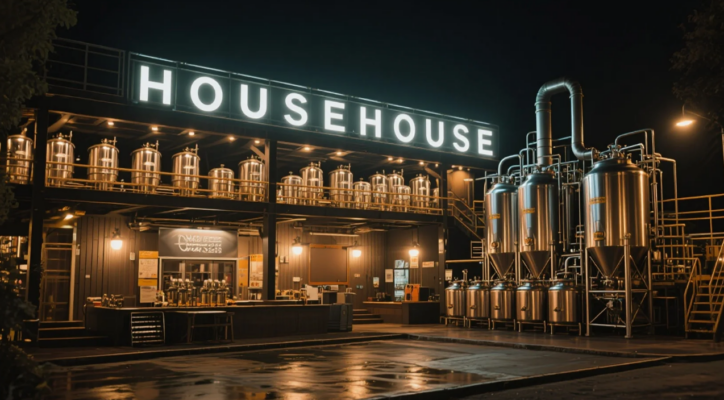
The total investment depends on more than brewhouse capacity.
Does Equipment Configuration Affect the Purchase Price?
Yes. A system with additional vessels, automated controls, larger fermentation tanks, or integrated cooling equipment generally requires a higher initial investment.
Buyers should compare complete equipment packages rather than individual machine prices. A lower-cost brewhouse may require additional purchases before it can support commercial production.
Should Buyers Consider Installation and Operating Costs?
Restaurants should include transportation, installation, utility connections, staff training, cleaning supplies, maintenance, and energy consumption in their budgets.
Heating methods, cooling capacity, and automation levels can also influence long-term operating expenses. Requesting a detailed quotation with a clearly defined supply scope helps buyers evaluate different manufacturers more accurately.
How Can Restaurants Plan Their Brewing Equipment Layout?
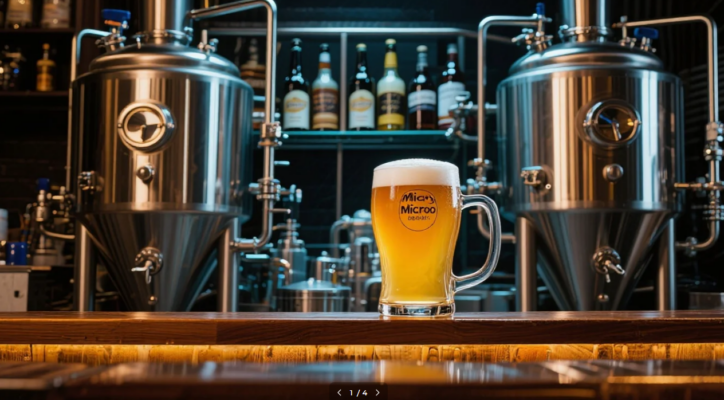
A practical layout should separate brewing activities from food preparation and customer dining areas where necessary.
Before ordering equipment, restaurant owners should check:
- Available floor area and ceiling height.
- Water supply and drainage conditions.
- Electrical capacity and heating requirements.
- Ventilation and cooling provisions.
- Equipment delivery access and maintenance clearance.
- Local licensing and alcohol production regulations.
A well-planned layout improves operational safety, simplifies cleaning, and helps staff manage brewing activities alongside restaurant service.
How Should Buyers Select a Reliable Restaurant Brewing Equipment Manufacturer?
Buyers should evaluate manufacturers based on equipment quality, customization capabilities, technical support, and project experience.
A reliable supplier should provide detailed equipment specifications, process layouts, installation guidance, and after-sales support. Stainless steel material specifications, welding quality, sanitary design, and temperature control performance should also be reviewed.
HGMC provides brewery equipment solutions that can be configured around different production capacities and facility requirements. Buyers planning a restaurant brewery can discuss brewhouse configurations, fermentation tanks, cooling systems, and supporting equipment to develop a suitable project proposal.
Conclusion
The right brewing equipment for restaurant projects should balance production capacity, space limitations, beer menu requirements, and investment budgets. Small restaurants may benefit from compact brewing systems, while larger brewpubs may require higher-capacity brewhouses and additional fermentation tanks.
Before purchasing, restaurant owners should estimate weekly beer demand, determine the required batch size, evaluate the facility, and compare complete equipment configurations. A properly designed brewing system can support consistent beer production and help restaurants establish a distinctive commercial identity.
Frequently Asked Questions
1. What Is the Best Brewing Equipment Capacity for a Restaurant?
The best capacity depends on weekly beer sales, brewing frequency, and fermentation time. Smaller restaurants may consider 100L–300L systems, while beer-focused brewpubs may require 500L or 1000L systems.
2. How Much Space Is Needed for Restaurant Brewing Equipment?
Space requirements depend on vessel capacity, equipment configuration, tank quantity, and auxiliary systems. Buyers should also allow room for cleaning, maintenance, ingredient handling, and safe operation.
3. Can Restaurant Brewing Equipment Be Customized?
Yes. Commercial brewing equipment can be customized according to production capacity, available floor space, heating methods, automation preferences, and specific beer production requirements.
4. What Equipment Is Included in a Complete Restaurant Brewing System?
A complete system generally includes a brewhouse, fermentation tanks, cooling equipment, pumps, sanitary pipelines, CIP cleaning equipment, beer storage tanks, and dispensing equipment. Packaging equipment may also be required if the restaurant plans to sell beer in bottles or cans.
