
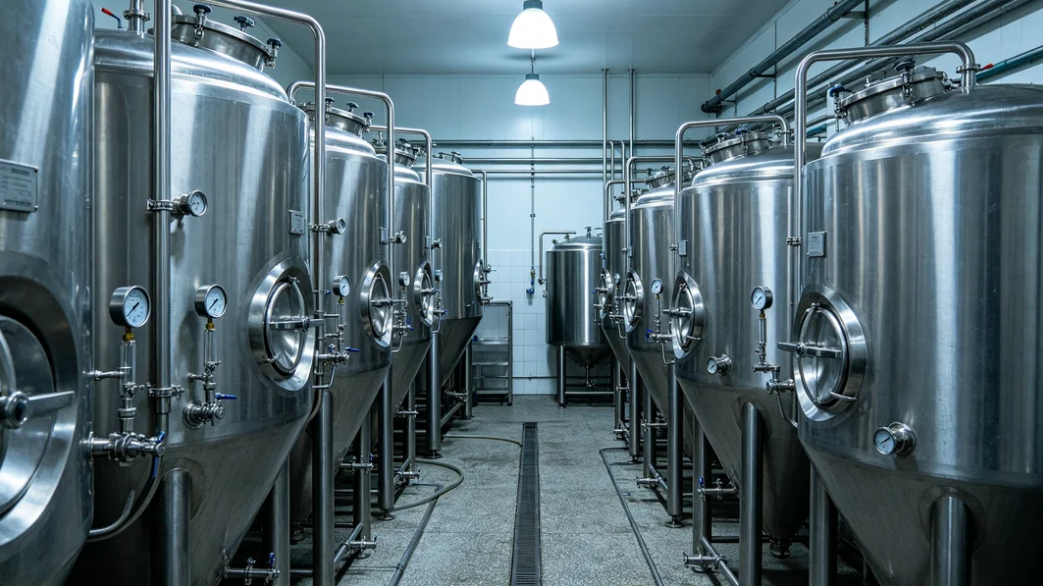
Brewery EquipmentChoosing the right 500L Fermentation Tank can directly affect beer quality, fermentation stability, production efficiency, and future brewery expansion. Buyers should evaluate more than nominal capacity: stainless steel quality, useful and gross volume, cooling area, working pressure, cleaning method, fittings, installation space, and production schedule all matter. A properly configured 500L fermentation tank can […]
24
Sep
Sep
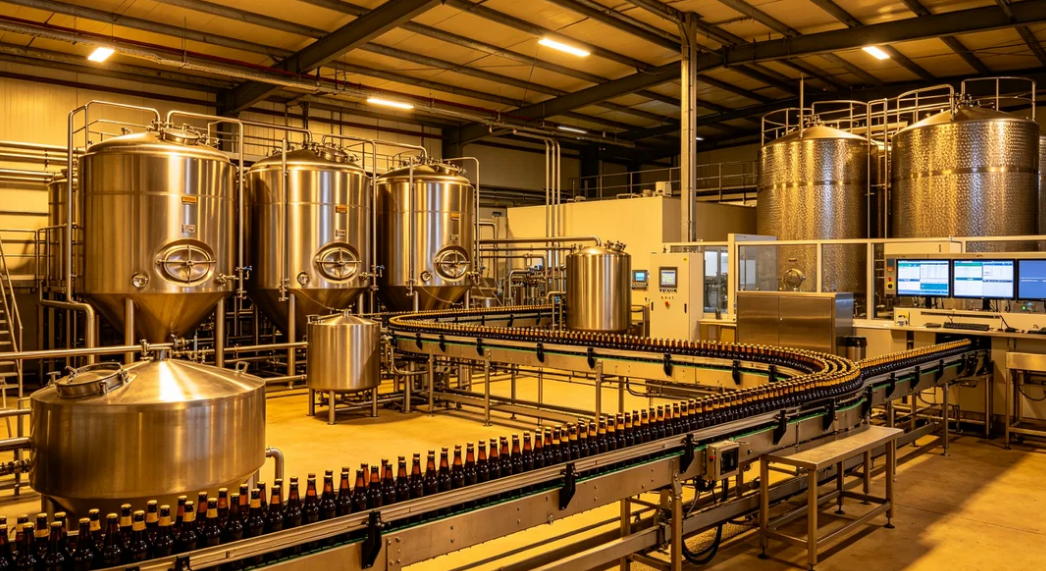
Choosing the right beer manufacturing plant is one of the most important decisions for investors, brewery owners, and production managers. A well-designed beer manufacturing plant can improve brewing efficiency, reduce operating costs, ensure stable beer quality, and support future expansion. Buyers should evaluate production capacity, equipment configuration, automation level, energy consumption, and supplier experience before […]
22
Sep
Sep
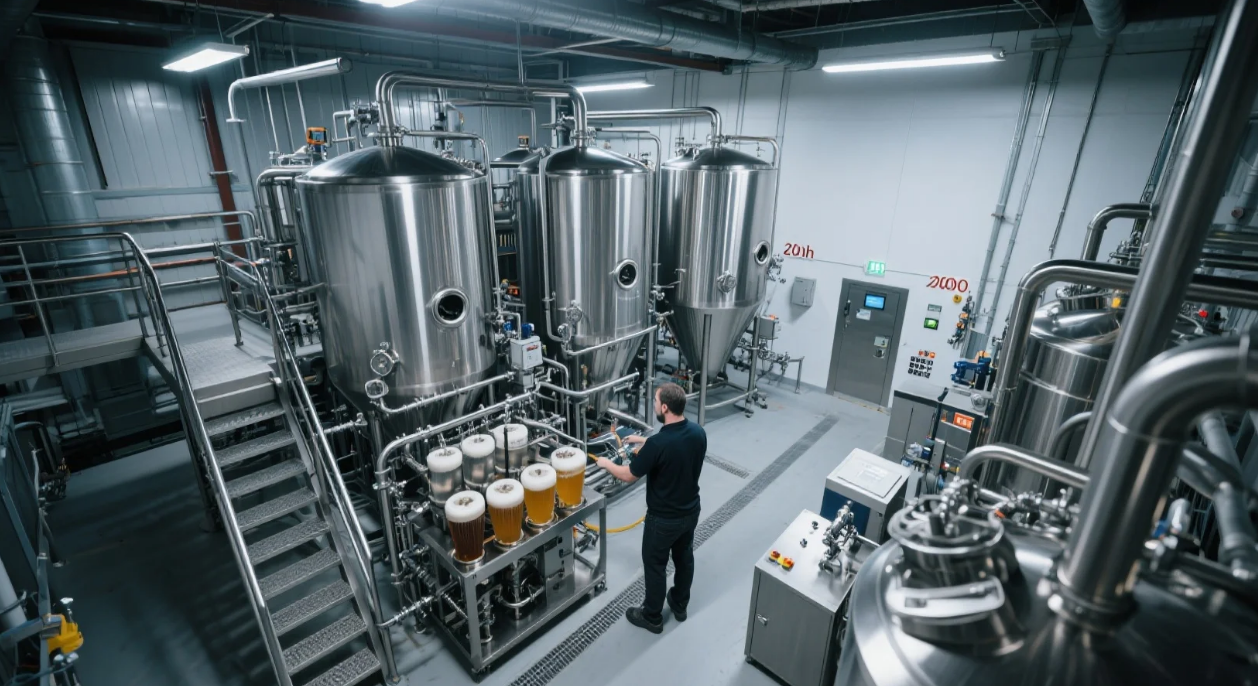
5000L Brewing Equipment is an ideal solution for medium and large commercial breweries that need higher production capacity, consistent beer quality, and flexible expansion possibilities. A well-designed 5000L brewing system integrates brewhouse, fermentation tanks, cooling, CIP cleaning, and automation controls to improve production efficiency while reducing operating costs. Buyers should evaluate equipment configuration, material quality, […]
21
Sep
Sep
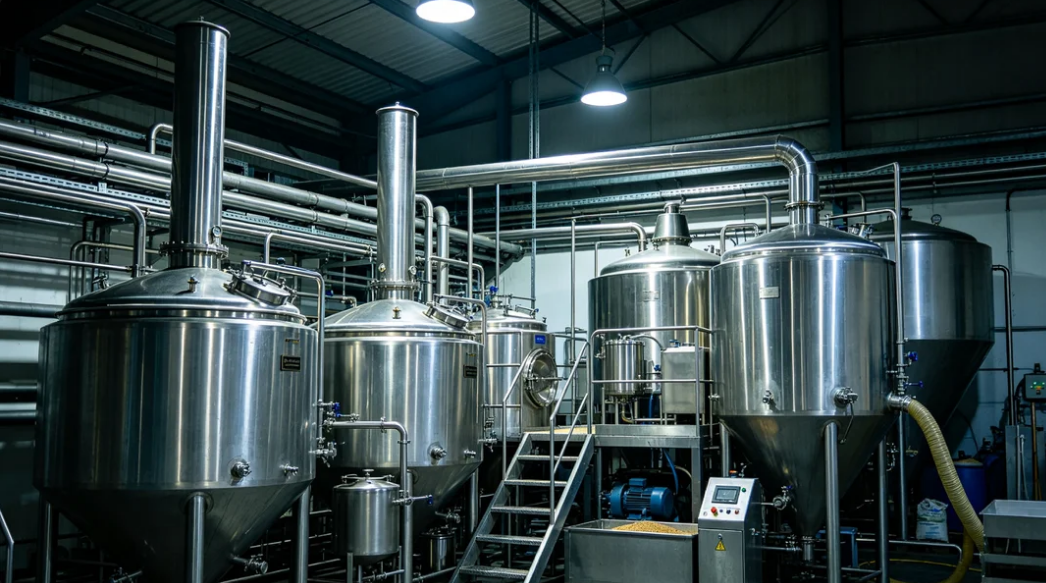
Choosing reliable Brewing Equipment Manufacturers is one of the most important decisions for brewery investors and beer producers because equipment quality directly affects production efficiency, beer consistency, energy consumption, and long-term operating costs. Professional manufacturers provide not only brewing systems but also complete solutions including brewhouses, fermentation tanks, bright tanks, filling systems, automation controls, and […]
20
Sep
Sep
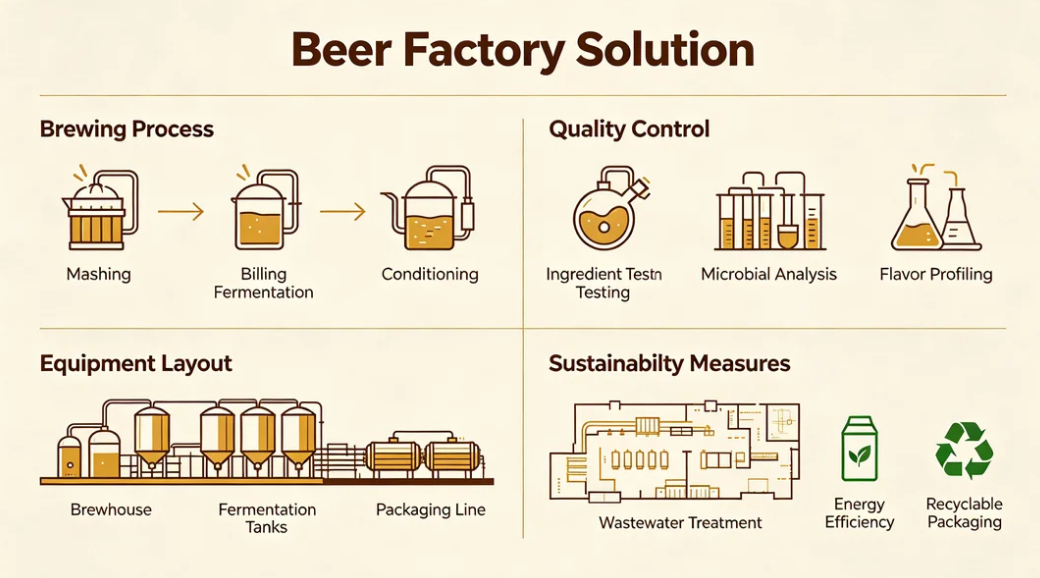
A customized beer factory solution helps breweries match equipment capacity, brewing processes, factory space, automation levels, and packaging requirements with actual production goals. Instead of purchasing individual machines separately, a complete solution connects the brewhouse, fermentation tanks, cooling system, CIP system, automation, and packaging equipment into one coordinated production line. For brewery investors and purchasing […]
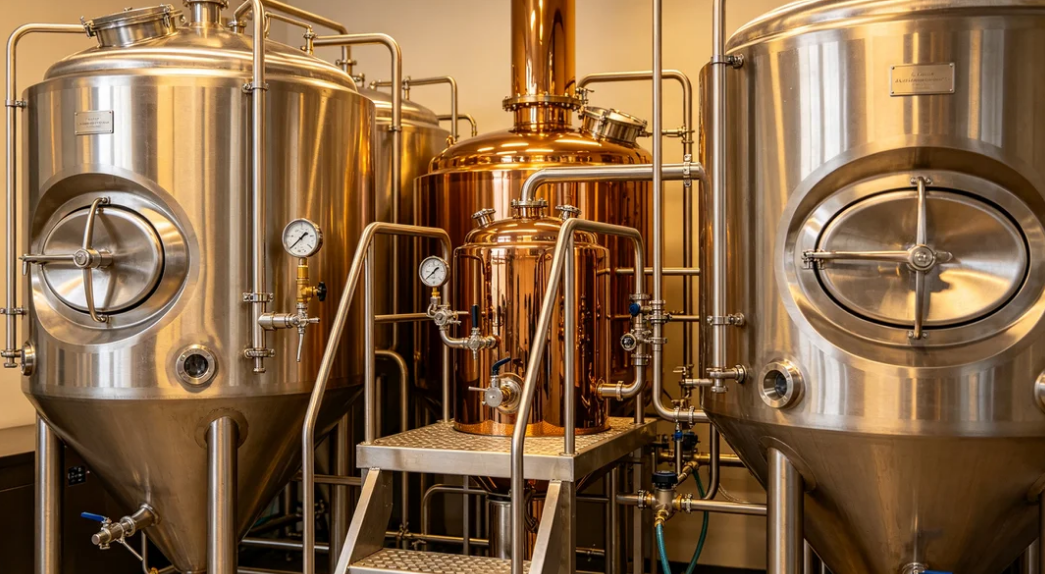
Choosing the right Fermentation Tanks Manufacturer is essential for breweries that want stable fermentation, consistent beer quality, efficient cellar operations, and scalable production. The right manufacturer should provide more than stainless steel tanks: buyers need suitable capacity, hygienic construction, cooling and temperature control, pressure management, customized fittings, professional engineering, installation, and long-term after-sales support. A […]
16
Sep
Sep
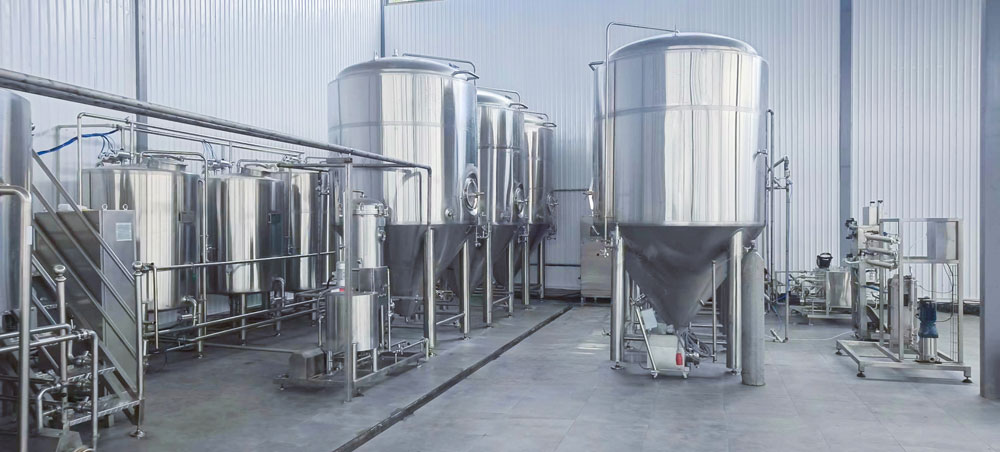
Introduction Choosing the right Micro Brewery Equipment is the foundation for building a successful craft beer business because equipment directly affects production capacity, beer quality, energy consumption, and future expansion. A complete micro brewery system should include a brewhouse, fermentation tanks, cooling system, CIP cleaning system, control system, and packaging equipment. Buyers should not only […]
15
Sep
Sep
Commercial brewery equipment is the foundation of a successful large-scale brewing operation because it directly affects production capacity, beer consistency, operating costs, and future expansion. Choosing the right brewing system allows breweries to achieve stable fermentation, efficient workflow, lower labor requirements, and reliable product quality. For investors planning a new brewery or expanding an existing […]
14
Sep
Sep
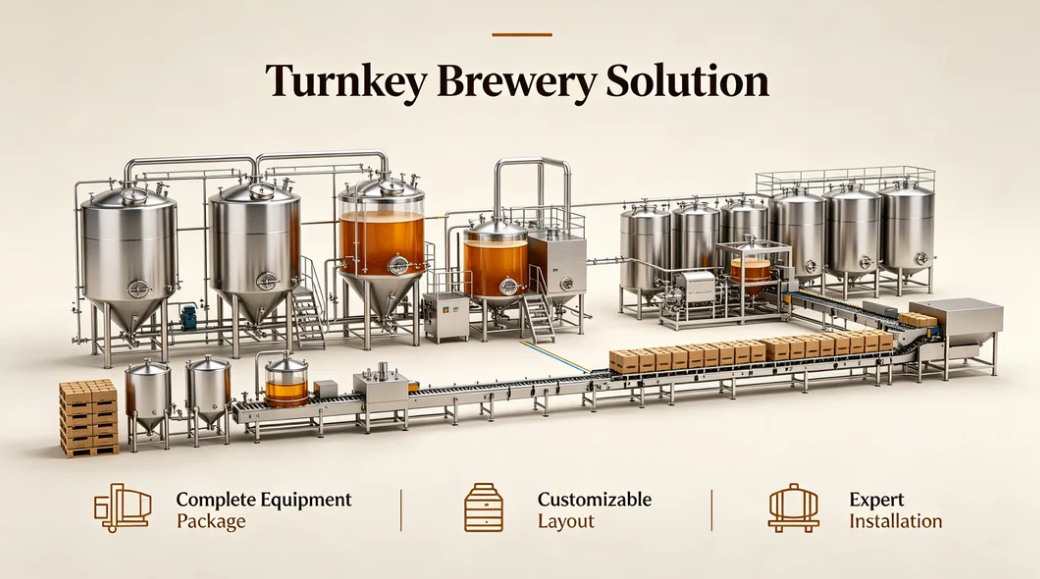
A Turnkey Brewery is the most efficient solution for investors who want to build a complete beer production facility with lower integration risks and faster startup time. Instead of purchasing individual machines from different suppliers, a turnkey brewery provides a complete system including brewhouse equipment, fermentation tanks, cooling systems, CIP cleaning, automation, packaging solutions, installation […]

11
Sep
Sep
Choosing the right Beer Manufacturing Equipment is one of the most important decisions when building or expanding a brewery. The best solution is not simply the cheapest brewhouse, but a complete production system that matches brewing capacity, fermentation volume, packaging requirements, available space, labor, utilities, and future expansion plans. Buyers should evaluate brewhouses, fermenters, bright […]